REVIEW · ARUSHA
Lake duluti Canoeing/kayaking &/or cycling adventure with lunch
Book on Viator →Operated by NaturalLand Expeditions · Bookable on Viator
Two hours of quiet water, then real biking. Lake Duluti brings calm canoeing with possible Mount Meru and Kilimanjaro views, then you roll right into active cycling and a cool-water waterfall swim. I like the mix of nature and local routine, especially the stops for a coffee farm tour and learning how traditional banana beer (mbege) is made. One thing to consider: this is a moderate-fitness day, and the best scenery depends on good weather.
The whole plan runs about 6 to 7 hours and can include pickup, so it’s not just a workout. You’ll also get lunch at a small neighborhood restaurant, which is where this kind of day trip often turns from sightseeing into a real taste of Arusha-area life. Groups are kept to a maximum of 50, and you’ll be back at the same meeting point at the end.
In This Review
- Key Points You’ll Actually Care About
- Lake Duluti to Mangalia: A Day Built Like Two Perfect Halves
- On the Water: Canoeing Lake Duluti Like the Scenic Part of Tanzania
- Cycling Time to Mangalia Waterfalls: How Hard Is It, Really?
- Village Roads, Coffee Farms, and Mbege: The Culture Stops That Don’t Feel Like a Side Quest
- Mangalia Waterfalls: The Swim Break That Makes the Ride Worth It
- Lunch After the Water and Wheels: A Local Meal That Fits the Day
- Price and Value: What $75 Gets You (and Why It’s Not Just a Tour Ticket)
- Logistics I’d Plan Around Before You Go
- Who This Tour Suits Best
- Should You Book Lake Duluti Canoeing and Cycling?
- FAQ
- FAQ
- How long is the Lake Duluti canoeing and cycling adventure?
- What happens first on the tour?
- Do I get to swim at Mangalia Waterfalls?
- How long is the cycling portion?
- Is lunch included?
- Is pickup available from Arusha?
- What fitness level do I need?
- How big is the group?
- What if the weather is poor?
- Can I cancel, and how late can I do it?
Key Points You’ll Actually Care About

- Two-hour Lake Duluti canoe ride with wildlife views and weather-dependent mountain scenery
- Cycling to Mangalia Waterfalls for a refreshing swim in cool mountain water
- Coffee farm walk-through (about 30 to 40 minutes) focused on cultivation and Tanzania’s coffee role
- Banana beer (mbege) home-brewery visit for a hands-on look at a traditional drink
- Local lunch at a small neighborhood restaurant, not a generic tourist meal
Lake Duluti to Mangalia: A Day Built Like Two Perfect Halves

This is the kind of tour that makes sense when you want variety but don’t want to micromanage your day. You start with water—slow, scenic, and forgiving—then switch to the bike, which turns the day into movement. That rhythm matters. It helps your energy feel balanced: you’re not going from a hard climb straight into a long swim, or the other way around.
Lake Duluti itself is the reason many people pick this day. It’s set up for an easy “watch and learn” canoe experience: birds, shoreline plants, and the surrounding forest come into focus when you’re moving slowly by boat. Then you transition to the Mangalia Waterfalls leg, where the payoff is immediate—cool water and a break built into the plan.
The day also includes cultural stops that are short but specific. You’re not just “passing by.” You get time at a coffee farm and time at a home-brewery making mbege, which gives the day more meaning than nature stops alone.
You can also read our reviews of more cycling tours in Arusha

On the Water: Canoeing Lake Duluti Like the Scenic Part of Tanzania

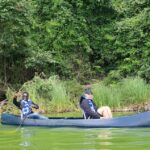
Your day begins with a two-hour canoe trip around Lake Duluti. This isn’t a speed-boat checklist. It’s about drifting long enough to see what’s actually there: flora and fauna around the lake, plus the surrounding forest.
One of the big reasons people love this water time is the mountain view potential. When the weather cooperates, you may catch views of Mount Meru and Kilimanjaro from the lake area. It’s not guaranteed—fog, cloud cover, or wind can change what you can see—but the fact it’s built into the canoe time is smart. On a canoe, you’re not fighting noise or road distractions. Your eyes can stay on the horizon.
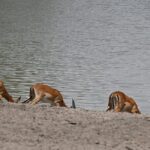
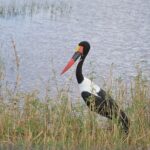
Wildlife spotting is part of the point. Even when you aren’t “trying,” the lake environment tends to attract attention—especially birds. And if you’re lucky, you might also see monkeys around the area. I’d treat that as a bonus, not an expectation, but it’s exactly the kind of moment this setting can provide.
What’s also worth appreciating: your guide accompanies you and you’ll learn a bit about what you’re seeing—plants, wildlife, and how the lake environment works. That turns a pretty ride into something you can talk about later.
Cycling Time to Mangalia Waterfalls: How Hard Is It, Really?
After the canoe, you’ll cycle from the lake area toward Mangalia Waterfalls, with the total cycling time running roughly 3 to 5 hours depending on conditions and pacing. This is the “earn the swim” part of the day.
The tour is labeled for people with moderate physical fitness, which is a useful clue. You’re not being sold as an extreme mountain-biking mission, but you are expected to pedal and keep going for long enough to feel it in your legs. If you’re comfortable doing a sustained ride, you’ll likely be okay. If you rarely cycle, this can still work, but you’ll want to approach it as an activity day, not a casual stroll.
Also remember: you’re riding on roads and through villages. That means you’ll be dealing with real-world terrain and everyday movement—not a closed-course ride. The good news is the day breaks up naturally. You’re not biking nonstop with no pauses; you have the waterfall visit as a planned reset, and you’ll pass through village areas where the day slows down in a different way.
Bottom line: if you came for a peaceful scenic canoe and ended up doing a tough ride, you’re not doing it wrong. That combo is the whole package.
Village Roads, Coffee Farms, and Mbege: The Culture Stops That Don’t Feel Like a Side Quest

Between Lake Duluti and Mangalia Waterfalls, you’ll pass through Tanzanian village areas including Patandi, Mavinuni, and Akheri. The idea here is simple: you get a chance to see daily life and culture as you travel. You won’t get a deep anthropology seminar, but you also don’t get the “drive past everything” experience.
Then you get a proper coffee farm stop with a short guided tour—about 30 to 40 minutes. The focus is on cultivation, which I really like. Coffee can feel like a product you only know as something you drink. On the ground, you see the plant and learn how cultivation works in a real farming context. Tanzania is one of Africa’s top exporters of coffee, and the tour framing helps you understand why coffee matters beyond personal taste.
If you’re the type who likes “why this ingredient matters here,” the coffee stop does that job.
Next comes the home-brewery visit, where traditional banana beer (mbege) is prepared. Again, the time is limited, so you shouldn’t expect a long brewing workshop—but it’s an excellent cultural snapshot. You see how tradition becomes practice: ingredients, steps, and the local idea of a drink that’s part of community life.
These stops are only a few hours total, but they add texture. Without them, the day could feel like nature plus exercise. With them, it feels like you’re moving through real routines.
Mangalia Waterfalls: The Swim Break That Makes the Ride Worth It

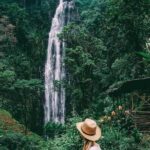
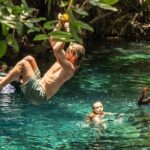
Mangalia Waterfalls is your main payoff. You’ll spend around 30 to 40 minutes at the falls, and yes—you can swim in the cool mountain water. That built-in time is key. It lets you cool down after biking and gives you a moment to shift from “moving” to “enjoying.”
One practical note: if the water feels bracing, that’s part of the experience. The tour is designed around that refreshing contrast—hot sun and bike effort, then cool water. Bring a mindset of quick refresh rather than long spa time.
If you want to photograph, timing matters. You’ll have limited time at the falls, so get your bearings early and then decide how long you want to swim. Also, wear shoes or sandals you can manage safely near water. The tour description doesn’t specify gear, so it’s smart to plan like conditions could be slippery.
A few more Arusha tours and experiences worth a look

Lunch After the Water and Wheels: A Local Meal That Fits the Day

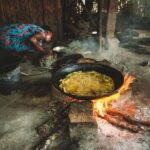
Your day ends with lunch at a small restaurant where you’ll enjoy a typical local meal. This matters more than it sounds, because it’s easy for active tours to forget food—or to include something generic that’s only convenient.
Here, the lunch fits the setting. After canoeing, cycling, and a waterfall swim, you’ll be ready for real fuel and a chance to sit down without hunting for a restaurant on your own.
Even if you have a sensitive stomach, you can usually handle local food when it’s a simple meal in a small neighborhood place. Still, if you’re picky about spice or heat, mention it to your guide or be ready to ask what’s in the dish. The tour format supports that kind of practical communication.
Price and Value: What $75 Gets You (and Why It’s Not Just a Tour Ticket)

At $75 per person, this can feel like a lot or a bargain depending on what you’d otherwise pay to cobble it together. The value comes from the bundle: canoe time on Lake Duluti, cycling to Mangalia Waterfalls, coffee farm visit, home-brewery stop for mbege, and lunch.
You’re also getting admissions handled in the structure. The canoe section includes admission, while the other main admission is marked free for the waterfall leg. Even if you price everything individually, you’d struggle to recreate the same flow of guided nature + culture + meal for much less.
The day is also about half “doing” and half “learning.” That balance is worth paying for. You’re not just being taken from A to B; you’re receiving context on flora and fauna, coffee cultivation, and a traditional banana beer process.
If you like active travel but don’t want to plan logistics from scratch, this is a solid value.
Logistics I’d Plan Around Before You Go

Even without getting complicated, a few details can make your day smoother:
- Duration: plan for about 6 to 7 hours.
- Meeting point: you start and end at the same place near JQ8Q+XW in Sing’isi, Tanzania.
- Pickup: pickup is offered, which can save time and reduce stress.
- Group size: maximum of 50 travelers, so you’re not alone but you’re also not in a massive crowd.
- Weather: views (and the overall experience) depend on good conditions. The tour notes it requires good weather, and if it’s canceled due to poor weather, you’ll be offered another date or a full refund.
What to bring? The tour info doesn’t list a kit, so I’d pack like you’re doing a full outdoor day: water, sun protection, and a change for after the waterfall swim. For the bike portion, wear clothing you can pedal in, not your “nice day out” outfit.
Also, the tour requires moderate physical fitness, so if you’re on the edge, you’ll benefit from going in rested and comfortable with sustained movement.
Who This Tour Suits Best
This is a great match if you want a real mixed day: nature, exercise, and culture in one clear plan.
You’ll likely enjoy it if you:
- want a calm canoe start rather than jumping straight into hiking
- like biking but don’t need extreme technical terrain
- enjoy short, meaningful cultural stops like coffee farming and mbege preparation
- want a waterfall swim that’s included in the schedule (not a last-minute search)
You might think twice if you:
- hate anything that feels strenuous (because the cycling leg is a real effort for most people)
- are traveling in heavy cloud/rain and strongly care about seeing the mountains
- need very predictable access without any road-and-village conditions
Should You Book Lake Duluti Canoeing and Cycling?
Yes, you should book it if you want a day that feels like Tanzania on multiple levels—water wildlife time, biking effort, village life moments, and a waterfall swim capped with lunch. The $75 price works best when you value a guided mix rather than trying to assemble separate activities yourself.
If you’re unsure, use this decision rule: if you’re comfortable with moderate fitness and you can handle weather changing visibility, this tour is a strong choice. The structure is the selling point—the peace of Lake Duluti plus the payoff of Mangalia Waterfalls—supported by real cultural stops that add meaning to the ride.
FAQ
FAQ
How long is the Lake Duluti canoeing and cycling adventure?
The total experience runs about 6 to 7 hours.
What happens first on the tour?
You start with a 2-hour canoe trip around Lake Duluti.
Do I get to swim at Mangalia Waterfalls?
Yes. You’ll have about 30 to 40 minutes at the waterfall, and swimming is available in the cool mountain water.
How long is the cycling portion?
The cycling from the lake to Mangalia Waterfalls totals about 3 to 5 hours.
Is lunch included?
Yes. The tour ends with lunch at a small neighborhood restaurant, with a typical local meal.
Is pickup available from Arusha?
Pickup is offered.
What fitness level do I need?
The tour is described for travelers with moderate physical fitness.
How big is the group?
The tour has a maximum of 50 travelers.
What if the weather is poor?
The experience requires good weather. If it’s canceled due to poor weather, you’ll be offered a different date or a full refund.
Can I cancel, and how late can I do it?
You can cancel for free up to 24 hours in advance for a full refund. If you cancel less than 24 hours before the start time, the amount paid is not refunded.