REVIEW · ARUSHA
Tanzania Safari Join Group
Book on Viator →Operated by Africa Serengeti Safaris · Bookable on Viator
Six days, four parks, and lots of dust.
This join-group Northern Circuit safari pairs open-roof 4×4 vehicles with a simple plan: game drives, real time for spotting, and a small group vibe that keeps you moving without feeling like cattle. You’ll base your days in places like Tarangire and Serengeti camps, then finish with Ngorongoro Crater and Lake Manyara before heading back to Arusha.
I really like two things about this setup. First, you ride in a small-group seat-in-vehicle format (max 6 per vehicle) with window seats, which makes the drives more relaxed and better for photos and animal viewing. Second, the price package handles a lot of the heavy lifting: meals (including breakfast and dinners), drinking water, and the big categories of fees and taxes, so you’re not constantly recalculating costs mid-trip.
The main thing to consider is that this is a safari with early starts and long driving days. If you hate mornings that start before the sky feels awake, you’ll want to adjust your expectations now and pack for long, full days out on the route.
In This Review
- Key Highlights to Know Before You Go
- Northern Circuit Safari Value: Why This Route Makes Sense
- Open-Roof 4x4s and a Max of 6: How the Ride Affects Your Spotting
- Day 1 in Tarangire National Park: River Energy and Elephant Counts
- Day 2: Serengeti Entry Day with Naabi Gate Picnic and a Route Game Drive
- Day 3 in Serengeti: Eastern Plains Views and Camp-to-Drive Rhythm
- Day 4: Full Day Game Viewing with Picnic Lunch and Simba Campsite Night
- Day 5: Ngorongoro Crater Game Drive for Rhinos, Lions, and Flamingoes
- Day 6: Lake Manyara’s Groundwater Forest Monkeys and the Return to Arusha
- Wildlife Expectations: Common Hits and the Rare-Treat Chances
- Meals, Camping Nights, and the Real Comfort Factor
- Price and Inclusions: What You’re Getting for $1,538.47
- Who Should Book This Safari (And Who Might Prefer a Different Style)
- Should You Book Tanzania Safari Join Group?
- FAQ
- What parks are included in this safari?
- How many people ride in each vehicle?
- What’s included in the price?
- What’s not included?
- Where is the pickup point in Arusha and what time does the safari start?
- Do I receive a mobile ticket and can I cancel for a full refund?
Key Highlights to Know Before You Go
- Open-roof 4×4 + window seats: Easier spotting and better sightlines during game drives.
- Max 6 travelers per vehicle: Smaller group energy, less jostling on bumpy roads.
- Big-name Northern Circuit parks: Tarangire, Serengeti, Ngorongoro Crater, and Lake Manyara in one run.
- Camping equipment included: You’re set for the camp-style nights in the Serengeti area.
- Professional guide/driver and a dedicated cook: Meals are handled day to day, not cobbled together.
- Wildlife variety beyond the usual suspects: Expect common sightings plus chances at rarer treats like rhinos, leopards, cheetah, and predation moments.
Northern Circuit Safari Value: Why This Route Makes Sense
This safari is built on the classic Northern Circuit logic: go where the animals are, then change ecosystems so you don’t get the same look every day. Tarangire feeds you big herds and the iconic baobab scenery, Serengeti gives you the stage-like plains and huge wildlife density, Ngorongoro Crater adds a natural amphitheater feel, and Lake Manyara rounds it out with rift-country scenery and lots of bird life.
The value here isn’t only that you visit four parks. It’s that the tour organizes the long logistics between them—so you don’t lose half your time coordinating transport and entry steps. The included list also matters: all fees and taxes are covered, plus meals and drinking water. That means your budget stays calmer, and your head stays in safari mode.
At $1,538.47 per person for roughly 6 days, you’re paying for the real costs of moving through multiple protected areas plus guiding and day-to-day feeding. The best “value check” is this: if you want a straightforward, guided Northern Circuit that doesn’t require constant planning, this price lands in a reasonable zone for what you get—especially with the small-group cap.
A few more Arusha tours and experiences worth a look
Open-Roof 4x4s and a Max of 6: How the Ride Affects Your Spotting
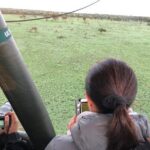
On safari, transportation isn’t a minor detail. It shapes your animal viewing more than most people expect. Here, you’ll use custom-designed 4×4 safari vehicles with open roofs for game viewing, and you’ll be in a seat-in-vehicle arrangement with window seats. The max of 6 travelers per vehicle is a big deal because it reduces crowding when you’re all craning for the same moment.
What that means for you in practice:
- You can keep your focus on scanning for movement, not negotiating space.
- The open roof helps you see above brush and between vehicles when animals are close.
- With fewer people, your guide has a better chance to read the group’s needs in real time.
Safari roads can be rough and bumpy, so you’ll want layers and something to protect your gear from dust. Also, plan on staying in your seat during viewing stops. When you’re bouncing across the African bushveld, standing up is a great way to learn how not to stand up.
Day 1 in Tarangire National Park: River Energy and Elephant Counts
Your first morning starts with a pick-up in Arusha around 8:00 am, then departure at 8:30 am. You’ll have a roughly 2-hour drive to Tarangire, followed by a long 6-hour game drive inside the park with a picnic lunch arranged within the park.
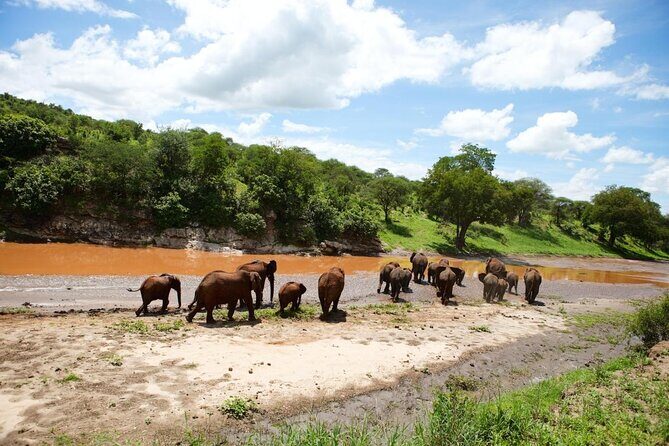
Tarangire is long and narrow, and that shape matters. Instead of one big open loop, you get a changing rhythm as you work along the park’s key areas. You’ll be hunting the Tarangire River zone, where animals concentrate when water becomes the magnet.
Expect highlights like:
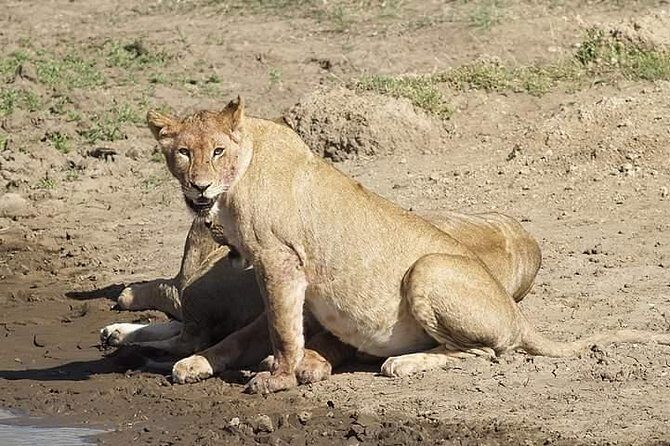
- Large herds of elephants (often a reason people fall in love with Tarangire)
- Lions and cheetah possibilities
- Buffalos and impalas
- Big baobab trees that anchor your sense of place
Even the “simple” timing here is useful. A full 6 hours of game drive means you’re not rushing in and rushing out. By the time the park day ends, you’ll exit and head to Fig Tree Lodge for dinner and overnight.
Potential drawback: day 1 is long. If you’re arriving from a flight or you slept badly, you might feel it more than you expect.
Day 2: Serengeti Entry Day with Naabi Gate Picnic and a Route Game Drive
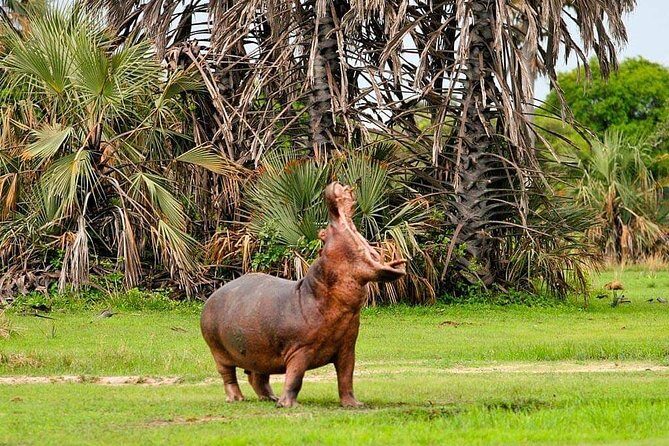
Day 2 is where the safari starts to feel like it’s getting serious. You’ll have an early breakfast around 6:30 am, then set out for Serengeti. There’s a scenic route game drive of about 4 hours, with a picnic lunch at Naabi Gate.
This route segment isn’t filler. When you’re driving toward Serengeti, you’re also moving through wildlife country, so it’s often a chance to see animals before you even reach the big core areas. Then you’ll continue with a game drive once you’re inside Serengeti.
One practical thing I like about this day: the plan mixes travel and viewing. It prevents the all-or-nothing “we drove all day and then looked briefly” problem. You still get time in the park, and you reach accommodation inside the park afterward.
Day 3 in Serengeti: Eastern Plains Views and Camp-to-Drive Rhythm
Day 3 keeps the early start, with another game drive in the morning in Serengeti. You’ll be spending time in the eastern Serengeti plains, and the guide-focused angle here is the Rift Valley connection—those forces helped shape the region millions of years ago. Even if you don’t care about tectonics, it gives context to why the area looks the way it does.
The day then shifts into a camp rhythm:
- Lunch at the campsite
- Afternoon movement with another game drive later in the day
- Dinner and overnight at Seronera Campsite
This structure is handy if you want a safari that feels balanced. You’re not stuck in a nonstop vehicle all day. You get built-in pauses for food and recovery before the next round of searching.
Day 4: Full Day Game Viewing with Picnic Lunch and Simba Campsite Night
After breakfast on day 4, you’ll go for a full day of game viewing in Serengeti. The picnic lunch stays with you, so you can keep exploring the park instead of losing the afternoon to long meal stops.
There’s something powerful about a day like this. Serengeti isn’t a single “spot.” It’s a big system of plains and wildlife movement. When you’re out for a full day, you can better catch the natural changes: animals drifting, predators reacting, and groups reorganizing.
In the late evening, you’ll drive to Simba Campsite for rest, dinner, and overnight. That late transfer matters because it helps you avoid tiring drives at the exact wrong time. You’re still driving after the best light, but you’re also ending the day at camp so you can reset.
Day 5: Ngorongoro Crater Game Drive for Rhinos, Lions, and Flamingoes
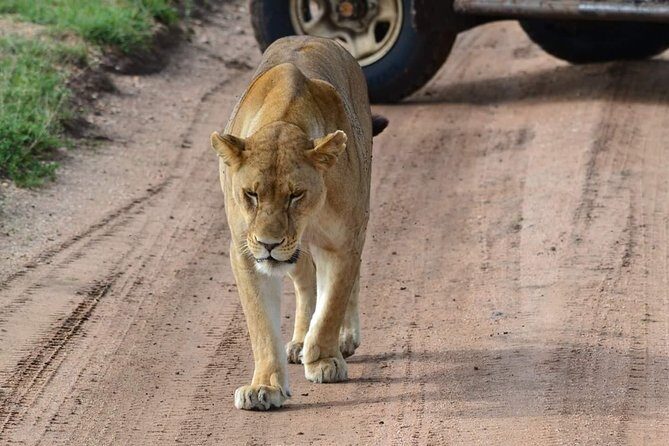
Day 5 takes you to Ngorongoro Crater for a game drive inside the crater. This is the day many people remember because it’s one of Tanzania’s most famous natural “viewing bowls.” You’ll also be right for animals that people specifically hope to see—black rhino is highlighted as a key target here, along with lions, including black-maned males.
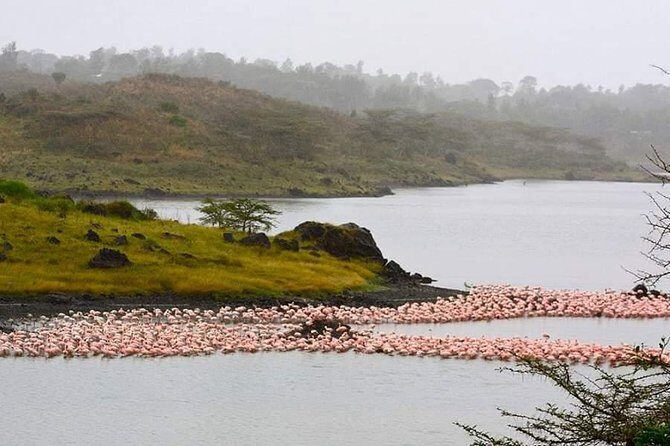
You’ll also have a shot at other big names: leopard, cheetah, hyena, and a range of antelope family animals. And yes, there are the classic water bird moments too, including flamingoes and other water birds. That bird angle is a nice break from focusing only on big mammals all day.
In the late afternoon, you’ll head back to Fig Tree Lodge for dinner and overnight, which gives you a different kind of evening than the camp nights in Serengeti.
Consideration: crater drives can feel intense because everyone’s scanning constantly. Bring a camera strap you trust and take breaks when you can. Your eyes will thank you.
Day 6: Lake Manyara’s Groundwater Forest Monkeys and the Return to Arusha
Day 6 starts with a short drive from Fig Tree Lodge to Lake Manyara National Park. The park is known for its Rift Valley escarpment backdrop, and that gives you a “layered view” feeling even if you’re not thinking in geography terms. The topography changes what you see—animals can appear in different vertical levels: up in trees, along the ground, or in open shade near the lake.
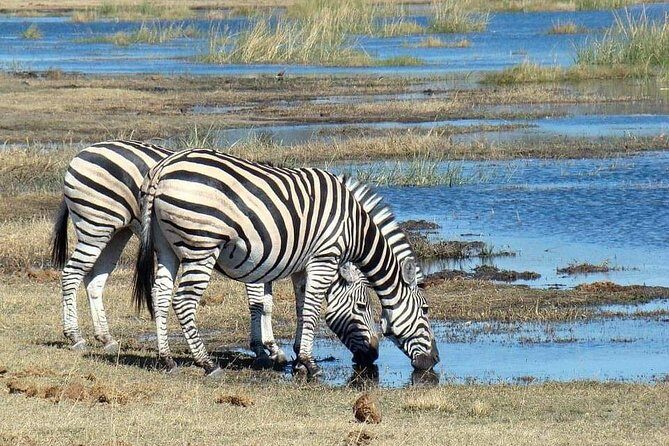
You’ll likely spot monkeys in the tall trees, elephants standing in the shade of the escarpment, and other frequently seen animals like zebras, impalas, giraffes, buffalos, and hippos. If you like variety, this is a good ending day because it’s less “one big herd hunt” and more “watch the park react.”
In the late afternoon, you’ll drive back to Arusha and end at Tourist Inn Hotel in Arusha.
Wildlife Expectations: Common Hits and the Rare-Treat Chances
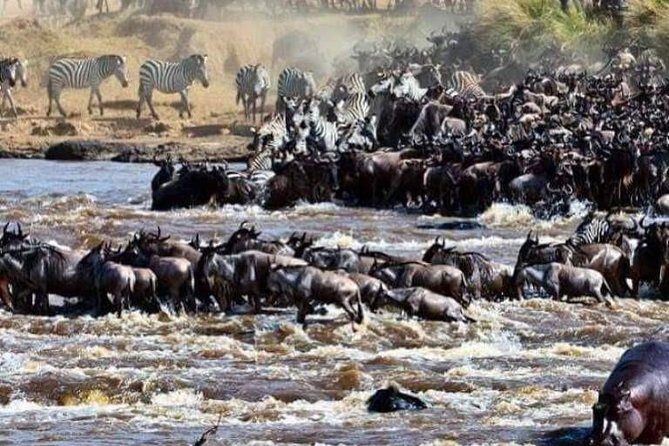
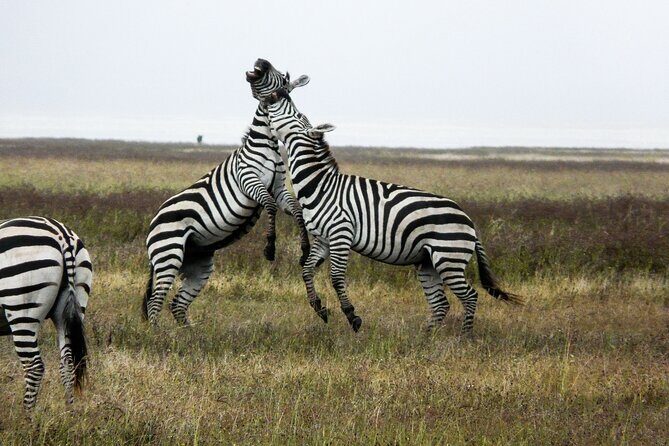
This safari sets you up for the usual Northern Circuit favorites: giraffe, zebra, wildebeest, elephants, hippos, and plenty of birds. Then it adds the “rare treat” idea: rhinos, leopards, cheetah, and lion kill moments.
Two honest notes help you manage expectations:
- Wildlife sightings are never guaranteed, even when a park is known for certain animals.
- Your odds improve with good time on the ground, repeated drives, and an experienced guide reading the terrain.
This itinerary supports that approach with long drive blocks (especially early days and the Serengeti full-day), and it uses open-roof vehicles so you can react fast when animals move. If you’re flexible and you enjoy the chase, you’ll likely have a satisfying day-to-day rhythm.
Meals, Camping Nights, and the Real Comfort Factor
Meals are handled for you, which is a big part of why join-group safaris work. During the safari you’ll get meals three times a day, plus drinking water. Your included counts also suggest steady coverage: 6 breakfasts, 6 lunches, and 4 dinners in the package.
On the Serengeti portion, the safari uses campsite-style nights, and camping equipment is included. That’s important because it signals you’re not expected to arrive with your own camping gear.
There’s also a chef element that stands out in the experience reports: the cook prepares meals daily, and that food consistency matters after a long driving day. You’ll want simple comfort foods and steady hydration, and the tour is set up for that.
For comfort, I’d plan for the basics: sleep will be camp-style (not a quiet city hotel), and evenings can feel cooler depending on conditions. Bring what you need for layers, then try to go to sleep when you can instead of staying up scrolling.
Price and Inclusions: What You’re Getting for $1,538.47
Let’s translate the price into plain value.
Included:
- All fees and taxes
- Meals (with breakfast and lunch counts across the days)
- Drinking water
- Camping equipment
- Professional guide/driver
- Lunch and dinner coverage matching the itinerary days
Not included:
- Tips for driver/guide and safari cook
- Personal expenses
- International flights
- Visas
Here’s how I’d judge the value for you. If you were doing this independently, you’d pay for park access, logistics between parks, and guided transport—then add lodging and meal planning. This package compresses all of that into one flow.
The only missing piece is the human part: tips. That’s normal on safari, and it’s also where the guide and cook efforts can show up most. If you appreciate good guiding and solid camp meals, plan for that budget.
Who Should Book This Safari (And Who Might Prefer a Different Style)
This tour is a strong match for:
- First-time Tanzania safari visitors who want the Northern Circuit highlights
- People who like a guided plan but don’t want a huge group
- Travelers who are okay with early starts and a lot of time outdoors
- Anyone who wants a mix of lodge and campsite nights without arranging it themselves
It might be less ideal if:
- You want lots of downtime in between parks
- You hate driving days and would rather stay in one region longer
- You’re looking for a super-luxury feel every night (the camp nights are part of the package)
Should You Book Tanzania Safari Join Group?
If your goal is a classic Northern Circuit hit list—Tarangire, Serengeti, Ngorongoro Crater, and Lake Manyara—in a small-group format with open-roof viewing and included logistics, I think this is a smart book. The price is doing a lot of work for you: covering fees and taxes, keeping meals and water organized, and using a vehicle setup designed for actual viewing.
My final check before you commit is simple: be honest about your energy for early mornings and long driving days. If you can handle that, you’ll get a safari rhythm that’s built for animal sightings, not for sitting around.
FAQ
What parks are included in this safari?
You’ll visit Tarangire National Park, Serengeti National Park, Ngorongoro Crater, and Lake Manyara National Park.
How many people ride in each vehicle?
This is a small group safari with a maximum of 6 travelers per vehicle, and you’ll have window seats.
What’s included in the price?
The package includes all fees and taxes, camping equipment, a professional guide/driver, meals (breakfast, lunch, and dinner as listed), and drinking water.
What’s not included?
Tips for the driver/guide and safari cook, personal expenses, international flights, and visas are not included.
Where is the pickup point in Arusha and what time does the safari start?
The meeting point is GLOBAL ENTERPRISE CO. LTD JMGM+6CV, Sokoine Rd, Arusha, Tanzania. The start time is 8:30 am, with pickup typically at 8:00 am on day 1.
Do I receive a mobile ticket and can I cancel for a full refund?
Yes, the experience includes a mobile ticket, and confirmation is received at booking time. Free cancellation is available: you can cancel up to 24 hours in advance for a full refund.