REVIEW · ARUSHA
5-Day private Camping Safari Tour in Tanzania
Book on Viator →Operated by Suricata Safaris · Bookable on Viator
Wildlife days, plus cozy camping nights.
This private 4×4 safari is built for serious game drives, with Tarangire, Serengeti, and Ngorongoro Crater stacked into one focused route—so you keep moving toward the best viewing while still getting camp life at night. I love the steady rhythm of early starts and long drives, and I love how often the experience is paired with real wildlife spotting and explanations (guides like Rocky and Gordon are frequently singled out for finding animals and teaching you what you’re looking at). The one consideration is that this is camping: it’s a genuine safari setup, so expect to trade hotel comfort for tents, early mornings, and the usual outdoor conditions.
What makes the trip feel “high-touch” is that it’s private. You’re not sharing game-drive space with strangers, and the team structure shows up in the details: from the way tents and sleeping bags are organized to the way food is handled day after day. People also put a lot of credit on guides such as Mandela, Fredy, and Golden for spotting animals and making the day feel guided rather than chaotic.
If you’re the type who wants iconic wildlife on a practical timeline, this works. You’ll be driving in and out of major ecosystems (elephants and baobabs in Tarangire, big-cat country in the crater) without the stress of constant packing and changing plans every day. Just go in knowing you’ll be outdoors a lot, and the “best moments” can be early, late, or both.
In This Review
- Key things I’d pay attention to
- Why a private 4×4 camping safari works so well in Tanzania
- Arusha pickup and getting into safari mode
- Tarangire National Park: baobabs, elephant density, and a great first day
- Serengeti: Seronera campsite nights and full-day game drives
- Another Serengeti morning, then Ngorongoro’s crater-country switch
- Ngorongoro Crater and Lake Magadi: 600 meters down for dense wildlife
- What camping comforts look like on this safari (and what to pack)
- Price and value: what $2,300 per person is buying
- Best time to aim for elephants and predator odds
- Who this safari suits best
- Should you book this 5-day private camping safari?
- FAQ
- What parks are included in this 5-day safari from Arusha?
- Where do you meet and where does the tour end?
- Is the safari private?
- Are park admission fees included?
- What meals are included during the 5 days?
- Are there any costs not included in the price?
- What is the cancellation policy?
Key things I’d pay attention to
- Private vehicle time: Your group rolls out in your own 4×4 for game drives, not a bus schedule.
- Seronera campsite base in the Serengeti: You sleep inside the action area while doing long drives.
- Ngorongoro crater descent (600+ meters): The day is built around going down into a dense, year-round wildlife zone.
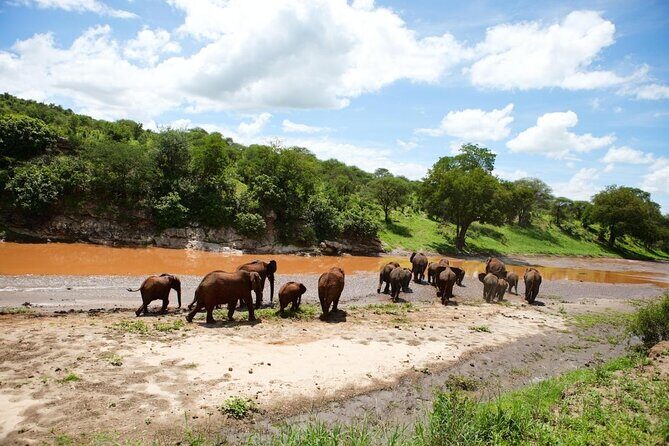
- Tarangire elephant concentration: Expect huge elephant presence and classic baobab scenery, especially in the dry season.
- Food gets treated like part of the safari: Reports often highlight hot, well-prepared meals and consistent camp service.
Why a private 4×4 camping safari works so well in Tanzania
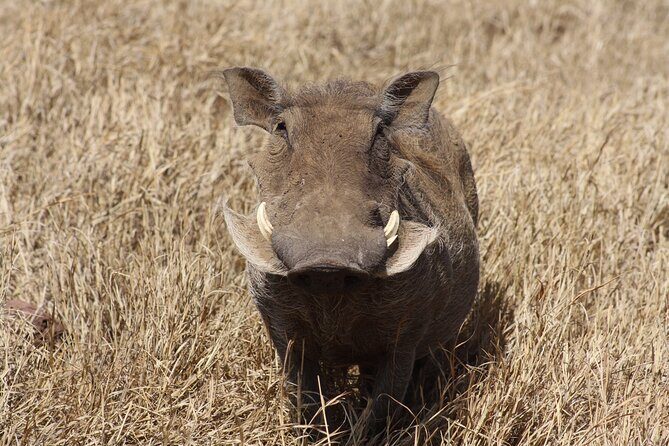
Tanzania safari is one of those trips where the “how” matters as much as the “where.” When you’re in a private vehicle, you’re not stuck taking photos through someone else’s schedule. If your guide spots movement and it looks promising, you’re positioned to react fast, and you can linger when the scene is perfect. That’s the difference between seeing animals and enjoying animals.
Camping safari adds a layer too. You’re close enough to feel the day shift from dust-and-sun to night sounds, but you still get structure: planned drives, meal timing, and campsite overnights. It feels more like living the safari day instead of just passing through it.
The “real life” tradeoff is comfort. You’re not in a hotel. You’re in nature—sometimes with heat, sometimes with bugs, always with the sound of the wild nearby. If that sounds fun to you, you’ll be happy. If you want smooth luxury the whole way, you might find camping a tougher fit.
You can also read our reviews of more private tours in Arusha
Arusha pickup and getting into safari mode
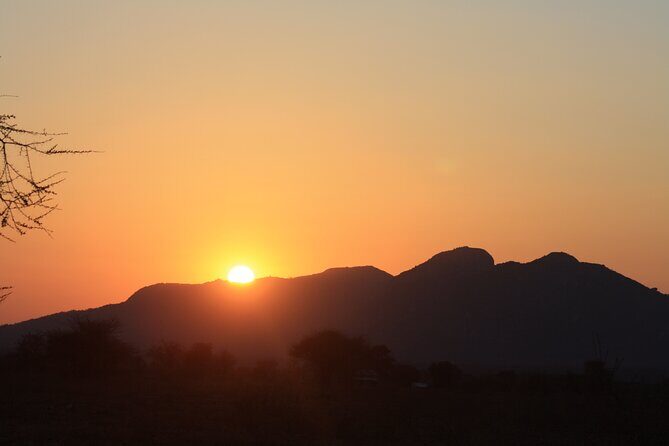
This tour starts back at AIM Mall in Arusha. Your private guide picks you up, and your first drive begins in the morning window (for Day 1, it’s roughly 08:30–09:00). That early launch matters because wildlife activity often peaks around the cooler hours.
You’ll also want to think about the practical rhythm: game drives take time, and the day is built around long stretches in the vehicle, with meal stops that are timed for the driving plan. The tour uses picnic lunches on drive days and includes breakfasts and dinners, so you’re not scrambling for food mid-adventure.
One more small detail that helps: it’s a private experience, so your team can adjust within the safari day without coordinating with a large mixed group. In places like Serengeti and the crater, those micro-adjustments add up.
Tarangire National Park: baobabs, elephant density, and a great first day
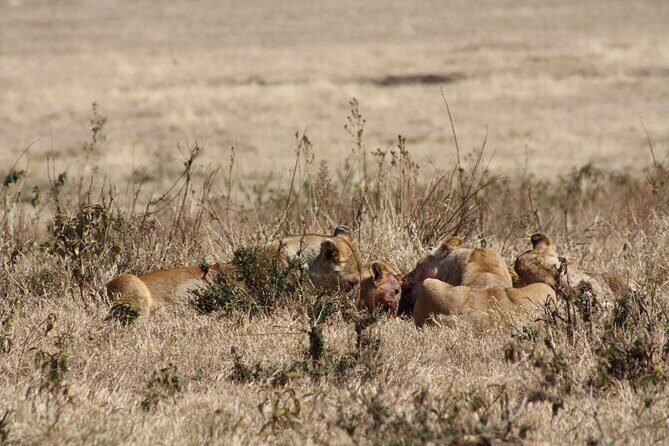
Your first major target is Tarangire National Park, one of Tanzania’s best “warm-up” parks. You arrive for lunch at the lodge, then head out for an afternoon game drive. This is a solid way to ease into the safari: you’re not thrown into a full day right from pickup, and you still get meaningful viewing right away.
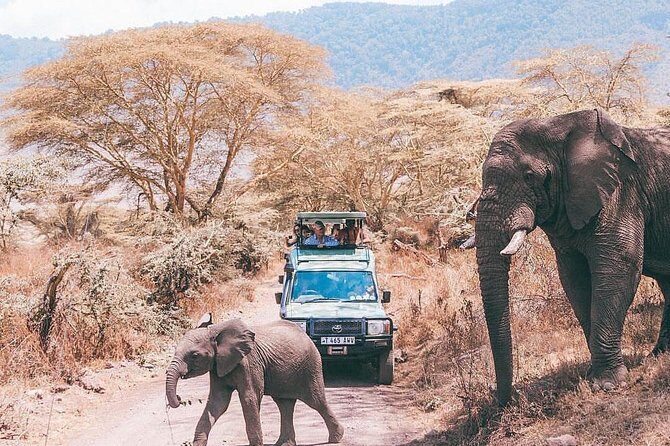
Tarangire’s star power is the high-density elephant presence plus the scenery of baobab trees. In the June to November dry season, you can expect big herds—often described as thousands—along with animals like zebra, wildebeest, and cape buffalo. Even if the exact herd size varies by day, the park reliably delivers that “this is why I came” look: elephants near the trees, dust in the sunlight, and photo-friendly spacing.
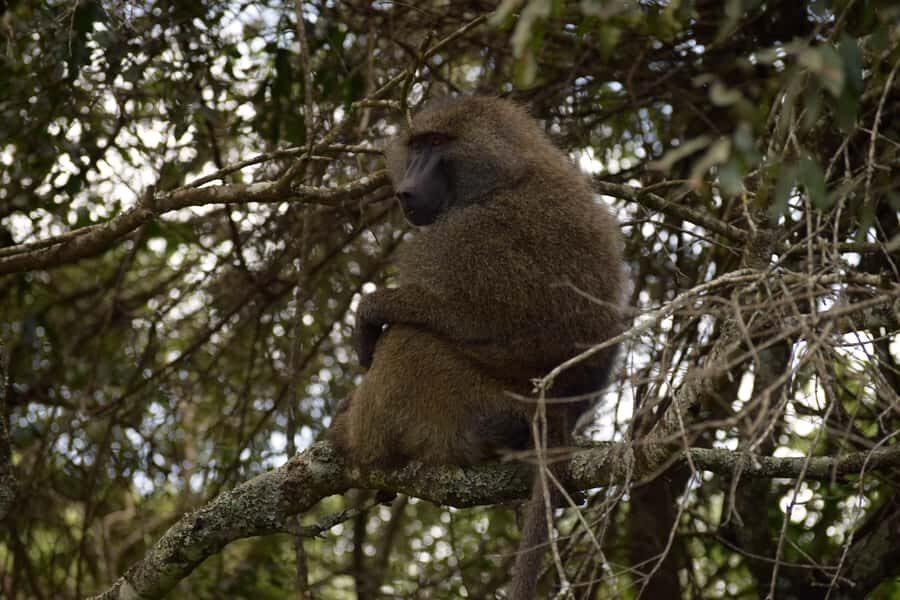
You may also spot lots of resident species such as giraffe, impala, dik-dik, waterbuck, eland, Grant’s gazelle, vervet monkeys, and olive baboons. Predator sightings can happen too, including lion, leopard, cheetah, and even wild dogs (though those are never guaranteed).
If you want an easy way to plan your photos, Tarangire is a good park to focus on patterns: herd movement, trunk behavior, and the way animals use shade under baobabs. It sets you up for the wider-open drama of the Serengeti next.
Serengeti: Seronera campsite nights and full-day game drives
After Tarangire, you move toward the Serengeti National Park base at Seronera Campsite. The second day includes an early drive to Serengeti, plus a picnic lunch and driving en route through the Ngorongoro Conservation Area. That matters because you’re not only “arriving,” you’re also using the road for wildlife viewing.
Day 2 ends with dinner and overnight at Seronera Campsite, which is a classic way to stay close to where the action is. Sleeping inside the Serengeti region keeps you from losing time to long transfers, and it helps the next morning feel like a continuation instead of a reset.
Day 3 is the big full-day rhythm: early breakfast, then a full day of game driving with a picnic lunch, followed by more driving until late evening and then returning for dinner and sleep. This is the day where I’d expect the highest “variety hits”—not because you’re guaranteed everything, but because your vehicle time is long enough that chances stack up.
If you get a strong guide, this is also where the explanations start clicking. Guides such as Rocky, Gordon, Mandela, and Fredy are repeatedly praised for spotting animals and giving context for what’s happening in the scene. In practice, that means you’ll spend less time guessing and more time understanding why animals are where they are.
Practical tip: bring something for the cool parts of the day. Even in warm months, early mornings and late evenings can feel chilly once you’re parked and waiting for wildlife.
Another Serengeti morning, then Ngorongoro’s crater-country switch
Day 4 keeps the Serengeti going in the morning, then shifts gears toward Ngorongoro Conservation Area. You start with an early coffee/tea and biscuits, then go out with lunch boxes for a drive window (about 08:00–14:30). That timing is smart: it focuses your best viewing hours before the day warms up and before you need to move.
After that morning drive, you leave Serengeti and head into the Ngorongoro area for dinner and overnight. This transition is part of what makes the whole safari feel efficient. You don’t waste a day fully traveling. Instead, each day has at least one strong viewing block, with driving built into the plan.
What you’re really doing on Day 4 is setting up the “main event” day: going down into Ngorongoro’s crater.
And yes, this is a day where patience pays. When you’re switching parks, you don’t control everything. But you can control your attitude: sit back, hydrate, and keep your camera ready.
A few more Arusha tours and experiences worth a look
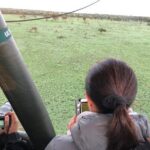
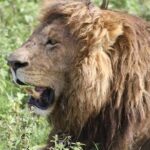
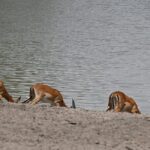
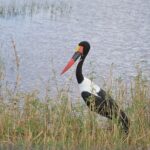
Ngorongoro Crater and Lake Magadi: 600 meters down for dense wildlife
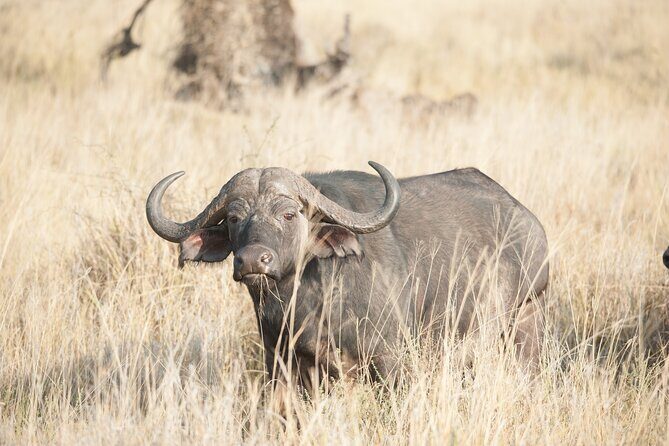
Ngorongoro is where the safari shifts from open-country searching to a more concentrated, dramatic kind of viewing. On Day 5, you have an early breakfast and then descend over 600 meters into the crater to view wildlife.
Ngorongoro’s big advantage is its year-round support. With a steady supply of water and fodder, it supports a lot of animals in one place. That’s why it’s famous for dense sightings: herds of wildebeest, zebra, buffalo, eland, warthog, hippo, and giant African elephants are part of the picture. You’re not “hoping” in the same way you do in more spread-out habitats—you’re viewing from a system that naturally concentrates life.
Predators are a major draw too. The crater can offer lions, hyenas, jackals, and cheetahs, plus the classic wildcard: leopards. Leopard sightings can be hit-or-miss, and the description specifically notes that catching one sometimes takes a trained eye. This is exactly where the guide quality matters, and the earlier pattern holds: strong guides (Rocky, Gordon, Mandela, and others) get praise for spotting and explaining what’s going on.
You’ll also visit Lake Magadi, described as a large but shallow alkaline lake in the southwestern corner of the crater. It’s a distinct feature and gives you variety beyond just watching herds and big cats from the main viewpoints.
If you like photos, Day 5 is also about composition. Crater wildlife often gives you “layered” scenes: water, grass, animals moving, and distant ridgelines. Keep an eye out for animals around the water’s edge and for predator moments that happen after a herd shifts.
What camping comforts look like on this safari (and what to pack)
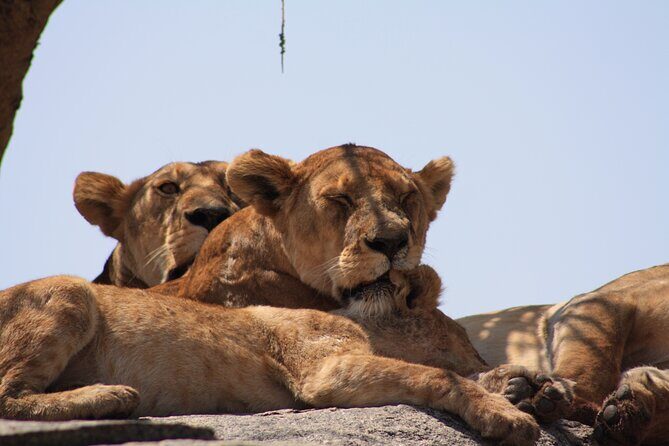
This is a camping safari, so comfort is real—but it’s practical rather than plush. From the way people describe their experience, the camp setup is organized. There are mentions of tents and sleeping bags being set up well, so you’re not stuck figuring out gear at the end of a long drive.
Food is another bright spot. Several accounts put emphasis on the quality and variety of meals, including hot lunches and day-to-day changes in dishes. That matters more than you’d think. On safari, you burn energy sitting in an exposed vehicle for hours. When meals are reliable, you feel human again instead of just tired.
What to pack (basic, but important):
- Layers for early mornings and cooler nights
- Sunscreen, hat, and water bottle
- A flashlight/headlamp for campsite walks
- Closed-toe shoes that handle dust and uneven ground
If you’re the kind of traveler who packs for the outdoors and doesn’t mind “camp life,” this tour should fit you well. If your comfort priority is a soft bed and predictable indoor climate, it may feel like too much.
Price and value: what $2,300 per person is buying
At $2,300 per person, the sticker price is high. The value comes from how the safari is constructed: it’s private, you have your own 4×4 safari vehicle, and park admission is listed as free in the tour details.
Then there’s the meal package. The included meals are substantial: breakfasts (4), lunches (5), and dinners (4) across the trip. That reduces what you’d otherwise spend day to day. You also get the structure of organized nights at campsites (including Seronera Campsite during the Serengeti portion).
What’s not included: airport/departure tax. And like any safari, you should also budget for personal expenses that aren’t spelled out here, such as drinks, tips, and souvenirs.
So who gets the best value? People booking as a couple, a small family, or a group of friends who want private control of their viewing time. In those scenarios, you’re paying for time on the trail and for having a team focused only on your group.
One more way to view it: safari time is expensive in Tanzania because it’s tied to fuel, guides, vehicle maintenance, and the actual park access. This tour’s “value math” is strongest when you plan to use the whole schedule and don’t try to cram sightseeing outside the safari days.
Best time to aim for elephants and predator odds
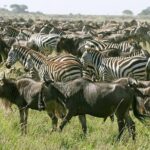
The tour description gives you one clear seasonal clue: Tarangire is especially good in the June to November dry season. That’s when visitors can expect large herds—especially large zebra and wildebeest movement tied to the dry-season conditions. It’s also a good window for elephant viewing because animals gather around limited resources.
For Ngorongoro, the advantage is different: wildlife is supported year-round by water and fodder. That means predator chances and dense sightings aren’t limited to only one season the same way some open plains viewing can be.
If you’re choosing your months, I’d treat it like this: dry season boosts the “big herds” vibe, while the crater’s year-round support helps you keep strong odds even if your dates land outside the peak drying period.
Who this safari suits best
This is a strong fit if you want:
- A focused “great parks” route without endless moving around
- Private guiding and private vehicle time
- Camping as part of the experience, not a compromise you regret
- Long game-drive blocks in Serengeti and a crater day built around dense wildlife
It can also work well for people who care about photo opportunities. Tarangire’s baobabs and elephants give iconic frames, Serengeti gives broader action, and Ngorongoro adds that dramatic crater scale.
If you hate early starts, long driving days, or outdoor sleeping, you’ll probably feel it. But if you like being on safari from morning to sunset, this plan fits the way people actually enjoy Tanzania.
Should you book this 5-day private camping safari?
I’d book it if your goal is classic Tanzania wildlife—elephants in Tarangire, big Serengeti action, and Ngorongoro’s concentrated viewing—while still keeping the trip cost-effective compared to private lodge safaris. The combination of private transport, included meals, and park access makes it easier to commit without wondering what’s missing mid-trip.
You might skip or compare other options if you need hotel-level comfort every night or if camping sounds like a deal-breaker. This isn’t a “drop by for one afternoon” safari. It’s a real five-day rhythm with camping nights and long days in the vehicle.
My final advice: when you message the provider, ask who your guide will be and what the camp setup looks like for your dates. If you get someone like Rocky, Gordon, Mandela, or Fredy on the guiding side, you’ll likely feel the difference in how much you see and how much you understand.
FAQ
What parks are included in this 5-day safari from Arusha?
The safari focuses on Tarangire National Park, Serengeti National Park, and Ngorongoro Conservation Area (including the crater). Seronera Campsite is used for overnight during the Serengeti portion.
Where do you meet and where does the tour end?
The meeting point is AIM Mall Mbauda Arusha TZ, Arusha 3424, Tanzania, and the tour ends back at the same meeting point.
Is the safari private?
Yes. It’s listed as a private tour/activity, meaning only your group participates.
Are park admission fees included?
The tour details list Admission Ticket Free for the days shown, which indicates the park admissions are included as part of the experience.
What meals are included during the 5 days?
Meals included are 4 breakfasts, 5 lunches, and 4 dinners.
Are there any costs not included in the price?
The tour lists airport/departure tax as not included.
What is the cancellation policy?
You can cancel for a full refund if you cancel up to 24 hours in advance of the experience’s start time. If you cancel less than 24 hours before, the amount paid is not refunded.