REVIEW · MOSHI
Pedal power the villages on foothills of Mt. Kilimanjaro
Book on Viator →Operated by Safari by Leo · Bookable on Viator
One ride, big views, and real village life. This mountain bike tour from Moshi takes you into the foothills of Mt. Kilimanjaro, where you pedal through banana and coffee farms and learn how Chagga families live on the land. I love that it’s active but not showy, and you get practical stops—village centers, a local school, and a market—so it feels like you’re traveling with the rhythm of the area.
What really impressed me is the way the guides teach without turning it into a lecture. Guides like Saït and Charles are patient, story-driven, and happy to explain the connections between the people, farming, and the Kilimanjaro legend. The main drawback to plan for: this tour asks for at least intermediate biking skills and moderate fitness, so if you’re not comfortable on rougher paths, you may feel behind the pace.
In This Review
- Key highlights to know before you go
- Pedal power on Kilimanjaro’s foothills: what this tour feels like
- Price and value: why $55 feels fair here
- Fitness and bike sizing: the stuff that decides whether you’ll enjoy the ride
- Kibosho Magharibi: the Chagga villages and farm life segment
- Mweka coffee plantation stop: a shorter ride, a deeper theme
- Lunch box and water: the small inclusion that makes a big difference
- Pickup, meeting points, and timing in Moshi
- Weather matters more than you think
- Who should book this tour (and who might not love it)
- The guiding style: why Saït and Charles leave good memories
- Should you book the Moshi bike tour through Chagga villages?
- FAQ
- What’s the price per person?
- How long is the tour?
- Where does the tour start and end?
- Is pickup included?
- What’s included in the tour price?
- Do I need to pay for admission tickets at the stops?
- What biking skill level do I need?
- Why do they ask for my height?
- Is it a private tour?
- What happens if weather is bad?
Key highlights to know before you go
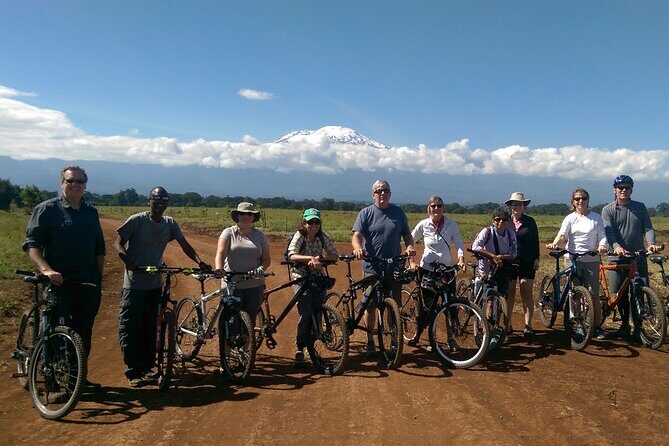
- Chagga village stops that go beyond scenery and show daily life around farm land.
- Coffee and banana farming context, with time to see plantations and hear how it all ties together.
- Two focused riding segments (Kibosho Magharibi plus a Mweka coffee plantation stop).
- Lunch included plus 1L bottled water, which matters on a half-day ride.
- Bike sizing support: tell them your height so you get a good fit for comfort and control.
- Guides with real local depth, including Saït and Charles, who keep explanations easy to follow.
Pedal power on Kilimanjaro’s foothills: what this tour feels like
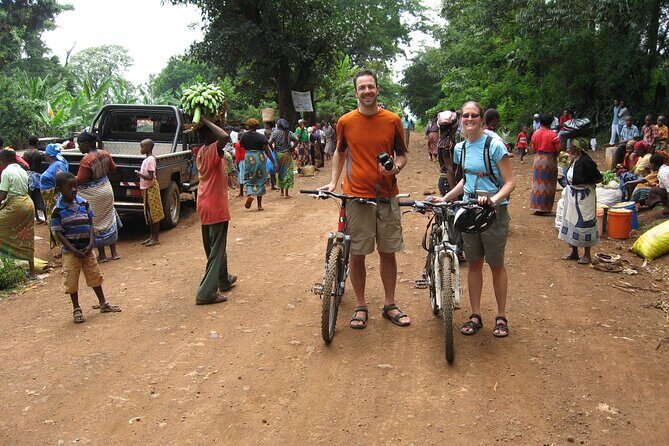
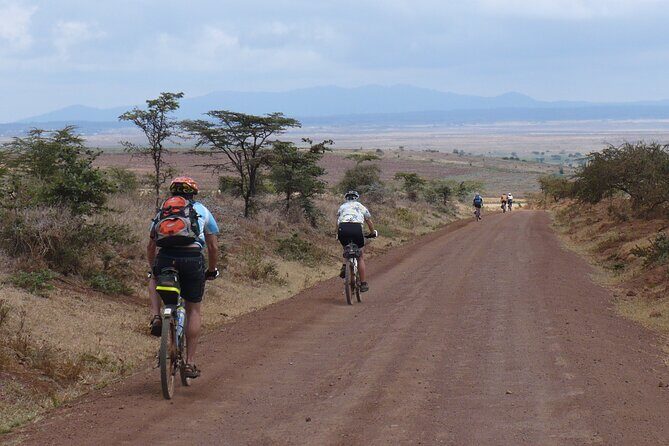
This is one of those Moshi experiences that makes sense fast. You start in town, get a bike and helmet, and then you’re moving through the foothills where the air feels different—still warm, but with a cleaner mountain edge. The ride is the delivery system for the best part: meeting the places that feed the region and the people who work them.
You’ll spend time in and out of villages, not just along a road. That means you get the slower pace of villages—short stops, small looks, and moments where daily routines take over. You’ll also learn the cultural thread: the Chagga presence on this land, coffee farming, and the legend of Kilimanjaro as people understand it locally.
Because it’s private (just your group) and guided, you’re not stuck watching other people’s decisions. I like that your guide can adapt the explanation level to your questions and your comfort on the bike.
The tradeoff is that this is not a casual cruise. You need to be ready to ride for hours with an active schedule and some off-road or farm-path feel. If you like biking, you’ll probably love it. If you’re hoping for a mostly flat, seated sightseeing stroll, consider a slower option in Moshi.
You can also read our reviews of more tours and experiences in Moshi.

Price and value: why $55 feels fair here
At $55 per person, the value is in what’s included and how much time you get outside. You’re not just paying for a guide’s presence—you get the full riding package: bicycle, helmet, and an MTB guide, plus lunch (lunch box) and 1L bottled water. That’s important because half-day tours in the region often nickel-and-dime you for basic necessities once you’re out of town.
What you don’t get is the private ride to/from the start. The tour offers pickup, but it also notes that private transportation isn’t included. Practically, that means you should plan to meet at the start point (Mr. Price Village on Kilimanjaro Rd) unless pickup arrangements have been confirmed for your group.
You also get a mobile ticket, so you’re not stuck with paper logistics. And because the experience is guided and private, the money goes toward your time together, not toward large crowds or long waiting periods.
Fitness and bike sizing: the stuff that decides whether you’ll enjoy the ride
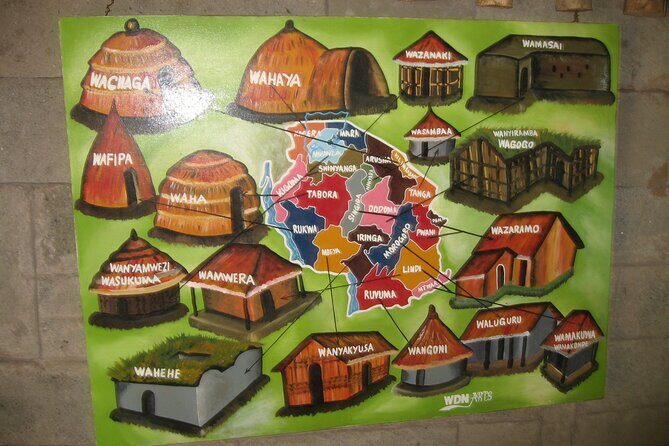
This tour clearly expects you to be capable on a mountain bike. The requirement is at least intermediate skills and fitness. “Intermediate” here matters because the route passes through farm areas and village sections where surfaces may not feel like a paved path.
Before you go, do two things:
- Tell them your height so you get the right bike size. They specifically ask for height details to match you with a good frame fit.
- Be honest about your biking comfort. If you rarely ride off-road or you get nervous on uneven ground, expect you’ll work harder than you think.
Helmet is included, which is great. You’ll also want closed-toe shoes with grip (you’ll be transferring between bike and walking at short stops). Light rain can change surfaces, so check conditions day-of.
If you’re physically steady and bike-confident, the tour feels fun and efficient. You’re moving through places you’d never see at walking speed, and you’re learning while you go.
Kibosho Magharibi: the Chagga villages and farm life segment
Your longer riding-and-learning block starts in Kibosho Magharibi, where the focus is culture, farming, and how people share the land’s rhythms. You’ll spend about 3 hours here with regular stops at village shopping centers, plus time around a local school and market. That sequence matters. It prevents the tour from becoming “photo stops only.” Instead, you’re seeing how the community connects through everyday places.
You’ll also move through banana and coffee farm areas. In practice, this is where the tour becomes more than a scenic bike ride. You’re seeing the farming environment that supports the Chagga people, and you’re hearing about how coffee is part of the region’s story. It’s not presented as a single factoid; it’s woven into explanations about local life and the land.
You’ll learn:
- The ways of the Chagga tribesmen who inhabit this sacred land
- Coffee and its place in Tanzanian life
- The legend of Kilimanjaro as people talk about it locally
The best part is that you’re not reading a sign. You’re hearing explanations from a local MTB guide, which tends to make the information stick. In the tone of real guiding, questions feel welcome rather than disruptive.
The possible drawback of this segment is time and energy. Three hours sounds reasonable, but you’ll do it actively, with frequent stop-start moments. If you’re even slightly out of practice on a bike, this is the segment where your legs will tell you the truth.
Mweka coffee plantation stop: a shorter ride, a deeper theme
After Kibosho Magharibi, the tour shifts to Mweka for about 1 hour. This part is more focused: sightseeing at a coffee plantation and learning about coffee’s history in Tanzania.
This hour works like a “connect the dots” session. You’ve already been seeing banana and coffee farming areas. Now you get a more specific coffee viewpoint and the historical angle that helps you understand why coffee is such a strong part of the area’s identity.
Admission is listed as free for the stops, so you’re not dealing with extra ticket fees during the experience. The time is short enough that you won’t feel drained, but long enough that you won’t miss the explanation.
This is also a good moment to ask your guide to compare what you’re seeing with what you heard earlier—coffee production is the thread, and you’ll likely leave with a clearer sense of how the region thinks about it.
Lunch box and water: the small inclusion that makes a big difference
Food is included: a lunch box and 1L bottled water. On a 5 to 6 hour activity, this matters more than it sounds. When you’re biking, you don’t want to gamble on finding something quick at the right time. Having lunch planned keeps the day smooth.
From one traveler’s experience, the lunch was enormous, which is the best kind of surprise. Even if your appetite runs moderate, you’ll likely be happy you don’t have to search for meals mid-ride.
Practical tip: keep water handy during the ride. Even if you feel fine at the start, you’ll likely get thirsty once you combine sun, movement, and stop-and-go biking.
Pickup, meeting points, and timing in Moshi
The meeting point is Mr. Price Village, Kilimanjaro Rd, Tanzania. The tour ends at Coffee Union Cafe in Moshi town (at the provided Arusha Rd / Lindi Street pin). You’ll be back in town after the ride, which helps if you have plans for dinner later.
The tour runs in a daily window listed as 8:30 AM to 2:30 PM, and the overall duration is about 5 to 6 hours. That timing is ideal for a Moshi day because it uses daylight and still leaves you with enough evening flexibility.
Pickup is offered, so you might not have to fight town traffic to reach the start. Still, private transportation isn’t included, so confirm pickup details when you book if you want to avoid arranging your own ride.
If you’re using local transit, it’s noted to be near public transportation, which is helpful for independent planning.
Weather matters more than you think
This experience is weather-dependent. It says it requires good weather, and if poor weather cancels the tour, you’ll be offered a different date or a full refund.
For you, that means don’t lock in tight commitments right after. If the day shifts, you’ll want a buffer. Also, rain can change the feel of farm paths and village edges, so good riding conditions are a real part of the tour quality.
Who should book this tour (and who might not love it)
I’d recommend this ride if you:
- Like mountain biking or are at least comfortable on moderately challenging routes
- Want culture plus farming context, not just views
- Enjoy learning from a guide who explains daily life and not only tourist highlights
- Want an active way to experience Moshi beyond the usual town stops
You might think twice if you:
- Are a beginner at mountain bikes and you’re not sure about uneven surfaces
- Don’t want a physically active half-day
- Prefer purely paved roads and long rest breaks
This isn’t a bad choice for couples, friends, or solo travelers, either. Because it’s private, your pace and questions can stay in your group’s control.
The guiding style: why Saït and Charles leave good memories
The difference-maker in this kind of tour is how the guide handles pacing and explanation. You’ll likely meet guides connected with Safari by Leo, and you may get someone like Saït or Charles, both known for teaching with patience.
From their approach, you can expect:
- Clear history and culture explanations linked to what you’re seeing
- A calm tone that helps if you aren’t an aggressive cyclist
- Honest answers about the legend of Kilimanjaro and why coffee matters locally
If you’re someone who likes to ask “why” questions, you’ll probably get satisfying answers here. The tour isn’t just moving you around—it’s translating the area while you ride.
Should you book the Moshi bike tour through Chagga villages?
Book it if you want an experience that’s practical, guided, and grounded in real place. At $55, with bike + helmet + lunch + 1L water + a mountain bike guide, it’s a strong value for a half-day that teaches you while you move. It’s also a good match for people who want authenticity without going full “survival mode.”
I’d hesitate only if your biking comfort is low or you’re expecting a relaxed, easy ride on smooth roads. The tour asks for intermediate skills and moderate fitness for a reason—it’s how you reach farm and village areas efficiently.
If you’re ready for that, you’ll come away with more than photos. You’ll understand coffee farming and Chagga life as part of the Kilimanjaro story, with a guide who keeps the day friendly and clear.
FAQ
What’s the price per person?
The price is $55.00 per person.
How long is the tour?
It runs about 5 to 6 hours total.
Where does the tour start and end?
It starts at Mr. Price Village on Kilimanjaro Rd in Moshi and ends at Coffee Union Cafe in Moshi town.
Is pickup included?
Pickup is offered, but private transportation is not included. You should confirm pickup details when booking.
What’s included in the tour price?
Inclusions are a lunch box, bottled water (1L), use of a bicycle, a helmet, and an MTB guide.
Do I need to pay for admission tickets at the stops?
Admission tickets are listed as free for the stops.
What biking skill level do I need?
The tour requires at least intermediate mountain biking skills and a moderate fitness level.
Why do they ask for my height?
They ask for your height size so they can provide a good bike size for you.
Is it a private tour?
Yes. It’s private, and only your group participates.
What happens if weather is bad?
The tour requires good weather. If canceled due to poor weather, you’ll be offered a different date or a full refund. You can cancel up to 24 hours in advance for a full refund.