REVIEW · ARUSHA
Off the Beaten Track Safari in Arusha Tanzania
Book on Viator →Operated by Tanzania Wildlife Adventures · Bookable on Viator
A walking safari and big-name parks.
What makes this 7-day Arusha safari feel special is the mix of classic wildlife stops and time in quieter places—plus the walking safari around Ikoma Wild Camp for a close-up, no-barriers view of the savanna. I also like how the trip is built around strong guiding—people highlight guides like Marck, Mustapha, and Martin as the difference-maker when it comes to finding animals and reading what’s about to happen. One thing to think about: you’ll be in the vehicle a fair bit between parks, and that means early mornings and a more hands-on pace.
You get the small-team feeling without the chaos. The route hits Tarangire, Serengeti, Ngorongoro Crater, and Lake Manyara, and the stops are spaced so you’re not just sprinting through. Lodging is described as beautiful and calm, with some nights in or near park areas and others just outside for a bit more comfort.
Possible drawback? The itinerary is wildlife-forward, so if you’re hoping for a lot of free time, spa moments, or slow sightseeing, this may feel busy. Also, the walking safari portion is your reminder that this is a real safari—comfortable shoes and a flexible mindset help.
In This Review
- Key things I’d book for on this safari
- Day 1 in Arusha: getting oriented at Springlands
- Tarangire National Park: dry-season magic and river drama
- Serengeti start plus Olduvai Gorge: nature meets human origins
- Second Serengeti day: picnic pace, plus walking or night safari options
- Ngorongoro Crater day: black rhinos, lions, and birds at the waterline
- Lake Manyara: tree-climbing lions and a quieter ecosystem feel
- Why the guiding seems to drive the whole trip
- Lodging style: beautiful, calm bases with park-and-near-park variety
- Pricing: is $2,500 per group good value?
- What to expect day to day (without the guesswork)
- Practical tips so you enjoy the walking and the long drives
- Should you book this Off the Beaten Track safari?
- FAQ
- What parks are included in the safari?
- What happens on the first day in Arusha?
- Is pickup offered?
- What is included in the price?
- What is not included?
- How many people are in the group?
Key things I’d book for on this safari
- Walking safari at Ikoma Wild Camp for a slower, close-range way to experience the bush
- Guide-driven game viewing, with multiple praised guides mentioned in feedback (Marck, Mustapha, Martin)
- Dry-season best timing at Tarangire, when animals concentrate at water
- Big wildlife moments in big places: Serengeti drives, Ngorongoro Crater game viewing
- Strong lodge base with garden/pool-style relaxation in Arusha and calm stays during park days
- Small-group feel (the activity info notes a maximum of 6 travelers, even though pricing is listed per group)
Day 1 in Arusha: getting oriented at Springlands
Your safari starts in Arusha, with a pickup-style welcome from the Tanzania Wildlife Adventures team and a driver waiting at Kilimanjaro Airport holding a name sign. From there, you transfer to Springlands hotel, and that first night matters more than you might think. After a flight day, having a calm base helps you wake up sharper for the first park drive.
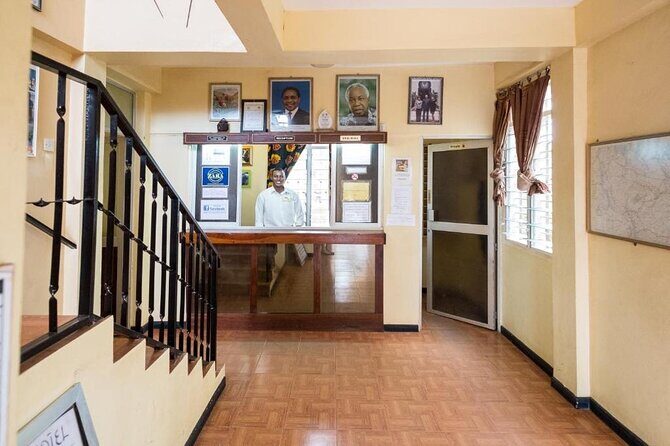
Springlands is described as peaceful, with a swimming pool, garden setting, and a bar/restaurant on-site. You also get a pre-safari briefing so you know how the days will run and what to expect out on the roads and in the parks.
If you’re the type who likes to understand the plan before the action begins, you’ll appreciate this. It’s not a lecture; it’s the kind of briefing that helps you get your bearings fast once the safari starts.
A few more Arusha tours and experiences worth a look
Tarangire National Park: dry-season magic and river drama
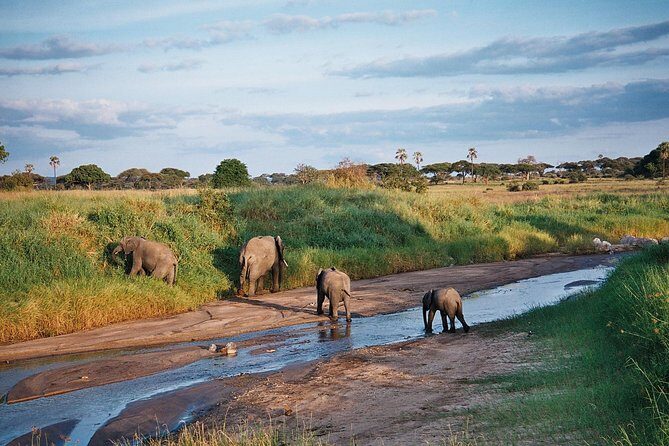
On day 2, you head to Tarangire National Park, which is a standout in the dry season. The big reason is the Tarangire River—it pulls wildlife together as the landscape dries out and water becomes the main currency.
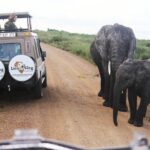
This is where you’re likely to see huge herds moving with purpose: wildebeest and zebra, plus elephants and animals like eland and oryx. Even if you’ve seen elephants before, Tarangire can still surprise you because the herds feel dense and active near the water.
One practical note: dry-season drives can be dusty and bright. Bring sunglasses, protect your skin, and expect some grime in the vehicle the moment you step out.
Overnight is at Highview Coffee Lodge or similar, giving you a change of pace from Arusha and a comfortable reset after a day of wildlife searching.
Serengeti start plus Olduvai Gorge: nature meets human origins
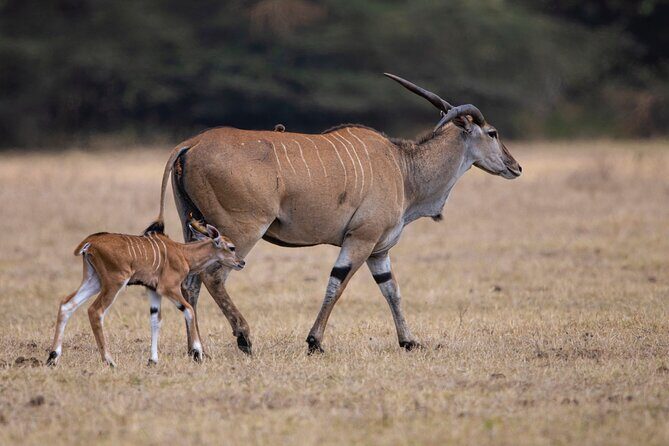
Day 3 takes you to Serengeti, with a drive route via Olduvai Gorge, described as an optional 15-minute stop. Olduvai is an archaeological site tied to early human fossils and the larger Rift Valley story, so it gives your trip a wider lens than animals alone.
Serengeti is reached after the drive, and your first day in the park is about settling in and finding the right areas. In places like this, your guide’s judgment matters: where to position the vehicle, when to pause, and how to interpret movement in the grass.
You overnight at Serengeti Safari Lodge or similar. That park-adjacent setup is often useful because you can start the next day without losing time to long transfers.
Second Serengeti day: picnic pace, plus walking or night safari options
Day 4 is another Serengeti day, built around game viewing with a picnic lunch. The idea here is simple: you don’t rush from stop to stop; you spend enough time in each area to give the ecosystem a chance to deliver. Serengeti is famous for animal concentration, but the real win is how often your viewing changes as animals wander, hunt, or regroup.
This is also where the trip mentions options—walking safari or night safari can be added depending on what’s offered during your dates. That’s important because day wildlife and nighttime wildlife are different worlds. If you can handle the evening conditions, night drives can add another layer to your “I came for animals” checklist.
And this is where the overall experience connects to the walking safari around Ikoma Wild Camp from the trip features. Expect a more personal connection with the bush—different from sitting in a vehicle—where small details (tracks, sounds, movement) matter just as much as sightings.
Overnight is again at Serengeti Safari Lodge or similar, so you stay in the same overall rhythm: early start, long viewing time, then a recharge night close to where you’ll be driving again.
Ngorongoro Crater day: black rhinos, lions, and birds at the waterline
Day 5 moves you to Ngorongoro Crater, with a game drive inside the crater. This is one of those days where anticipation runs high because the crater’s closed setting can make wildlife feel more “stacked” and easier to focus on.
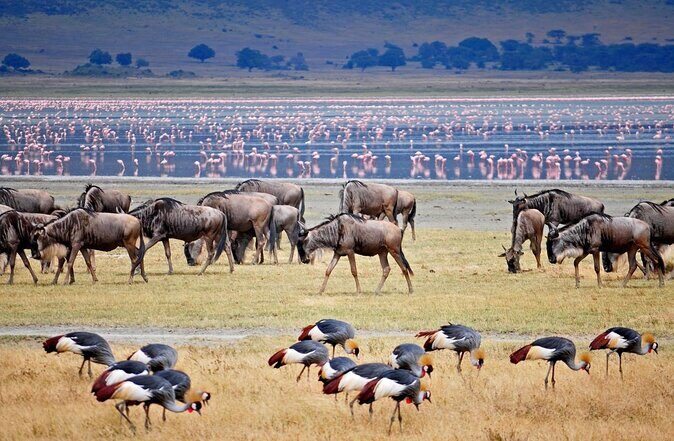
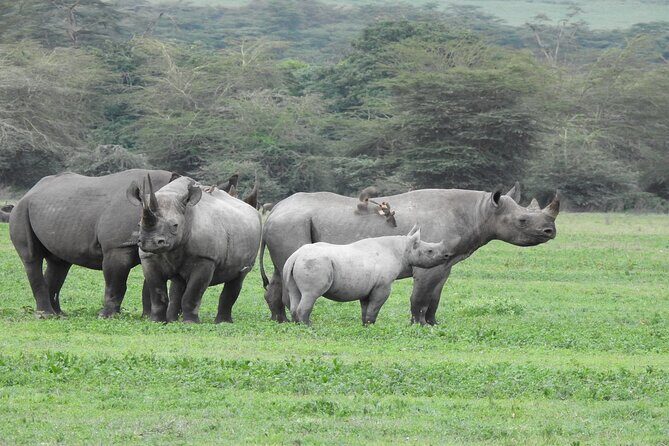
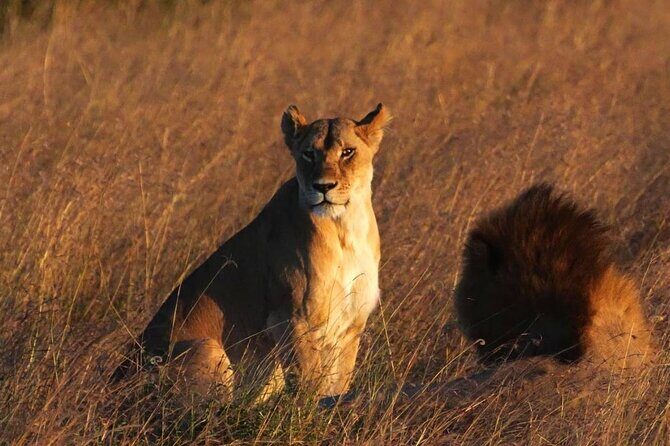
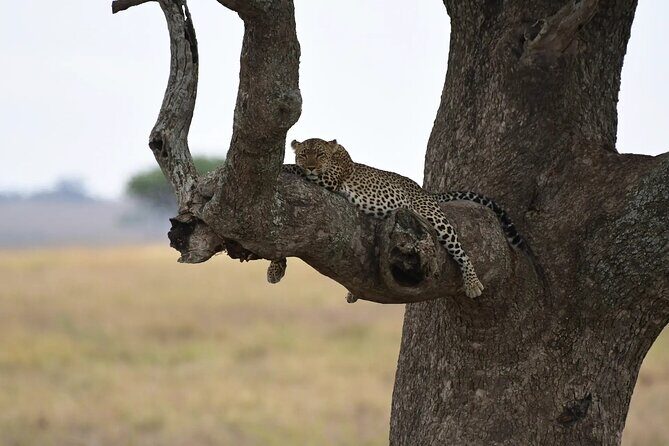
The standout wildlife mentioned for this day includes black rhinos and lions. You also get flamingos and water birds, which means it’s not only about the big cats and rhinos. Depending on what the day brings, you may see leopard, cheetah, hyena, and smaller mammals as well.
One consideration: crater drives involve lots of stop-and-watch moments, plus sun and shade shifts. Pack for both heat and cool air, and stay patient when the action is slow—Ngorongoro often rewards calm scanning over frantic chasing.
You overnight at Highview Coffee Lodge or similar again, which gives you a break from the immediate crater area while keeping the safari moving in a sensible way.
Lake Manyara: tree-climbing lions and a quieter ecosystem feel
Day 6 is Lake Manyara National Park, near the Rift Valley. Lake Manyara stands out because it includes different ecosystems close together: acacia forests, grassy plains, and a swampy delta, plus the lake itself.
That mix helps with variety. You might find buffalo, impala, giraffe, warthogs, hippos, and elephants in the same day’s general region. The park is also known for rare tree-climbing lions, so if that’s a bucket-list item for you, this is the day you’ll be glad the route includes Manyara.
Birding can also be a big part of the experience here, since Lake Manyara is linked to water and that draws wildlife and birds. If you enjoy wildlife photography, this park can give you calmer “work the scene” opportunities instead of only fast chase moments.
Overnight returns to Springlands Hotel or similar, which is a nice landing after crater driving and long days in the field.
Why the guiding seems to drive the whole trip
If I boil down what people celebrate in this safari, it’s not just animals—it’s how the day is managed. Multiple pieces of feedback mention the office planning and guides by name, including Patrick (planning) and guides like Mustapha and Martin. Another guide name that shows up is Marck, and the theme is consistent: the guiding helps you turn time into sightings.
In real safari terms, that means:
- The guide has the patience to keep searching when sightings are quiet
- They’re able to work long days without losing focus
- They help you understand what you’re seeing so it feels more meaningful than a checklist
Also, safety is mentioned as a priority. That matters most on long drives and in walking segments, where you need rules to be clear and consistent.
Lodging style: beautiful, calm bases with park-and-near-park variety
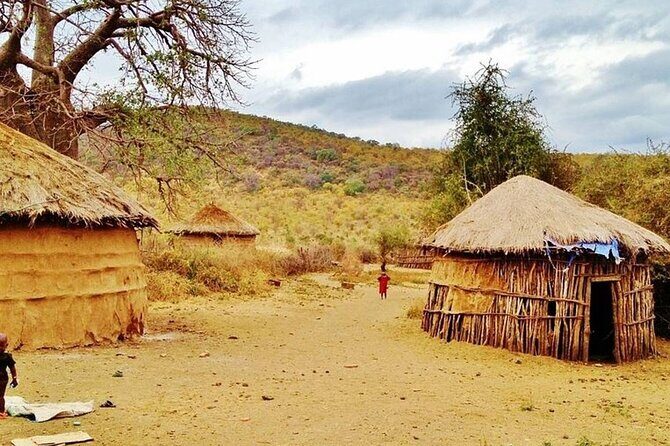
The hotels/lodges in this trip are described as beautiful, with attractive surroundings and a sense of tranquility. Some stays are located inside park areas, while others are outside the parks. That’s common in Tanzania, and it can be a good thing when balanced well.
Inside-or-near park nights are useful for early starts. Outside-park nights can feel more relaxed when you want showers, a dinner that tastes like you planned your day around it, and a place to decompress.
Springlands in Arusha is specifically described with amenities like a pool and garden space, which is a comfort upgrade on day 1 and day 6.
Pricing: is $2,500 per group good value?
The price is listed as $2,500 per group (up to 15). Meanwhile, the activity info notes a maximum of 6 travelers. In practice, your value can vary a lot depending on the actual group size you end up with, so it’s worth confirming how many people will be in your vehicle.
What you’re getting for the money is also meaningful:
- All fees and taxes are included
- Park visits are covered as part of the included fees
- Meals are included broadly: breakfast (6), lunch (6), dinner (5)
- Pickup is offered, and you’ll have a mobile ticket
Not included are insurance and flights (international and local). That’s standard, but it’s still a real cost item to plan for.
So is it worth it? If you care about hitting major parks with a guide that you know is being praised by name, plus adding a walking safari component, the package looks designed for people who want more than drive-by sightseeing. The only true “value risk” is if your group ends up larger than expected; that can affect comfort during drives and how much flexibility your guide has for timing.
What to expect day to day (without the guesswork)
Here’s the vibe you should plan for across the week:
- Day 1: arrival, transfer, briefing, then a calm lodge night in Arusha
- Day 2: Tarangire game viewing, focused on dry-season concentrations
- Day 3: transfer through Olduvai Gorge, then Serengeti game viewing
- Day 4: more Serengeti time, picnic lunch, and options like night/walking (when available)
- Day 5: Ngorongoro Crater game drive with classic targets and birdlife
- Day 6: Lake Manyara’s varied habitats, including a shot at tree-climbing lions
- Day 7: back to Arusha for your flight home
If you like structure, this will feel reassuring. If you hate long travel days, you should mentally budget for the time on the road.
Practical tips so you enjoy the walking and the long drives
The trip includes a walking safari element around Ikoma Wild Camp, plus standard big-park drives. That combination means you should pack like you’re going on an outdoor day every day.
I’d plan for:
- Comfortable walking shoes (you’ll be on your feet during walking time)
- Layers for changing temperatures between morning drives and lodge evenings
- Sun protection (hat, sunglasses, sunscreen), especially in dry-season parks
- A small day bag so you’re not digging through luggage during game stops
Photography helps here. Wildlife can show up suddenly, and you don’t want to be fumbling. Also, keep your patience cap on—some days your best sighting comes after a calm stretch.
Should you book this Off the Beaten Track safari?
You should book if you want a safari that mixes big-ticket wildlife areas with time that slows down enough to feel real. The walking safari around Ikoma Wild Camp is the kind of add-on that often makes the whole trip stick in your memory. I’d also lean toward it if you care about guidance quality—feedback highlights named guides and planning support, and that’s exactly what you want when wildlife timing is never guaranteed.
I wouldn’t book if you need lots of personal downtime or you’re uncomfortable with long driving days. This is a “see a lot and do it properly” route, not a relaxed hotel-hopping tour.
If you can confirm the group size that will actually be in your vehicle and you’re ready for a full week in the field, this looks like a strong value play for a Tanzania safari circuit.
FAQ
What parks are included in the safari?
The safari includes Tarangire National Park, Serengeti National Park, Ngorongoro Crater game viewing, and Lake Manyara National Park.
What happens on the first day in Arusha?
On day 1, you arrive in Arusha from Kilimanjaro Airport, transfer to Springlands hotel, enjoy a meal, and receive a pre-safari briefing.
Is pickup offered?
Yes. Pickup is offered, and the tour includes a transfer from Arusha/arrival points as described in the trip start.
What is included in the price?
The price includes all fees and taxes, and meals are listed as breakfast (6), lunch (6), and dinner (5). A mobile ticket is also mentioned.
What is not included?
Insurance and international or local flights are not included.
How many people are in the group?
The price is listed per group up to 15, and the activity info also notes a maximum of 6 travelers.