REVIEW · ARUSHA
5 Days Tanzania Safari- Tarangire Np, Serengeti Np and Ngorongoro Crater
Book on Viator →Operated by Premium Safaris Africa · Bookable on Viator
Arusha is the kind of starting point that sets the tone fast. This 5-day Tanzania safari is built around classic wildlife country, with private-vehicle game drives and comfortable lodging that keeps the focus on sightings, not logistics.
I really like how the trip mixes big wildlife moments (Serengeti and Ngorongoro) with a more human pace: you’re not stuck in a huge crowd, with a maximum of 6 travelers. I also like the “all-in” setup—breakfast, lunch, dinner, and admission are handled, so you can budget once and relax.
One possible drawback to plan for: you’ll spend real time on the road between parks. On top of that, some days run long game-drive blocks (including a full day in Serengeti), so if you get antsy in a vehicle, this route may feel demanding.
In This Review
- Key highlights I’d circle before you book
- Arusha first: getting your bearings in the safari capital
- Serengeti after the drive: your first big-picture game drive
- A full Serengeti day plus the hippo pool: how the season changes what you see
- Ngorongoro on a tight schedule: 08:00 starts and crater viewing
- Departure day with Masai Central Market and one last crater drive
- Comfort category lodging: the sweet spot between convenience and camping
- What $2,388.47 really covers on this safari
- Guide quality: why small-group safaris feel personal
- Who should book this safari, and who should think twice
- Should you book this 5-day Tanzania safari?
- FAQ
- How long is this Tanzania safari?
- Where do we start?
- What locations and parks are included?
- Do you provide pickup?
- What group size is this safari?
- Are meals included?
- Are park admission fees included?
- What costs are not included?
- What is the cancellation policy?
- Is there anything scheduled on the last day besides wildlife?
Key highlights I’d circle before you book
- Private vehicle, max 6 travelers: easier viewing and more flexible guiding.
- Serengeti time in two formats: an afternoon drive plus a longer full day.
- Seasonal migration context: you’ll get practical explanations for when herds are more likely to be visible.
- Ngorongoro with an early rhythm: morning driving helps you beat the crowds and heat.
- Comfort category stays: hotel in Arusha/Moshi plus safari tented camps.
- Guide-driven experience: the guides’ personalities and knowledge show up again and again in feedback.
Arusha first: getting your bearings in the safari capital
Your safari starts with pickup and a warm welcome in the Arusha region after you land at Kilimanjaro International Airport. Arusha sits about 1,400 meters up, and that elevation typically means more comfortable temperatures than you’d expect in Tanzania. It’s also a smart place to begin because it’s positioned as a hub for safari circuits—good for orientation after travel and for a smooth handoff to your driver-guide.
If you’re the type who wants a clean start—check-in, briefing, and then straight into the wildlife schedule—this trip’s opening day is designed for that. The pacing keeps you from feeling like you’ve arrived only to be shoved into a long drive immediately.
One detail I like: this isn’t just a generic transfer. Your driver-guide is there to introduce you to Arusha and the safari flow, and that kind of early context makes the later national park days feel less like random stops.
A few more Arusha tours and experiences worth a look



Serengeti after the drive: your first big-picture game drive
After breakfast, you’re headed toward Serengeti National Park, with the day starting from Arusha/Moshi and then transitioning into game-drive time. The route is described as a long journey, so think of this day as a classic “travel day that ends with wildlife.” When you reach Serengeti, you’re set for an afternoon drive, which is a useful way to get your eyes trained on the landscape and animal behavior before deeper time in the park later.
Serengeti is presented as a UNESCO World Heritage Site and one of Tanzania’s most celebrated parks. Practically, that matters because it’s exactly the kind of place where first-time safari visitors want “lots of wildlife, lots of variety,” and this schedule is built around that expectation: you’re going in for an afternoon drive once you arrive, not a half-hearted stop.
The main consideration here is timing. Afternoon drives are great, but you might see fewer animals than you would on an early morning outing. Still, as a first contact with Serengeti, it’s a solid way to get your bearings quickly and start learning the rhythm of spotting.
A full Serengeti day plus the hippo pool: how the season changes what you see
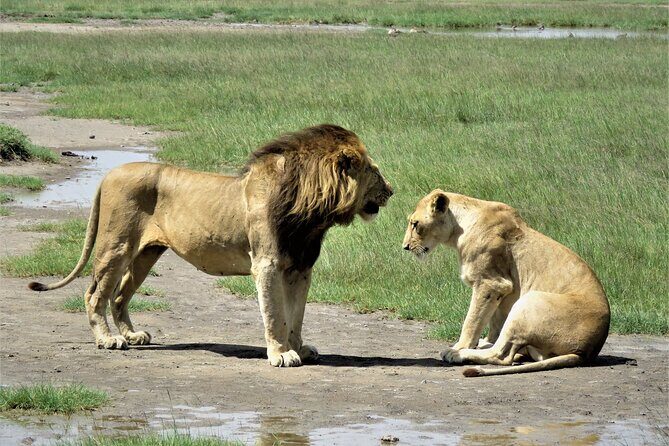
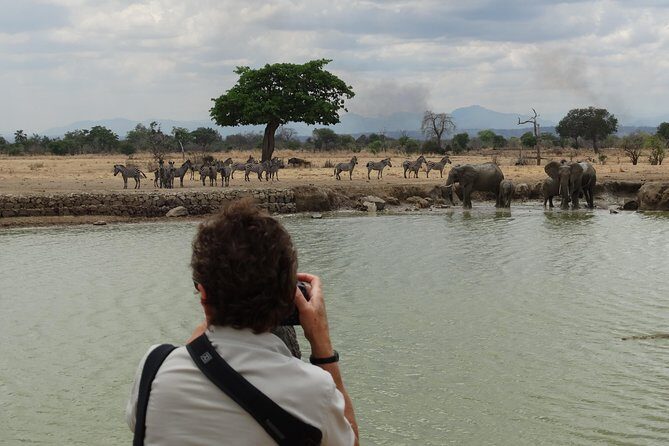
This is the day that turns the trip into a real Serengeti experience rather than just a highlight stop. After breakfast, you get a full day on game drives and lunch at a picnic spot en route. The schedule also explicitly mentions a hippo pool stop, which is a nice change of pace from only scanning for big cats and grazers. If you enjoy watching animal routines—what’s active, what’s resting, what’s clustered—you’ll likely appreciate the variety of targets.
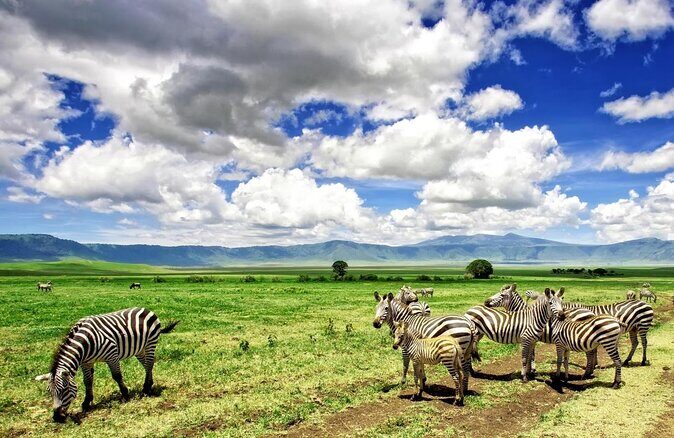
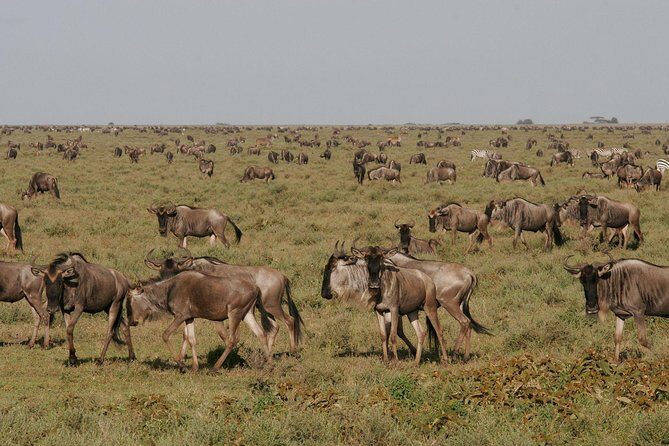
The standout planning factor is the migration timing. The trip notes that if conditions align with the season, you might see the great movement of wildebeests, zebras, and Thompson gazelles. It also gives you a practical seasonal framework: during the small rainy season around October and November, herds are typically moving through the northwest toward the southern plains; after the great rains around April, May, and June, the herds trend back through western and north-western areas.
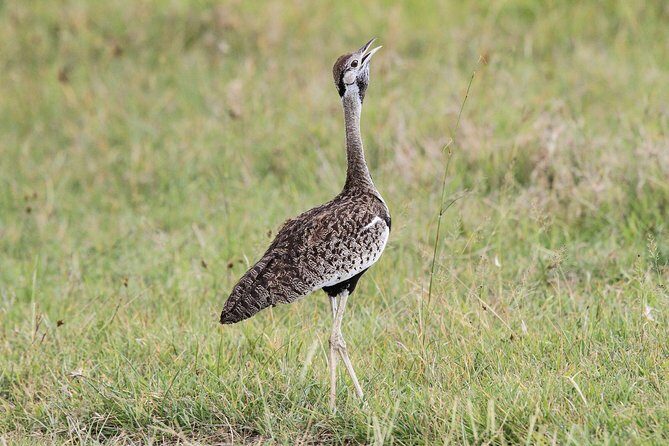
Here’s how to use that information without overthinking it: don’t treat migration as a guarantee. Treat it as a higher-probability window, and lean into the “all wildlife, all day” strength of Serengeti instead. Even without a migration spectacle, a full day drive gives you time to find predators, more grazing patterns, and lots of birdlife.
Also, this is a long day (the schedule lists it as a 10-hour day block), so it helps to pack for comfort: sun protection, water habits that work for you, and something warm enough for early/late chill if temperatures shift during your driving hours.
Ngorongoro on a tight schedule: 08:00 starts and crater viewing
Day 4 is built like a two-act day. You wake up for an early start—08:00—for a morning game drive in Serengeti, and then you move toward Ngorongoro later. That structure makes sense: it lets you capture the best light and animal activity window in Serengeti, then pivot before the day slips away.
Then comes Ngorongoro Crater, described as a volcanic caldera (the world’s largest) with a mix of grassland, forest, and swamp. What makes this crater concept feel special on a safari is the “contained world” feeling—different habitats in one bowl. You’re not just driving through a plain; you’re checking ecosystems stacked together.
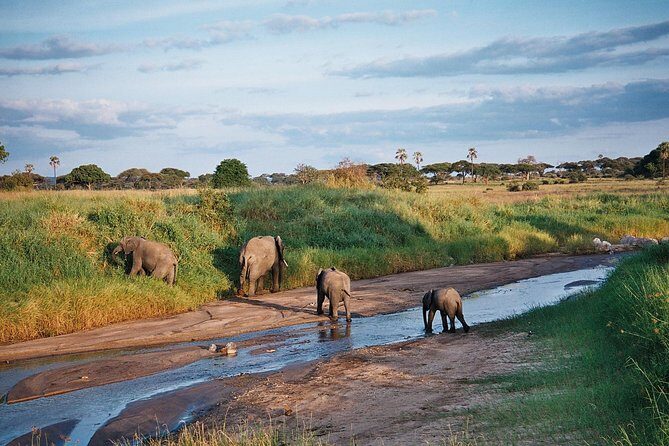
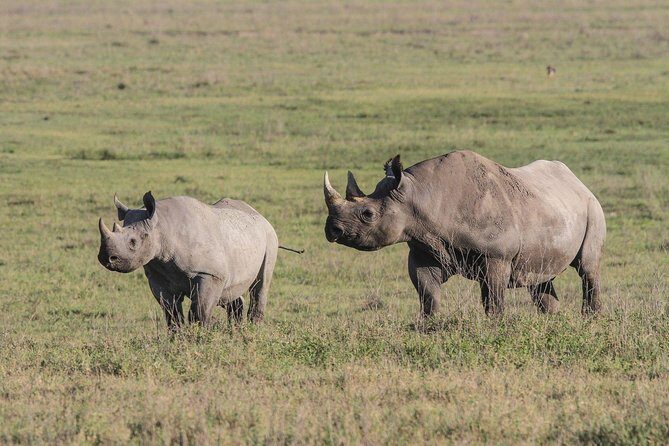
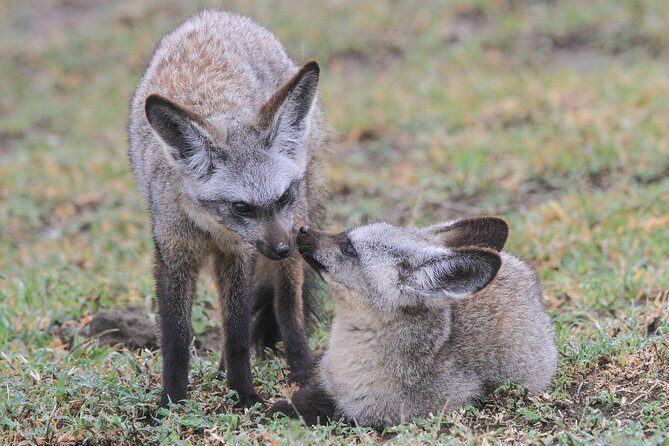
The trip also frames Ngorongoro as a place with resident wildlife supported by permanent water on the crater floor, including large mammals like elephant, lion, leopard, hyena, jackal, wallowing hippo, waterbuck, baboons, and the rare black rhino (not guaranteed, but listed as part of the crater’s attraction). That’s helpful because it tells you what to keep an eye out for, not just what to hope for.
One more practical note: this day is long and movement-heavy. You’ll want a flexible mindset—your time is split between spotting and repositioning—and it pays off.
Departure day with Masai Central Market and one last crater drive
Your final day starts with an early morning game drive in the crater. The schedule also calls out Ngorongoro as a “wonder” and repeats the idea that the crater’s combination of beauty and concentrated wildlife is the reason people plan these safaris in the first place.
After that crater time, the day includes a stop at Masai Central Market. That’s a straightforward add-on for picking up local crafts or gifts, and it also gives you a moment to switch gears from the strict game-drive routine to a more market-style cultural stop. If you prefer to keep shopping light, you can treat it as a chance to browse rather than a mandatory spending mission.
If you’re thinking about timing, remember that departure day activities can compress your buffer for extra stops. This is why the earlier days feel “full”: the final day closes with both wildlife and a market stop, then turns toward home.
A few more Arusha tours and experiences worth a look

Comfort category lodging: the sweet spot between convenience and camping
This safari uses a “Comfort” approach to lodging. You’ll have a combination of a hotel in Moshi/Arusha and safari tented camps in Tarangire, Manyara, Serengeti, and Ngorongoro. Even without going into luxury claims, the structure matters: you get a level of comfort that keeps you rested for early starts, while still sleeping in places designed for safari life.
Why that matters for your experience: game drives are demanding—spotting, sun, dust, and the simple fact that you’re awake and scanning for hours. Comfortable sleeping arrangements and hot meals (included) make it much easier to stay sharp the next day.
Also, the trip is not presented as a solo wilderness slog. It’s positioned as a guided, organized circuit with predictable meals and included admissions. That’s a comfort feature in its own right.
What $2,388.47 really covers on this safari
This price—$2,388.47 per person—is the kind of number where you should ask one question: how much is already handled? On this trip, you’re told it’s “all inclusive” and that meals are included: breakfast, lunch, and dinner across multiple days (4 of each listed). Admission tickets are also listed as free, which matters because national parks can add up quickly when you’re comparing safari packages.
You’ll also benefit from the private-vehicle setup. Paying extra for private transport usually gives you two things: more control over where you stop within the park and a less chaotic viewing experience than you’d get with bigger groups.
What’s not included is the parts people often forget to budget: personal items, flights, and tips for guides. That last one is worth thinking about because a good guide makes a major difference, and you’re explicitly guided to consider tipping in the cost picture.
Bottom line on value: this isn’t just “transport + beds.” It’s a structured wildlife circuit where core costs (meals and park admissions) are handled, and your main variable becomes whether wildlife sightings match your expectations in the season you travel.
Guide quality: why small-group safaris feel personal
One theme shows up clearly in the feedback: the driver-guide matters. The reviews reference guides like Freddy, Manase, David, and Rasta Carlos, and the consistent message is that these guides were organized, careful, and genuinely invested in making the days work.
For example, Freddy is mentioned as setting expectations early in a friendly way—making the group feel more like a shared trip than a formal tour. David is described as humorous, energetic, and super knowledgeable. Manase is praised for being fast to answer questions during the booking process. Rasta Carlos is noted for meeting people in Arusha and even showing them around town to find nice, inexpensive options.
Even if the guide you get isn’t one of those specific names, the pattern is what you should care about: this trip’s reputation is tied to guide personality and service, not only to wildlife density.
Also, the small group size (max 6 travelers) makes that human attention more likely. You’re not just a face in a van.
Who should book this safari, and who should think twice
This is a strong match if you want:
- First-time safari energy with classic destinations: Serengeti and Ngorongoro are front and center.
- A trip that prioritizes wildlife time while still keeping lodging and meals comfortable.
- A smaller group where you can actually hear the guide and not fight for vehicle space.
It may be less ideal if:
- You strongly dislike long driving days. This route is built around transfers between parks, including a longer ride to Serengeti early on.
- You want a very flexible, unstructured adventure. This is organized and scheduled, with specific drive blocks and a market stop on the last day.
Should you book this 5-day Tanzania safari?
If you’re aiming for a classic Tanzania wildlife circuit with private guiding, included meals and park admissions, and comfortable lodging, this is an easy “yes to consider.” The schedule also protects you from the common safari mistake of doing too little time in Serengeti—here you get both an afternoon introduction and a longer full day, plus crater time with early energy.
Before you book, do two practical checks:
- Pick your travel month with migration expectations in mind, using the seasonal window the trip describes.
- Decide if you’re comfortable with long driving and long game-drive blocks, because this itinerary is built to maximize wildlife hours.
If that sounds like your kind of safari, this is a solid, value-minded way to see the big Tanzanian icons without turning the trip into a constant logistics puzzle.
FAQ
How long is this Tanzania safari?
It’s a 5-day safari experience, starting from the Arusha/Moshi area and following a multi-day wildlife schedule across national parks.
Where do we start?
The tour starts in the Arusha region. You’ll be welcomed after arriving at Kilimanjaro International Airport and then escorted to your hotel.
What locations and parks are included?
This safari is described as visiting Tarangire National Park, Lake Manyara, Serengeti National Park, and Ngorongoro Crater.
Do you provide pickup?
Yes. Pickup is offered, and the tour begins with an airport welcome and escort to your chosen hotel.
What group size is this safari?
The tour has a maximum of 6 travelers, and it’s run with your own private vehicle.
Are meals included?
Yes. The tour is listed as all inclusive, with breakfast (4), lunch (4), and dinner (4) included.
Are park admission fees included?
Yes. Admission tickets are listed as free for the included activities.
What costs are not included?
Flights, personal items, and tips for the guides are not included.
What is the cancellation policy?
You can cancel for a full refund up to 24 hours before the experience starts. If you cancel less than 24 hours before, the amount paid isn’t refunded.
Is there anything scheduled on the last day besides wildlife?
Yes. The final day includes a stop at Masai Central Market in addition to an early morning game drive in Ngorongoro.