REVIEW · ZANZIBAR CITY
A Half Day Private Stone Town Tour
Book on Viator →Operated by Zanzibar Crystal Tours & Safaris · Bookable on Viator
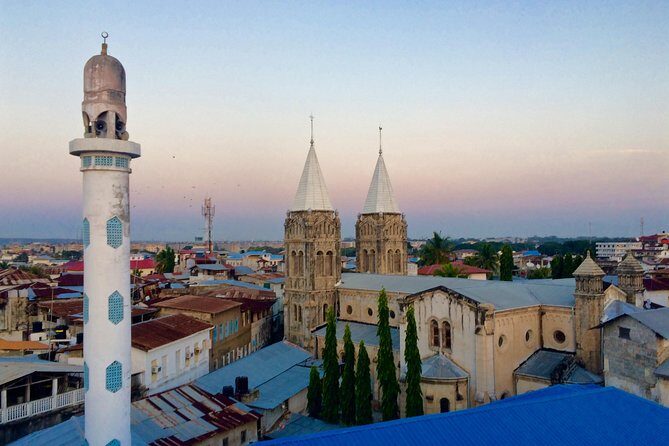
Stone Town is history you can walk through. In just a half day, you get the feel of Zanzibar City’s UNESCO core—coral-stone streets built across the 19th and 20th centuries, with mosques, churches, and temples squeezed side by side in lanes too narrow for cars. I love how the architecture tells the story: carved wooden doors, shaded verandas, loggias, and balconies that make the whole walk feel like you’re reading a living map of Persian, Indian, Arab, and European influences mixed with local African culture.
My second big plus is the human side—when Issa is your guide, the tour runs smoothly and questions get answered fast. The vibe is organized without feeling stiff, and it’s a great fit if it’s your first time in Zanzibar City and you want your bearings right away. The one drawback to consider is simple: Stone Town’s streets are tight and uneven, so this is less about rolling along comfortably and more about comfortable walking shoes and taking it slow on the turns.
This is a private 3–5 hour experience priced at $78 per person, with pickup and bottled water, plus admission ticket coverage for the included sites. If you’re short on time but want the core sights—slave-trade history, markets, palace and fort exteriors, and a coffee-house stop—this format is a smart way to focus.
In This Review
- Key highlights to plan around
- Why this half-day Stone Town tour makes sense
- The walk itself: coral-stone lanes and what to actually look for
- Stop-by-stop: what each landmark adds to your Stone Town story
- Stone Town orientation in the historic core
- Former Slave Market Site: confronting history directly
- Darajani Town Market: everyday Zanzibar beyond the postcards
- Zanzibar Coffee House: a needed break that fits the theme
- Sultan’s Palace and The Old Arab Fort: power and presence
- Other included Stone Town landmarks
- Price and value: is $78 per person worth it?
- Who this tour fits best (and who should rethink)
- How to get more out of the 3–5 hours
- Weather, timing, and the small realities
- Should you book the Stone Town private tour?
- FAQ
- How long is the half day private Stone Town tour?
- Where is the tour located?
- Does the tour include pickup?
- Is this tour private or group-based?
- What’s included in the price?
- Is there free cancellation?
- What happens if weather is poor?
Key highlights to plan around
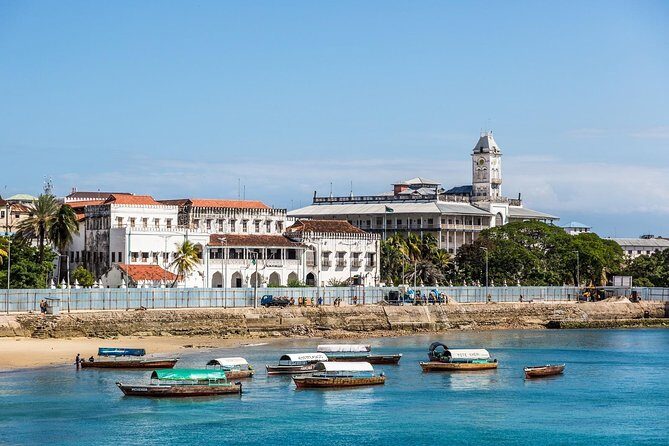
- World Heritage coral-stone streets from the 19th and 20th centuries in the heart of Zanzibar City
- A guided route that hits major landmarks on foot through narrow, car-free lanes
- Former Slave Market Site included for a direct look at the darker chapters tied to Zanzibar
- Darajani Town Market + Zanzibar Coffee House for everyday local textures, not just buildings
- Pickup and private transportation so you lose less time moving around on your own
- Issa’s style tends to be practical and engaging, especially for first-timers
Why this half-day Stone Town tour makes sense
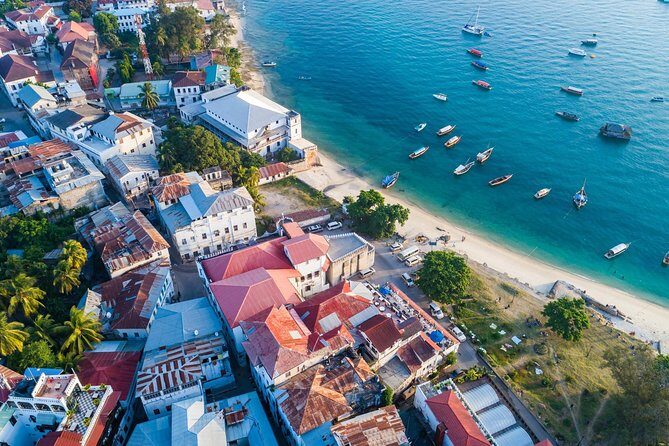
Stone Town can be a lot. You’ll see streets, doors, signs, people, and smells all at once—great, but also easy to get turned around. This tour’s biggest value is that it gives you a path through the UNESCO area with a real guide doing the pattern-finding for you.
A half day also matches the way Stone Town hits best. The architecture is the show, but the atmosphere is what keeps it interesting—daylight sliding over carved wood, groups moving in different directions, and religious buildings standing near each other like the city simply grew that way. With only 3–5 hours, you get enough time to notice details without exhausting yourself before the rest of your trip.
And because it’s private, you’re not competing with a big crowd trying to stop in the same doorway photo spot. Your group follows the guide’s pace, which matters in a place where lanes can narrow unexpectedly.
You can also read our reviews of more private tours in Zanzibar City



The walk itself: coral-stone lanes and what to actually look for

Stone Town’s charm isn’t only what’s famous. It’s the smaller architecture cues you start noticing once someone points them out. Coral-stone construction is a signature of the area, and the 19th and 20th-century street layout helps explain why so much of the city feels enclosed and intimate.
When you’re walking the route, keep an eye out for:
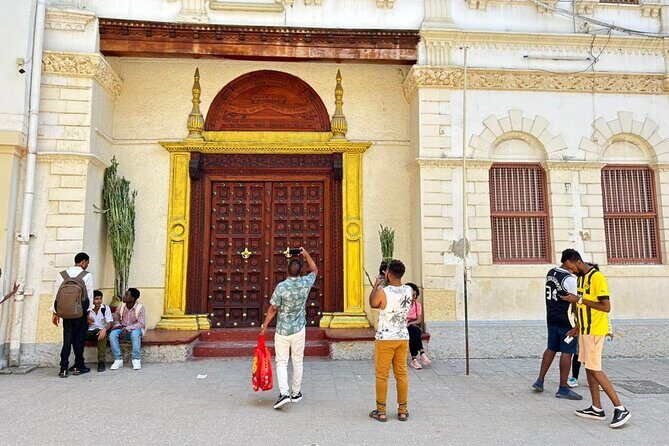
- Carved wooden doors (often shaded by overhangs)
- Balconies, loggias, and verandas that connect indoors to the street
- The way buildings stack together because the streets are narrow
This is also where the cultural mix becomes visible. The area is described as a meeting point of Arabic, African, Indian, and European influences. On the ground, you’ll feel that in building style, street life, and the close proximity of mosques, churches, and temples.
Practical note: you’re walking in a living city. That means you’ll want to be ready for stop-and-go time, photo moments, and the occasional wait as you navigate pedestrians in tight corridors.
Stop-by-stop: what each landmark adds to your Stone Town story
The tour is built as a guided walking experience through Stone Town’s historic core, and the included stops shape the story in a meaningful order. Even without knowing the details ahead of time, the mix makes sense: places that show power, places that show everyday life, and places that reflect the island’s darker past.
Stone Town orientation in the historic core
The starting point is essentially your orientation: a guided exploration of Zanzibar City’s ancient center. This is where you get the big picture first—how Persian, Indian, Arab, and European influences intersect with local African tradition and culture.
If you’ve never been, this is the best place to ask your first questions. Once you understand how the lanes connect and why the architecture looks the way it does, the rest of the stops land harder and faster.
Former Slave Market Site: confronting history directly
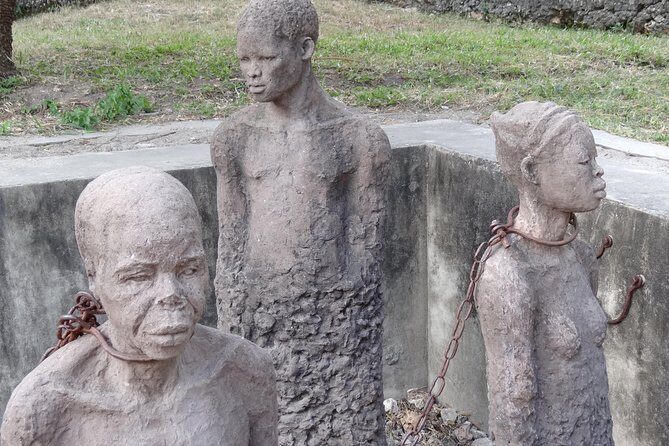
The tour includes a visit to the Former Slave Market Site. Names like this can feel heavy, but the value here is that it isn’t skipped or softened. Zanzibar’s role in the wider history of forced migration is part of what makes Stone Town significant, and seeing the site in context helps you connect the dots beyond vague facts.
How to approach it: be calm, be respectful, and don’t rush. Even if you’re not interested in deep historical study, this stop gives you perspective on why the city’s past is not just architecture and trade—it includes human suffering.




Darajani Town Market: everyday Zanzibar beyond the postcards
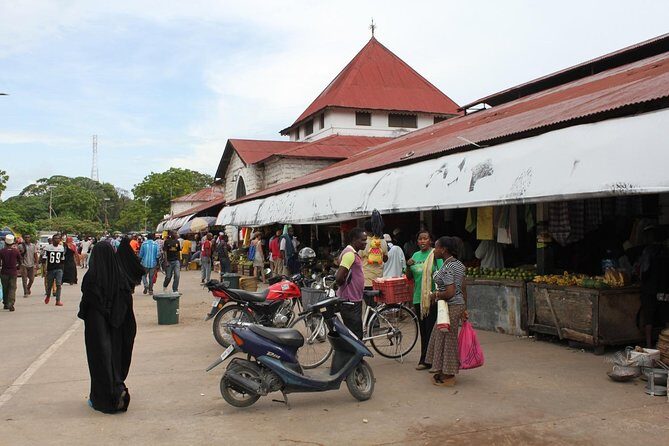
Next on the route is Darajani Town Market. This is the moment where Stone Town turns from monuments to daily life. Markets are where you see how people actually move through the city, bargain, shop, and carry on.
Even if you don’t plan to buy much, this stop is still useful. You’ll get a clearer sense of what’s practical in Stone Town—what’s available nearby, how busy the lanes get, and how local rhythms shape the experience.
Zanzibar Coffee House: a needed break that fits the theme
The Zanzibar Coffee House stop is included as part of the tour, and it works for two reasons. First, it gives you a break without pulling you away from the Stone Town story. Second, it’s an easy way to slow down and take in what you’ve just seen while you catch your breath.
If you tend to get overwhelmed by walking tours, this is where you reset. In a half day, having one scheduled pause keeps you from turning the rest of the route into just more movement.
Sultan’s Palace and The Old Arab Fort: power and presence
Two of the included landmarks are Sultan’s Palace and The Old Arab Fort. These stops help show what the city looked like when authority and trade mattered most.
What you should focus on here isn’t only the exterior view, but how the building presence changes the feel of the surrounding lanes. Areas near prominent civic or military spaces tend to feel slightly different—more structured, more formal, more about “this is where you come to understand the city.”
If you enjoy architecture, treat these as your “detail stations.” Look closely at doors, openings, and the overall layout. Even if you’re not an architecture expert, the forms will start to make sense after you’ve spent time in the coral-stone lanes.
Other included Stone Town landmarks
The route also includes additional key landmarks around Stone Town as part of the guided exploration. The exact list can vary by timing and route flow, but the intent stays consistent: you should leave knowing how the main pieces connect—architecture, civic power, markets, and the historical record.
Price and value: is $78 per person worth it?
At $78 per person for a private half-day, this isn’t a bargain-basement deal, but it also isn’t trying to price you like a luxury-only excursion. The math works best if you care about avoiding time-wasters and you want real guidance.
Here’s what you’re paying for, in practical terms:
- An experienced professional tour guide
- Private transportation and pickup, so you spend less time figuring things out
- Bottled water during the tour
- All fees and taxes handled
- Admission ticket included for the visit components
If you were to DIY Stone Town on your own, you might save money, but you’d likely spend that savings in confusion—standing too long in the wrong spot, missing a key stop, or not understanding what you’re seeing. In a place where lanes can feel like a puzzle, guided routing is value, not fluff.
Also, this kind of tour is easier to plan around than trying to line up multiple separate experiences. With 3–5 hours, you get a tight selection rather than a half-day that fizzles into random wandering.
One more planning detail: the average booking timing is about 16 days in advance. If your dates are fixed, don’t wait until the last minute.
Who this tour fits best (and who should rethink)

This tour is a strong match if you want:
- A first-time introduction to Stone Town’s main layers
- A guided walk through the UNESCO core without getting lost
- A mix of serious context (including the Former Slave Market Site) plus day-to-day city stops
- A schedule that fits before or after beach time
It’s also a good fit for groups. The guide’s reputation in the area includes handling larger groups smoothly, and the private format means you’re not forced into a one-size-fits-all pace.
Should you rethink if:
- You have limited mobility and struggle with uneven surfaces and tight lanes
- You hate walking in city centers for extended stretches
How to get more out of the 3–5 hours
Stone Town gives you plenty to see, but you’ll enjoy it most if you show up prepared.
A few basics that help:
- Wear comfortable shoes with good grip
- Bring sunscreen and a light layer, since you’ll be outside through the day
- Use the tour’s pace as your cue, not your own timer—tight streets can slow you down in the best way
- Budget for personal expenses, since personal purchases aren’t included
If you want photos, ask your guide when the best moments for a certain lane might be. The architecture looks good from different angles, but the timing matters in old streets where light hits differently between shaded verandas and open corridors.
Weather, timing, and the small realities
This experience requires good weather. If it’s canceled due to poor weather, you’ll be offered a different date or a full refund. That’s important in Stone Town because walking and photos depend on conditions.
Cancellation is free up to 24 hours in advance for a full refund. If your plans are flexible, you can book with confidence and adjust if weather or tides throw you off.
Should you book the Stone Town private tour?
Yes—if your goal is to get the core of Stone Town’s UNESCO area in a tight half day and you want a guide who can keep the route logical, the stops meaningful, and your questions answered. The combination of coral-stone architecture, major landmarks like Sultan’s Palace and The Old Arab Fort, and a direct inclusion of the Former Slave Market Site gives you a well-rounded snapshot without dragging your day into something you don’t have time for.
Book it especially if you’re the type who likes details—carved doors, shaded balconies, and the cultural blend you can spot street by street. And if you see Issa available, that’s a strong signal to go for it; his approach is repeatedly praised for being practical, organized, and great for first-time visitors.
FAQ
How long is the half day private Stone Town tour?
It lasts about 3 to 5 hours.
Where is the tour located?
It’s in Zanzibar City, Tanzania.
Does the tour include pickup?
Yes, pickup is offered.
Is this tour private or group-based?
It’s a private tour/activity, meaning only your group participates.
What’s included in the price?
An experienced professional tour guide, bottled water during the tour, private transportation, all fees and taxes, and an admission ticket.
Is there free cancellation?
Yes. You can cancel up to 24 hours in advance for a full refund.
What happens if weather is poor?
If the tour is canceled due to poor weather, you’ll be offered a different date or a full refund.