REVIEW · MOSHI
Mount Kilimanjaro – Lemosho Route
Book on Viator →Operated by Moana Tanzania · Bookable on Viator
Kilimanjaro is a lot of mountain in 7 days. What makes the Lemosho route special is the way it builds altitude slowly and keeps you moving through big scenery changes, from rainforest to alpine desert. I really like that Moana Tanzania includes portable oxygen tanks and an ox meter, plus a team that’s described as caring, encouraging, and safety-minded. The one drawback to weigh up: this climb is still demanding, and the operator explicitly says you should have a strong fitness level.
You also get a small-group feel, with a maximum of 15 people, which matters when you’re sorting pace, hydration, and sleep. Another big plus for comfort is the meal setup and team support: the chef’s food is described as clean and fresh, with enough quantity and even vegetarian options. If you’re expecting luxury comfort or a soft timeline, this isn’t that style of trek.
In This Review
- Key things to know about the Moana Tanzania Lemosho climb
- Lemosho Route: a smarter rhythm for altitude
- Moana Tanzania logistics from Moshi: pickup and the stuff that keeps you moving
- Day 1: Londorossi Gate rainforest to Mti Mkubwa
- Day 2: Shira ridge switch to heath and moorlands (Shira 2 Camp)
- Day 3: Kibo approach, Lava Tower, Arrow Glacier, and Barranco Camp
- Day 4: Barranco Wall to Karanga Valley (Karanga Camp)
- Day 5: Barafu Hut and completing the south circuit feeling
- Day 6: Summit day to Uhuru Peak via Stella Point, then down to Mweka Hut
- Day 7: From Mweka Hut down to Mweka Gate
- Meals, water, and the “real” comfort that’s included
- Guides and support: why the team can make or break the experience
- Price and value: what $2,900 buys on Kilimanjaro
- Who should book the Lemosho route with Moana, and who should reconsider
- Should you book this Kilimanjaro Lemosho trek?
- FAQ
- How many days is the Kilimanjaro trek on the Lemosho route?
- Where do you start and where does the activity end?
- What’s included in the price?
- What do I need to pay for myself or bring personally?
- Is oxygen or medical support provided?
- How big is the group?
- What’s the cancellation policy, and what if weather is bad?
Key things to know about the Moana Tanzania Lemosho climb
- Londorossi gate start through rainforest before the climb steepens, which helps you ease into the altitude game.
- Acclimatization pacing across Shira ridge, Lava Tower, Barranco Valley, Karanga, and Barafu.
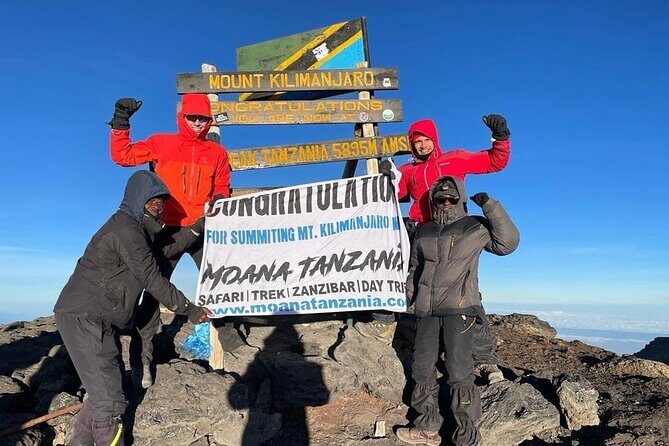
- Summit push on Day 6 to Uhuru Peak via Stella Point, then a long but planned descent.
- Support system included: guides, cook, porters, portable first-aid kit, and drinking water plus hot water for washing.
- Small groups up to 15 people, so you’re not just one face in a crowd.
Lemosho Route: a smarter rhythm for altitude
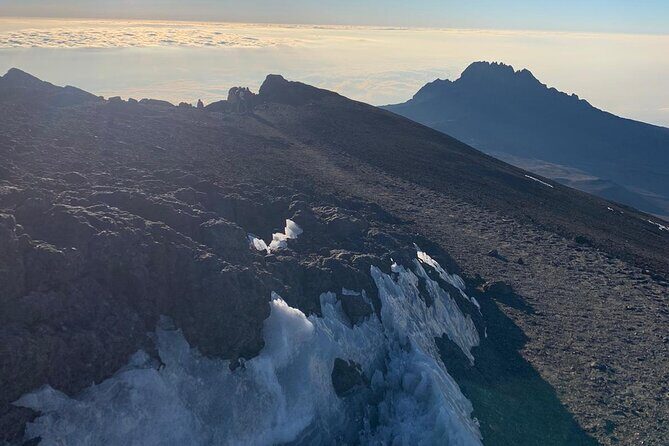
The Lemosho route earns its reputation for a reason. It doesn’t just go up. It introduces you to altitude in chunks: rainforest day one, moorland and ridge climbing on day two, then alpine desert terrain as you work toward Kibo. That gradual build is exactly what you want when your body needs time to adjust.
What I like about this route on paper is the variety. You’re not stuck in one altitude band or one type of ground for the entire trip. Each day has a clear “theme” and a camp goal, which helps you mentally switch gears: today is about walking steady, today is about reaching the next ridge line, and so on.
One practical note: even with good pacing, Kilimanjaro is serious. You’re going from high points near 4,000 meters into a summit push that tops out at 5,895 meters. So the route can be smart and still feel hard.
You can also read our reviews of more tours and experiences in Moshi.
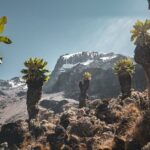
Moana Tanzania logistics from Moshi: pickup and the stuff that keeps you moving
This is based out of Moshi, with the activity starting and ending back at the meeting point in town. Pickup is offered, and you’ll receive a mobile ticket, which is handy if you like everything tied to your phone.
The trip is structured like a proper expedition: private transportation is included, and you have a dedicated team with guides, a cook, and porters. Porters are a huge part of the experience on Kilimanjaro because they help carry heavy loads so you can focus on your own breathing and pacing.
Also pay attention to the “comfort” inclusions. The package includes drinking water and hot water for washing. On summit night and the days afterward, those small comforts can feel like a big deal.
Day 1: Londorossi Gate rainforest to Mti Mkubwa
Your trek begins at the Londorossi gate at about 2,400 to 2,800 meters. The first day is around 6 km and takes roughly 3 to 4 hours, moving through rainforest.
This is one of those early days that feels calmer than what’s coming later. You’re gaining elevation, but you’re not yet wrestling the hardest terrain. It’s a good day to set habits: keep your effort steady, drink when you’re supposed to, and don’t treat the first hours like a warm-up sprint.
Overnight is at Mti Mkubwa, which is your first camp milestone. The benefit of starting in rainforest is visibility and wildlife potential—you’re walking in a living ecosystem, not just climbing rocks.
Day 2: Shira ridge switch to heath and moorlands (Shira 2 Camp)
Day two climbs from about 2,800 meters up to 3,750 meters, hiking around 14 km for about 7 to 8 hours. You’ll leave the rainforest behind and step into heath and moorland terrain, then aim for the Shira ridge and Shira 2 Camp.
This is where you start feeling the altitude more clearly. The ground changes. The air changes. Your legs will too. But the day’s structure is still reasonable: a long walk, yes, but built for acclimatization rather than reckless speed.
What you should watch here is pace. When the hike turns longer, small mistakes compound. If you go too hard early, you pay later in the week on the bigger climbs.
Day 3: Kibo approach, Lava Tower, Arrow Glacier, and Barranco Camp
On day three you’re hiking about 10 km over roughly 6 to 8 hours, moving from approximately 3,750 meters to 3,950 meters. You head toward the Kibo area, then continue to Lava Tower, also called Sharkstooth. You’ll pass the Arrow Glacier area and end the day at Barranco Camp.
This day is short on paper compared to some treks, but it’s high up and feels more exposed. Lava Tower in particular is a standout landmark on routes to the Kibo region. The Arrow Glacier pass gives you a sense of how close you are to the summit environment.
One consideration: alpine desert terrain can feel stark and windy depending on conditions. If you hate cold, bring layers you can control. If you hate wet, expect that weather on mountain days can be unpredictable.
Day 4: Barranco Wall to Karanga Valley (Karanga Camp)
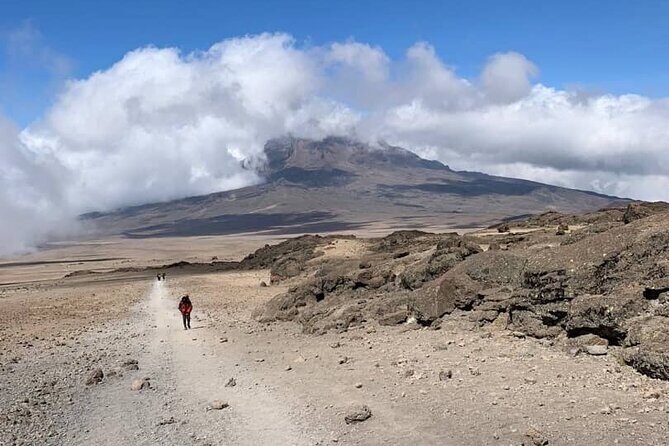
Day four is only about 5 km, taking around 4 to 5 hours, as you climb from 3,950 meters to 4,040 meters. You pass the Barranco Wall, then walk into the Karanga Valley, finishing at Karanga Camp.
This is a “technique day” more than a “long-distance day.” The Barranco Wall segment can be mentally tough even when you’re not going far. It’s steep, and the altitude makes everything feel steeper.
The upside is that it sets you up for the next phase. You leave the wall and settle into the valley mood of the route. It’s also a good day to remind yourself that progress doesn’t always look like a steady climb. Sometimes it’s moving across a difficult section and then regaining rhythm.
Day 5: Barafu Hut and completing the south circuit feeling
On day five you move from about 4,040 meters to roughly 4,700 meters over a short hiking distance of around 4 km, again about 4 to 5 hours. You reach the junction that connects with the Mweka Trail, then continue up to Barafu Hut.
This is the setup day for summit night. The plan calls out that you complete the south circuit and then rest and prepare at Barafu Camp. That means you treat the day like logistics: eat, hydrate, and conserve energy.
This is also where your mindset matters. The distances may not be huge, but the elevation is climbing fast. You’ll likely feel tired in a way that has nothing to do with fitness and everything to do with oxygen pressure.
Day 6: Summit day to Uhuru Peak via Stella Point, then down to Mweka Hut
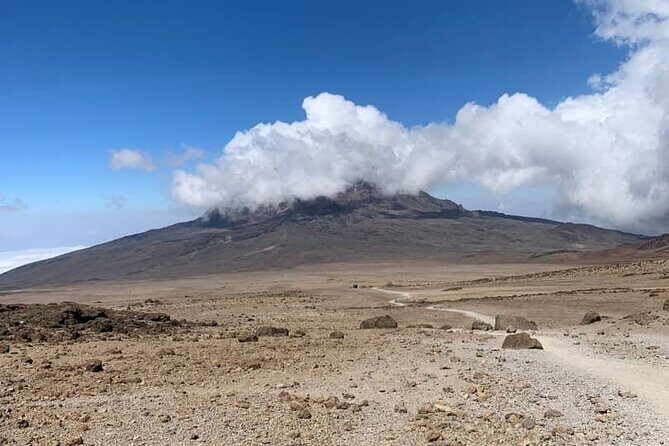
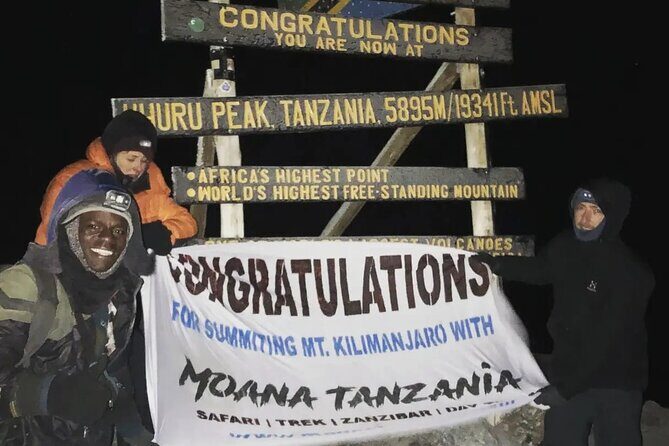
Day six is the big one. You start around 4,700 meters, summit at 5,895 meters, then descend to about 3,100 meters overnight. The hiking time listed is roughly 5 to 7 hours uphill and 5 to 7 hours downhill, with summit conditions described as icy.
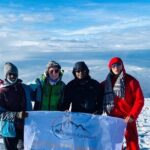
The summit route goes between the Rebmann and Ratzell glaciers, then you reach Stella Point before summiting Uhuru Peak. After time for celebration and pictures, you descend to Mweka Hut for the night.
This day is the reason people plan so carefully. Even if you feel good at altitude, the summit push is still about managing your breathing and staying patient. You’re working uphill at extreme elevation. Any urge to rush can drain you fast.
The inclusion of portable oxygen tanks and an ox meter matters here, not because it makes the summit easy, but because it supports safety decisions. You’re also traveling with a team that’s described as encouraging and safety-serious, which can help you keep calm if your pace slows.
Day 7: From Mweka Hut down to Mweka Gate
Your final day brings you down from about 3,100 meters to approximately 1,650 meters. Hiking time is around 3 to 4 hours through forest, ending at Mweka Gate.
This day tends to feel like relief. It’s still walking, and your legs may be tired from the summit day. But you’re moving to lower altitude, and the environment shifts back toward greenery and trees.
Finishing at the gate means the trek portion is done, and your activity ends back at the meeting point in Moshi. It’s the kind of ending that feels straightforward: no technical challenge, just a steady walk out.
Meals, water, and the “real” comfort that’s included
This package includes breakfast, lunch, and dinner across the trek days (with 7 lunches, and 6 breakfasts and 6 dinners listed). Drinking water and hot water for washing are included too.
From the way the food is described, a key value here is that you’re not just being fed—you’re being fed well enough to keep moving. One highlight: there are vegetarian options, and the chef’s meals are described as clean and fresh, with more than enough portions.
That matters because Kilimanjaro eats your appetite in weird ways. If your food is bland or inconsistent, it’s harder to get enough calories. Good hot meals also help you reset at camp, when you’re cold and tired and ready to sleep.
Guides and support: why the team can make or break the experience
The strongest praise in the feedback is about people, not gear. The team is repeatedly described as fun, caring, flexible, encouraging, and customer-focused. Safety is treated as a real priority, not a box to tick.
Moana Tanzania’s leadership shows up in the names mentioned: Gea is described as running the company. Chef David is called out for clean and fresh cooking. Other team members named include Gasper, Robson, Salim, Herbert, and Gewa, and they’re described as helpful and supportive throughout.
Practically, a good guide helps with pacing and decision-making on summit day and in tricky sections like Barranco. Porters also matter because they help keep your load manageable, and the whole expedition runs smoother when everyone has an assigned role.
Price and value: what $2,900 buys on Kilimanjaro
At $2,900 per person, this is not a budget option. But you can judge value by what’s included beyond “someone leads you up a mountain.”
This package includes:
- private transportation
- all fees and taxes
- guides, cook, and porters
- drinking water and hot water for washing
- portable oxygen tanks and an ox meter
- a portable first-aid kit
- meals across the trek days
If you compare that to the real costs of Kilimanjaro—food, guide time, porters, permits, logistics, and safety support—this becomes easier to evaluate. You’re paying for a complete expedition structure, not just leadership.
Where the price doesn’t cover some basics is also clear. Accommodation in Moshi before and after the trek isn’t included. Travel insurance isn’t included. Personal items and toiletries, plus personal mountainclimbing gear, aren’t included. Tips aren’t included either.
So the value question becomes: are you comfortable handling those outside-the-trek expenses on top of $2,900? If yes, this package looks like a well-rounded, safety-supported trek.
Who should book the Lemosho route with Moana, and who should reconsider
This trek is a fit if you want:
- a route that supports acclimatization rather than speed
- a structured 7-day plan with camps that make sense
- a safety-minded team with oxygen and monitoring tools included
- small-group conditions (max 15 people)
You should think twice if you don’t have the fitness foundation. The operator explicitly says travelers should have strong physical fitness. Summit day in particular is not a stroll, even with good acclimatization and team support.
Also consider your expectations about comfort. You’ll have camp nights and mountain conditions. You might love the outdoors, but you shouldn’t expect hotel-style amenities.
Should you book this Kilimanjaro Lemosho trek?
If you’re choosing between routes or operators, I’d book this option if your priority is a paced plan, safety supports included in the package, and a team that’s described as encouraging and caring. The combination of rainforest-to-desert progression, a summit push that’s guided and monitored, and solid meal support is a strong recipe for a successful climb attempt.
If you’re on the fence, do a quick reality check: can you handle high-altitude walking for multiple days, including an icy summit day? If yes, this looks like a good match. If no, you’ll likely feel it more than you should.
FAQ
How many days is the Kilimanjaro trek on the Lemosho route?
It’s listed as 7 days approximately, with Day 1 through Day 7 covering rainforest to Mweka Gate.
Where do you start and where does the activity end?
The trek starts in Moshi, Tanzania, and it ends back at the meeting point. The final hiking day finishes at Mweka Gate.
What’s included in the price?
Included are private transportation, all fees and taxes, guides, cook and porters, drinking water and hot water for washing, portable oxygen tanks and an ox meter, a portable first-aid kit, and meals (7 lunches, and 6 breakfasts and 6 dinners).
What do I need to pay for myself or bring personally?
Not included are personal items and toiletries and personal mountainclimbing gear, accommodation in Moshi before and after the trek, travel insurance, and laundry service. Tips/gratuities for guides, cook, and porters are also not included.
Is oxygen or medical support provided?
Yes. The package includes portable oxygen tanks and an ox meter, plus a portable first-aid kit.
How big is the group?
There’s a maximum of 15 travelers.
What’s the cancellation policy, and what if weather is bad?
You can cancel up to 6 days in advance for a full refund. For a 50% refund, cancel 2–6 days before the start time. If you cancel less than 2 days before, the amount paid isn’t refunded. The experience requires good weather, and if it’s canceled due to poor weather, you’ll be offered a different date or a full refund.