REVIEW · ARUSHA
Mount Kilimanjaro Day Hike Through Marangu Route to Mandara Hut
Book on Viator →Operated by Kanje grand tours · Bookable on Viator
One day can still feel like Kilimanjaro. The Marangu Route day hike takes you from Marangu Gate up through rainforest haze to Mandara Hut, then back down, with a side trip toward Maundi Crater.
I really like how this trip gives you a real feel for Kilimanjaro without demanding a full multi-day summit push. You also get strong guide support, and the day includes food and drinks so you’re not scrambling mid-hike.
One thing to plan for: this is still a steep altitude hike, and conditions can turn damp fast. If you’re not comfortable with a moderate climb or you hate wet weather, you’ll want to take that seriously.
In This Review
- Key highlights to know before you go
- Marangu Route day hike: the Kilimanjaro “starter dose”
- Starting at 6:00 am: what your morning looks like
- The climb through rainforest: where the trail gets real
- Mandara Hut lunch box and the Maundi Crater side hike
- Why the guides matter more than the photos
- Price and value: is $265 a fair deal for this day?
- What to pack and how to hike smart on day one of Kilimanjaro
- Who this day hike is best for (and who should choose differently)
- Should you book this Marangu Route day hike?
- FAQ
- What time does the hike start?
- Where does the hike begin?
- How high do you hike to?
- How long is the day?
- Is pickup included?
- What’s included in the price?
- What’s not included?
- Do I need rain gear?
- Is this a private tour?
- What happens if weather is poor?
Key highlights to know before you go
- Marangu Gate to Mandara Hut in one day: a true taste of Kilimanjaro’s “go up, then come down” rhythm.
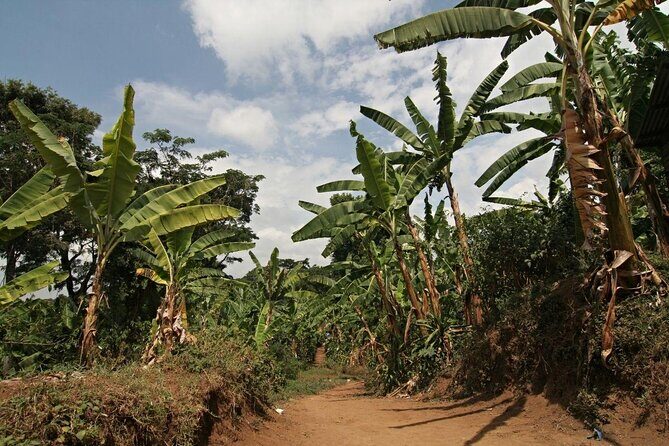
- Rainforest trail + likely showers: you’ll move through lush forest where raincoats are a smart call.
- Lunch box at Mandara Hut: fuel before the crater-side hike and before the return trip.
- Maundi Crater nearby: a worthwhile add-on when the views and timing cooperate.
- Guides who manage pace: from reports like Johnson, William, Abdi, Ernest, and John, the day often feels well matched to your level.
Marangu Route day hike: the Kilimanjaro “starter dose”
This is Kilimanjaro in a single day. You’re not chasing a summit, which makes it a practical option when you want the big mountain feeling but you cannot spare a week. The goal is simple: get you up high enough to feel the change in air and terrain, then bring you back to the entry area the same day.
The Marangu Route is also one of the most human-friendly ways to do it. You climb from Marangu Gate at about 1,860–1,870m to Mandara Hut at around 2,700m, so you’re gaining elevation steadily without the all-day, multi-day grind of longer routes. It’s still a hike, not a stroll, but it’s one you can plan around.
If you’re traveling with kids who are curious but not ready for a full expedition, this kind of schedule can help you “test the waters.” And if your trip to Tanzania is short, you get the unforgettable Kilimanjaro setting and storytelling without stretching your whole vacation.
You can also read our reviews of more hiking tours in Arusha
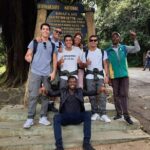
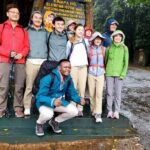
Starting at 6:00 am: what your morning looks like
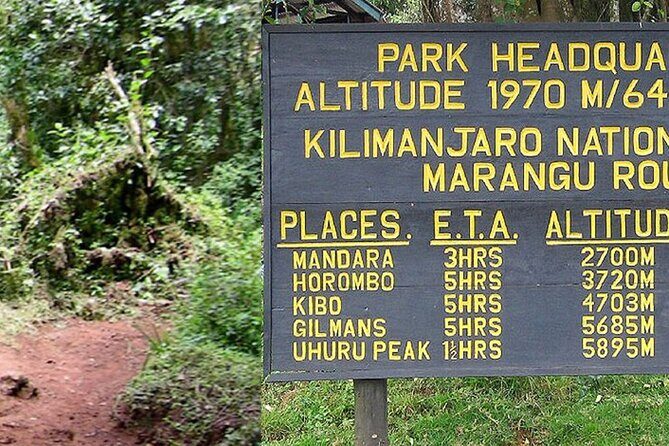
The day starts early, around 6:00 am. That matters more than you’d think. A morning start helps you get on the trail before the day gets muddier, and it gives you a better chance to finish while energy and weather are still in your favor.
You’re picked up in the morning, and then transferred to Kilimanjaro National Park’s eastern entrance, Marangu Gate. At the gate, you handle basic formalities: registering climbing permits and registering with the rescue service. It’s not glamorous, but it’s part of why the trip feels organized and legitimate once you step onto the trail.
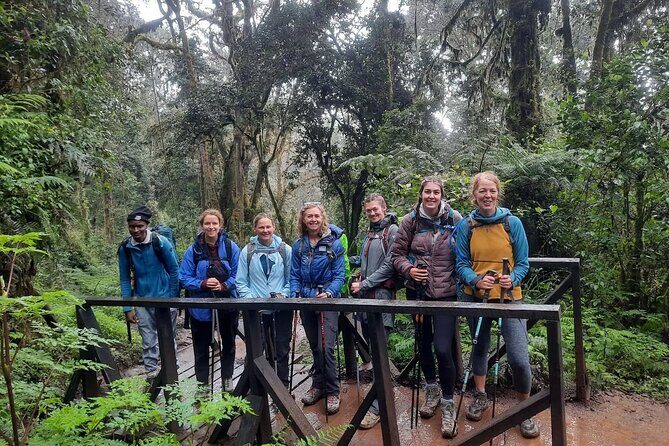
Then the walking begins. The hike up to Mandara Hut is where you’ll feel the terrain shift from easier forest paths into a more focused uphill effort. Expect the pace to be steady rather than sprint-y. Reviews often mention guides like Johnson, William, Abdi, Ernest, Ham, Wille, Anthony, Jackson, and John helping keep people comfortable, especially when rain or steep steps slow you down.
The climb through rainforest: where the trail gets real
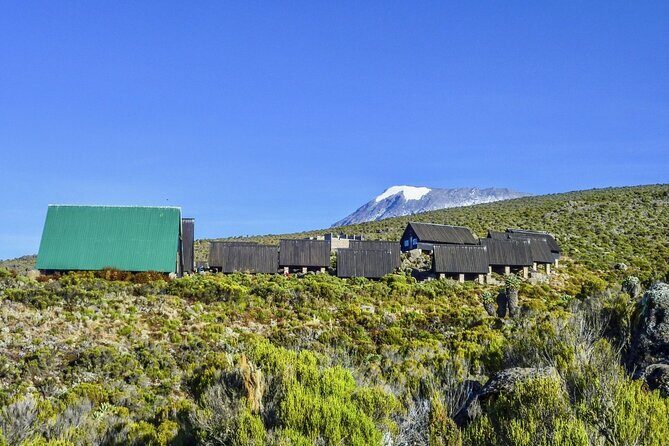
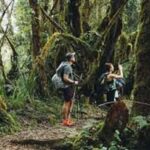
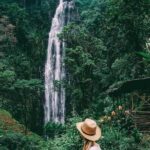
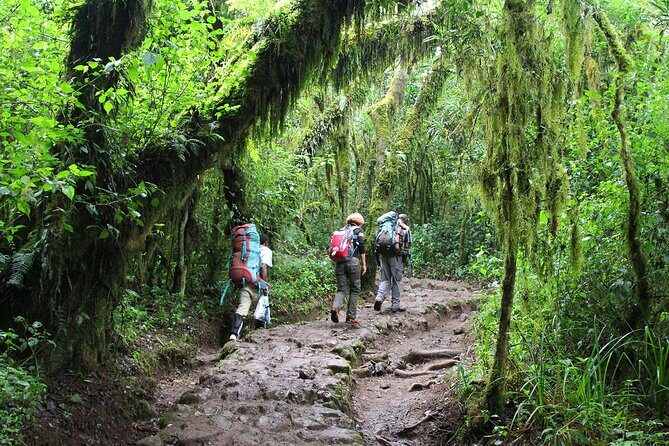
The Marangu Route early on runs through rainforest, and tropical showers are highly possible. In other words, don’t plan to stay dry. A raincoat is strongly recommended, and I’d treat this like a “dress for wet” hike, not a “maybe it rains” hike.
You’ll likely notice three things as you go:
- The air feels cooler and thicker.
- The footing becomes more demanding as the slope increases.
- The light changes. Forest cover can make everything look soft and misty, and higher up you may catch clearer sky—or fog—depending on the weather.
Wildlife sightings are part of the magic. In the feedback, people talk about monkeys and birds, including colobus monkeys. You might not see lots of animals, but when you do, it makes the climb feel less like “just hiking” and more like being in a living ecosystem.
Difficulty-wise, the trail is described as easy-to-moderate in places, but it can get steeper as you ascend. That means you’ll want good shoes with grip and a willingness to slow down when the grade rises. If you’ve only hiked on flat ground, this will feel like a step up. If you already hike regularly, it should feel challenging but manageable.
Mandara Hut lunch box and the Maundi Crater side hike
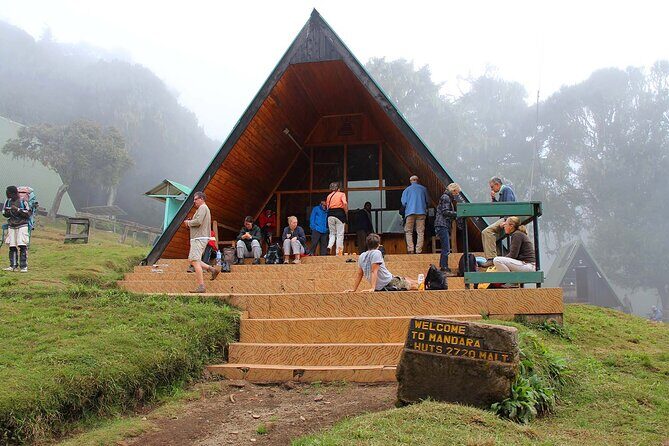
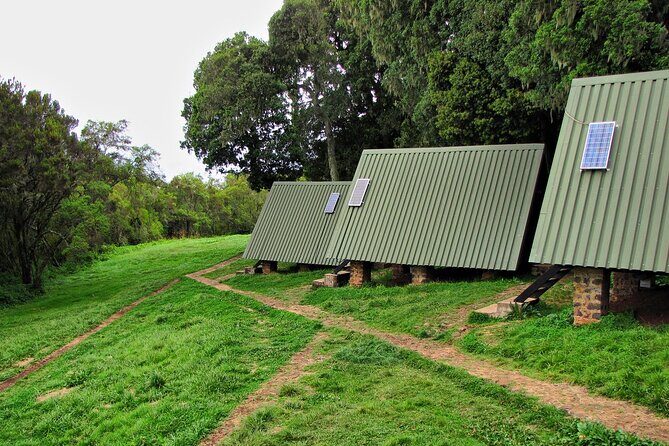
Reaching Mandara Hut (about 2,700m) is the big mid-day marker. When you arrive, you get lunch-boxes. It’s practical: you’re higher up, you’ve worked for it, and you need calories before continuing.
Mandara Hut is also where the day’s mood shifts. Up to this point, the hike has been about getting uphill. After lunch, your energy becomes more about “enjoy the views, then finish strong” while you work your way back down to the entry gate.
There’s also a side hike to Maundi Crater nearby after lunch. The point of this add-on is simple: it gives you an extra reason to be there when you’re already tired. Even if weather limits views, you still get that higher-elevation feel and a sense of being deep on Kilimanjaro’s slopes for part of the day.
From a planning angle, this section is why a 10-hour day still works well for many people. You’re not just climbing, eating, and descending in a straight line. You’re doing a small “second act” that makes the day feel longer and more satisfying.
Why the guides matter more than the photos
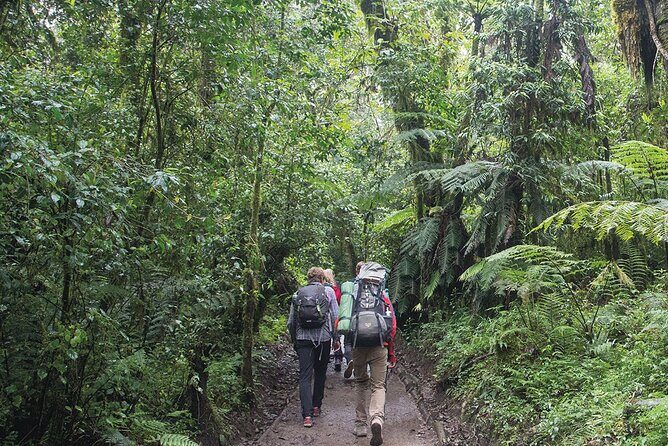
Kilimanjaro days can look easy in pictures. On the ground, it’s the guide that changes your day from tiring to enjoyable.
This is where I see the strongest praise in the experiences shared: guides set a pace that matches your level, encourage you when the hike turns harder, and help you understand what you’re seeing. Several names came up clearly, including Abdi, Johnson, William, Ernest, Ham, Wille, and John, with people praising support, patience, and clear communication.
One review detail that’s especially useful for you: some guides are described as actively adjusting speed so you stay within the day’s time frame without rushing people. That’s not “nice customer service.” It’s how you avoid feeling hammered early and then stuck playing catch-up. On a day hike, pacing mistakes can ruin the second half.
Guides also help you spot animals and notice the changes in terrain and vegetation. Even when the trail is misty, a good guide turns the environment into something you can read instead of just walk through.
And since this is a private tour/activity where only your group participates, the guide can focus on your group’s rhythm, not everyone else’s.
Price and value: is $265 a fair deal for this day?
At $265 per person, this is not a budget “free-for-all.” It’s a priced experience, but it’s also priced like a real guided national park day: you’re paying for park entry logistics, local leadership, and transport, not just walking.
Here’s what’s included:
- Private transportation
- Lunch, plus snacks
- Soda/pop and bottled water
- All fees and taxes
- A trail day built around getting from Marangu Gate to Mandara Hut and back
What’s not included:
- Visa
- Tips
- International flights
That mix matters. Many day tours cheap out on the parts that cost money once you’re on the ground. Here, you’re not expected to guess your way through permits or scramble for food halfway up. For a one-day plan, that kind of “everything handled” feeling is a value multiplier, especially if you’re short on vacation time.
A practical way to judge value: if you tried to recreate this yourself, the costs would pop up fast (park access, transport, guide time, and food). Even without comparing to other companies in detail, you can see why the included items make the price feel more sensible for what you get.
What to pack and how to hike smart on day one of Kilimanjaro
You’re doing a steep, high-elevation hike, so “packing light” is not the same as packing poorly. Based on the conditions you’ll likely face—especially rainforest rain—plan for damp.
Here’s the simple game plan I recommend:
- Rain protection: a raincoat (or proper shell) is a must because showers are highly probable.
- Good shoes: grip matters on steeper sections and wet trail surfaces.
- Layers: morning air can feel cooler, and weather can change quickly as you gain elevation.
- Small personal snacks: you get lunch and provided snacks, but carrying a bit extra can help if you’re someone who eats earlier.
Hiking strategy also makes a difference in how the day feels:
- Go slower than you think you should at the start.
- Take short breaks before you feel exhausted.
- Treat the climb as “steady effort,” not “finish strong at any cost.”
You’ll notice guides in the feedback repeatedly helping people keep within the day’s time frame. If you want the day to feel rewarding instead of stressful, you’ll cooperate with that pacing philosophy.
Who this day hike is best for (and who should choose differently)
This trip fits best when you want an authentic Kilimanjaro experience, but you need a shorter plan.
It’s a strong match if:
- You want to try Kilimanjaro without committing to a full summit trek
- You’re traveling with children who may not handle a long expedition schedule
- Your vacation schedule is tight but your curiosity about Kilimanjaro is not
It may be a less ideal match if:
- You want a gentle nature walk. This is a climb with a significant elevation gain.
- You have limited tolerance for steep trails or wet conditions.
- You’re expecting guaranteed clear views. The route can be misty and rainy depending on weather.
One more note: the experience is listed for travelers with moderate physical fitness. That doesn’t mean you must be a mountain athlete. It means you should be comfortable hiking uphill for hours and handling some rough weather.
Should you book this Marangu Route day hike?
If you want a Kilimanjaro day that feels real, this is a smart option. I like that it delivers a true altitude experience—Marangu Gate to Mandara Hut—with a built-in lunch break and an extra hike toward Maundi Crater, so the day doesn’t feel like a rushed checkbox.
Book it if you want:
- A guided introduction to Kilimanjaro
- Support from experienced guides (names like Johnson, William, Abdi, Ernest, and John come up often)
- A schedule that fits into a short Tanzania trip
Skip it (or consider a longer plan) if you need a low-effort hike, or if you know you’ll be miserable on wet, steep terrain.
FAQ
What time does the hike start?
The start time is 6:00 am.
Where does the hike begin?
You transfer to Kilimanjaro National Park’s eastern entrance, Marangu Gate.
How high do you hike to?
You hike up to Mandara Hut, around 2,700 m (8,858 ft).
How long is the day?
It’s approximately 10 hours.
Is pickup included?
Yes, pickup is offered, and transportation is included.
What’s included in the price?
The tour includes lunch, snacks, soda/pop, bottled water, private transportation, and all fees and taxes.
What’s not included?
Visa, tips, and international flights are not included.
Do I need rain gear?
Rain is likely early on, since the trail includes rainforest where tropical showers are highly probable, so bringing a raincoat is strongly recommended.
Is this a private tour?
Yes. It’s listed as private, and only your group participates.
What happens if weather is poor?
This experience requires good weather. If it’s canceled due to poor weather, you’ll be offered a different date or a full refund.
If you want, tell me your travel dates and fitness level, and I’ll suggest whether this day hike will feel like a fun challenge or a grind.
![Zanzibar Cooking Class [Swahili food test ] and Spice farm Private tour - The 3-Hour Spice Farm Walk: Why It’s More Than a Tour](https://i.exploringtanzania.com/wp-content/uploads/zanzibar-cooking-class-swahili-food-test-and-spice-farm-private-tour.jpg)