REVIEW · ARUSHA
Kilimanjaro Climb Via Machame Route
Book on Viator →Operated by Sirikwa Travel · Bookable on Viator
One word: altitude homework. The Machame route (often called the Whiskey route) is the popular, scenic way up Kilimanjaro, and it really tests your pacing and grit. I love that you don’t just hike one big slope—you bounce through rain forest, moorland, alpine desert, and arctic conditions as the mountain “teaches” you altitude.
Two things I especially like: the day-to-day itinerary is designed for gradual acclimatization (including a shorter “recovery” day), and the trek hits classic Kilimanjaro features like Barranco Wall and the dramatic summit push at Uhuru Peak. My one possible drawback to flag is the schedule: Machame can feel steep and demanding because it’s shorter than some alternative routes, so you’ll want solid fitness and patience with slow climbs.
In This Review
- Key things I’d plan around on the Machame climb
- Why the Machame Whiskey Route feels like a true Kilimanjaro challenge
- Price and value: what $2,550 buys you on a 7-day climb
- Getting from Moshi to Machame Gate: your first test is just starting
- Day 1: Machame Gate to Machame Camp through the rain forest
- Day 2: Shira Plateau ascent with heath, moorland, and a gorge crossing
- Day 3: Lava Tower to Barranco Camp via Senecio forest
- Day 4: Great Barranco Wall (climb it) then Karanga Camp (acclimatize)
- Day 5: Barafu Hut and the Southern Circuit views of Mawenzi and Kibo
- Day 6: Midnight to Uhuru Peak, Stella Point sunrise, then down to Mweka Camp
- Day 7: Mweka Gate, summit certificates, and the Moshi reset
- Who should book this Machame route (and who should think twice)
- The small-team feel with Sirikwa Travel and guides like Ole
- Should you book it? My practical recommendation
- FAQ
- What is the duration of the Kilimanjaro climb on the Machame route?
- Where does the climb start and what is the first gate?
- How many days do you spend before the summit push?
- When do you summit Uhuru Peak?
- How long is the descent to the finish after summiting?
- What meals and tickets are included?
- Is transportation included, and do you return to Moshi?
- What is the maximum group size?
Key things I’d plan around on the Machame climb
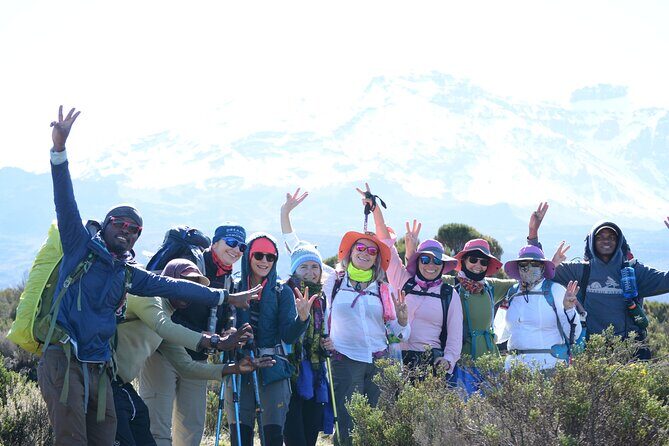
- A route full of habitat changes: rainforest to heath to alpine desert, then the cold arctic stretch near the summit
- Real acclimatization moments like the time you spend higher on Day 3 and the shorter Day 4
- Barranco Wall is a highlight and a workout, not a free sightseeing stop
- Midnight summit effort with wind and cold, plus the pay-off of sunrise near Stella Point
- Small group cap (up to 10), which usually means less waiting and more attentive guidance
- Down via Mweka, where you collect summit certificates and deal with wet, muddy trail at lower elevations
Why the Machame Whiskey Route feels like a true Kilimanjaro challenge
Machame is the route many people pick for a reason: it’s scenic and varied. You start on the lower slopes, climb into forest, then work your way through moorlands and open high country. As you gain altitude, you also get that surreal “moon desert” feeling at the higher camps.
But the big truth about Machame is the difficulty. This trail is known for being steep and challenging, and the itinerary is tighter than some longer options. That doesn’t mean it’s only for elite hikers—it does mean you should come prepared to walk uphill for hours and accept that going slow is part of the plan.
If you’re the kind of person who enjoys rugged hikes and doesn’t mind a rougher rhythm, Machame can feel like Kilimanjaro in its most classic form. If you’re chasing a gentle, leisurely outing, you may want a longer route instead.
You can also read our reviews of more tours and experiences in Arusha.
Price and value: what $2,550 buys you on a 7-day climb
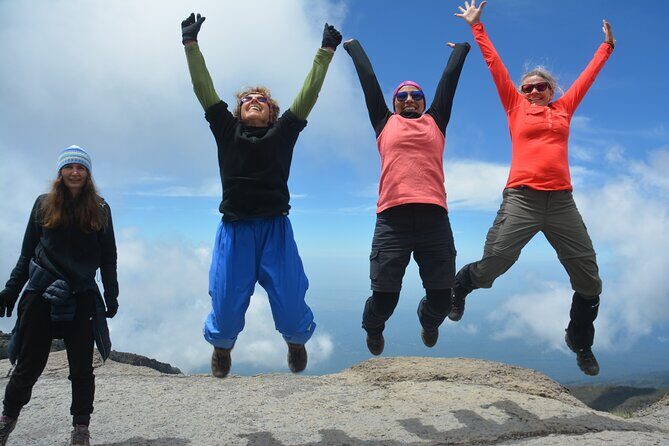
At $2,550 per person, this is not a “cheap trip,” but it’s also not just a guide and a wish. The package includes transportation, a tour guide, and your meals for 7 days (breakfast, lunch, and dinner each day). It also includes admission ticket coverage across the daily stages.
You’re also paying for the logistics that make a summit attempt possible: getting you from Moshi to the park gates, coordinating camp nights, and running the early push to the summit and then the descent and certificate process. On Kilimanjaro, those pieces matter. Miss one timing detail, and you can lose your summit window.
So here’s my value takeaway: you’re buying fewer unknowns. The goal is to keep you fed, moving on schedule, and guided through acclimatization and safety checks—especially on the midnight portion when your body is working overtime.
Getting from Moshi to Machame Gate: your first test is just starting
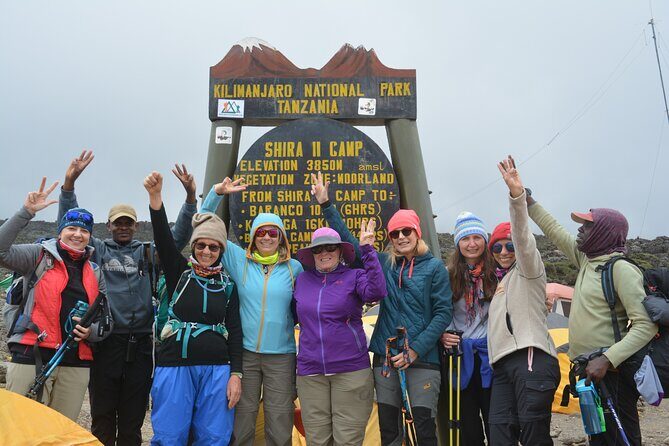
Your climb begins with a short drive from Moshi to Machame Gate—about 50 minutes. Along the way, you pass through the village of Machame on the lower slopes, which helps you shake off the idea that Kilimanjaro starts at a gate. It starts in real life, with everyday mountain communities nearby.
This drive matters more than you might think. It positions you at the right trailhead for the first altitude jump, and it gets you into rhythm. From there, you’re walking—no long warm-up stroll, no “vacation pace.”
And one small comfort: pickup is offered, and the end of the trip includes a vehicle meeting you to drive you back to your hotel in Moshi.
Day 1: Machame Gate to Machame Camp through the rain forest
Day 1 is where the mountain sets the mood. You’ll go from roughly 5,380 ft to 9,350 ft, covering about 11 km (7 miles) in 5–7 hours. Habitat is rain forest, and the trail climbs from a winding ridge feel, pushing you upward before your body fully realizes what’s happening.
What I like about this start is the pacing. It’s long enough to feel like a hike, but it’s not yet the gnarly technical misery you’ll face later. It’s also a good first “altitude reality check” without immediately forcing maximum suffering.
Practical note: rain forest country can feel damp and slippery even when the day seems manageable. Take it easy on stride length early. Your legs will thank you on Day 6.
Day 2: Shira Plateau ascent with heath, moorland, and a gorge crossing
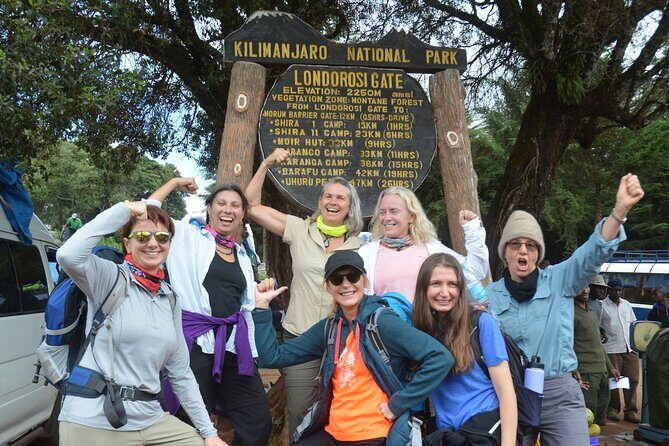
On Day 2 you move from about 9,350 ft to 12,500 ft over just 5 km (3 miles), but you still hike 4–6 hours. Why? The climb is more demanding—steeper and rockier in sections.
This is where the environment changes: you leave rain forest glades and transition into heath and open moorlands. You also cross a large river gorge to reach Shira 2 Camp.
This day is a classic Kilimanjaro rhythm-maker. It’s short in distance, long in effort. Expect windier, cooler air as you go higher, plus a more exposed feel across the moorlands.
If you’re prone to rushing when trails look simple on paper, Day 2 is the one that corrects that habit.
Day 3: Lava Tower to Barranco Camp via Senecio forest
Day 3 is all about getting higher, then moving down smartly. You’ll go from around 12,500 ft to 15,190 ft on the way to the Lava Tower area, then descend to Barranco Camp at about 13,044 ft. The walking distance listed is about 7 km (4 miles) to the Lava Tower segment, followed by a shorter, steep-feeling day segment down to Barranco.
The big theme here is the benefit of time spent at higher altitude. Even though you end the day lower than your high point, you’re giving your body time to adjust. That’s why this day feels mentally tricky but strategically valuable.
And yes, Lava Tower is dramatic: a volcanic rock formation about 300 ft tall. The descent goes through Senecio forest, which can look otherworldly—plants that seem designed for a science-fiction landscape.
If you feel surprisingly okay today, don’t get cocky. Use the day to practice your summit behavior: slow steps, steady breathing, and minimal panic.
Day 4: Great Barranco Wall (climb it) then Karanga Camp (acclimatize)
Day 4 is shorter in goal and longer in “work.” You’ll begin around 13,044 ft to 13,106 ft, hiking about 5 km (3 miles) for 4–5 hours. Habitat remains alpine desert.
The day starts with a descent into a ravine to the base of the Great Barranco Wall, then comes the big push: a steep, nearly 900 ft climb up a non-technical but serious cliff wall. From the top, you traverse hills and valleys, then descend sharply into Karanga Valley, where you climb again to Karanga Camp.
This day is often a love-it-or-resent-it moment. The good news: it’s built as a shorter acclimatization day, so you’re training your legs while still giving your system recovery time before the summit attempt.
The drawback: it can feel like climbing while everyone else is also climbing. So keep your pace controlled. You’ll climb better when you don’t try to “win” the wall.
Day 5: Barafu Hut and the Southern Circuit views of Mawenzi and Kibo
On Day 5 you go from about 13,106 ft to 15,331 ft, hiking around 4 km (2 miles) for 4–5 hours, still in alpine desert. You’ll also reach a junction that connects with the Mweka Trail, and you continue up to Barafu Hut.
This is a key staging day. You’ve completed the Southern Circuit, and you can see the summit area from different angles. From Barafu, the views include Mawenzi and Kibo—the two major peaks people picture when they think about Kilimanjaro.
At camp you rest, eat early, and prepare for the big mental shift: summit night starts soon after midnight. Barafu is where you stop sightseeing and start focusing on the long, cold grind.
If you tend to stay wired, work on calming your body. Sleep can be spotty, but you still need your energy.
Day 6: Midnight to Uhuru Peak, Stella Point sunrise, then down to Mweka Camp
Day 6 is the heart of the Kilimanjaro story. You start the summit push around midnight, with the route climbing to Uhuru Peak at roughly 19,341 ft. Cold and wind can be extreme at this hour and elevation. The walking happens in darkness for several hours, with frequent but short breaks.
You’ll spend time moving upward while the air feels thin and your body works like a machine with a warning light on. It’s not just physical—it’s mental. You keep going because step after step is still a step forward.
Near Stella Point (about 18,900 ft), you get one of the best rewards on the mountain: sunrise, coming over Mawenzi Peak. It’s the kind of moment that makes you forget how cold your face was ten minutes earlier.
Then comes the long descent. After the summit, you drop to Mweka Camp at about 10,065 ft. That descent is where careful footing matters. Your body may want to rush. Try not to.
Day 7: Mweka Gate, summit certificates, and the Moshi reset
Your final day runs from about 10,065 ft down to 5,380 ft. You cover around 10 km (6 miles) in 3–4 hours through rain forest.
You continue to Mweka Gate, collect your summit certificates, and then head to Mweka Village. A vehicle meets you at Mweka Village to drive you back to your hotel in Moshi.
The trail at lower elevations can be wet and muddy. So plan for a slower pace, especially if your knees tend to complain on downhill days.
But don’t underestimate the emotional side: reaching the gate feels like closing a chapter. Even if your legs feel wrecked, your brain usually feels lighter.
Who should book this Machame route (and who should think twice)
This Machame trek fits best if you’re looking for a popular route with big scenery and you’re okay with steep hiking. The route is noted as difficult and challenging, especially because the itinerary is tighter. That makes it a strong choice for adventurous hikers with some high altitude, hiking, or backpacking experience.
You’ll also want moderate physical fitness. If your fitness plan is still “hope-based,” Machame can be a rude wake-up call.
A quick family note from the rules here: children must be accompanied by an adult. And the tour’s small maximum group size (up to 10 travelers) is a big plus if you want a more human pace rather than a crowd.
The small-team feel with Sirikwa Travel and guides like Ole
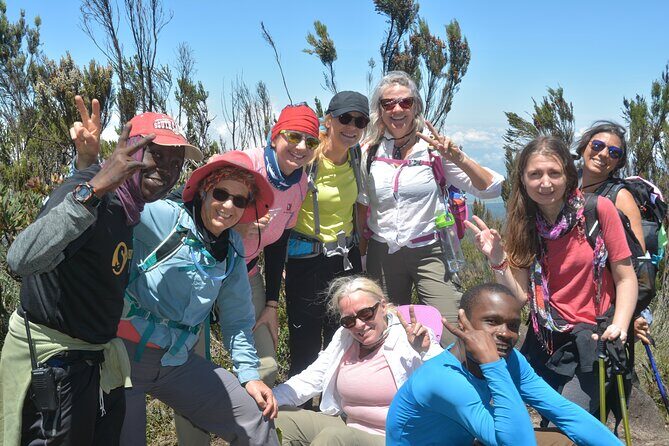
This trek runs with a team model: transportation, a tour guide, and local support are part of the package. The group size cap at 10 travelers can help reduce waiting and keep attention high on tricky sections.
Names that show up in the operator’s client feedback include Ole as a guide, and Oinoth associated with the team’s leadership and coordination. That matters because on Kilimanjaro, the difference between okay and great often comes down to how calm and responsive your guide is when weather, altitude, or fatigue changes the plan.
Another detail worth noting: some clients highlighted evening medical control/checks as part of how the team monitors progress. That’s exactly what you want on summit-week reality—early awareness beats last-minute emergencies.
Should you book it? My practical recommendation
Book this Machame Whiskey climb if you want the classic popular Kilimanjaro route and you’re comfortable with steep days and one intense midnight summit push. The itinerary is built around acclimatization moments—especially the higher-time Day 3 and the shorter Day 4—while still giving you the “real challenge” feel.
I’d hesitate if you’re seeking a gentle trek, or if you’re unsure how you handle uphill effort at altitude. Machame doesn’t hide its difficulty. It turns it into scenery.
If you do book, train for the hike more than the hype. Practice slow uphill walking. And on summit night, trust the rhythm: small steps, short breaks, and keep your head in the next checkpoint.
FAQ
What is the duration of the Kilimanjaro climb on the Machame route?
The itinerary is listed as 7 days (approx.), with hiking and camp nights across multiple elevation zones.
Where does the climb start and what is the first gate?
The trek starts with a drive from Moshi to Machame Gate, followed by hiking through rain forest up to Machame Camp.
How many days do you spend before the summit push?
You climb for Days 1–5 to reach camps leading up to Barafu Hut. The summit attempt begins early on Day 6 (around midnight).
When do you summit Uhuru Peak?
The trek starts the summit push around midnight on Day 6, reaching Uhuru Peak at about 19,341 ft.
How long is the descent to the finish after summiting?
After Uhuru Peak on Day 6, you descend to Mweka Camp. On Day 7, you continue down to Mweka Gate, collect summit certificates, and travel back to Moshi.
What meals and tickets are included?
The package includes breakfast (7), lunch (7), and dinner (7). Admission tickets are included for the trek days listed in the itinerary.
Is transportation included, and do you return to Moshi?
Yes, transportation is included. You’ll be driven from Moshi to the park gate at the start and later met by vehicle at Mweka Village to drive back to your hotel in Moshi.
What is the maximum group size?
This tour/activity lists a maximum of 10 travelers.