REVIEW · MOSHI
Lemosho Route 8 Days 7 Nights/Kilimanjaro Climb
Book on Viator →Operated by Migration Venture Africa Ltd · Bookable on Viator
Kilimanjaro is brutal, but the Lemosho rhythm feels smart. This 8-day route is built for acclimatization and a practical summit approach, with the long South Circuit broken up so you get a short, easier day right before the midnight push. I like that the plan takes you from rainforest up onto the Shira Plateau and onward through iconic points like Lava Tower and Barranco Wall, instead of rushing elevation. One thing to consider: summit night starts between midnight and 2 a.m., so even with a good schedule, you still need to handle sleep deprivation and cold.
From Moshi, the experience is organized in a way that reduces stress. I especially like the way the trek logistics are handled: transport for you and the crew, park fees, camping equipment, rescue fees, water, and meals are all included, so you’re not constantly budgeting mid-climb. I also like the human side—your guides and crew run a tight, caring operation, and names like Amos (host/arranger) and guides such as Zacariah, Epa, Eric, and Nicholas show up in customer praise for patience and encouragement. The main drawback is not the itinerary; it’s that you must bring the right mindset and basics, because mud, cold nights, and steep descents are part of the real Kilimanjaro deal.
If you’re deciding between routes, this one makes sense if you value a slower climb profile and a better chance to arrive rested. The schedule has built-in acclimatization days on Shira and again around the South Circuit, and it uses the Barranco area to keep the plan moving in manageable chunks. Still, you should be aware that lower trails can be muddy and slippery, and later, descents can be wet and steep—so you’ll need to plan your footing and bring practical gear.
In This Review
- Key Things That Make This Lemosho Climb Worth Your Time
- Moshi Start: Getting Ready Without Feeling Rushed
- Rainforest to Shira Plateau: Day 2’s Steady Climb and Cooler Air
- Shira Plateau and Lent Hills: The Acclimatization Day That Pays Off Later
- Lava Tower to Barranco: The Day You’ll Remember for the Views
- Barranco Wall to Karanga Camp: Where the Trail Gets Steep
- Barafu Camp and the South Circuit Rhythm: Rest Like It Matters
- Midnight Summit Push: Stella Point Sunrise on a Crater Rim
- Descent to Mweka Gate: Certificates, Mud, and the Hot Shower Payoff
- Price and Logistics: What $2,600 Really Covers
- Gear, Fitness, and What You Should Expect Physically
- Guides and Crew: Why Names Like Amos and Epa Matter
- Who This 8-Day Lemosho Trek Fits Best
- Should You Book This Lemosho Climb?
- FAQ
- What time does the trek start?
- How long is the Lemosho route on this package?
- Where does the trek begin and how do you get into the park?
- Is pickup offered?
- What’s included in the tour price?
- What is not included?
- What gear does the route recommend?
- When does summit night start?
- Is there free cancellation?
Key Things That Make This Lemosho Climb Worth Your Time
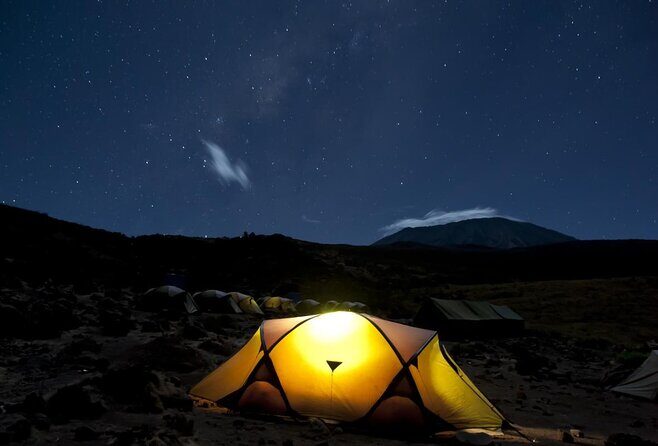
- Short day right before summit to help you go into midnight start less wrecked
- Shira Plateau acclimatization with options around Lent Hills and the Lent Hills area
- Iconic high points like Lava Tower (Shark’s Tooth) and Arrow Glacier on the way down to Barranco
- Crew strength on Barranco Wall when the trail gets steep and you’ll want steady pacing
- Stella Point sunrise potential right at the crater rim during summit night
- Included logistics (gear, meals, park fees, rescue fees, water) that reduce budget surprises
Moshi Start: Getting Ready Without Feeling Rushed
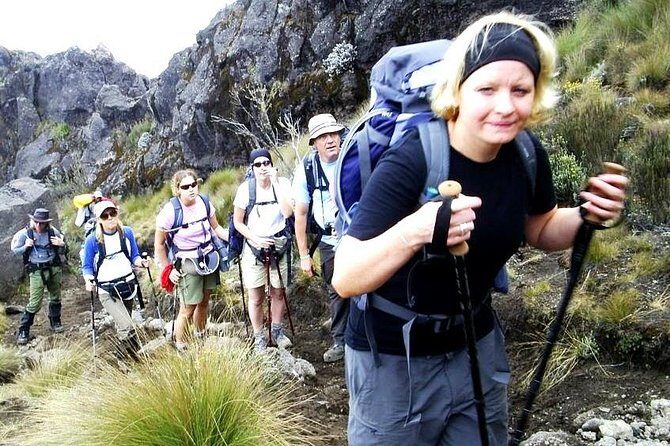
Your trip begins in Moshi, and you start with a 9:00 a.m. meeting time. From there, you’ll ride about 45 minutes to Kilimanjaro National Park Gate, passing through mountain villages along the way. The drive matters more than people think: it gets you from town life into the park rhythm before you even start walking.
At the gate, you wait for permits to be issued while crews and teams prepare. That’s your first taste of how the mountain works: multiple groups, lots of coordination, and porters and cooks gearing up for the days ahead. Once you move onto the trail, you’re immediately in lower-elevation conditions, where it can be muddy and slippery.
Day 1 runs from roughly 2,895 m (7,800 ft) up toward about 2,895 m to 2,895?—the key idea is that you’re starting low and rising into the park’s humid zones. Expect rainforest scenery, windy patches, and a trail that can feel slick. This is where you should use trekking poles and gaiters if you have them. You’re building good habits early, and this trail punishes sloppy footing.
Practical note: if you have a pair of shoes you love for city walking but they’re not grippy enough for mud, Kilimanjaro will tell you fast. Day 1 is the best day to learn that lesson because you’re not yet in the hardest altitude zones.
You can also read our reviews of more tours and experiences in Moshi.
Rainforest to Shira Plateau: Day 2’s Steady Climb and Cooler Air
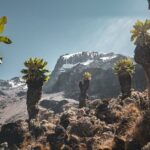
Day 2 is the turning point where the rainforest gives way and your brain gets the message that altitude is coming. After breakfast, you head out and continue on an ascending path, leaving the forest behind. The route climbs steadily with wider views, and you work toward the rim of the Shira Plateau.
The big change you’ll notice is temperature. You start to feel the drop as you gain elevation, and the air can feel sharper on your lungs. The trail is longer than it may sound, but the pacing is purposeful: steady climb, not a sprint. This day is about moving upward while you still have energy.
For many people, Day 2 is mentally easier than Day 3 and Day 7, because you still feel like you’re making normal hiking progress. That’s why it’s important: it sets you up to enjoy the plateau without feeling like your body is already smashed.
Shira Plateau and Lent Hills: The Acclimatization Day That Pays Off Later
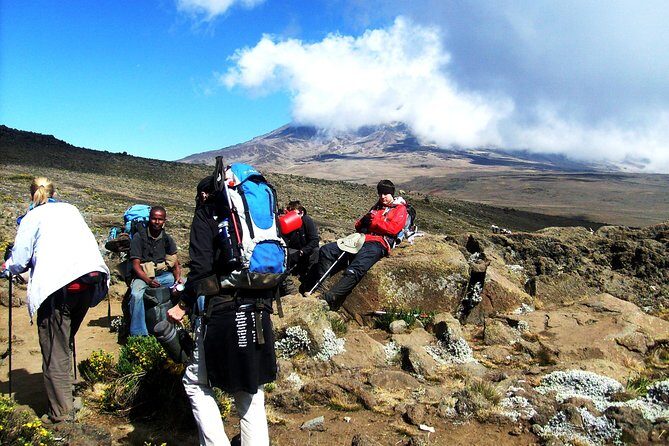
Day 3 is built for acclimatization, and I love that about the Lemosho schedule. You spend a full day on the Shira Plateau, walking in a gentler way east toward Kibo’s glaciered peak. This is one of those days where you’re not just collecting distance—you’re letting your body adjust while you get those big “we’re really here” views.
You walk across plateau terrain and reach Shira 2 camp on moorland meadows near a stream. Then the day continues toward Moir Hut, a less-used spot near the base of Lent Hills. Lent Hills matter because they offer multiple walking options, which can help you fine-tune your acclimatization without doing something reckless.
If you’re wondering why people obsess over acclimatization days on Kilimanjaro, here it is in plain terms: you’re trying to avoid turning the summit push into a survival scramble. A full acclimatization day on high plateau terrain helps you arrive at later camps with better function. You might still feel altitude, but it’s different when you’re more rested and adjusted.
At roughly 3,505 m up to around 4,200 m (11,500–13,800 ft), this day doesn’t feel like the hardest altitude work. The grind comes later, but this is where you lay the groundwork.
Lava Tower to Barranco: The Day You’ll Remember for the Views
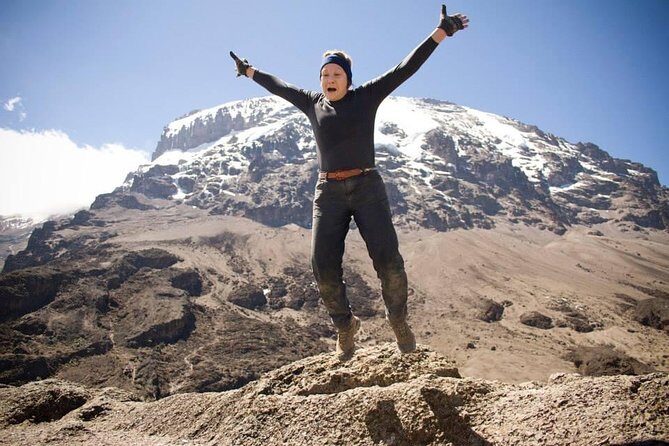
Day 4 has a classic Kilimanjaro structure: travel across altitude features, then descend to a camp that makes sense for the next steps. You start from around 4,200 m and finish around 4,000 m by descending to Barranco Camp.
From Shira Plateau, you continue east up a ridge and pass a junction near the Kibo peak direction. Then you head southeast toward the Lava Tower, often called the Shark’s Tooth, around 4,650 m (15,250 ft). This is one of those trail moments where you feel like you’re standing on the edge of the mountain’s story.
After Lava Tower, you reach a second junction that leads toward the Arrow Glacier. From there, you keep moving and descend to Barranco Camp. That’s key: you’re not just going up. You’re managing altitude and positioning yourself for the next part of the South Circuit.
The practical side of this day: your legs work, but the descent to camp can feel tiring too. You’ll likely feel the effort in your quads and ankles, and the ground may not always be friendly. Trekking poles help here, especially on rocky descents.
Barranco Wall to Karanga Camp: Where the Trail Gets Steep
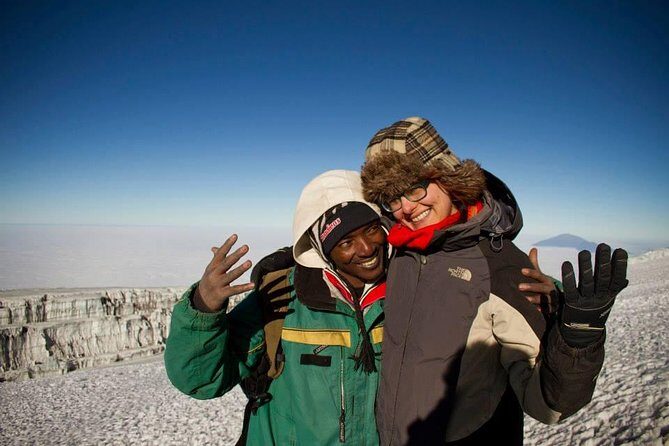
Day 5 is one of the more impressive days on the route, and it’s also one that asks for good technique. After breakfast, you continue on a steep ridge up the Barranco Wall. This is the kind of climb where steady steps and controlled breathing matter more than speed.
As you gain altitude, you continue to the Karanga Valley and reach a junction that connects with the Mweka trail. Overnight is at Karanga Camp.
A lot of people focus on the scenery, and yes, you’ll see it. But what stands out more is watching how the crew moves with confidence. When the trail looks awkward, it’s comforting to have strong porters and a cook team that knows how to set up a good camp experience later. The best part is that the crew can take some pressure off your mind: you focus on your pacing and your footing.
Also, if you’re used to “power through” hiking, this is where the mountain teaches patience. Steep sections are where your body can get stressed quickly. Keep your pace even.
Barafu Camp and the South Circuit Rhythm: Rest Like It Matters
Day 6 is the transition into the upper part of the trek, and you’ll feel that in your schedule. You continue up toward Barafu Camp, and once you reach it, you’ve completed the South Circuit. Barafu is where the views are dramatic and the days become more summit-oriented.
The plan calls for an early dinner and rest, and I agree with that approach. Summit night starts between midnight and 2 a.m., so your pre-summit sleep quality is a weapon. If you treat Day 6 dinner as casual or stay too alert in camp, you’ll feel it later.
This day lasts about 5 hours of walking (per the itinerary timing), but don’t treat that number like it’s light. You’re already at high elevation, and even a shorter day can take a toll. The value of Day 6 is that it positions you for the hardest day on the mountain with enough recovery to keep your summit attempt more controlled.
Midnight Summit Push: Stella Point Sunrise on a Crater Rim
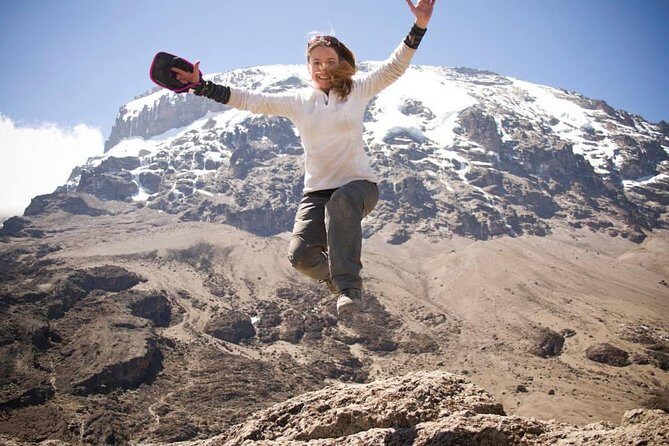
Day 7 is the big one. You start between midnight and 2 a.m., and this is described as the most mentally and physically challenging portion of the trek. That’s accurate in the way that matters: you’re climbing in cold conditions, on tired legs, with very little normal sleep.
The route takes you to the summit between the Rebmann and Ratzel glaciers. The ascent uses a switchback motion in a northwesterly direction, climbing through heavy scree toward Stella Point on the crater rim. You get a short rest there, and this is where you may be rewarded with the most magnificent sunrise.
Here’s the practical part I want you to take seriously: sunrise moments are beautiful, but you shouldn’t get distracted by emotion while your body is in tough mode. Focus on rhythm, warmth, and breathing. If you’re prepared with layers and you can keep yourself warm at rest stops, you’ll feel more in control.
Also, pace matters more than ego. Heavy scree makes it easy to rush and then slow down hard. A steady tempo helps you stay consistent through the crater rim section. When you’re dealing with fatigue and altitude, “faster” is often a trap.
Even though this day is long (about 13 hours on the itinerary), the climb has moments of clarity: you move, rest, move again. Your guide’s job is to help you keep your head. On these routes, names like Zacariah and Epa come up in customer praise for being patient and encouraging—exactly what you need when your brain wants to quit.
Descent to Mweka Gate: Certificates, Mud, and the Hot Shower Payoff
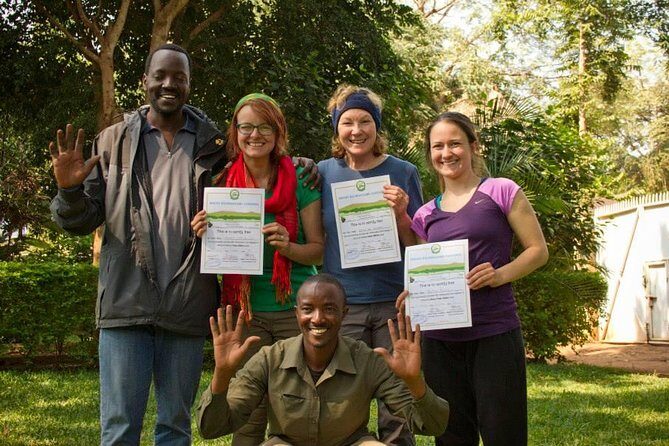
Day 8 begins after breakfast with a ceremony of appreciation and team bonding with your crew. Then you say goodbye and head down to the Mweka Park Gate to receive summit certificates.
The descent is roughly from about 3,090 m down to around 1,680 m (10,150 ft down to 5,500 ft). That’s a big elevation drop, but don’t misread it as easy. The terrain can be wet, muddy, and steep, especially because after a summit attempt you’re already tired and less stable on uneven ground.
This is where the advice on gaiters and trekking poles becomes even more important. Gaiters keep grit and mud from soaking into your shoes. Poles help you control your knees and keep your balance on slick sections.
After you reach Mweka village, a vehicle meets you and drives you back to Moshi in about 30 minutes. Then you’re set up for the classic end-of-Kilimanjaro moment: a long, overdue hot shower, plus a celebratory dinner.
That final day is emotionally satisfying, but your body still needs respect. Your success isn’t just about getting to the top. It’s also about getting down safely.
Price and Logistics: What $2,600 Really Covers
At $2,600 per person, this climb isn’t cheap. But it’s not just a ticket to walk in the mountains either. The included cost covers a lot of the stuff that can quietly add up on a self-managed trip:
- Park fees and crew park fees
- Camping equipment
- Rescue fees
- Water
- Salaries for your guide, cooks, and porters
- Transport to and from the mountain for you and the crew
- Certificates of achievement
- Meals: 7 breakfasts, 8 lunches, 8 dinners
- Airport transfer 2 ways (complimentary)
For value, this is the key question: are you paying for administration and support, or only for the trail? Here, you’re paying for a full operating system that keeps the climb moving and safe. You’ll still need to cover things not included, like international flights, visas, travel insurance, and additional personal gear. But you avoid a lot of “nickel-and-dime” surprises.
One more detail that affects value: the operator lists a maximum of 2 travelers. That often points toward a smaller, less chaotic client load, which can matter on summit night and during camp logistics. I can’t promise it’s always quiet, but the structure suggests you’re not fighting for oxygen, attention, or pacing control.
Gear, Fitness, and What You Should Expect Physically
This trek suits people with moderate physical fitness. That doesn’t mean you should underestimate it. Kilimanjaro is still long, high, and cold at night. The itinerary length and daily elevation changes mean you need endurance, not just enthusiasm.
Here’s what the schedule implies about how you should train:
- Practice uphill hiking and long walks so your legs handle repeated elevation work.
- Train your core and balance, because steep sections and scree are harder than they look.
- Get used to long days and walking on tired legs.
Gear-wise, the itinerary strongly emphasizes gaiters and trekking poles, especially on muddy, slippery parts early and on the wet, steep descent on Day 8. You can hike without them, but you’ll pay for that choice with discomfort. And comfort is not fluff on Kilimanjaro. Comfort helps you keep moving steadily and calmly.
Also plan for cold mornings and night starts. Summit day begins between midnight and 2 a.m., which means temperatures can bite before sunrise. Bring a layering system you can use actively while walking and also when you stop for rest.
Guides and Crew: Why Names Like Amos and Epa Matter
A Kilimanjaro climb is won or lost by small moments: pace advice, warmth help, encouragement when your brain turns loud. That’s why I pay attention to guide feedback, not just the route name.
In the way customers describe their experience, host/arranger Amos shows up as a key point of contact, and guides such as Zacariah, Epa, Eric, and Nicholas are praised for being patient and encouraging. That’s exactly what you want when altitude makes you impatient, and when you’re tempted to speed up to feel in control.
Your crew is also more than background support. They handle food, camp setup, and movement. The best crews make your trek feel organized even when you’re tired and cold. And on technical-feeling days like Barranco Wall, having a coordinated crew can make the whole day feel more manageable.
If you’re choosing between operators, this is an easy test: do they treat you like a person who needs pacing and reassurance, or do they treat you like a statistic? In this case, the tone in customer praise leans clearly toward care and steadiness.
Who This 8-Day Lemosho Trek Fits Best
I’d steer you toward this Lemosho 8-day schedule if you:
- Want a route that favors acclimatization before the summit push
- Prefer a plan with a short, easier day right before summit night
- Appreciate iconic route features like Lava Tower and the Barranco section
- Value a package where meals, water, gear, and major mountain fees are already handled
I’d be a little cautious if you:
- Want a short, fast trip and dislike long, cold summit nights
- Know you struggle with early starts even when the rest of the day is manageable
- Don’t plan to bring or use trekking poles and gaiters on muddy, steep terrain
Should You Book This Lemosho Climb?
If your goal is a well-paced Kilimanjaro attempt with logistics mostly taken care of, I think this is a strong choice. The itinerary makes practical sense: Shira Plateau for acclimatization, Barranco/Karanga for positioning, Barafu for summit night prep, and then a long descent with certificates and real closure.
My biggest “yes” comes from two design choices: the plan’s acclimatization-first structure and the short day right before the midnight start. That’s the kind of detail that matters when your body is the limiting factor.
My biggest “wait” comes from the obvious reality: summit night still starts between midnight and 2 a.m., and Day 8 descent can be wet, muddy, and steep. If those sound like deal-breakers, you might feel better with a different pacing philosophy.
If you can handle early nights, keep your gear practical, and take pacing seriously, this Lemosho route is the kind of climb that feels like it was built to help you succeed.
FAQ
What time does the trek start?
The start time is 9:00 am.
How long is the Lemosho route on this package?
It’s listed as 8 days and 7 nights.
Where does the trek begin and how do you get into the park?
You meet in Moshi and then drive about 45 minutes to Kilimanjaro National Park Gate.
Is pickup offered?
Yes, pickup is offered.
What’s included in the tour price?
Included items listed are park fees, camping equipment, rescue fees, water, salaries for guide/cooks/porters, transport to and from the mountain for you and the crew, crew park fees, certificates of achievement, airport transfers (2 ways complimentary), and meals (7 breakfasts, 8 lunches, 8 dinners).
What is not included?
International flights, visas, travel insurance, and additional personal equipment are not included.
What gear does the route recommend?
Gaiters and trekking poles are strongly recommended, especially for muddy/slippery trails and the wet descent.
When does summit night start?
Summit night begins with an early start between midnight and 2 a.m.
Is there free cancellation?
Yes. Free cancellation is available up to 24 hours in advance for a full refund.