REVIEW · ARUSHA
Materuni Waterfalls and Coffee plantation Day Trip
Book on Viator →Operated by Aquiline safaris and adventures · Bookable on Viator
Waterfall first, then coffee village life. That mix is exactly why this day trip feels special. I love the chance to cool off at Materuni Waterfall and I also love how the Chagga coffee experience turns a simple drink into a story you can taste.
You’ll walk through working farmland, then spend real time with people who grow, process, roast, and brew coffee right where it’s grown. One thing to consider: this is an outdoor day, so good weather matters more than you’d think.
If you’re coming off safari dust or a Kilimanjaro hike and you still want something active, human, and scenic, this is a strong pick.
In This Review
- Key highlights at a glance
- First stop: walking into Materuni Waterfalls (and why the village setting matters)
- Chagga village life and coffee: from harvesting to grinding, roasting, and boiling
- The coffee part is also practical
- Lunch: a Chagga meal that fits the day instead of interrupting it
- How the day runs (about 6 hours) and what that means for your body
- Price and value: is $150 per person fair?
- Pickup, tickets, and group setup: your day should feel smooth
- What to bring: swimsuit, shoes, and optional add-ons
- Your guide matters: what good hosting looks like here
- Who should book this day trip, and who might prefer something else
- Should you book the Materuni Waterfalls and Coffee Plantation Day Trip?
- FAQ
- How long is the Materuni Waterfalls and Coffee plantation day trip?
- What time does the tour start?
- Is pickup included?
- What is included in the $150 price?
- What is not included?
- Is the tour private or shared?
- Will I receive a ticket on my phone?
- Do I need good weather?
- What is the cancellation deadline for a full refund?
Key highlights at a glance
- Materuni Waterfall swim time: there’s a natural pool where having a swimsuit can pay off.
- 3-hour village + coffee workflow: you’ll see how coffee moves from bean to cup.
- Chagga food at lunchtime: you’ll be served a national Chagga meal as part of the visit.
- Pickup + private transport: you’re not piecing together buses or waiting on strangers.
- Admission tickets are included: at both main stops, so you aren’t hunting for anything mid-day.
- A short, doable hiking-style walk: enough walking to feel like you did something, not a full trek.
First stop: walking into Materuni Waterfalls (and why the village setting matters)
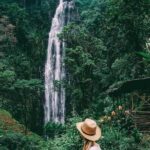
Materuni Waterfalls is the kind of place where the surroundings matter as much as the water. You start with a walk toward the falls, and along the way you get a sense of how local farming fits into everyday life. The area is known for fruit crops like avocados, mangoes, lemons, and bananas, and it’s a reminder that this isn’t a “pretty viewpoint” carved out of nowhere.
As you approach the falls, you’ll also get context on village life and agriculture—how people make a living, what traditions look like, and how the local economy ties into the land. That’s what makes the waterfall feel earned. You’re not just walking to a photo spot; you’re moving through a real working area.
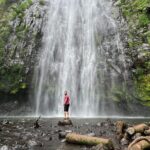
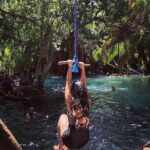
Then you reach the waterfall and the pace shifts. You can refresh yourself in the natural pool, which is why having a swimsuit makes sense. The water is the payoff for the walk—simple, physical, and immediately rewarding. If you’re the type who likes short hikes with a clear destination, this part hits the sweet spot.
The only real drawback here is the obvious one: you’re outside for the hike and for the waterfall time. If weather turns, your day can change.
A few more Arusha tours and experiences worth a look

Chagga village life and coffee: from harvesting to grinding, roasting, and boiling
After the waterfall, the tour continues into the coffee plantation village experience. This is the heart of the day. Instead of just tasting coffee and moving on, you get the full “from the farm to your cup” story—told in the way Chagga communities live it.
You’ll enter a village in the coffee-growing area and watch the process of coffee farming and preparation. The big idea is that coffee isn’t treated as a single step. It’s a sequence: harvesting, handling, processing, and then turning beans into a drink through grinding, roasting, and boiling.
And yes, there’s a cultural component here. You’ll be invited to sing along and participate in dancing with the Chaga people as they work. It’s not a performance staged for tourists; it’s more like you’re joining a moment where music and work share the same space. That’s what makes it memorable. It turns the experience from educational to personal.
When coffee is ready, you’ll get served lunch—a national Chagga meal. The timing matters. You’re learning the process, then you’re eating what the people behind the process actually serve. If you like food as part of travel (and not just fuel), this part is a big reason to choose this tour.
The coffee part is also practical
Even if you’re not a coffee-nerd, you’ll walk away with a clearer sense of what changes from bean to cup. You’ll understand that roasting and boiling shape flavor, and you’ll see why farmers pay attention to the steps you usually never think about. It’s the kind of knowledge you can use later, even back home.
Lunch: a Chagga meal that fits the day instead of interrupting it
Lunch is included, and it’s not treated like a random stop on the way to something else. You’re already in the coffee plantation village, so eating there makes sense. You’re not rushed out. You’re finishing your morning’s learning with a meal that reflects local life.
Because the tour is built around a village visit, lunch also becomes part of the cultural flow. You’re likely to eat in the same general setting where the coffee preparation has been happening. That helps you connect the dots between farming and daily routine.
What should you expect? The tour says you’ll be served a national Chagga meal. The exact dishes aren’t listed in the details you have here, so don’t plan your meal expectations down to the plate. But plan on a genuine lunch experience that belongs to the village, not a tourist-only buffet.
One small thing to keep in mind: this is a full day held together by timing—waterfall time first, then village coffee and lunch—so you don’t want to go too heavy on snacks right before. You’ll enjoy lunch more when you’re properly hungry.
How the day runs (about 6 hours) and what that means for your body
The day is structured to fit within about 6 hours total, starting at 8:00 am. It breaks into two main blocks—roughly three hours for the waterfall side and about three hours for the coffee and culture side. That timing matters because it keeps the day from dragging, but it still gives enough time to actually do things.
Here’s what that means for you:
- You’ll be moving around enough to feel outdoorsy, not museum-sitting.
- You’ll also have enough time to slow down when it’s time for swimming at the falls and eating lunch afterward.
- You shouldn’t expect long, complicated travel between stops, since private transportation is included.
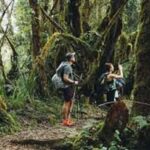
What about the effort level? The tour notes that most travelers can participate, which is a good sign if you’re not looking for a technical hike. Still, you should be ready for uneven ground around a waterfall approach and a village path through farmland. Wear shoes you’re comfortable getting a bit dusty.
Also, this is an outdoor day, and you’ll want to be flexible. The operator notes that the experience requires good weather. If the weather isn’t cooperating, you’ll be offered a different date or a full refund.
A few more Arusha tours and experiences worth a look



Price and value: is $150 per person fair?
At $150 per person, you’re not paying for a cheap shortcut. But you are paying for several things that add up fast when you travel in Tanzania: private transportation, lunch, admission fees included at the main stops, and a guided experience focused on both nature and coffee culture.
This is what makes it feel like value rather than just a price tag:
- Private transport reduces stress and wasted time. You’re not coordinating multiple stops on your own.
- Lunch included matters because a day like this costs more once you add meals separately.
- All fees and taxes included helps you avoid the annoying guessing game of what costs extra.
- You get two meaningful blocks of time: waterfall + coffee village, not one quick “hit.”
So, is $150 worth it? If you want a day that combines a real nature highlight with a working agricultural/cultural experience, it’s a solid deal. If you’re only interested in seeing a waterfall and you’re not keen on village coffee life, it might feel pricey. This tour is best for people who enjoy small, human details.
Pickup, tickets, and group setup: your day should feel smooth
The experience is private, meaning you’re traveling as your group only. That’s ideal if you don’t want to share attention, move at other people’s pace, or feel like you’re rushing to keep up.
Pickup is offered, and the start time is 8:00 am, so plan for an early morning. You’ll also receive a mobile ticket, and confirmation comes at booking. That combination is helpful because you don’t want last-minute confusion when you’re coordinating a full day trip.
If you’re staying around Arusha, this is the kind of structured day that can work well even if you’re not staying in Moshi itself. You get transport and planning built into the day, which is the whole point of paying for a guided tour.
What to bring: swimsuit, shoes, and optional add-ons
Bring the basics, then add the couple of items that match the day’s activities.
Must-haves for comfort
- Comfortable walking shoes (ground can be uneven near water and farmland)
- Light layers (morning starts at 8:00 am, but temps can shift)
- A swimsuit if you want to use the natural pool at the waterfall
Optional add-ons you may see listed
- Snorkeling equipment rental is listed as $30 per person, but the tour details you have are focused on the waterfall and coffee village. If you plan to rent snorkeling gear, confirm what activity it’s tied to on your exact day schedule.
- Trekking poles are listed as $25 per person. Even if you don’t need poles, it can be useful for stability on uneven paths.
And don’t forget the simple stuff: water, sun protection, and a small bag to keep things dry if you’re planning to swim.
Your guide matters: what good hosting looks like here
Good guides can turn a decent day trip into a day you remember. This tour is run by Aquiline safaris and adventures, and the experience is guided. Based on the names you may encounter in the field, you could be hosted by people like Joshua or Enock, and in at least one case the booking experience included a guide named John.
What I like about this style is the blend: you get practical help (like making sure you know what you’re doing), plus real communication during the coffee and village segments. If a guide has good English and a friendly, clear way of explaining what you’re seeing, you’ll enjoy both the waterfall walk and the coffee process a lot more.
There’s also a social side: one traveler even highlighted a special friend named Steven who was described as helpful. That’s a reminder that the best part of these trips is often the human support around you.
Who should book this day trip, and who might prefer something else
This is a strong fit if you:
- Want a nature break that still feels connected to local life
- Like coffee, food, and cultural interactions with real context
- Prefer private guidance and a structured half-day/one-day rhythm
It may be less ideal if you:
- Want a totally low-effort day with minimal walking
- Are only interested in a quick photo stop and don’t care about the coffee process
- Are traveling in rough weather conditions when outdoor time could be shortened or reshuffled
It’s also a good choice for people combining safari or mountain hiking with something different. It offers “reset energy” without requiring another long trek.
Should you book the Materuni Waterfalls and Coffee Plantation Day Trip?
If you want a day that mixes a real waterfall swim opportunity with a hands-on Chagga coffee experience, I think it’s worth booking. The structure is efficient, the inclusions are clear (transport, lunch, fees), and you’re not just watching coffee—you’re learning the steps that bring it to your cup.
Book it if you’re excited about food, farming, and meeting people where they work. If you’re more into pure sightseeing without interaction, you might want a different type of tour. But for most visitors who want something grounded in everyday life, this one delivers.
FAQ
How long is the Materuni Waterfalls and Coffee plantation day trip?
It lasts about 6 hours.
What time does the tour start?
The start time is 8:00 am.
Is pickup included?
Yes, pickup is offered, and private transportation is included.
What is included in the $150 price?
The tour includes private transportation, lunch, and all fees and taxes. Admission ticket(s) are also included for the main stops.
What is not included?
Snorkeling equipment rental (30 USD per person), trekking poles (25 USD per person), and tips are not included.
Is the tour private or shared?
It’s a private tour/activity, so only your group participates.
Will I receive a ticket on my phone?
Yes, it includes a mobile ticket.
Do I need good weather?
Yes. The experience requires good weather, and if it’s canceled due to poor weather, you’ll be offered a different date or a full refund.
What is the cancellation deadline for a full refund?
You can cancel up to 24 hours in advance of the experience’s start time for a full refund. If you cancel less than 24 hours before, the amount paid is not refunded.