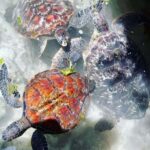
REVIEW · NUNGWI
Nungwi Village Tour & Swim with Turtles at Mnarani Aquarium
Book on GetYourGuide →Operated by Zanturtle Explore Tours and Safaris · Bookable on GetYourGuide
Zanzibar’s north has a softer pace than the party strips, and this short Nungwi tour is a perfect taste of daily life. You’ll see the Nungwi fish market in action, then move on to the Mnarani Natural Aquarium—a tide-shaped coral basin that makes turtle time feel more natural than a fenced exhibit. One thing to consider: the visit includes walking on uneven ground and sun, so bring good shoes and plan for heat.
What makes it especially satisfying is the mix of jobs and water. You get a real look at how fishermen work around the reef, how dhows are built at the boat yard, and how locals use the shoreline for living and relaxing. The tour runs about 2.5 hours, with hotel pickup and drop-off included, so it’s easy to fit into a beach day.
In This Review
- Key Points You’ll Care About
- Nungwi Village in 2.5 Hours: Why This Tour Feels More Local
- The Fish Market Morning: Catch of the Day and Reef-Edge Fishing
- Nungwi Boat Yard and Dhow Building: Wood, Joints, and Sea-Ready Design
- Mnarani Natural Aquarium: A Coral Bedrock Pool Made by Waves
- Swimming with Sea Turtles: The Part You Need to Budget For
- Cultural Stops That Go Beyond the Usual Photo Moments
- What Else You’ll Do: Beaches, Sea Time, and Guided Timekeeping
- Price and Value: Is $54 Worth It?
- Who Should Book This Tour (and Who Should Skip It)
- Should You Book This Nungwi Village Tour and Swim with Turtles?
- FAQ
- How long is the Nungwi Village Tour and Turtle Swim?
- Where does this tour take place?
- What’s included in the price?
- Is entry to Mnarani Natural Aquarium included?
- How much cash do I need for the turtle swim?
- What should I bring for the tour?
- Can I swim?
- What languages are available for the tour guide?
- What is the cancellation policy?
Key Points You’ll Care About

- Fish market in early motion: you’ll catch the bustle when the morning trade is happening.
- Dhow boat-yard demo: see how traditional ships are made and launched, not just photographed.
- Coral-bedrock aquarium shaped by tides: water depth rises and falls naturally as conditions change.
- Turtle swim is optional but pay-at-site: you’ll need cash for the swimming experience fee.
- Guides bring local context: names like Gandhi show up in real group tours, and you’ll hear village stories.
- A personal village feel, not a checklist: the best moments can include a stop connected to local kids and classrooms.
Nungwi Village in 2.5 Hours: Why This Tour Feels More Local

Nungwi is one of the most well-known spots on Zanzibar, but it’s not only beaches and sunsets. This tour uses a short, focused route through the places that make the village run: fishing, boat building, and daily community life along the coast. Instead of racing around scenic stops, you get a guided explanation of what you’re seeing while people are working.
Because it’s a private group, the pace is easier to manage. That matters when you’re moving between a market, a yard, and a shoreline aquarium. You’re not stuck in a big crowd where you can’t ask questions or slow down for details.
You’ll also appreciate the practical timing. The fish market visit is designed for the early hours, when the day’s catch is being brought in and sold. Then the tour shifts to the boat yard and the aquarium—less about rushing and more about watching how the coastline supports livelihoods.
A few more Nungwi tours and experiences worth a look


The Fish Market Morning: Catch of the Day and Reef-Edge Fishing

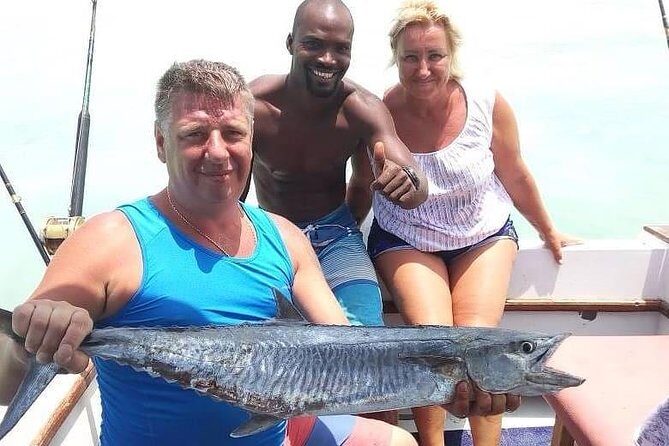
The tour starts with the fish market, and the key word here is timing. Going when it’s in full swing means you’re more likely to see a good range of large fish and sea life that hit the previous night’s fishing. Depending on what was caught, you might see fish like tuna, kingfish, or dorado, plus other varieties sold fresh.
But the real value isn’t just the fish names. It’s how the market connects to the water. You’ll get to see fishermen moving at the edge of the coral reef, wading in and working to catch different small sea creatures—sometimes including squid, octopus, puffer fish, and even the occasional ray.
If you’re the type who likes to understand the “how” behind what you see, you’ll enjoy this stop. The guide’s job is to translate daily routines into context—what’s happening, why it matters, and what the village depends on.
Practical note: markets can be busy and humid. Plan on using your camera, but also respect people’s privacy. If you want photos, it’s smart to ask first rather than assuming you can shoot freely.
Nungwi Boat Yard and Dhow Building: Wood, Joints, and Sea-Ready Design

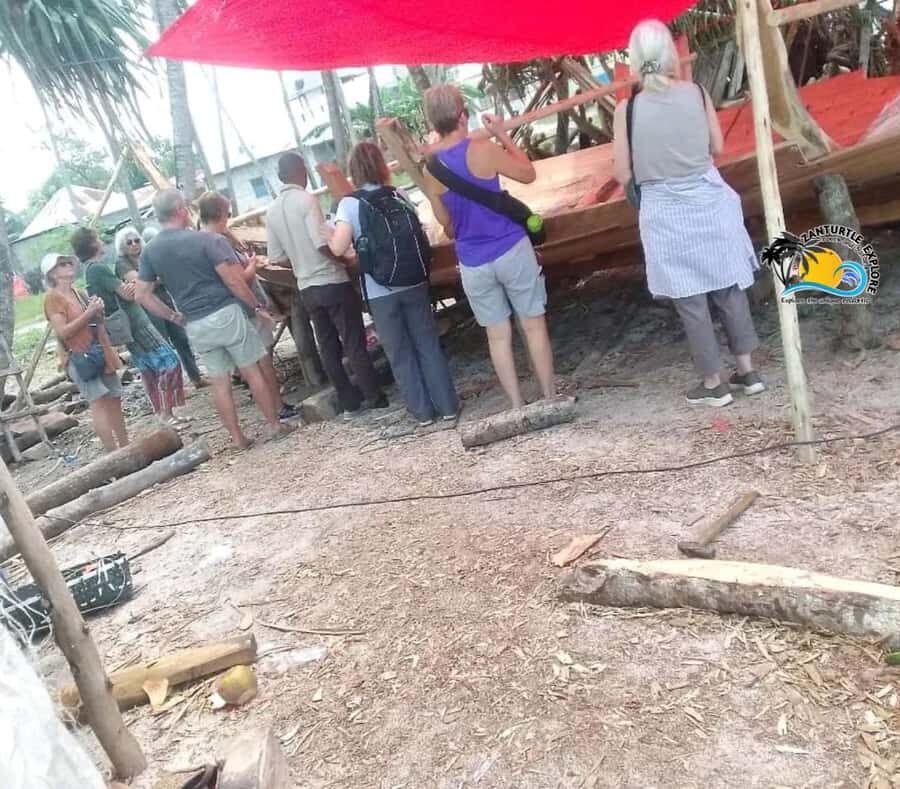
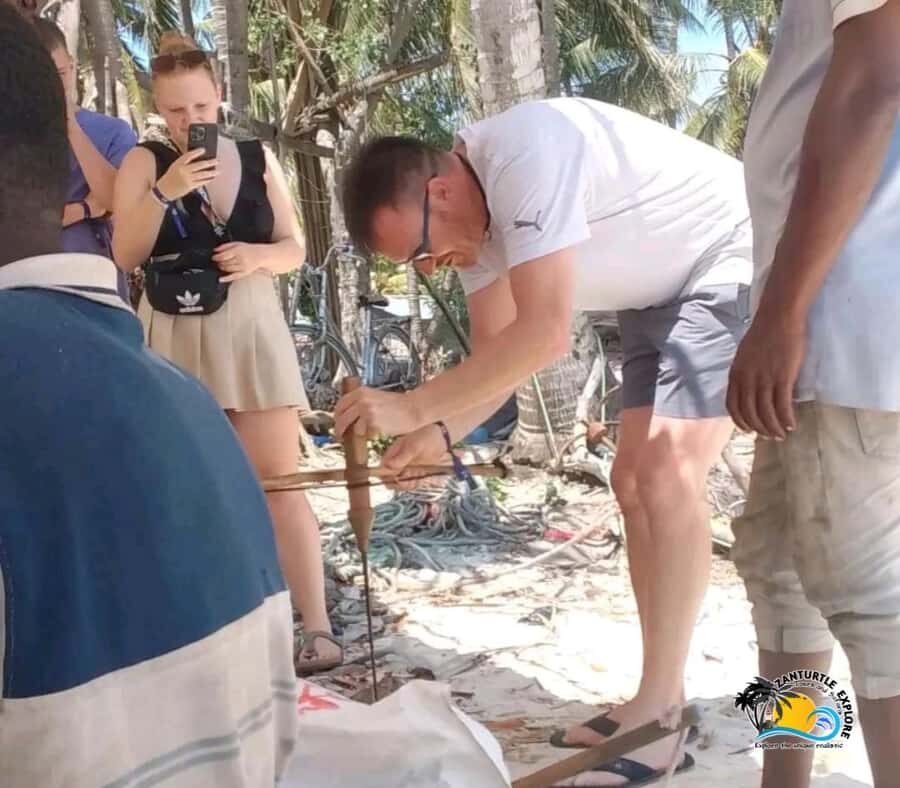
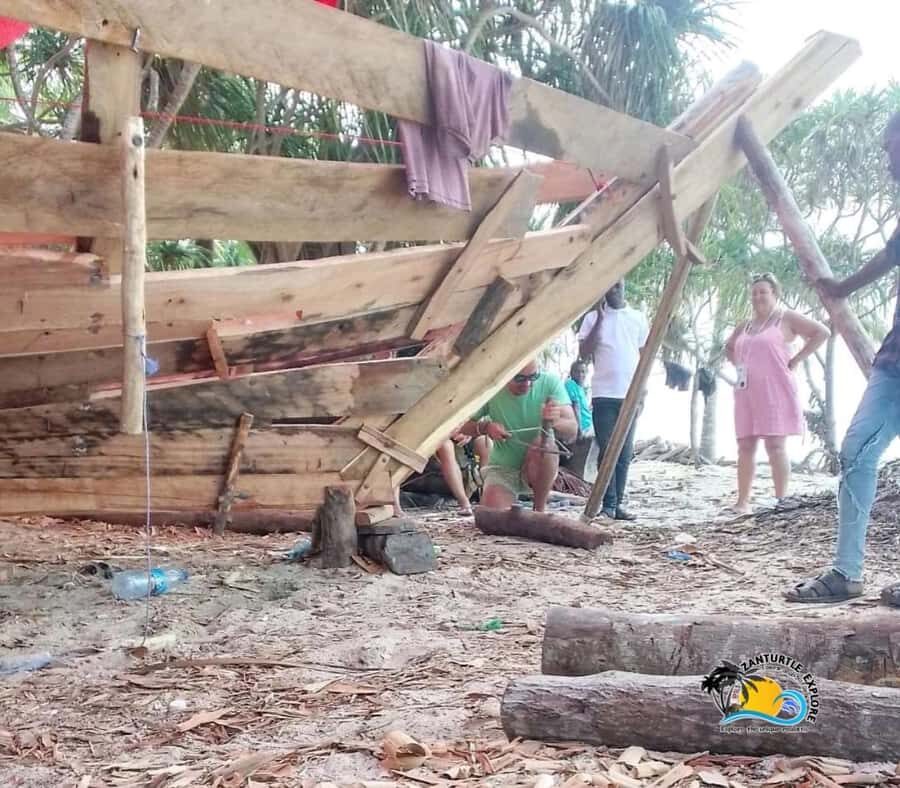
Next comes the Nungwi Boat Yard, where you’ll learn about dhow construction. This isn’t a museum-style lecture. You’ll see how dhows are built by watching a demonstration and meeting the yard owner who explains what goes into the work.
The standout lesson here is that traditional shipbuilding is practical and specific. You’ll hear about sourcing the wood, how the joints are made, and how the boats are launched. That’s the kind of detail that turns a nice photo into real understanding.
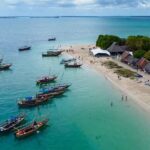
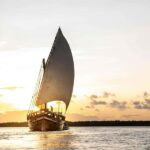
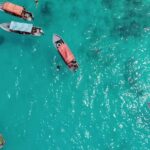
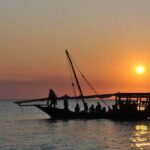
You’ll also get a nice visual break at this stage of the tour. As the sails of dhows pass on the water, you’re not just hearing about maritime life—you’re seeing it from the shoreline. It gives the whole day a sense of continuity: fish today, boat work in between, and the aquarium tied to the same coastal environment.
One consideration: boat yards can be visually interesting but physically rough around the edges. Wear comfortable shoes. Even if you’re not climbing anything, you’ll likely be stepping on ground that’s uneven and salty.
Mnarani Natural Aquarium: A Coral Bedrock Pool Made by Waves

Then you reach the Mnarani Natural Aquarium, and it’s the kind of place that changes your perspective on what an aquarium can be. This isn’t a tank behind glass. It’s a natural formation carved from coral bedrock by erosion over millions of waves.
The water here isn’t static. Its depth rises and falls with the tides, which means the environment you’re observing shifts throughout the day. That’s important for wildlife because it affects where animals gather and how water moves through the basin. It also adds variety for you—you’re not just looking at one unchanging “set.”
This stop also works well if you like straightforward explanations. The guide will connect the geology and tide rhythm to the life you’re seeing in the water. Even if you’re not a marine expert, you can quickly understand why the place looks the way it does and why it’s good habitat.
Important practical point: aquarium entry is not included in the tour price. So if you’re planning to do turtle swimming, you’ll need to handle the site fee with cash.
Swimming with Sea Turtles: The Part You Need to Budget For

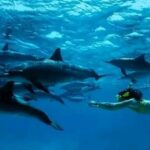
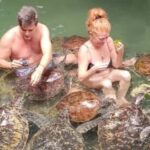
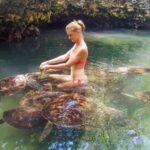
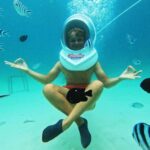
This is the headline activity for many people, and it’s why many travelers choose this tour: the chance to swim with sea turtles at Mnarani Natural Aquarium. The tour includes access to the aquarium area and the opportunity for turtle swimming, but the on-site entry fee for the swimming experience is separate.
You’ll need to bring $10 in cash (listed as TZS 25,000) for the entrance fee for the Swimming with Sea Turtle experience. That’s not a small detail. It’s the difference between planning a smooth swim and having to improvise at the last minute.
If you want to swim, pack a towel and plan to wear swimwear. The day’s sunny and warm, and you’ll be moving between stops. Also, this activity may not be ideal if you’re prone to seasickness since you’re around coastal water and may be affected by conditions.
How to make this part feel respectful: treat the experience like wildlife time, not a performance. Keep your behavior calm, give space, and be mindful with photos.


Cultural Stops That Go Beyond the Usual Photo Moments
A good village tour doesn’t just show places—it shows people. This one focuses on local culture and lifestyle in Nungwi, with built-in opportunities to see fishermen at work and understand how the village functions beyond the beach strip.
What really elevates the experience is the human side. In some group tours, a highlight has included a stop connected to a local kindergarten, where the energy of children can hit you right in the feelings. You may notice that kind of warmth quickly, even when resources are limited. One booking mentioned the joy around simple treats like a Chupa Chup, and that image stays with you because it’s honest.
Also, guides matter here. A named guide that came up in a verified booking was Gandhi, and the feedback praised his ability to bring the tour closer to the places and people you’re visiting. Even when vocabulary gaps happen, guides often work hard to keep the story going clearly in another language.
Cultural note: the tour guidance asks you to respect locals’ privacy and ask before taking photos. That’s not just politeness. It keeps the village from turning into a photo set.
What Else You’ll Do: Beaches, Sea Time, and Guided Timekeeping
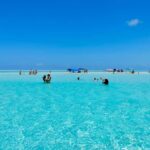
Between the market, boat yard, and aquarium, you’ll also have a chance to relax on the sandy beaches or swim in the natural sea. This isn’t long enough to replace beach time on its own, but it’s a nice way to break up the day so it doesn’t feel like you’re constantly walking.
Because the tour duration is 2.5 hours, the sequence is efficient. Hotel pickup brings you in, the guide keeps the rhythm, and you’ll be back after a half-day that still leaves room for lunch and a slower afternoon.
Logistics are also handled for you in a practical way: hotel pickup and drop-off means you’re not hunting for meeting points while you’re already sweaty and sun-tired. You’ll meet in your hotel lobby or reception area, then go from there.
One note if you’re mobility-limited: the information says wheelchair accessible, yet it also states it’s not suitable for people with mobility impairments. If that applies to you, treat it as a “confirm first” situation. Ask the operator how much walking is involved and what the surfaces are like on the day.
Price and Value: Is $54 Worth It?
The tour is listed at $54 per person, and whether it’s a good value comes down to what you want out of a short Zanzibar experience.
Here’s what you’re paying for in real terms:
- A guided Nungwi village tour (not self-guided)
- Hotel pickup and drop-off
- Access to the fish market
- A visit to the Mnarani Natural Aquarium
- A dhow building demonstration
- Time to see fishermen at work
- A basic visit flow that takes you through multiple kinds of local life in one go
What’s not included:
- Mnarani Aquarium entry (and specifically the turtle swim fee)
- Personal expenses
So if you swim with the turtles, plan extra cash for that $10 fee. If you don’t swim and you just want the village stops and aquarium viewing, your budget is closer to the advertised price.
In other words, the tour looks best when you want guided context and don’t want to organize transport and timing on your own. If you already have a driver and you’re comfortable building your own route to markets and boat yards, you could do it cheaper. But most people choose this because it’s already stitched together into a half-day that works.
Who Should Book This Tour (and Who Should Skip It)
You’ll probably love this if:
- You want a real village-side view of Nungwi, not just beach time.
- You like nature, but you prefer nature explained through people and place.
- You’re excited by practical marine and coastal life—markets, reef fishing, tides, and boats.
You should think twice if:
- You’re prone to seasickness.
- You need lots of smooth, flat walking surfaces and easy access. Even though the tour includes short stops, it still moves around coastal areas.
- You’re mainly looking for a long, relaxation-heavy day. This is a compact tour, and it moves.
It also fits well if you’re on a tight schedule. A 2.5-hour experience with pickup/drop-off makes it easy to anchor your day without draining it.
Should You Book This Nungwi Village Tour and Swim with Turtles?
Book it if you want a short Zanzibar activity that mixes fishing life, traditional boat building, and a real natural aquarium setting—with turtle swimming available if you’re ready to pay the site fee in cash. The $54 price makes sense when you factor in the guided value and the hotel convenience, and the turtle swim is a meaningful add-on rather than the only reason to go.
Skip it or confirm carefully if you’re dealing with mobility limits or seasickness concerns. Otherwise, this is one of those tours that feels like you learned something you can’t get from a postcard: how the coast shapes work, water, and daily life in Nungwi.
FAQ
How long is the Nungwi Village Tour and Turtle Swim?
The experience runs about 2.5 hours.
Where does this tour take place?
It takes place in the Unguja South Region of Tanzania, around Nungwi.
What’s included in the price?
You get hotel pickup and drop-off, a guided Nungwi village tour, bottles of water, access to the fish market, a visit to the Mnarani aquarium, and a dhow building demonstration. You’ll also get the chance to see local fishermen at work.
Is entry to Mnarani Natural Aquarium included?
Aquarium entry is not included in the tour price.
How much cash do I need for the turtle swim?
You should bring $10 (listed as TZS 25,000) in cash for the entrance fee for the Swimming with Sea Turtle experience.
What should I bring for the tour?
Bring comfortable shoes, a hat, a towel, a camera, sunscreen, and cash.
Can I swim?
Yes. The tour includes the opportunity to swim, including swimming with sea turtles at Mnarani Natural Aquarium if you pay the site entrance fee.
What languages are available for the tour guide?
The live guide can speak Arabic, English, French, Italian, German, Portuguese, Polish, Russian, and Spanish.
What is the cancellation policy?
You can cancel up to 24 hours in advance for a full refund.