REVIEW · MOSHI
Kilimanjaro climb, Kilimanjaro Crater route (10-day)
Book on Viator →Operated by Altezza Travel · Bookable on Viator
Sleep under Kilimanjaro crater stars. This 10-day Northern Circuit climb from Moshi is interesting because it includes crater camping, plus a planning-and-safety setup that favors steady acclimatization like oxygen tanks and oximeters. I also like how the route is described as rarely crowded, so you get more of that wild, high-altitude quiet instead of a parade of headlamps.
The big consideration is the altitude risk that comes with crater camping. This isn’t a casual walk-up, and the program itself calls for a realistic look at your fitness and any high-altitude experience—especially because conditions are harder when you’re sleeping unusually high.
In This Review
- Key things I’d zero in on before you commit
- Northern Circuit to the crater: why this climb feels different
- Price and logistics: what $6,466 actually buys you
- Moshi arrival and hotel base: getting oriented without rushing
- Londorossi Gate and Shira 1: the first acclimatization rhythm
- Shira 2 and Lava Tower: small gains, better chances
- Lava Tower to Moir Hut: ups, downs, and route flexibility
- Around Kilimanjaro’s northern slope toward the Kenya-border views
- 3rd Cave Camp and the Rongai connection: a shorter day that helps
- School Hut Summit Camp and the pre-midnight wait
- Uhuru Peak summit night: safety structure on a high-stakes day
- Millennium Camp to Mweka Gate: rainforest breathing and the final grind
- What the included medical and oxygen support really means
- Tents, rooms, food, and the small comfort wins
- Who should choose this climb (and who should pause)
- Should you book the Altezza 10-day Kilimanjaro crater route?
- FAQ
- What’s the tour duration for this Kilimanjaro climb?
- Where does the trip start and how do you get there?
- Is oxygen included on the mountain?
- What camping and sleeping setup is included?
- What food is included during the trek?
- Can I cancel for free?
Key things I’d zero in on before you commit
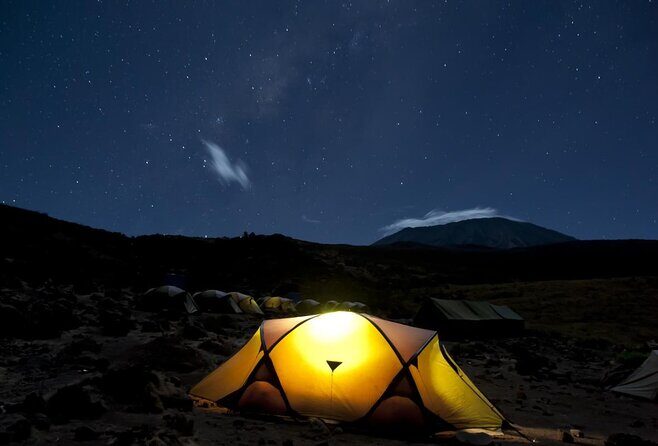
- Crater camping as a standout part of the trek, with extra altitude challenge baked in
- Unlimited oxygen tanks and oximeters plus frequent medical check-ups
- A guide per two climbers for close health monitoring on summit night
- Slow acclimatization rhythm early on (modest altitude gains and rests)
- Route flexibility around Lava Tower if someone needs more time to adapt
- Descent-focused safety reminders, because most trouble tends to happen when you come down
Northern Circuit to the crater: why this climb feels different
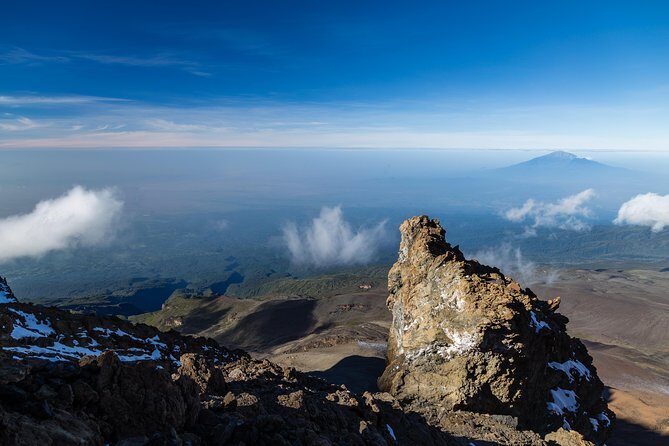
Kilimanjaro climbs can blur together if all you’re chasing is the summit photo. This one is built around the Northern Circuit idea: better acclimatization, huge views of the northern slopes, and far fewer people on the trail than more common options. That matters because altitude trips go smoother when your day-to-day pace is calm and you aren’t constantly adjusting to other groups.
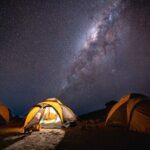
The other differentiator is the overnight in the Kilimanjaro crater. You’re sleeping higher than most places on Earth, under clear skies, with views of glaciers that are shrinking year after year due to wind erosion. In practical terms, crater camping changes the whole feel of the trip: you’re not just hiking to a peak, you’re living at altitude for longer, which can be thrilling… or unforgiving if you’re not prepared.
If you want a climb with a bit of solitude and a lot of mountain atmosphere, that combination is the core appeal here.
You can also read our reviews of more tours and experiences in Moshi.
Price and logistics: what $6,466 actually buys you
$6,466 per person is a serious chunk of money, so I’d frame value as what you’re offloading—planning, permits, equipment, medical support, and the day-by-day execution. In this program, you’re not just paying for a guide with a backpack. You’re also paying for ground transfers, park-related fees, camp operations, and the mountain gear setup.
What’s included that tends to cost extra with lesser operators:
- JRO airport pickup and drop-off, plus all ground transportation
- Hotel nights (two nights in Aishi Machame Hotel; two guests per room)
- Tents and pads (North Face VE-25 tents with sleeping pads; two hikers per tent)
- Three meals a day on the mountain plus drinks during the trek
- Medical check-ups at least twice a day, along with medical kits
- Unlimited oxygen tanks and oximeters
- The permit/park fee bundle
What you should budget separately:
- Insurance that covers trekking up to the height range mentioned (the program explicitly recommends coverage)
- Tips for the mountain support crew (not included)
- Visa fees and your own travel to Tanzania
- Personal gear like boots/sleeping bag (available for hire, but not included)
- Lunch and dinner at the hotel (not included)
- Single accommodation options for extra charge
So yes, it’s expensive. But for Kilimanjaro, the question is whether you want to pay to remove risk and logistical stress. With this itinerary design and safety equipment included, you’re paying for control, not just for a route.
Moshi arrival and hotel base: getting oriented without rushing
You’ll land at Kilimanjaro International Airport (JRO), then meet an Altezza Travel representative for transfer to the hotel. Check-in is scheduled to start at 2:00 PM, which is helpful if your flight timing is messy. The hotel base is described as having hot water, polite staff, a swimming pool, and internet access, plus a briefing in the evening with the company managers to make sure you’re ready to start climbing.
This hotel day is more than a place to sleep. It’s where your group gets the mental switch from travel mode to mountain mode. You’ll have a kickoff briefing, then you’ll meet the guide and support crew the next morning.
Practical note: if you tend to feel jet lag hard, treat this day like prep, not sightseeing.
Londorossi Gate and Shira 1: the first acclimatization rhythm
The next morning, you’ll drive to Londorossi Gate (2,200 m), with the transfer taking roughly 3–4 hours. You’ll handle permits and registration with the search and rescue service, then continue by off-road vehicles up toward a drop-off point around 3,500 m. From there, you’ll see your first big hint of the Shira Plateau.
Then comes a key point: the trek from the drop-off point to Shira 1 is described as having only a small altitude gain and not being too physically challenging. That’s intentional. You’re not trying to crush fitness numbers on Day 1. You’re training your body to work at altitude while keeping fatigue manageable.
If you’re the kind of climber who likes to go hard early, this is where you’ll need discipline. This route rewards patience.
Shira 2 and Lava Tower: small gains, better chances
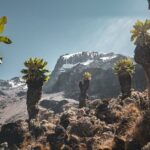
Moving from Shira 1 to Shira 2 adds another modest climb of about 300 m. The trek is positioned as low demand, which buys you time to enjoy flora and, if the weather allows, to spot Mount Meru. A lot of people underestimate how much a gentle day helps with later summit-night decisions.
After lunch and a short rest, you’ll do an acclimatization walk toward Lava Tower, including another roughly 300 m gain. This is the classic Kilimanjaro trade: you go higher, you rest, you give your body time to catch up before the next bigger push.
If you want the trip to feel controlled, you’ll notice how each day is set up to reduce surprises.
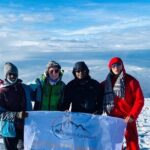
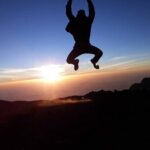
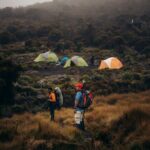
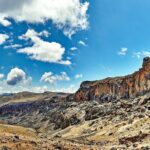
Lava Tower to Moir Hut: ups, downs, and route flexibility
Leaving the Shira area around 3,900 m, you head toward Lava Tower (4,630 m). This stretch is described as having ups and downs and potentially bringing discomfort. The program acknowledges that you’ll need 1–2 hours at higher altitude to acclimatize, which is why lunch is planned at Lava Tower itself.
Here’s one of the smarter operational details: the guide may decide to bypass Lava Tower by using a porter trail if someone in the group isn’t acclimatizing properly. In that case, the highest altitude reached could be around 4,400 m instead of 4,630 m.
That matters because altitude trips don’t fail from a lack of ambition. They fail when the plan is too rigid. Route flexibility like this is one of the signs of an operator that prioritizes outcomes over schedules.
Around Kilimanjaro’s northern slope toward the Kenya-border views
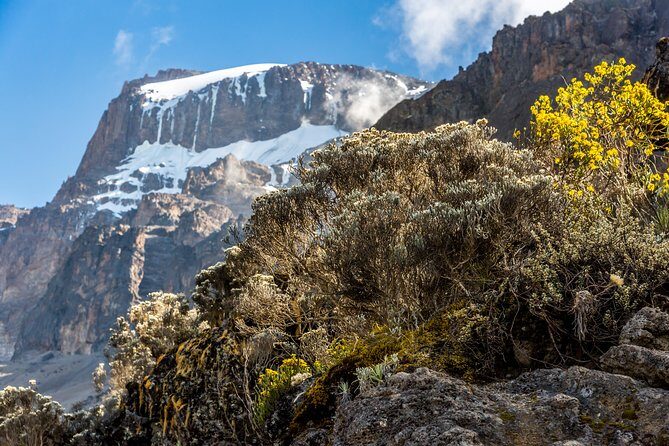
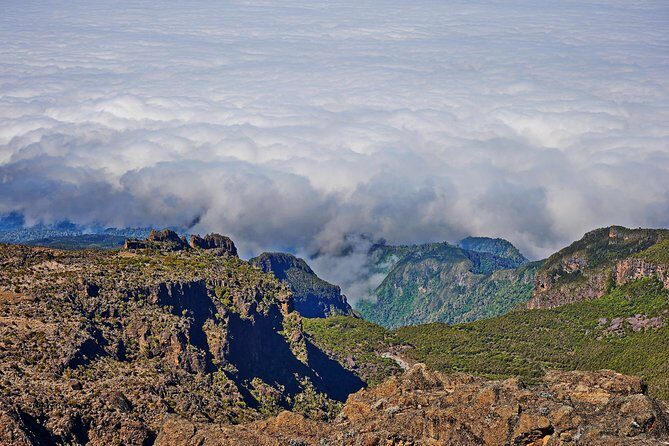
The next trek is described as long but easy, and the trail pattern is more about highs and lows than steep jumps. You’ll be traversing around the northern slope, and the route passes close to the border with Kenya. The reward is big: views tied to Tsavo and Amboseli Valleys.
This is a good day for steady movement. You don’t want to sprint between stops, but you also shouldn’t pad your legs out by moving too slowly. Your goal is to keep breathing even and let acclimatization do its job.
3rd Cave Camp and the Rongai connection: a shorter day that helps
You finish the northern slope section and spend the night at 3rd Cave Camp, where this route meets up with the traditional Rongai line. The day is described as shorter than the previous one, and by now your body is expected to feel more adjusted around 4,000 m.
This is one of those “quietly important” days. When people rush past acclimatization, summit night becomes a test of survival. When you respect rest and timing, it turns into a test of endurance—still hard, but with fewer bad surprises.
School Hut Summit Camp and the pre-midnight wait
The climb to School Hut Summit Camp (4,750 m) is described as not very hard technically, but pace becomes crucial. You’re heading into the altitude zone where effort feels bigger, even if the steps don’t look dramatic on paper.
When you reach camp, the program recommends you sleep well, avoid strenuous activity, and drink fluids—because later that night you’ll push on to Uhuru Peak (5,895 m).
This is where mental toughness matters as much as fitness. Summit night starts around midnight, and the hours before that can feel long if you’re restless or hyped.
Uhuru Peak summit night: safety structure on a high-stakes day
Summit night starts from School Hut (4,750 m) around midnight. The climb is described as relatively easy technically, but the challenge is the altitude. This is also where the safety plan gets very specific: one guide is nominated per every two climbers to monitor health on the way to Uhuru Peak.
After summiting, the itinerary mentions an option to walk upon the nearest glacier if you’re successful. Then you descend to Barafu Camp for a two-hour lunch and rest, and the day ends at Millennium Camp (3,820 m).
One blunt but useful reminder in the program material: 9 out of 10 accidents occur during descent. Whether that exact statistic is true for every season, the underlying message is consistent across high-altitude trekking—watch your footing, keep your steps deliberate, and don’t let tired legs write bad checks.
Millennium Camp to Mweka Gate: rainforest breathing and the final grind
Millennium Camp is described as sitting amidst a tropical rainforest, which sounds impossible until you’re thinking about Kilimanjaro’s vertical climate zones. It’s a relief after summit altitude. You’ll get hot breakfast, then do the final descent to the park exit gate at Mweka (1,650 m).
Before heading to the hotel, you’ll transfer to the company offices to receive accomplishment certificates, and you’ll get time to recap the adventure with the support team. It’s not just paperwork; it’s a moment to close the loop with the people who ran your camps, meals, and monitoring.
Then it’s back to the hotel for rest.
What the included medical and oxygen support really means
This program’s safety setup is one of the most concrete value signals in the description:
- Unlimited oxygen tanks and oximeters
- Medical check-ups at least twice a day
- Medical kits
- Certified Wilderness First Responder guides with 7+ years of experience
- A professional climbing crew (porters, camp masters, cooks)
On Kilimanjaro, these details aren’t about fear. They’re about speed of response. If someone starts slipping, the margin between manageable symptoms and a bad outcome can get thin quickly at altitude. Having the gear and trained staff in place gives your guide team tools to act early.
Also, the included branded camp setup—mess tent, sleeping pads, table, chairs, crockery and cutlery—means you spend less energy fighting discomfort. That matters because your body is already spending energy adapting.
Tents, rooms, food, and the small comfort wins
You’ll sleep in North Face VE-25 tents with two hikers per tent (solo gets an extra-charge option). Meals are structured as three tasty, energy-rich meals a day on the mountain, with vegetarian, gluten-free, halal, and other meal plans available.
Drinks on Kilimanjaro are included (tea, coffee, juices, soda, etc.). Hydration is one of the simplest performance levers you have at altitude. When water and warm drinks are handled for you, you’re more likely to actually drink consistently.
In the hotel, you’re getting two nights at Aishi Machame Hotel (2 guests per room). Check-out is scheduled for 11:00 AM, with a late check-out option for an extra fee if your flight is later.
Who should choose this climb (and who should pause)
This program is aimed at hikers with moderate physical fitness and a genuine interest in acclimatization-first pacing. If you’re someone who likes structured support and clear safety protocols, you’ll probably feel comfortable with the guide-to-climber ratio on summit night and the constant medical monitoring.
Choose it if:
- You want the northern slopes and strong acclimatization design
- You specifically want crater camping as a signature experience
- You prefer a less crowded feel on the trail
- You want private, crew-heavy logistics with gear handled for you
Think twice if:
- You’re not confident with high-altitude discomfort or you’re unsure how you react to elevation
- You want a mostly “easygoing” hike; crater camping adds a serious altitude layer
- You hate long days and summit-night timing; this itinerary includes the midnight start push
Should you book the Altezza 10-day Kilimanjaro crater route?
If you’re looking for a Kilimanjaro climb that treats altitude seriously—and you want the rare experience of sleeping in the crater—this sounds like a strong match. The included oxygen, monitoring, and guide attention structure are especially appealing for anyone who wants more than a basic guiding service.
I’d book if you’re ready to train, take acclimatization seriously, and follow guide pacing even when your legs feel fine. This is a place where discipline beats bravado.
I’d pause if crater camping sounds like a box you’re trying to check rather than something you’re prepared for physically. Altitude adds risk, and this program openly builds that risk into the experience.
If you do book, send a message early and ask questions. In one past client note tied to Altezza, Maria was credited with helping customize the trip. That kind of responsiveness is what you want before you’re committed to summit-day schedules.
FAQ
What’s the tour duration for this Kilimanjaro climb?
The climb is listed as 10 days (approx.).
Where does the trip start and how do you get there?
You’re based in Moshi, Tanzania. The tour includes JRO airport pick-up and drop-off, and all ground transportation.
Is oxygen included on the mountain?
Yes. The program includes unlimited oxygen tanks and oximeters, plus medical kits and medical check-ups at least twice a day.
What camping and sleeping setup is included?
You use North Face VE-25 tents on Kilimanjaro, typically two hikers per tent (solo gets an extra-charge single accommodation option). Sleeping pads are included.
What food is included during the trek?
You get three meals a day on the mountain (breakfast, lunch, dinner are included as listed), and drinks on Kilimanjaro. Vegetarian, gluten-free, halal, and other meal plans are available.
Can I cancel for free?
Yes. Free cancellation is offered up to 24 hours in advance of the experience start time for a full refund. If you cancel less than 24 hours before, the amount paid is not refunded.