REVIEW · ARUSHA
From Arusha: 5 Days Classic Safari Cats, Calves & Crater
Book on Viator →Operated by Beach & Safari · Bookable on Viator
Five days chasing cats and calves in Tanzania.
This classic safari is built around two seasonal events: the Great Migration (Nov–Apr) and the calving season (Dec–Feb), with top game drive time in Ndutu for predator-prey moments. I also love that you get a real shot at the Big Five in Ngorongoro Crater, not just a drive-by checklist. One drawback: your best sightings depend a lot on timing and luck, so if you’re visiting outside peak months, you may see plenty—just not the same intensity of migration or calving action.
The route also makes sense for a first Serengeti/Ngorongoro safari: fewer wasted days, more hours in the field, and overnight stays in accommodations positioned close to the parks. And the trip comes with full board meals (breakfast, lunch, dinner) plus park fees and a driver-guide for the whole circuit. The trade-off is that you’ll be on the move most days, with long game drives and transfers that feel part of the deal.
The “cats, calves & crater” promise is the real theme here: lions and leopards are regular targets in Ndutu, and the crater is where the Big Five can happen. You’ll likely appreciate having a private setup—only your group goes—because it keeps things calmer when you’re trying to line up sightings and take quick photos between breathers.
In This Review
- Key Highlights to Know Before You Go
- Cats, Calves, and Crater: What This Safari Really Delivers
- Day-By-Day Route from Arusha to Ndutu and Ngorongoro
- Day 1: Arusha to Tarangire National Park
- Day 2: Ngorongoro Conservation Area Transfer to Ndutu Lake
- Day 3: Full Day Game Drives at Ndutu Lake
- Day 4: Ngorongoro Crater Big Five Game Drive
- Day 5: Karatu Return and Drop in Arusha
- Tarangire’s Baobabs and Elephant Density: A Strong First Park
- Ndutu Lake for Migration and Calving: Where the Action Picks Up
- Ngorongoro Crater: Big Five Odds in a Caldera Setting
- Overnight Stays and Full Board Meals: What “Near the Parks” Means
- Price, Value, and the Extra Taxes You’ll See at Check-In
- Guide Quality and How to Get Better Sightings
- Who This Safari Fits Best
- Should You Book This 5-Day Classic Safari?
- FAQ
- What time does the safari start?
- Where does the safari begin and do you pick up from the airport?
- Which national parks and areas are included?
- When is the Great Migration and calving season in this route?
- What animals are you aiming to see?
- Are park fees included in the price?
- What meals are included during the safari?
- What’s not included in the price?
- Is this a private tour?
Key Highlights to Know Before You Go
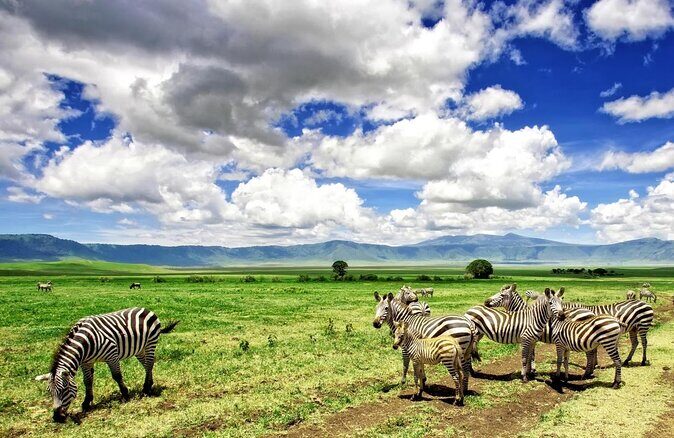
- Ndutu timing for cats and calves: plan around Nov–Apr for migration and Dec–Feb for calving.
- Big Five potential at Ngorongoro Crater: a world-famous viewing arena with serious wildlife density.
- Tarangire’s elephant + baobab energy: a great warm-up park before Serengeti/Ndutu.
- Full day drives (about 6 hours) on core days: more time where sightings happen.
- Driver-guides who focus on spotting: guides like Joel Thobias and David are noted for strong lion and leopard finds.
- Full board meals included: breakfast, lunch, and dinner across the nights near the parks.
Cats, Calves, and Crater: What This Safari Really Delivers
This safari isn’t trying to do everything. It’s aiming at a specific kind of wildlife experience: the high-drama seasons where herbivores move and predators follow. If you like the idea of seeing animals react to one another—rather than just watching them at a distance—Ndutu is the star of the show.
Then comes the crater day, which is where many people go from “great safari” to “wow, I can’t believe that.” Ngorongoro Crater is a massive volcanic caldera and, in practical terms, it helps concentrate wildlife. That matters, because it increases your odds of ticking off the Big Five during one focused game drive.
The other quiet win is how the trip is structured around the parks, not around long detours. You start in Arusha, roll into Tarangire, then head south toward Ndutu (Serengeti area), and finish back in Arusha via Karatu. The pacing is friendly to first-timers who want time in the vehicles without spending their vacation stuck on logistics.
A few more Arusha tours and experiences worth a look



Day-By-Day Route from Arusha to Ndutu and Ngorongoro
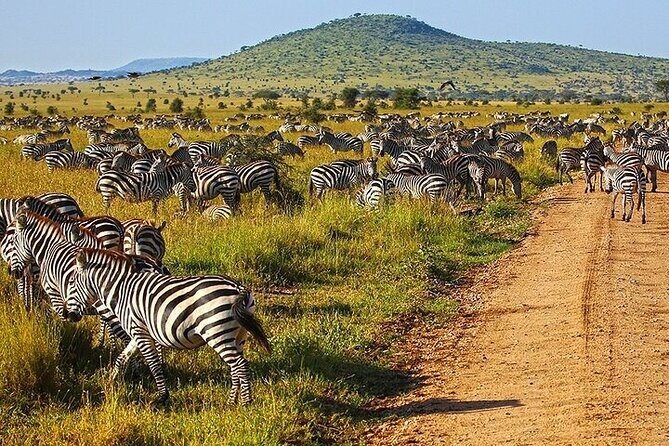
This is a classic 5-day loop with a clear rhythm: travel + game drive today, another big drive tomorrow, then the big finale.
Day 1: Arusha to Tarangire National Park
You meet at 8:00 am, with pickup from your accommodation or the airport. From there you transfer to Tarangire and spend the day doing game drives in the park.
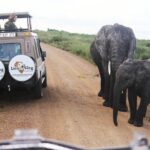
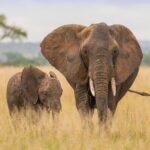
Tarangire is known for baobab trees and lots of elephants. Practically, that mix helps on a “first safari day” because you’re not hunting for animals in a blank-looking landscape—you’re driving through a park with visual landmarks. Expect a full day outing, about 6 hours of game drive time.
Possible consideration: it’s a long first day. If you’re coming in from a red-eye flight, you’ll want to land early enough to feel human by morning.
Day 2: Ngorongoro Conservation Area Transfer to Ndutu Lake
Today is half transfer, half viewing. You move through the Ngorongoro Conservation Area on your way toward Ndutu in the South Serengeti region. The conservation area is also associated with the Maasai tribe, so you’ll be traveling through a place with cultural context, not just pure “park-only” scenery.
After the transfer (about 4 hours), you get an afternoon game drive around Lake Ndutu, about 3 hours. This is where season matters. Ndutu is a famous location during the Great Migration (Nov–Apr) and the calving season (Dec–Feb), so you’re arriving right when the ecosystem is tuned to action.
Day 3: Full Day Game Drives at Ndutu Lake
You start with breakfast, then you’re back out for a full day of game drives around Lake Ndutu—about 6 hours.
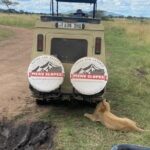
This is the day that’s most “cats and calves” in tone. During migration and calving, predator-prey scenes pick up. Lions are common here, and the riverbank area is described as having one of the world’s densest leopard populations. That doesn’t mean you’ll see a leopard in every hour, but it does mean the odds are set up in your favor more than in many other areas.
Tip that usually helps: keep your camera ready and your eyes moving. On leopard days, you often get the sighting only if you’re scanning during stops, not only when you’re parked.
A few more Arusha tours and experiences worth a look

Day 4: Ngorongoro Crater Big Five Game Drive
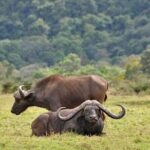
This is the heavy hitter day. You go for a full day game drive in Ngorongoro Crater, described as the world’s largest intact volcanic caldera. In plain terms: it’s a top place to look for Big Five.
The drive is about 6 hours, which is important. Crater wildlife isn’t always “constant motion,” but it tends to be reliably present. With enough time, you get multiple chances to catch the animals doing what they do—feeding, moving along edges, and responding to other wildlife.
One practical consideration: the crater day is usually visually intense and can feel like information overload. If you’re the type who needs time to decompress, build it into your day—don’t try to “run on adrenaline” the whole time.
Day 5: Karatu Return and Drop in Arusha
After breakfast, you head back toward Arusha via Karatu. The drive back is listed as around 3 hours. Then you’re dropped in central Arusha, your accommodation, or the airport.
This last day is shorter and more of a transition than a wildlife day, which I think is a good way to end. You don’t want your last morning to be another marathon drive after four long viewing days.
Tarangire’s Baobabs and Elephant Density: A Strong First Park
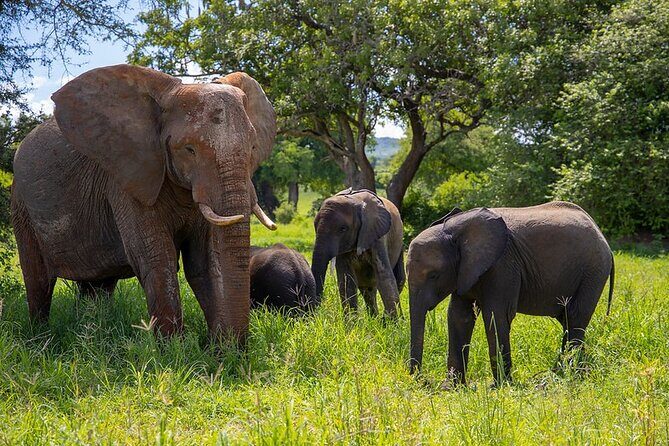
Tarangire is a smart start because it’s scenic and straightforward: baobab trees give you structure in your photos, and elephants keep the day grounded in “classic safari” sightings.
On your first day, this park helps you understand how the safari works: how drivers position the vehicle, how often you’ll stop for scanning, and what wildlife looks like at different distances. That matters because it makes Ndutu and the crater easier to enjoy later.
Drawback to note: if you’re hoping Tarangire will magically deliver cats and calves, it’s not built around that story. It’s more about elephants, birds, and the general feeling of savanna life—an excellent warm-up, but not the season-show you came for.
Ndutu Lake for Migration and Calving: Where the Action Picks Up
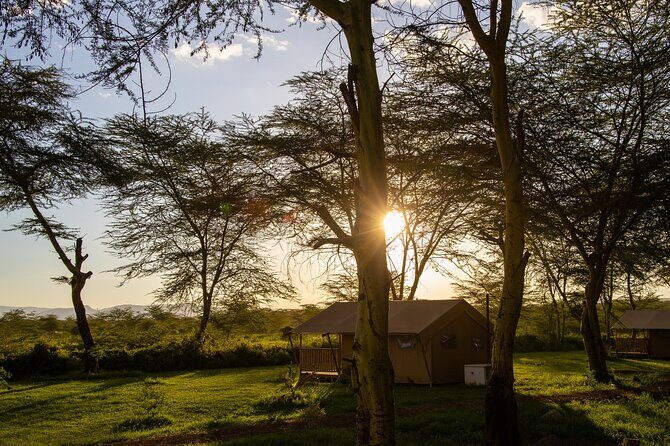
Ndutu is where this tour earns its nickname. The timing window is the big clue:
- Great Migration: Nov–Apr
- Calving season: Dec–Feb
When those are happening, the wildlife rhythm changes. You’re not just looking for animals; you’re looking for interactions. The tour leans into that by placing you at Ndutu for one afternoon drive and one full day drive, both focused around Lake Ndutu.
What I like about this setup is that you get more than one bite at the apple. Sometimes predator sightings are fleeting—movement here, a pause there, then nothing for a while. Having two Ndutu driving sessions increases the chance that you’ll catch the day’s best moments.
Also, Ndutu is specifically described as a place where lion sightings are common, and where the riverbank is associated with one of the world’s densest populations of leopards. That’s a strong statement, and it explains why the “cats” part isn’t just marketing.
A small reality check: even in the right season, animals can choose to be hidden. That’s why the vehicle time and guide focus matter so much here.
Ngorongoro Crater: Big Five Odds in a Caldera Setting
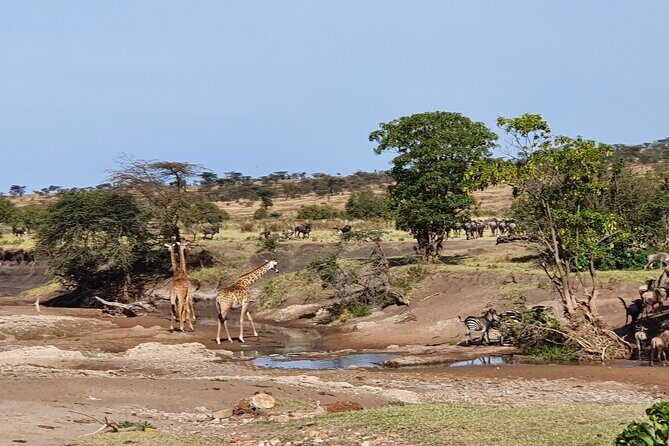
Ngorongoro Crater is the day you point your safari toward when you want the Big Five opportunity. The crater is a massive, intact volcanic caldera, and the ecosystem inside it supports a dense mix of wildlife—so you’re not driving for hours just hoping something appears.
The tour gives you about 6 hours of game drive time in the crater, which helps. Big sightings sometimes require patience more than speed.
In the real world, what you’re paying for on a crater day is probability plus time. A short drive would be a gamble. A full day gives you multiple windows: early light, midday movement, and late-day behavior.
If you’re someone who prefers “one great day” over “five average days,” this structure will feel satisfying.
Overnight Stays and Full Board Meals: What “Near the Parks” Means
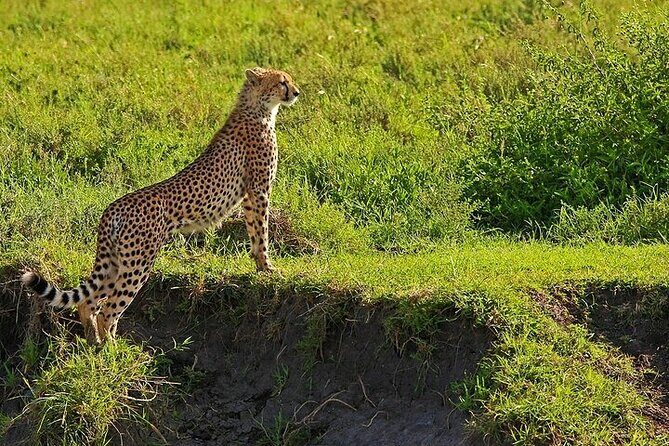
The itinerary includes overnight stays in unique accommodations close to the national parks, with a full board meal plan. That’s not a throwaway detail. On safari, meals are part of your stamina. When breakfast and lunch are handled for you, you can spend more of your energy on viewing instead of figuring out food logistics.
The tour includes:
- Breakfast (4)
- Lunch (4)
- Dinner (4)
So you’re not doing the common safari shuffle where you lose prime daylight to food runs. You also get more predictable downtime after long game drives.
About the accommodations: the information here is general (unique places near the parks), so I can’t promise a specific hotel name or star rating. But being close to the parks usually means less rushing and easier starts.
Price, Value, and the Extra Taxes You’ll See at Check-In
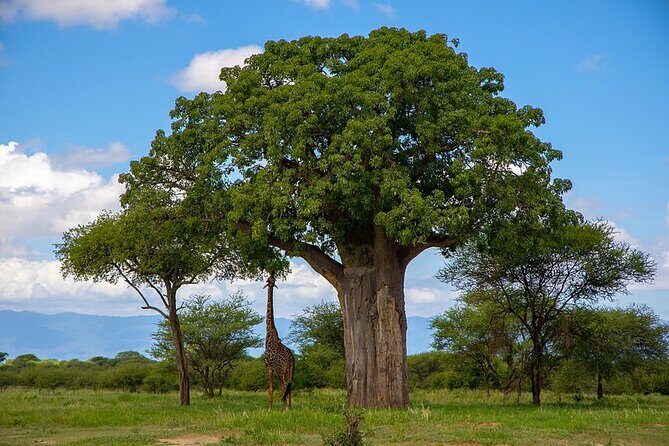
Price is listed at $1,254 for approximately 5 days. What makes this feel like value is what’s included versus what’s left for you.
Included:
- Park fees
- Transport and driver guide
- Overnight stays with full board
- The meals listed above (breakfast, lunch, dinner)
Not included (important):
- Tourism Development Levy: $1.50 pp/pn and village tax: $1.00 pp/pn, paid at check-in
- Tourism Development Levy of Arusha
- Drinks and tips (optional)
- Personal expenses
Here’s the balanced way to look at it: the base price likely covers the heavy costs you don’t want to guess at—park access and a driver-guide. The extra items are the type of fees you always run into in Tanzania, and they’re listed clearly for check-in.
If you’re watching your budget, ask yourself if you prefer:
- Paying more upfront and having fewer surprises, or
- Handling more costs directly as you go.
This tour does the first option for the big ticket items.
Guide Quality and How to Get Better Sightings
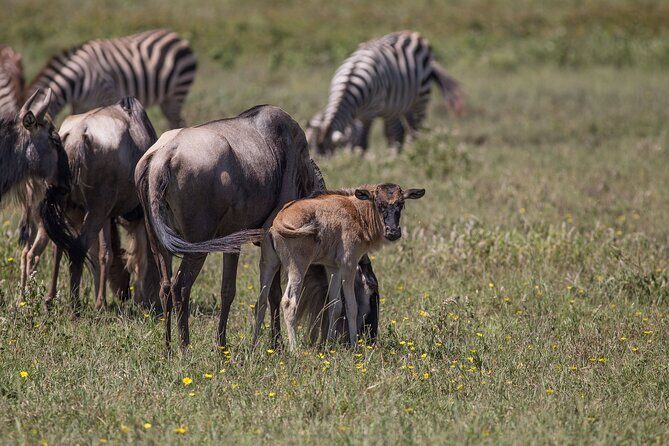
The driver-guide is central to a safari like this. You spend hours with them, and their spotting decisions shape your day.
From what I’ve seen in past safari groups connected to this style of trip, guides such as Joel Thobias have been credited with standout lion sightings (like seeing five lions). Other guides like David have been noted for spotting a leopard in a tree, which is exactly the kind of “how did you even see that?” moment people remember.
You shouldn’t assume every guide will produce miracle sightings, but you should expect that a strong guide will:
- Position the vehicle well
- Know where animals tend to show up
- Keep your drive moving without rushing past opportunities
Your part: bring patience, stay alert, and don’t wait until the vehicle stops to start scanning.
Also, this is listed as a private tour/activity, meaning only your group participates. That helps with pacing and reduces the awkwardness of waiting behind other vehicles at key moments.
Who This Safari Fits Best
This is a great match if you:
- Want a classic circuit (Tarangire → Ndutu → Ngorongoro Crater)
- Travel during Nov–Apr for migration or Dec–Feb for calving season
- Prefer a private setup and want a driver-guide who stays focused on your sightings
- Like structure: planned game-drive blocks and included meals
It may be less ideal if you:
- Hate long days on the road
- Are extremely sensitive to changeable wildlife outcomes (cat and leopard sightings can be hit-or-miss even in season)
- Want a purely relaxing vacation with no early mornings (this starts at 8:00 am and includes full-day driving)
The tour notes moderate physical fitness. That usually means you can handle time in the vehicle, short walks around lodges or viewing points, and getting in and out comfortably.
Should You Book This 5-Day Classic Safari?
I’d book it if your goal is to maximize your odds for cats during Ndutu season and give yourself a real shot at the Big Five in Ngorongoro Crater. The itinerary is built around the right places and the right timing windows, and the inclusion of park fees, transport, and full board meals removes a lot of guesswork.
I’d pause and reassess if you’re traveling far outside migration/calving months. You’ll still see wildlife, but the “cats and calves” intensity may not match what you’re picturing. Also, if you’re traveling with someone who gets cranky after long game drives, plan for breaks and keep expectations realistic.
If you’re ready for a structured, high-focus safari that spends serious time in the field, this one is a strong contender from Arusha.
FAQ
What time does the safari start?
It starts at 8:00 am.
Where does the safari begin and do you pick up from the airport?
It begins in Arusha, and pickup is offered from your place of stay or from the airport.
Which national parks and areas are included?
You visit Tarangire National Park, travel through the Ngorongoro Conservation Area, do game drives around Ndutu Lake (South Serengeti), and spend a full day in Ngorongoro Crater. You’ll also be returned via Karatu to Arusha.
When is the Great Migration and calving season in this route?
The Great Migration is from November to April, and the calving season is between December and February. Ndutu is the key location for these events.
What animals are you aiming to see?
The tour targets Big Five chances in Ngorongoro Crater. In Ndutu, lion sightings are common, and the riverbank area is described as having one of the densest populations of leopards.
Are park fees included in the price?
Yes. Park fees are included.
What meals are included during the safari?
The tour includes 4 breakfasts, 4 lunches, and 4 dinners, as part of a full board meal plan.
What’s not included in the price?
Not included are the tourism development levy ($1.50 pp/pn) and village tax ($1.00 pp/pn) paid at check-in, tourism development levy of Arusha, drinks, tips, and personal expenses.
Is this a private tour?
Yes. It’s listed as a private tour/activity, so only your group participates.