REVIEW · ARUSHA
Day Hike to Mount Kilimanjaro, Local experience and Chagga Culture
Book on Viator →Operated by Telly Africa Safaris · Bookable on Viator
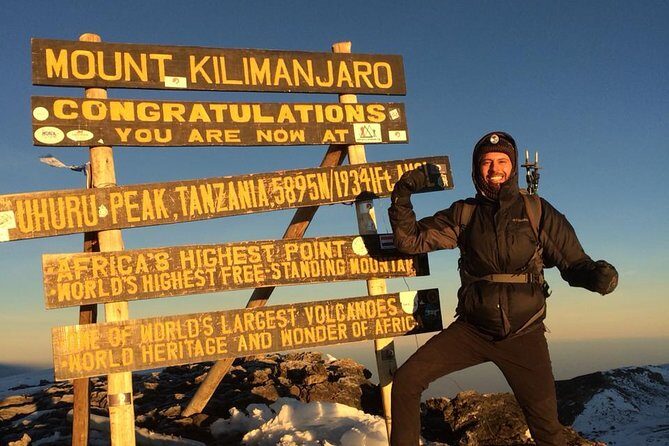
One-day Kilimanjaro still feels unreal. This private hike on the Marangu Route gets you up to Mandara Hut for a real taste of the world’s most famous mountain, plus a cultural stop tied to Chagga life. What I really liked is how the day keeps the focus on hiking and people, not just checkboxes, and how a private format gives you flexibility for your pace. One thing to consider: this is not a summit attempt, so if you’re chasing the Uhuru Peak stamp, you’ll need a longer climb.
You’re in good hands with guides who know how to manage a group’s limits and keep energy up. In past trips with Telly Africa Safaris, I’ve seen reports of guide Emmanuel pushing teens through the last miles and adjusting the pace for people with bad knees, even carrying extra items when needed. A possible drawback for some: you start early, and the long drive and early pickup can feel like a lot before your boots even hit the trail.
In This Review
- Key things to know before you go
- Why a one-day Kilimanjaro taste works (and what it is)
- Getting there: pickup, park gate timing, and registration
- The hike to Mandara Hut: rainforest walking and wildlife chances
- Maundi Crater side trip: quick views, big payoff
- The Chagga Museum stop: culture in the Kilimanjaro orbit
- Lunch and energy management: why it matters on a long day
- Private tour benefits: flexibility without chaos
- Price and value: what $270 buys you in real comfort
- What to pack and how to prep for a rainforest mountain day
- Who should book this day hike?
- A quick call on whether to book
- FAQ
- What route does this day hike follow?
- How long is the experience?
- Is pickup from a hotel included?
- Do I get food during the hike?
- What about tickets for the Chagga Museum?
- Can I cancel for free if my plans change?
Key things to know before you go
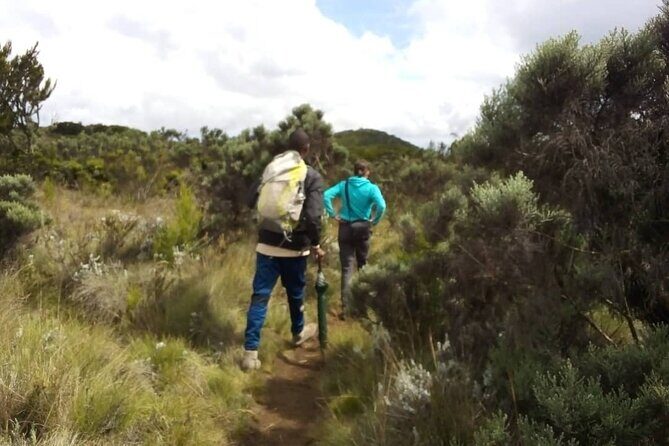
- Mandara Hut goal only: you hike on the Marangu Route, not to the summit
- Certified guide required: the trek runs inside Tanzania National Park rules for short treks
- Private transport from your Moshi hotel: makes the day feel simpler and less stressful
- Rainforest walking on Marangu: you’ll pass tall eucalyptus trees and hope for wildlife
- Chagga Museum stop included: you’ll add culture, not just altitude
- Lunch is part of the deal: you won’t be scrambling for food halfway up
Why a one-day Kilimanjaro taste works (and what it is)
Let’s get the expectations straight first. This day hike is designed as a Kilimanjaro intro. You go up the Marangu Route to Mandara Hut, which is the first overnight area on the longer routes. Then you head back down the same way. It’s a great option if you want the experience without committing multiple days on the mountain.
Why it’s a good fit: you still get the big stuff—altitude change, park scenery, forest trails, and that unmistakable feeling that you’re walking in a place people travel months to reach. It also helps if you’re not sure you want to invest in a full climb yet. You can test your legs, your comfort with early starts, and how your body handles the altitude and exertion, then decide what comes next.
The Marangu Route also has a special role for short treks. You’ll hear that short trekking options on Kilimanjaro are limited, and Marangu is the route where short hikes are allowed. The day therefore hits a sweet spot: meaningful time on the mountain while staying within the short-trek structure.
You can also read our reviews of more hiking tours in Arusha
Getting there: pickup, park gate timing, and registration
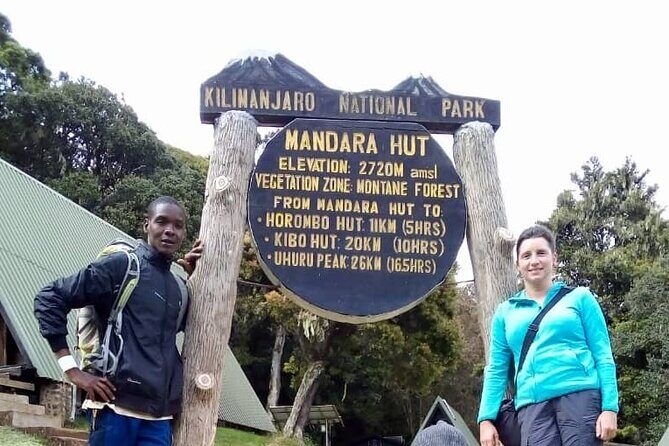
The day starts early, with a 7:00 am start time listed for the experience. In practice, pickup can be even earlier depending on where you’re staying; one trip report mentioned a prompt 6:00 am pickup from a hotel. That early timing matters because the park gate and registration take time, and you want enough daylight for a safe, steady hike.
You’ll meet your guide after breakfast at your hotel, then drive toward the Kilimanjaro National Park gate. After you register, the trek begins. That registration step is more than paperwork—it’s how the park manages guides and short routes properly. And since this is inside the park, you’ll be using the required certified guide services.
This is also where the private format pays off. With a private tour, you’re not stuck waiting on a bigger schedule. Your guide can keep the pacing realistic, and you can ask questions before you’re already puffing up the trail.
If you’re the kind of person who hates feeling rushed, it’s worth planning for an early morning. Put on your calm face, drink water, and let the day unfold.
The hike to Mandara Hut: rainforest walking and wildlife chances
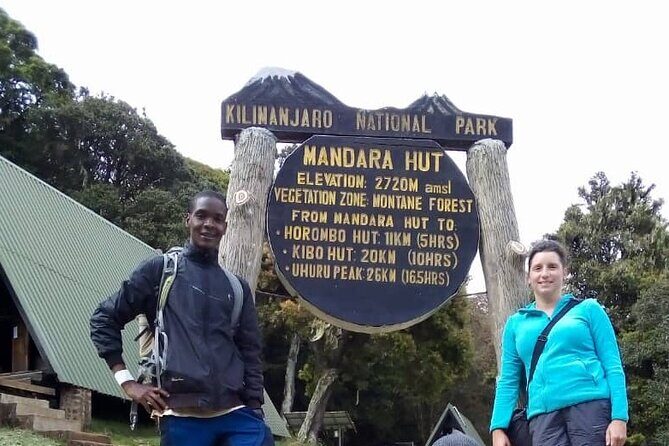
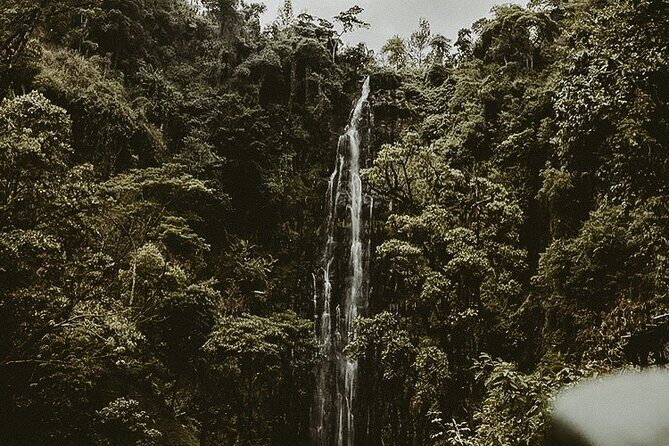
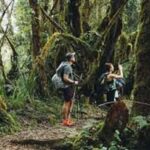
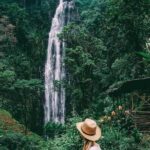
This is the heart of the day: hiking toward Mandara Hut on the Marangu Route. The trek route passes through forest, and you’ll spend time walking under tall eucalyptus trees. Expect a rainforest feel—cooler air, more shade, and occasional damp patches underfoot depending on conditions.
A fun part is the wildlife odds. In this kind of forest section, you might spot birdlife, and there’s a chance of seeing Colobus monkeys. Nobody can guarantee wildlife on a mountain trek, but the park conditions make it worth looking—slow down a little, listen for movement, and glance up when you hear rustling. On a day hike, those small moments make the hours feel shorter.
The trail itself is not a summit challenge, but it still counts as a mountain hike. You’ll be working your lungs and legs, and the change in elevation can make even routine climbs feel different. That’s why private guiding matters. In one experience report, the guide didn’t just lead; he helped push participants through the last stretch and stayed engaged for active group members like teens.
Your guide also carries the practical stuff. More than one report noted guides taking on food and water, and even helping with a day pack for someone during the trek. That reduces the weight you personally have to manage, and it makes a huge difference on a long day.
Maundi Crater side trip: quick views, big payoff
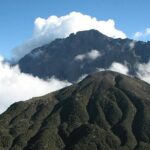
One of the neat bonuses during the Marangu day hike is a side trip to Maundi Crater. You’ll use it as a way to see more of the surrounding area—often with views that make the morning feel worth it.
This is valuable for two reasons. First, it breaks up the trekking rhythm with a change of scenery. Second, crater viewpoints help you mentally connect what you’re walking through with the bigger Kilimanjaro picture. Even if you’re not going all the way to the top, you still get that “this mountain is enormous” moment.
Just keep in mind this is still a day plan, so the side trip is likely shorter than what you’d get on a multi-day route. You’ll want to stay focused and move steadily so you can enjoy the viewpoint without arriving at it wiped out.
The Chagga Museum stop: culture in the Kilimanjaro orbit
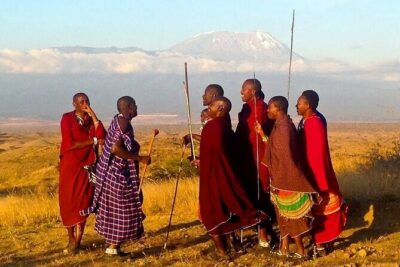
This experience includes a Chagga Museum stop with admission included. The point of this part isn’t to turn the day into a lecture. It’s to add context: Kilimanjaro isn’t just a hiking destination, it’s a lived-in region with communities like the Chagga shaped by the mountain.
Even better, it pairs well with the morning’s physical work. After hours in the forest, you’ll come back to something more human-scale: stories, local culture, and a sense of place beyond the trail.
The exact timing of the museum stop can vary with how the hike progresses that day, but you’ll have a dedicated block to connect with Chagga culture. If you care about understanding how people live in the shadow of Kilimanjaro, this stop is a strong add-on instead of an afterthought.
Also, if you’re the kind of traveler who likes to compare what you learn with what you see, you’ll likely appreciate the order: you climb through the environment first, then ground the experience with culture afterward.
Lunch and energy management: why it matters on a long day
Lunch is included, which might sound basic, but on Kilimanjaro days it’s actually a big deal. A day hike can run close to 8 hours, and you don’t want to burn energy and then realize you forgot to plan food.
Because the hike is designed for active hikers and happens inside the park trek structure, you’ll likely move through the day steadily: drive, registration, forest walking, crater side views, then a descent. Fuel matters for your pace and mood. When food is included, you can focus on hydration and footing instead of guessing what to buy at the wrong moment.
My practical advice: treat the included lunch as your main reset. Eat it, then drink water consistently through the afternoon. Don’t save all your water for the descent. If you do, you’ll feel it later.
Private tour benefits: flexibility without chaos
The biggest quality-of-life upgrade here is the private format. You’re not negotiating with other people’s speeds. Your guide can adjust the pace, and you can ask questions while you walk instead of waiting for a group briefing.
This matters on a day hike because small differences in stamina can change the whole vibe. One trip report noted guides adjusting to bad knees and still keeping everyone moving comfortably. Another mentioned a guide pushing teens through a tough final stretch, which is exactly the kind of supportive energy you want when you’re tired but not done.
Private also means personal attention. If you want to stop to take photos or pause for a breath, you can usually do it without feeling like you’re holding everyone hostage. On Kilimanjaro, that’s not “nice to have.” It can be the difference between finishing the day feeling proud versus feeling wrecked.
If you’re traveling with family, teens, or anyone who doesn’t want the stress of a big group, a private day hike like this is often the sweet spot.
Price and value: what $270 buys you in real comfort
At $270 per person, you’re paying for convenience and the structure that makes a short Kilimanjaro trek possible. This isn’t just a ticket to a trail. You get private transportation, included lunch, and all fees and taxes covered. That means you’re not piecing together multiple vendors or worrying about surprise add-ons at the end of the day.
You also get something less measurable but very real: time. Pickup from your Moshi hotel saves you the hassle of figuring out transport timing and park access. It also helps you start the day earlier or more smoothly, which matters for a hike that runs around a full workday.
Is it a bargain compared to walking around town? No. Is it fair compared to what it takes to run a private certified-guide park trek with transport and lunch? It’s the kind of price that usually reflects a real service, not just marketing.
If you’re doing this in a region with lots of tour offers, you’ll likely find that the value comes down to one thing: are you getting a real guide and real logistics, or a rough plan with “good luck”? Based on the experiences shared, the teams behind this day hike put effort into communication and making the day run on time.
What to pack and how to prep for a rainforest mountain day
You’re hiking in a park and walking through rainforest conditions, so plan for changing comfort levels. Even if it’s warm when you start, it can feel cooler once you’re in the forest shade.
Bring:
- sturdy hiking shoes with grip
- a light rain layer or poncho (better than nothing)
- a warm layer for the cooler, shaded sections
- sunscreen and sunglasses, even in forest
- a refillable water bottle (and follow your guide’s advice on hydration)
Prep-wise, don’t overthink it. Focus on steady effort. If you know you get winded easily, use a slower pace at the start so you don’t burn out before the Mandara Hut turnaround.
And if you’re prone to knee pain, plan to move carefully on the descent. Day hikes are often hardest going down, not up.
Who should book this day hike?
This one-day Kilimanjaro experience is ideal if:
- you want a real Kilimanjaro hike without committing to a summit climb
- you enjoy a guided route and want guidance inside the park rules
- you want culture with your hiking via the Chagga Museum stop
- you’re traveling with teens or mixed fitness levels and want private pacing
It might not fit if:
- you only care about reaching the summit
- you dislike early mornings and long drive logistics
- you want a pure cultural day with no serious trekking component
If you’re curious about more Kilimanjaro-region experiences, you can often pair this kind of day hike with other nearby cultural and nature stops. Some travelers have booked multiple days in the same general area, including coffee-area experiences and hot springs, so the region works well for a longer trip arc.
A quick call on whether to book
If your goal is a strong Kilimanjaro introduction, this is an easy yes. You get Mandara Hut hiking time, a rainforest trek experience, and the added context of Chagga culture—all with included lunch and private transport. The private guiding approach also sounds like it helps people finish the day feeling capable rather than just exhausted.
Before you book, just check your expectations: this is not a summit trek. Treat it like a major warm-up and a memory-maker, not the whole Kilimanjaro story.
Also, if you’re deciding between “comfort” and “adventure-only,” this tour leans toward comfort with real effort built in. You’re paying for that balance.
If you go, tip your guide if you feel it’s earned. It’s listed as not included, and in day-hike situations, a small gesture goes a long way.
FAQ
What route does this day hike follow?
It’s a day trek on the Marangu Route up to Mandara Hut. This trek is not to the summit.
How long is the experience?
The duration is listed as about 8 hours.
Is pickup from a hotel included?
Yes. Pickup is offered, and the tour includes private transportation from your Moshi hotel.
Do I get food during the hike?
Yes. Lunch is included.
What about tickets for the Chagga Museum?
The Chagga Museum admission ticket is included.
Can I cancel for free if my plans change?
Yes. You can cancel up to 24 hours in advance for a full refund.
If you tell me your fitness level and whether you’re starting from Moshi or Arusha, I can suggest how to pace this day so you enjoy the hike instead of just surviving it.