REVIEW · MOSHI
Climbing Kilimanjaro – Marangu Route
Book on Viator →Operated by ZARA TOURS · Bookable on Viator
Climbing Kilimanjaro is intense, and the Marangu Route makes it feel structured instead of chaotic—especially with meals included and a full support team pacing you each day. What I like most is that you’re not sent off on your own: the guide-led plan, hut-based stops, and steady logistics help you focus on the hike. The one real downside to know up front: this is not a comfort-style trip, and the camps are basic.
I also like that the route gives you a legit shot at the summit without needing “advanced course” training. You’ll hike roughly 8 hours most days, moving from rainforest into moorlands, then into the cold, steep crater zone for the summit night push.
One more consideration: altitude is part of the deal here. You may start to feel it around Horombo, and the summit day is scheduled as a long night ascent with early-morning views. You can’t outsmart altitude, so bring patience, protect your pace, and be honest with the guide if you’re struggling.
In This Review
- Key things I’d bet on
- Where the trip starts: Moshi transfers and Marangu Gate timing
- Day 1 through rainforest to Mandara Huts (plus Maundi Crater)
- Day 2: from rainforest glades to Horombo Huts and Mawenzi views
- Day 3: the saddle moonscape and a preview of the summit climb
- Day 4: the 1 AM summit ascent to Gilman’s Point and Uhuru Peak
- Day 5: descent back through moorland and lush forest to the gate
- Price and value: what $2,004.11 is buying you
- Marangu’s fit: who this route suits best
- Comfort reality check: huts are simple, water access isn’t
- The crew factor: guides, porters, and how support shows up
- Should you book this Marangu 5-day climb with ZARA TOURS?
- FAQ
- How many days is the Kilimanjaro trek?
- Does this climb include a summit attempt?
- What time do you start the summit push?
- Where do you sleep before and after the climb?
- Are meals included?
- Is a sleeping bag included?
- Can you cancel for a full refund?
Key things I’d bet on
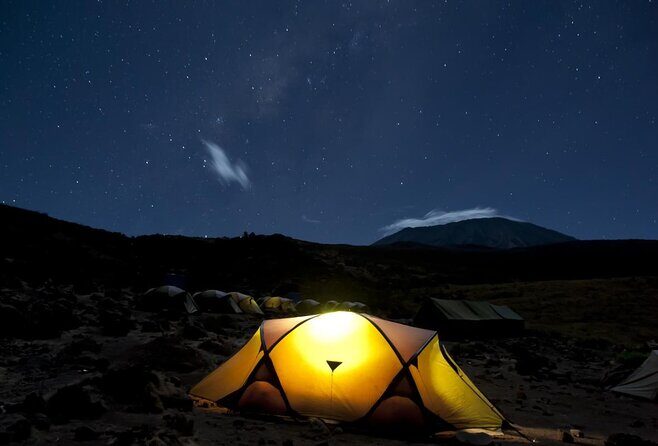
- Marangu is the easiest and shortest summit route on Kilimanjaro, built for hikers who want a guided plan rather than a technical expedition
- All mountain meals are included, plus boiled water, so you can keep your energy up without hunting for snacks
- A pre-dawn summit push: leave around 1 AM, reach Gilman’s Point in the early morning, and aim for Uhuru Peak by late morning
- Altitude support is built into the schedule with options to rest at Horombo or adjust before continuing higher
- You hike in a small group (max 15) with a mountain crew and national-park required rescue fees covered
- Camp realities are real: running water is not available at Kibo huts, and accommodations are simple
Where the trip starts: Moshi transfers and Marangu Gate timing
You’ll start from Moshi and head toward the Kilimanjaro National Park gate on the eastern side. The day’s rhythm matters here because Kilimanjaro days are long, and you’ll want to arrive ready rather than rushed.
Expect an airport meeting time around 8:00 AM at Kilimanjaro International Airport (JRO), then transfer into Moshi. The hike day proper begins later—on Day 1 you leave Moshi around 9:00 AM, drive about 45 minutes to the Marangu Gate, register with the park, and start hiking around 10:30 AM.
That sequencing is practical. It gives you time to settle, check in, and get your boots moving before the bulk of the rainforest day heats up or turns messy. Also, having an operator handle transfers removes one stressor you don’t want while you’re already thinking about altitude.
You can also read our reviews of more tours and experiences in Moshi.
Day 1 through rainforest to Mandara Huts (plus Maundi Crater)
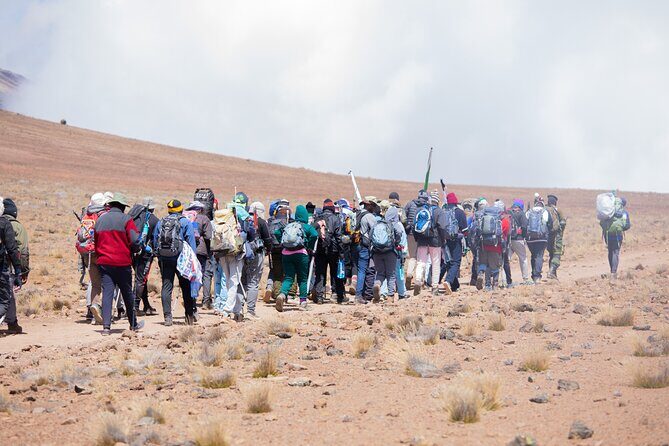
Day 1 is a rainforest wake-up call, not a gentle stroll. After breakfast and a briefing, you step into dense greenery where you’ll look for towering eucalyptus trees, Colobus monkeys, and active bird life.
The route here can be wet and muddy. If you’ve ever slipped on a trail that looked harmless from the outside, you’ll understand why gaiters and trekking poles are such a big deal. I’d pack rain protection even if the morning starts clear, because rainforest weather has a way of changing its mind quickly.
About halfway through the hike you stop for lunch, then continue until you reach Mandara Huts around 2:00 to 3:00 PM. Once you arrive, you’ll unpack, rest, and get a warm drink like tea or coffee.
There’s also a small side trip on this day: a 15-minute trip to Maundi Crater. It’s short, but it helps you get a sense of what you’re working toward—big views, but without overloading your first day.
Day 2: from rainforest glades to Horombo Huts and Mawenzi views
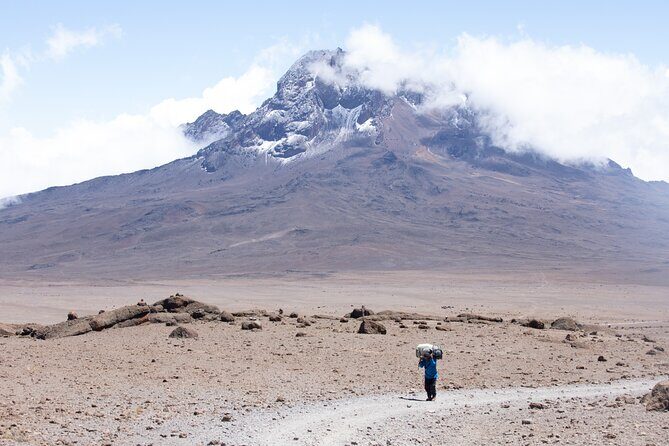
Day 2 starts with breakfast around 7:30 AM and a camp break by about 8:30 AM. The trail shifts from rainforest into higher zones, so your body feels a change in footing and air even before the altitude fully hits.
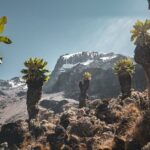
You’ll hike for about an hour through rainforest glades, then transition onto ascending paths through heathland. This is where you may see giant lobelias and groundsels, then continue up into open moorlands with smaller shrubs.
Lunch is set halfway through again, and the reward comes with views—especially looking toward Mawenzi. You arrive at Horombo Huts by about 3:00 PM, and it’s a useful day for getting your bearings: you can see Kibo’s summit from here.
Bathrooms with running water are available at Horombo, which is a real quality-of-life upgrade on a mountain trek.
Now for the altitude piece. This is often where people start to notice it. The schedule actually gives you options: you can add an extra acclimatization day at Horombo, or you can climb to a basecamp below Kibo’s sub-peak area tied to Mawenzi. That flexibility matters, because altitude doesn’t care about your itinerary. You care about how you feel.
Day 3: the saddle moonscape and a preview of the summit climb
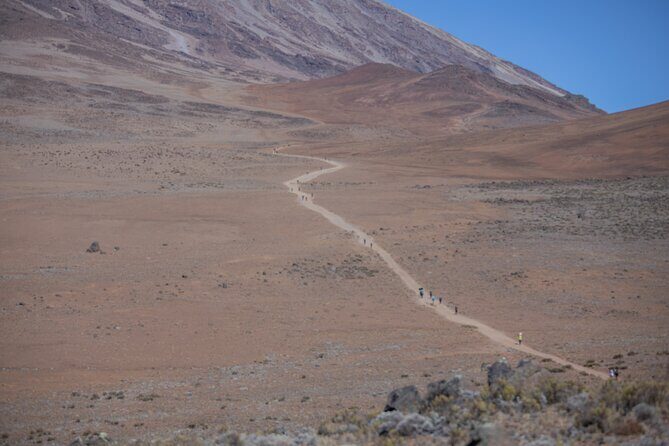
Day 3 is where the trail starts to feel more like a different planet. You’ll start with breakfast as usual, and if you wake early you can catch sunrise photos.
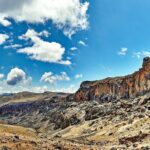
The hike begins with the last stretches of heathland that gradually blend into a moonscape as you reach the saddle connecting Mawenzi and Kibo. This is a surreal part of the mountain—wide, exposed, and very “why is it so cold out here already?” even if you’re not fully at freezing temps yet.
Lunch comes during the middle of the day, and later you cross the saddle again—each time giving you a chance to study the route you’ll attempt later. It’s not just visual. Seeing the terrain helps you understand why the summit day is so demanding: you’ll be working with steep grades, thin air, and long stretches where your legs and breathing both need attention.
One practical note: keep an eye out for signs of altitude sickness. The plan doesn’t rely on “tough it out” logic. It’s a reminder that you should tell the guide if you’re not feeling right rather than pushing through and making it worse.
Day 4: the 1 AM summit ascent to Gilman’s Point and Uhuru Peak
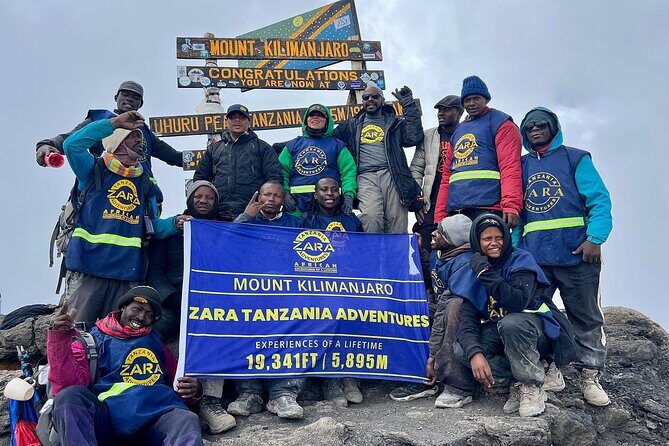
This is the big day, and it’s scheduled like one. You’ll wake around midnight for a light breakfast, then prepare for the summit push.
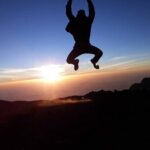
You leave around 1:00 AM with the goal of reaching the crater rim and then Uhuru Peak shortly after sunrise. Expect switchbacks up steep scree, and the route can include snow depending on conditions.
The timing is clear and helps you stay mentally grounded:
- Reach Gilman’s Point at 5,861 m / 18,640 ft between 5:00 and 7:00 AM
- Then hike along the crater rim for about two more hours
- Aim for Uhuru Peak by around 9:00 AM
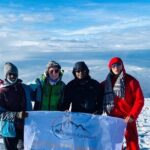
When you get to Gilman’s Point, the views of the crater and ice are a major moment. This is also where the mountain feels truly remote. Even if you’ve seen pictures your whole life, the air, the silence, and the cold make it different.
You’ll also get the classic Uhuru Peak photo moment—because yes, you’ll want it. And because yes, it really is Africa’s highest point.
Two important comfort realities for Day 4 and what comes next:
- The summit ascent is long and demanding, so pace and breathing matter more than speed.
- Water access changes. There is no running water at Kibo Huts, which becomes relevant as you move back down.
Day 5: descent back through moorland and lush forest to the gate
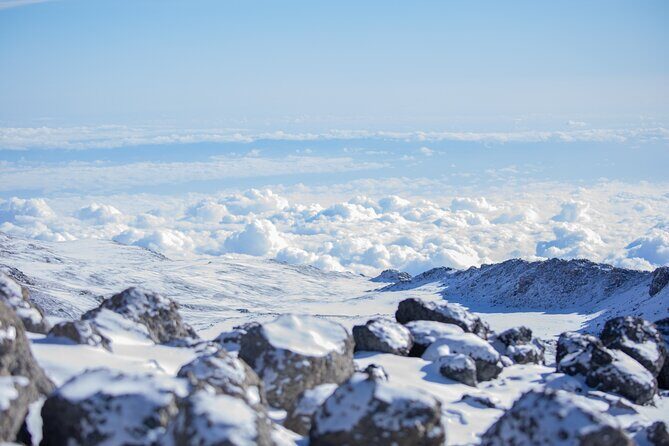
Day 5 is about recovery, not winning the trail. You’ll wake, pack, and descend through the moorland back toward Mandara Huts. Lunch is there.
After lunch you continue the descent through lush forest to the park gate, aiming to arrive around 2:00 to 3:00 PM.
This is the moment to remember the human side of the climb. The schedule explicitly asks you to tip guides, cooks, and porters when you finish at the gate. It’s not just etiquette. On Kilimanjaro, the mountain staff is the reason you can hike safely and efficiently instead of fighting logistics.
Then you’ll be taken back to Springlands Hotel in Moshi by vehicle. From there, you’re done with the hard part and can shift into real celebration—think shower first, then a meal that doesn’t come from a mountain pot.
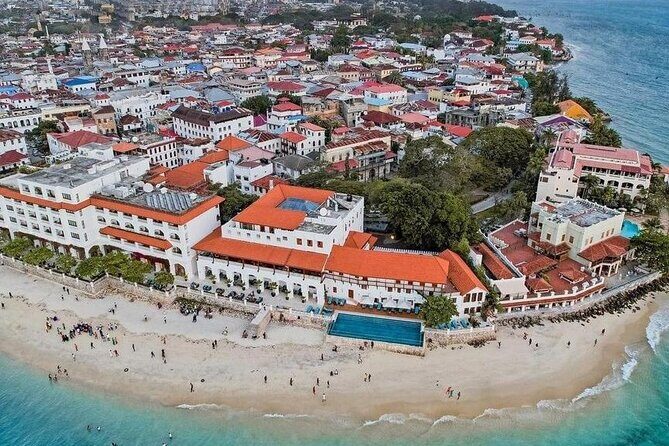
If you want a reset, a beach break in Zanzibar is a sensible add-on from this region.
Price and value: what $2,004.11 is buying you
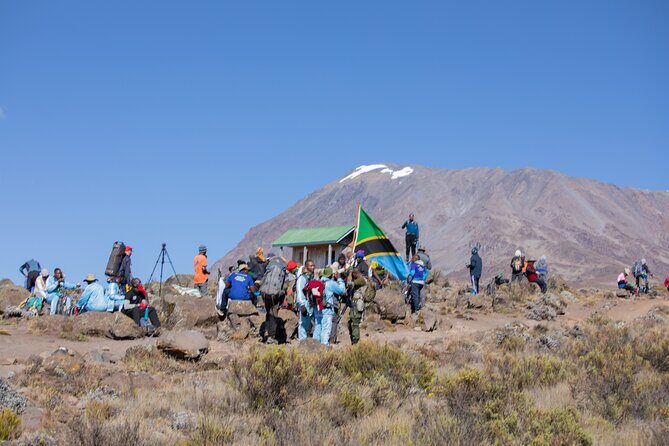
At $2,004.11 per person, this trek isn’t a bargain deal. But it also isn’t just “rent a guide and hike.” The included value is substantial when you look at what covers the cost.
Here’s what you get that’s genuinely expensive on a mountain:
- Two nights at Springlands Hotel in Moshi before and after the climb
- Qualified guides plus mountain crew (and their salaries are included)
- National park fees
- Hut/camping fees
- Tents, foam sleeping pads, and cooking equipment, plus eating utensils
- Rescue fees, required by the National Park
- Pulse oximeters and a first aid kit
- Boiled water on the mountain
- All mountain meals (breakfast, lunch, dinner)
Then there are the smaller “hidden costs” that get avoided:
- Airport transfers (JRO to Kilimanjaro region) are included
- The crew’s accommodation and on-mountain entry fees are included
What’s not included (and you should plan for it):
- Mountain equipment, especially sleeping bags
- Emergency oxygen
- Tips
- Visa fees and travel insurance
- Any additional nights beyond those standard hotel nights
- Flights
So is it worth it? For me, it’s a good value if you want a guided, hut-based summit attempt with meals and mountain logistics handled. It’s less ideal if you already own most gear, know you’ll need to add lots of extra nights, or you’re extremely budget-focused and comfortable managing more on your own.
Also note the single-room detail: a single rooms supplement may apply unless you’re on a one-person rate.
Marangu’s fit: who this route suits best
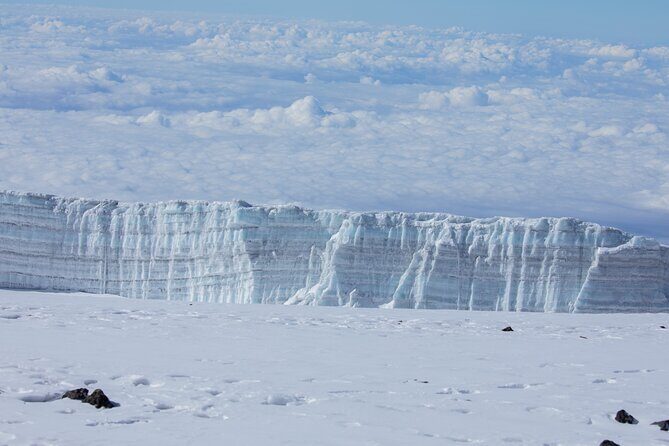
The Marangu Route is often chosen by people who want a guided summit plan without needing an advanced climbing course. That’s exactly what this trek is set up for: guided hikes, hut stops, and a summit attempt with a predictable schedule.
This is also a good option if you’re not traveling solo. The general reality with Kilimanjaro is simple: hiking alone isn’t wise, and you need real support for safety, pacing, and altitude decisions.
Fitness-wise, the trip asks for moderate physical fitness. The daily time on your feet is long, but the structure helps: you’re walking similar durations each day and getting meals and rest on schedule. The group size stays small (max 15), which usually means you spend less time waiting and more time moving with your crew and guide.
Comfort reality check: huts are simple, water access isn’t
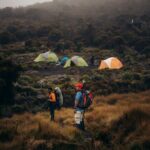
You’ll sleep in hut/camp settings that are basic by nature. The trip includes tents and foam sleeping pads, but don’t expect hotel-grade comfort at 3,000 meters plus.
A couple of specifics matter:
- At Horombo, running water bathrooms are available.
- At Kibo Huts, there is no running water.
That affects how you plan your hydration and bathroom breaks. Since boiled water is provided on the mountain, you don’t have to hunt for water, but you do want to stay organized about drinking and conserving what you can.
For clothing and gear, the route guidance is practical:
- In the lower rainforest zones, shorts and t-shirts can work, but bring rain gear and warmer layers.
- Gaiters and trekking poles are strongly useful for muddy, wet sections early on.
If you’re unsure about your sleeping-bag plan, check rental options. Mountain equipment is not included, and that’s not the place to improvise.
The crew factor: guides, porters, and how support shows up
One of the most consistent strengths in the operator’s Kili experience is the people side. The most praised theme is how supportive the guide and porters feel during the climb: patient encouragement, good communication, and practical help with timing and luggage.
You’ll see names like Gilbert Kasaba, Charles, Living, Eddie, Felix, and Ambrose credited for supportive guiding and solid mountain knowledge. There are also credits for crew members such as Johnny, John, James, and Tumaini—a strong sign that the outfitter builds a consistent team rather than rotating random staff.
Food praise shows up too. People repeatedly describe it as decent, enough, and helpful for staying on schedule. That matters on Kilimanjaro: you don’t just want food, you want predictable fuel when your body is stressed.
One more underrated point: porters helping to keep luggage on time. That reduces chaos at camp and helps the climb stay calm.
Should you book this Marangu 5-day climb with ZARA TOURS?
Book it if:
- You want a guided summit attempt that fits a moderate fitness level
- You prefer the Marangu Route because it’s easier and shorter than more technical alternatives
- You value having meals, hut/camping fees, rescue fees, and mountain medical tools handled
- You like the idea of hut-based camping rather than hauling everything yourself
Think twice if:
- You know you need a lot of comfort. This is basic camp living, not luxury travel
- You don’t have the right mountain equipment (especially sleeping bag planning)
- Altitude and cold already scare you. The summit night is real, and the schedule expects you to handle it responsibly
If you do book, I’d focus your prep on three things: bring the right wet-weather and warmth layers, train for long walking days, and plan your pacing like it’s part of your safety gear.
FAQ
How many days is the Kilimanjaro trek?
It’s listed as about 5 days, but the experience can run for five or six days depending on your preference and acclimatization choices.
Does this climb include a summit attempt?
Yes. The plan includes a pre-dawn summit ascent with a targeted arrival at Uhuru Peak around late morning.
What time do you start the summit push?
You leave around 1:00 AM for the summit ascent.
Where do you sleep before and after the climb?
Two nights are included at Springlands Hotel in Moshi: one before and one after the climb.
Are meals included?
Yes. All meals on the mountain are included, including breakfast, lunch, and dinner.
Is a sleeping bag included?
No. Mountain equipment such as a sleeping bag is not included, though some equipment may be available for rent.
Can you cancel for a full refund?
Yes. There is free cancellation up to 24 hours in advance for a full refund.