REVIEW · ARUSHA
Best 3 days Tanzania shared Safari Tarangire Ngorororo Manyara
Book on Viator →Operated by Kilinge Adventures · Bookable on Viator
A tight route, big wildlife rewards. This Tarangire to Ngorongoro to Lake Manyara safari is built for people who want maximum time on game drives, with the crater day timed for early sightings. I like the open-roof 4×4 style transport because it makes spotting easier. I also like that the package includes most meals and safari essentials, so you can focus on the animals. One thing to consider: it’s a shared 3-day plan, so the days are busy and you’ll be sleeping in a tent setup, not a private lodge.
Small group size matters here. The tour caps at 7 travelers, runs with a professional English-speaking guide and cook, and includes tent & mattress, park-focused drives, and planned picnic lunches. You’ll start at 8:00 am, then spend the rest of your time chasing wildlife across three different park moods.
In This Review
- Key highlights I’d plan my trip around
- Why Tarangire + Ngorongoro Crater + Lake Manyara works in 3 days
- Getting from Arusha: pickup, 8:00 am start, and the open-roof 4×4
- Day 1 Tarangire National Park: baobabs, termite mounds, and big animal energy
- Possible drawback on day one
- Day 2 Ngorongoro Crater game drive: picnic lunch and Big Five odds
- What to watch for on crater day
- Day 3 Lake Manyara to Arusha: finishing strong before the return
- Meals, tent & mattress setup, and what’s actually included
- What is not included (the stuff you should plan for)
- Tent & mattress: what to expect
- Price and value: is $1,000 per person fair for 3 days?
- My advice on the $1,000 choice
- What the strongest reviews emphasize, and one real caution
- Simple protection before you go
- Who this safari suits best
- Should you book this 3-day shared Safari with Kilinge Adventures?
- FAQ
- What parks are included in the 3-day safari?
- What time does the tour start and is pickup included?
- What transport will we use during the safari?
- What meals and drinks are included?
- Do I need to bring a sleeping bag?
- How many people are on the tour?
- Can I get a full refund if I cancel?
Key highlights I’d plan my trip around
- Ngorongoro Crater morning timing for the best chance to see wildlife early, plus a picnic lunch inside the crater
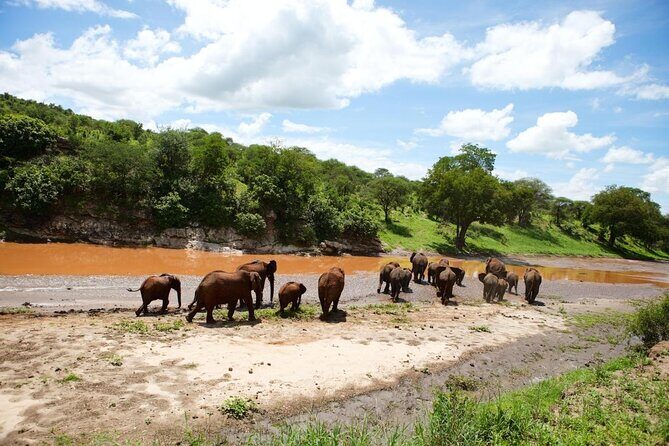
- Tarangire’s termite mounds and baobab trees, with elephants and predators on the menu
- Open-roof 4×4 Land Cruiser that helps you spot animals without the glass-wall feeling
- Meals and water included, including 2 breakfasts, 3 lunches, and 2 dinners
- Maximum 7 travelers, which usually means less crowding in the vehicle and a smoother experience
- Double-check your final itinerary, because one booking reported a mix-up involving Serengeti days instead of the expected route
Why Tarangire + Ngorongoro Crater + Lake Manyara works in 3 days
This kind of 3-day safari is popular for one reason: it hits Tanzania’s “wow” sites fast. Tarangire sets the stage with a very recognizable look—especially the huge baobab trees and those famous termite mounds. Then Ngorongoro Crater changes the whole feel, because you’re driving and watching from an elevated vantage where animals often gather in predictable patterns. Lake Manyara finishes the loop and gives you one more full day before you’re back in Arusha.
If your goal is to see a lot of wildlife without spending a week on the road, this routing makes sense. It’s also a practical fit for first-timers: you get variety in just three days, and the schedule is built around game drives rather than long detours.
A few more Arusha tours and experiences worth a look
Getting from Arusha: pickup, 8:00 am start, and the open-roof 4×4
The tour starts at 8:00 am. Pickup is offered, and the departure point is near public transportation, which can help if you’re arriving in Arusha on your own. From there, you’ll be in a 4×4 Land Cruiser with an open roof for game drives and park transfers.
An open-roof vehicle is one of those details that sounds small until you’re actually out there. It helps your eyes and camera do their job—fewer reflections, better sightlines, and easier scanning when animals pop up at the roadside. The trade-off is that you’re more exposed to sun and dust, so plan to wear something comfortable and be ready to take quick breaks when needed.
Another practical point: since this is a shared safari, you’re not just riding with a driver—you’re riding with other people. With a maximum of 7 travelers, the vehicle time tends to feel more manageable than large group tours.
Day 1 Tarangire National Park: baobabs, termite mounds, and big animal energy
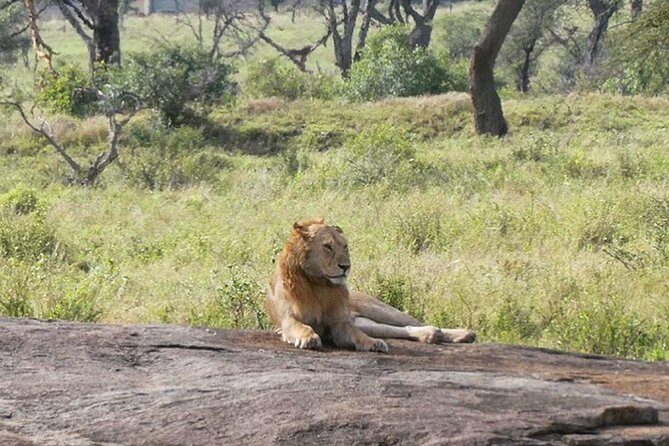
Day one is Arusha to Tarangire National Park early in the morning. Tarangire is the part of the safari that often surprises people, because the terrain is distinctive. Those colossal termite mounds stand out like landmarks, and the baobab trees give the park a classic, almost cartoon-like outline.
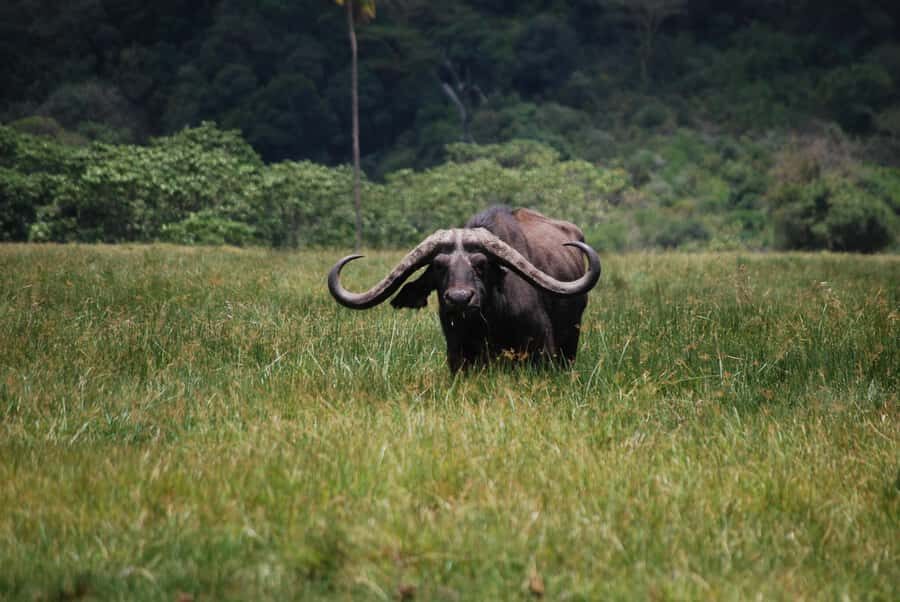
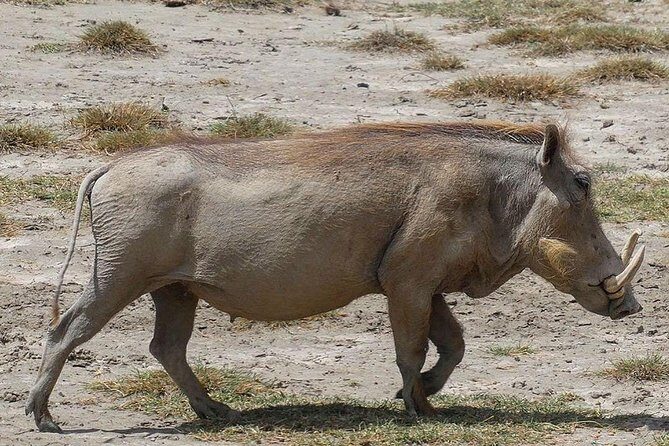
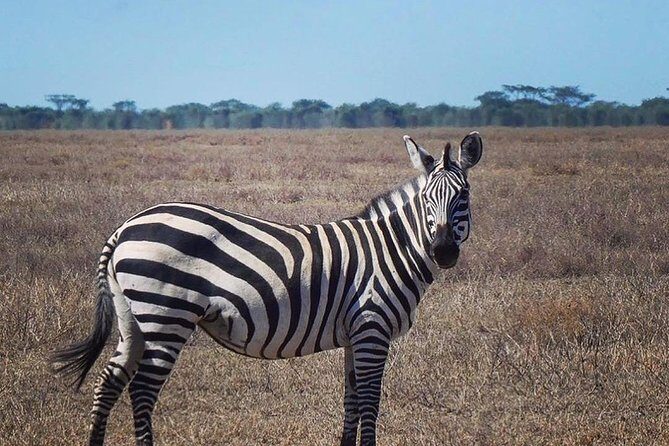
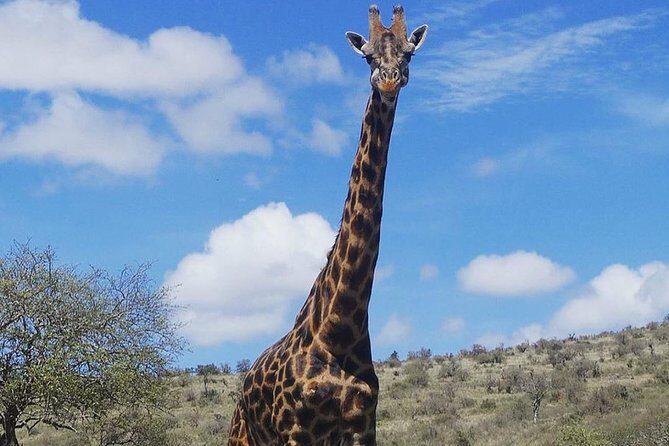
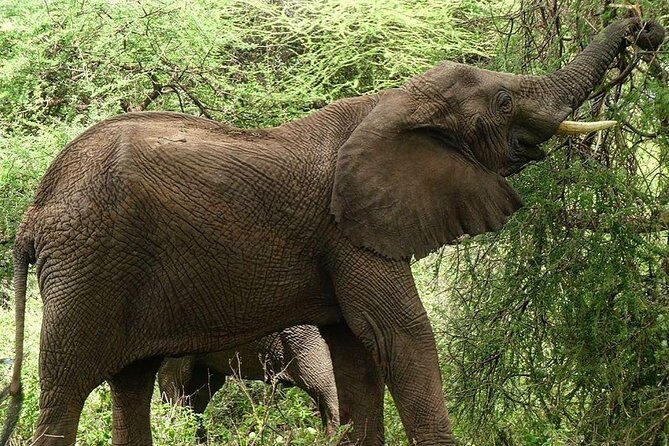
On the wildlife side, the plan calls out animals you’ll hope to see during drives: elephants, lions, giraffe, warthogs, ostriches, impalas, cheetah, mongoose, buffalo, and baboons. That’s a wide list for a single day, and it’s also a clue that the guide isn’t just hunting for one species. You’ll spend the day looking across the park’s open areas and checking likely spots for movement.
What I like about Tarangire in this specific itinerary is that it’s a “warm-up” day for safari rhythm. Ngorongoro is the headliner, so your first day is about getting your eyes tuned: learning how animals appear at a distance, how quickly things change, and how the best sightings often come from patience rather than speed.
Possible drawback on day one
It’s an early start, and it’s a long drive day. If you hate waking up before sunrise or you’re prone to motion sickness, consider bringing a simple remedy and keeping your expectations realistic.
Day 2 Ngorongoro Crater game drive: picnic lunch and Big Five odds
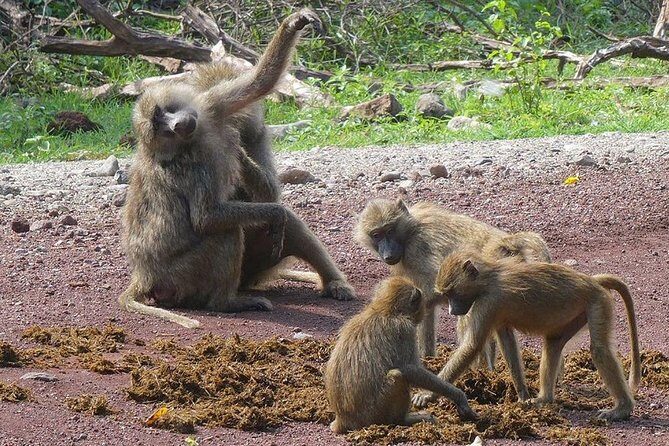
Day two is the Ngorongoro Crater day, and the timing is the whole game. The schedule calls for a timely start so you arrive early, because early morning game drives give you the best shot at seeing wildlife before the day heats up and activity patterns shift.
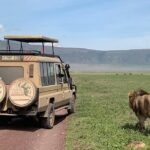
Inside the crater, you’ll do a wildlife drive plus an appetising picnic lunch inside the crater. The important detail here is that the plan mentions an elevated structure that encourages animals to settle in the crater area. Translation: your position and the crater setting can make sightings feel more concentrated, which is exactly what people want on a short safari.
The itinerary also highlights the Big Five possibility in one day: buffalo, lions, elephants, rhinos, and leopards. The honest way to treat that is as an opportunity, not a guarantee. Rhinos and leopards can be unpredictable anywhere in Africa. Still, Ngorongoro is one of the places where your chance is strong because the ecosystem and the access points concentrate viewing.
A few more Arusha tours and experiences worth a look

What to watch for on crater day
- It’s often a long day of driving and scanning. Bring water habits with you.
- Expect lots of stopping and starting. If you’re the kind of person who needs quiet time, plan for it mentally.
- Use the picnic pause to reset your eyes. A short break can make the next wildlife scan feel sharper.
Day 3 Lake Manyara to Arusha: finishing strong before the return
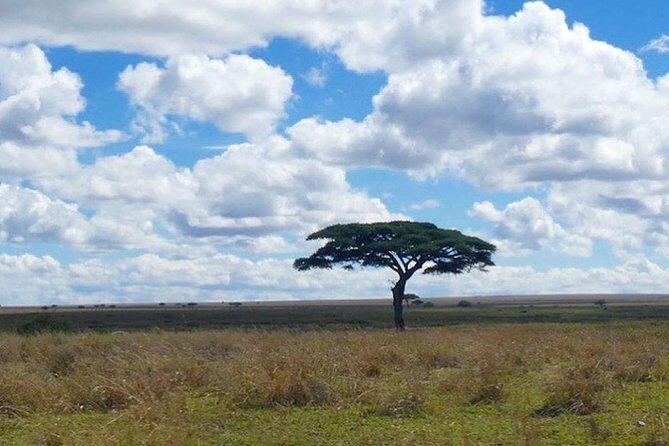
Day three is Lake Manyara to Arusha. You’ll leave in the morning, spend the day at Lake Manyara, enjoy a picnic lunch, and then return to Arusha in the late afternoon.
Lake Manyara isn’t just a “between” stop. In a 3-day plan, the third day matters because it gives you one more chance to see animals you missed earlier. Sometimes the first two days set the script, and sometimes day three becomes your “last light” miracle. Either way, you’ll be on safari-style timing again, not stuck in transit all day.
This day is also a good reality check: by now, you know what wildlife spotting feels like for you. You’ll know if you prefer scanning open areas, or if you’d rather focus on movement and tracks. Use that to stay present. A good safari is as much about your attention as it is about the park.
Meals, tent & mattress setup, and what’s actually included
This package is set up to reduce surprise costs. Included items cover all fees and taxes, transport in a 4×4 Land Cruiser with open roof, and tent & mattress. You also get a professional English-speaking safari guide & cook, plus meals that follow a clear count:
- 2 breakfasts
- 3 lunches
- 2 dinners
- 1.5 bottle of water per day
- Tea and coffee with meals
That’s a big value point for a short trip. It keeps you from hunting for lunch stops or managing daily budgeting. It also means your day plan stays focused on game drives rather than logistics.
What is not included (the stuff you should plan for)
The tour does not include:
- Flights
- Travel insurance
- Visa and passport fees
- Any increases in park fees where applicable
- Accommodation & meals in Moshi
- Personal items
- Sleeping bag
- Tips for guide & chef
- Soda and alcoholic beverages
- Extra activities like Maasai Village
Two practical takeaways:
- Bring or arrange a sleeping bag, since it’s not provided.
- Factor in tips and any drinks you want beyond what’s included. On a short safari, those extras can creep up fast.
Tent & mattress: what to expect
Tent & mattress inclusion usually means a camp-style sleep setup during the safari. That can be comfortable, but it’s still camping. Pack light, keep valuables secured, and don’t expect hotel-level bedding. If you’re the type who needs total privacy or quiet, you might prefer a longer or private option.
Price and value: is $1,000 per person fair for 3 days?
At $1,000 per person for about three days, the price looks reasonable when you line it up against what’s included. You’re paying for:
- Park-focused transport in a 4×4 open-roof vehicle
- A guide and cook
- Tent & mattress
- Park and safari-day meals (multiple breakfasts, lunches, dinners)
- All fees and taxes listed as included
- Water and basic hot drinks with meals
Where value can slip is in what’s not included. Flights, insurance, visa fees, sleeping bag, tips, and extra activities can add real cost. Also, if park fees increase, the itinerary notes that those increases may apply.
Still, for a budget-conscious traveler who wants a well-timed crater day and doesn’t want to organize everything yourself, this package is the kind of “pay once, drive hard, see wildlife” deal that works.
My advice on the $1,000 choice
If you want to spend money on a safari rather than spending time planning it, this can be a good fit. If you’re trying to keep the trip ultra-cheap and you already have gear (including a sleeping bag) and a flexible schedule, you’ll likely feel the value most.
What the strongest reviews emphasize, and one real caution
The overall rating is 4.9 with a 100% recommendation rate. The praise patterns are clear: people liked how the safari was organized, how attentive the staff felt, and how well the transport and meals supported the wildlife days.
There’s also a recurring theme around big sightings and strong guiding. One review specifically mentions seeing the Big Five and a lot of animals. Another includes a guide named Simon, described as helpful and courageous, which is a nice detail because it signals the guide team is a big part of the experience, not just a driver role.
A separate caution shows up in one report of a possible itinerary mix-up. The mention is straightforward: the booked plan was expected to focus on Tarangire and Manyara, but the trip described included Serengeti days and one day of Ngorongoro instead. That doesn’t mean it will happen to you. It does mean you should protect yourself.
Simple protection before you go
When you book, confirm:
- the exact parks on each day
- the order of parks
- your day-by-day schedule
If anything looks vague, ask for it in writing in a way you can understand fast. A 3-day safari leaves less room for surprises.
Who this safari suits best
This shared 3-day route fits best if you:
- want a short safari that hits multiple iconic parks
- like a structured plan with meals and transport included
- are comfortable with a tent sleep setup
- enjoy small group travel (up to 7 travelers)
It might not fit as well if you:
- want a fully private, lodge-based experience
- dislike early mornings and packed days
- need Serengeti specifically as part of the 3-day package
- don’t want any chance of itinerary changes or misunderstandings (in that case, double-check your confirmation carefully)
Should you book this 3-day shared Safari with Kilinge Adventures?
If you want to maximize wildlife time and you’re okay with camping-style comfort, this tour looks like a solid value. The itinerary is built around two big hitters: Tarangire for classic savanna viewing and Ngorongoro Crater for a strong chance at major sightings with that early start and crater picnic setup. Add Lake Manyara as a finishing day, and you’ve got three days with clear park priorities.
My one condition is your homework on the paperwork. For a short safari, small planning mistakes become big annoyances fast. If your confirmation matches what you expect and you pack for tent sleeping (especially bringing a sleeping bag), you’ll likely come away happy that you didn’t waste precious days on extra logistics.
FAQ
What parks are included in the 3-day safari?
The route covers Tarangire National Park, Ngorongoro Crater, and Lake Manyara, with transfers between these areas from Arusha.
What time does the tour start and is pickup included?
The start time is listed as 8:00 am, and the experience notes that pickup is offered.
What transport will we use during the safari?
You travel in a 4×4 Land Cruiser with an open roof for safari movement and game drives.
What meals and drinks are included?
The package includes 2 breakfasts, 3 lunches, and 2 dinners. It also includes 1.5 bottle of water per day, plus tea and coffee with meals.
Do I need to bring a sleeping bag?
Yes. A sleeping bag is not included, even though tent & mattress are included.
How many people are on the tour?
The tour has a maximum group size of 7 travelers.
Can I get a full refund if I cancel?
You can cancel for a full refund if you cancel at least 24 hours in advance of the start time. If you cancel less than 24 hours before, the amount paid is not refunded.
—
If you tell me your travel month and whether you want camping comfort or lodge comfort, I can help you sanity-check if a tent-based 3-day plan matches your style.