REVIEW · MOSHI
Kilimanjaro Northern Circuit Route 8 Days
Book on Viator →Operated by Jaribu Africa Adventures · Bookable on Viator
The Northern Circuit feels calmer than most Kilimanjaro climbs, because you start on Lemosho and later work toward the quieter northern side of the mountain. I like the extra time to acclimatize on this longer route, and you feel it in the day-by-day rhythm: slower pacing, higher camps, and fewer rushed moments.
One thing to weigh: this is still a real mountain trek, and Day 7 is long (13–16 hours) with a tough, snow-covered final push when conditions are right enough for summit attempts.
In This Review
- Key highlights worth caring about
- The Northern Circuit in plain terms: Lemosho start, quieter north slopes
- Price and value: what’s actually included in the $3,000 cost
- Days 1–3: Londorossi Gate, Lemosho glades, Shira Plateau, and Shark’s Tooth
- What I’d prep for these first three days
- Days 4–5: Kibo’s northern face to Third Cave Camp
- Day 6: the sharp School Hut climb (and why that ranger station is cool)
- Day 7 summit day to Uhuru Peak: Gillman’s Point, Stella Point, and the hard final steps
- Practical advice for summit day (based on the way this route is paced)
- Day 8 Mweka descent through rain forest, plus your gold or green certificate
- Who this Kilimanjaro Northern Circuit fits best
- Should you book this Northern Circuit with Jaribu Africa Adventures?
- FAQ
- What route does this Kilimanjaro climb follow?
- Is the $3,000 price all-in for the mountain setup?
- Do I need to bring my own trekking gear?
- How much is the summit day, and when does it start?
- What happens on the last day at Mweka Park Gates?
- What if the climb can’t happen due to weather?
Key highlights worth caring about
- Lemosho-to-Northern Circuit routing for more space on the mountain and better altitude management
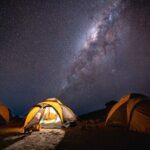
- Full camping setup (2-person client tents per 3-person frame, mattresses, private flush toilet tent)
- Serious safety layers: altitude meds readiness, emergency oxygen, a Gamow bag, and pulse-ox monitoring
- Day 7 timing: early start around midnight for the best chance at summit weather windows
- Camp comfort extras you do not usually expect: hot washing water, steamy towels, plus summit wine and champagne
- Official park recognition on Day 8 with summit certificates from Kilimanjaro National Park Authority
The Northern Circuit in plain terms: Lemosho start, quieter north slopes
If you want Kilimanjaro, but not a crowded slog for most days, the Northern Circuit is one of the smarter ways to do it. The trek starts on the Lemosho side, then gradually shifts you away from the most busy corridors and onto the mountain’s northern slopes, where the walking feels more personal.
What makes this route so appealing is the tempo. The itinerary’s altitude steps are spread out over 8 days, and the operator frames it as having one of the best success rates because you get more time to adjust. I like routes that give your body time to learn the altitude instead of forcing you to bully it.
Yes, you will still summit. But the trade is time: more hours in the mountains and more cold nights. If you like the idea of earned progress—slow, steady, and scenic—this fits. If you hate being on your feet for days, consider a shorter route.
You can also read our reviews of more tours and experiences in Moshi.
Price and value: what’s actually included in the $3,000 cost
$3,000 per person sounds like a big number until you look at what’s baked into the package. Here, you are paying for the hard parts: mountain staffing, permits and fees, safety equipment, and the full camping system.
A few value anchors:
- Accommodations in Moshi: 2 nights on a bed-and-breakfast basis at either Ameg Lodge or Salinero Hotels
- Park and rescue fees plus entrance access: the package lists Kilimanjaro National Park entry, camping/hut, and rescue fees
- Camping gear: tents (3-person expedition tents with 2 clients per tent), sleeping mattresses, a wash tent, and a private flush toilet tent
- Medical readiness: emergency oxygen, a Gamow bag, medical kit, and AMREF Flying Doctors support
- Monitoring and comms: pulse oximeter, vital-sign monitoring, and tools like 2-way radios and a mobile phone
Then there are the “small but real” comforts that make long cold days easier. You get hot washing water morning and evening, a hot steamy towel, and camp meals described as large portions of fresh, healthy, nutritious food. Even the summit experience gets a morale boost with wine and champagne.
What’s not included matters too:
- Your own personal trekking equipment
- Visas, immunizations, and international airfare
- Staff gratuities and any extras if you are unable to continue due to illness
My practical take: this price feels most fair if you do not want to gamble on gear quality or safety systems. If you are an ultra-diy hiker who already owns everything and wants to self-organize permits and staffing, you might find lower-cost options elsewhere. But for most people, the included structure here is the whole point.
Days 1–3: Londorossi Gate, Lemosho glades, Shira Plateau, and Shark’s Tooth
Your trip starts with a transfer from Moshi area by 4WD to Londorossi Gate. You meet guides and the mountain crew there, and the team handles national park formalities like registering you and weighing duffle bags to keep loads within the 20 kg porter limit. It’s a helpful checkpoint: it nudges you to pack smart and not overstuff your own load plan.
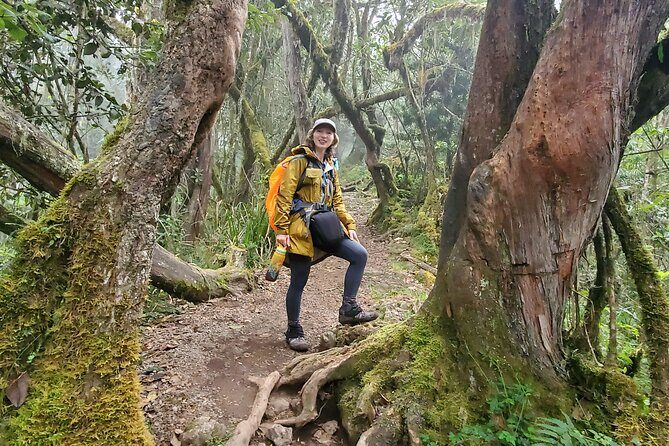
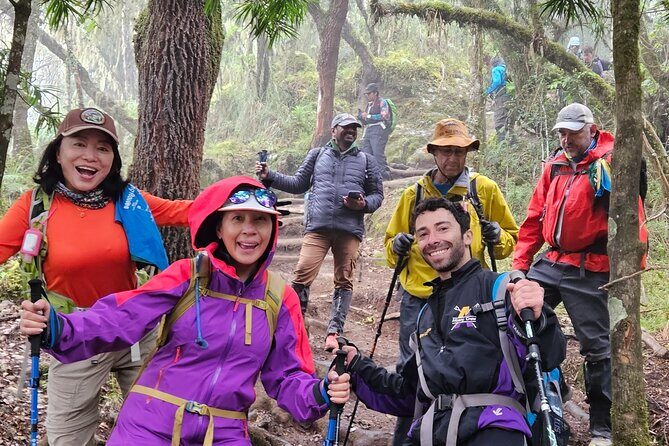
Day 1 walking time is about 4–5 hours over roughly 7 km, rising from around 1,981 m to 2,780 m. The environment is montane rain forest, so expect humidity and a proper “mountain jungle” feel. If you’re prone to feeling cold, this day still may feel muggy. Rain layers and quick-dry clothing matter.
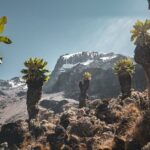
Day 2 is longer: about 7 hours and 12 km, climbing from 2,780 m to 3,511 m through montane forest to moorland. This is also where you get introduced to Kilimanjaro’s signature giant plants—giant heather and erica, plus the big, weird-looking giant forms like giant lobelia (listed as giant levelia) and giant groundsel. The operator’s mantra is pole pole—slowly slowly—and honestly, that’s good advice on any altitude trek. You are not trying to win a race; you are teaching your lungs to work.
By Day 3, you reach 4,175 m after about 5–6 hours and 9 km. The environment shifts to alpine desert, and you’re walking toward the landmark called Shark’s Tooth. This is where the mountain starts looking brutally geological: a huge glacial bowl under the sky, lava tube caves in the cliffs, and strong views toward the Kibo Massif and the Northern Ice Field. Expect colder air and drier conditions than the forest days. Your feet and lungs may both feel different here, so go slower than your ego wants.
What I’d prep for these first three days
- Pack for temperature swings: forest warm, high-desert cold
- Keep a steady pace and follow the slow rhythm—it helps more than you think
- Plan for rain gear early; Day 1 is in montane rain forest
Days 4–5: Kibo’s northern face to Third Cave Camp
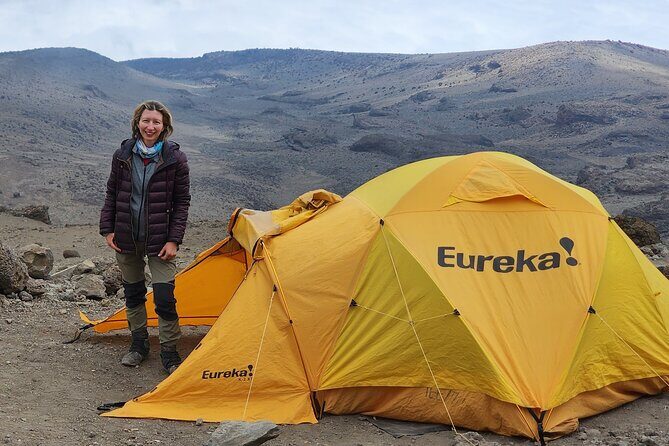
Day 4 is a strenuous change of style. You’re still around the higher zones, but you now make your way around Kibo’s northern face with repeated ascents and descents. Hiking is about 7–8 hours over 12 km, and you start at roughly 4,175 m before ending near 4,020 m at Pofu Campsite. The listed environment is semi-desert, and the day feels like “work,” not just scenic wandering.
The big payoff is perspective. The views here differ from earlier days because you’re changing position relative to Kibo and shifting into valleys that cut through the mountain. It’s the kind of day where ridge crests give you those split-second breath moments—then you drop again and keep climbing.
Day 5 continues the theme of “less visited” terrain on the northern slopes. You hike about 6 hours over 7 km, moving from around 4,020 m down slightly to 3,960 m. Vegetation is described as rocky alpine desert and sparse moorland. You’re still passing through a lot of altitude variation, so even if the distance is shorter, it doesn’t feel easy.
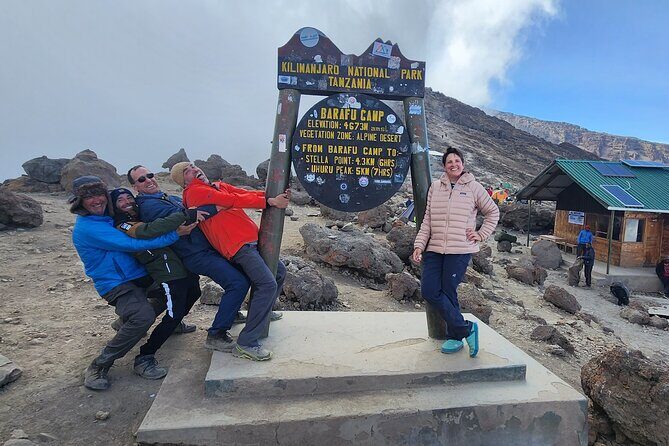
You’re also in a great zone for views: Kibo and Mawenzi loom strongly overhead. Then you reach Third Cave Camp, and the trek notes that this is where you complete the Northern Circuit.
This is also where I’d pay attention to how your body is coping. If you feel good on Day 5, it’s a green light for summit-day effort. If you feel wrecked, you’ll want to communicate early with your guide and keep your pace honest.
Day 6: the sharp School Hut climb (and why that ranger station is cool)
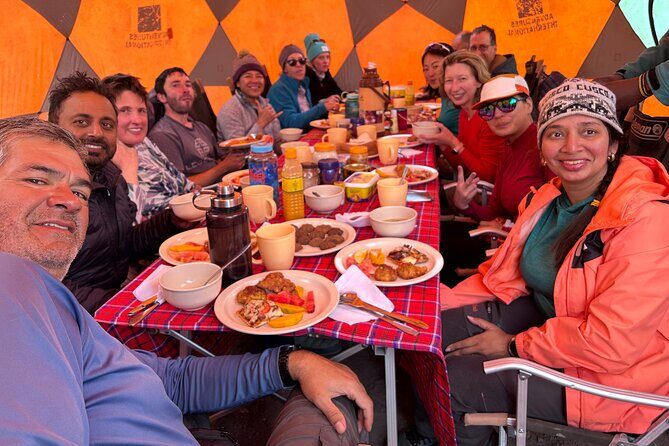
Day 6 is shorter on the clock—about 5 hours—but it packs a punch. You travel roughly 6 km and gain altitude fast, jumping from around 3,960 m up to about 4,790 m. The route lists an altitude gain of approximately 780 m to School Hut.
The environment remains alpine desert, so expect cold and thin air. This is one of those days where the views can trick you into going too fast. The route says the views are staggering along the way, and that is exactly when your brain starts sprinting emotionally. Don’t. Stop often, sip water, and keep your steps smaller and slower.
One detail I genuinely like: School Hut is described as a mountain training facility for park rangers. That means this is not some random camp spot; it’s a working place on the mountain. And it sits in an impressive position with wonderful views of Kibo Peak, which helps you wrap your head around what’s coming the next day.
Day 7 summit day to Uhuru Peak: Gillman’s Point, Stella Point, and the hard final steps
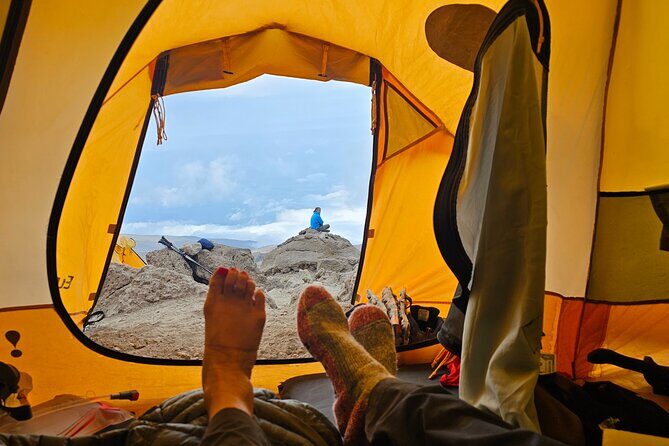
This is the day you came for—and it deserves respect. You rise early, leaving camp around 12:00 a.m. after a warm drink and a light snack. Hiking time runs 13–16 hours, with about 19 km covered overall.
You head for the summit via Gillman’s Point and Stella Point. Once you reach Stella Point, you rest, eat your lunch, and take in the views over the clouds. That break matters. If you treat Stella Point like a quick stop, you’ll pay for it on the final push.
From Stella Point, the trail is normally snow-covered, and the itinerary notes a challenging final ascent of about two hours to Uhuru peak. Two hours sounds short. At 5,800 m-ish and in cold, it is not short. It’s deliberate work, step by step.
When you arrive at the summit, the trip description points to that huge emotional shift—after the climb grind, the top feels like a different planet. I like that the route keeps you moving in stages rather than tossing you straight into the steepest part without a rhythm.
Practical advice for summit day (based on the way this route is paced)
- Plan to move conservatively even while you feel strong
- Treat Stella Point as part of the climb, not a bonus stop
- Expect snow conditions and dress for it
Day 8 Mweka descent through rain forest, plus your gold or green certificate
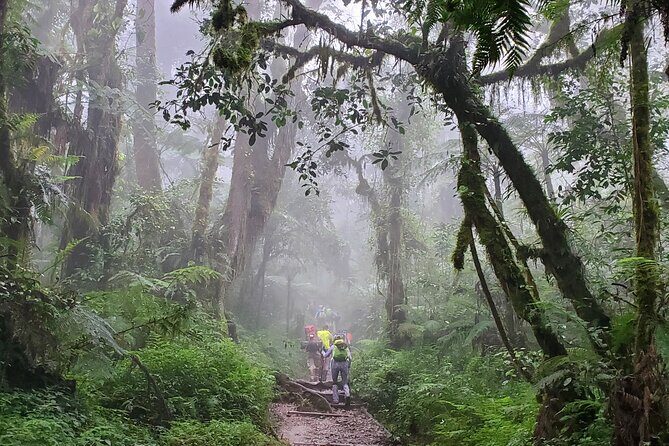
The final day hits your legs hard in a different way. You hike about 3–4 hours over 8 km, dropping from around 3,100 m to 1,800 m. The environment shifts to Mweka rain forest, which sounds relaxing, but the itinerary notes the trail descends steeply and can get slippery if wet.
You follow the crest of a broad ridge separating river valleys. Then the route meets a road for the last 40 minutes to Mweka Park Gates. At the gates, you stop for a well-deserved picnic lunch.
Then comes the official icing: successful climbers receive summit certificates from the Kilimanjaro National Park Authority. The route specifies gold for Uhuru Peale and green for Stella point. That’s a clear recognition system, and it turns the day into more than just a walk back down.
After celebrating, you transfer to your hotel for the night. The mountain days are done; now it’s time to recover, eat normally, and stop staring at your summit photos like they’re evidence in a case.
Who this Kilimanjaro Northern Circuit fits best
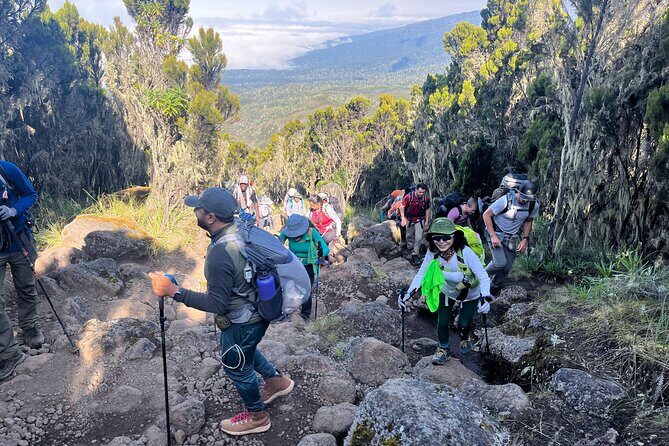
This route fits you if you want a climb that is long enough to help acclimatization and quiet enough to feel personal. It also works well if you prefer structure: the package includes the main mountain machinery—tents, toilets, mess tent setup, monitoring, oxygen, and emergency medical support.
You might want to reconsider if:
- You dislike long trekking days (especially Day 7)
- You’re not prepared for cold and possible snow on the summit approach
- You prefer to do everything independently and already have gear and permits handled
Age range and fitness requirements aren’t listed in detail, but the tour description says most people can participate. Still, altitude is altitude. Your best move is to show up trained, rested, and with a pace mindset.
Should you book this Northern Circuit with Jaribu Africa Adventures?
My decision guide is simple.
Book it if you want more days to adjust, you like the idea of the quieter northern terrain, and you want the heavy logistics handled—permits, tents, medical readiness, and camp comfort. The included safety gear (including Gamow bag and emergency oxygen) and the listed monitoring steps are a strong reason to choose this kind of organized route.
Think twice if you feel time-heavy treks are not your style. You’re paying for the slower, longer approach. That’s the trade.
If your goal is a thoughtful, well-supported Kilimanjaro climb that still reaches the top, this Northern Circuit version checks a lot of practical boxes.
FAQ
What route does this Kilimanjaro climb follow?
It’s an 8-day Kilimanjaro Northern Circuit that starts on the Lemosho route and then traverses the mountain’s northern slopes. The summit day follows the route via Gillman’s Point and Stella Point to Uhuru peak.
Is the $3,000 price all-in for the mountain setup?
The price includes accommodations on bed-and-breakfast basis (2 nights in Moshi at Ameg Lodge or Salinero Hotels), camping equipment like tents and mattresses, park entrance and camping/rescue fees, meals on the mountain, and medical support supplies such as a Gamow bag, emergency oxygen, and vital sign monitoring.
Do I need to bring my own trekking gear?
Personal trekking equipment is not included. The package includes mountain camping setup, but you should still plan to bring your own trekking items.
How much is the summit day, and when does it start?
You leave camp around 12:00 a.m. and hike about 13–16 hours total. The final ascent to Uhuru peak is described as about two hours and is normally snow-covered.
What happens on the last day at Mweka Park Gates?
You descend through Mweka rain forest, hike for about 3–4 hours, and then reach Mweka Park Gates for a picnic lunch. Summit certificates are awarded by the Kilimanjaro National Park Authority: gold for reaching Uhuru Peale and green for reaching Stella point.
What if the climb can’t happen due to weather?
This experience requires good weather. If it’s canceled due to poor weather, you’ll be offered a different date or a full refund.