REVIEW · ARUSHA
9 Days Safari To See Great Migration Crossing
Book on Viator →Operated by KILI SLOPE TOURS AND SAFARIS LTD · Bookable on Viator
Wildlife here moves like a living calendar. This 9-day Tanzania safari is built around the Great Migration and the classic circuit of Arusha National Park, Tarangire, Lake Manyara, Serengeti, and Ngorongoro Crater. You also get a walking safari in Arusha with an armed ranger, plus big-park game drives that aim to put you in the right places for action.
What I like most is how the route blends different ecosystems, so you are not seeing the same thing on repeat. I also like the way the tour is set up as a private safari, with one group and dedicated transportation, food, and park fees handled for you. The other big plus: named guides show up in real feedback, including David (planning and support), Ziggy (navigation), and Tom (service and game drives).
One consideration: the exact timing of any specific migration crossing can’t be locked in on a calendar. You follow migration paths based on where the herds are at the time, so you are chasing the moment, not a fixed photo spot.
In This Review
- Key highlights worth planning for
- From Arusha National Park to a ranger-led walk
- Tarangire National Park and the river pull of dry-season wildlife
- Lake Manyara: tree-climbing lions and the forest-to-lake route
- Serengeti entry via Ngorongoro Conservation Area (and the Olduvai option)
- Morning and afternoon Serengeti drives: how you actually see more animals
- LOBO area planning in Serengeti: tracking the main migration path
- Following herds on crossing days: Serengeti river danger and predator timing
- Ngorongoro Crater Rim: early starts plus a crater-floor payoff
- What you get for the price: value in parks, meals, and private driving
- Guides make the day: David, Ziggy, and Tom in the real world
- Who this safari fits best (and who should think twice)
- Should you book this Great Migration safari?
- FAQ
- What parks does this safari include?
- Do I get hotel pickup in Arusha?
- Are meals included?
- Is the tour private?
- Are park fees and taxes included?
- Are tips included?
- Can I cancel for a full refund?
Key highlights worth planning for
- Serengeti Great Migration focus with time spent in the areas where the herds typically move
- Daytime variety from Arusha walking safari to Tarangire river game viewing to Lake Manyara’s special habitats
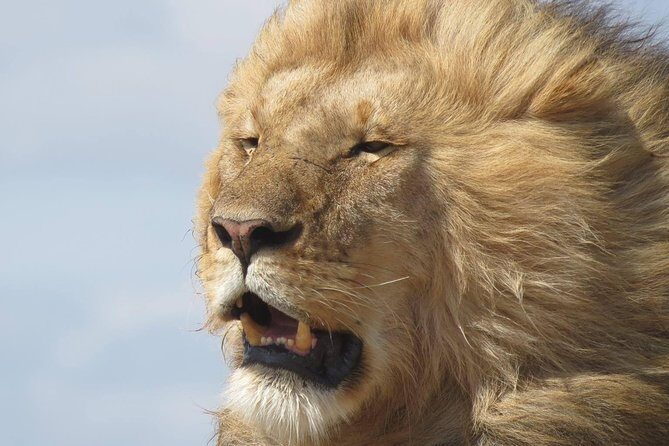
- Big Five in Ngorongoro with crater-floor game drives and a picnic lunch at Ngoitoktok swamp/hippo pool
- Private vehicle and guide attention geared toward finding animals during both morning and late-afternoon sessions
- Strong operator communication with David named in feedback for fast responses and trip adjustments
- Armed-ranger walking safari in Arusha plus bird-rich Momella Lakes time
From Arusha National Park to a ranger-led walk
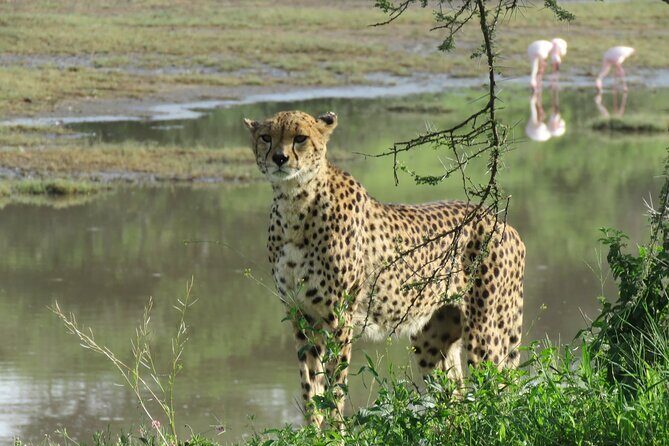
Your safari starts in Arusha, with early pickup from your hotel and a drive to Arusha National Park. Even though it is not a huge park, it is packed with life—over 400 species are recorded here, including the kind of birdwatching you do not always get on big-vehicle safaris. You also drive on a tarmac road for about 38 km to get into the park with less friction and more time for wildlife.
The signature moment is a walking safari with an armed ranger. It runs around four hours, and the goal is to slow down and look closely, especially at birds and smaller animals that you usually miss from a vehicle. Lake Momella is a key stop in Arusha: it is one of Tanzania’s better spots for waterbirds, with flamingos, pelicans, herons, ducks, and waders mentioned as common.
This first day also teaches you the tempo of the trip: packed lunches, game viewing sessions, and then lodging at the end of the day. It is not a single long drive and done. It is a working safari rhythm, which helps when later days ask you for early starts and lots of time on the road.
A few more Arusha tours and experiences worth a look
Tarangire National Park and the river pull of dry-season wildlife
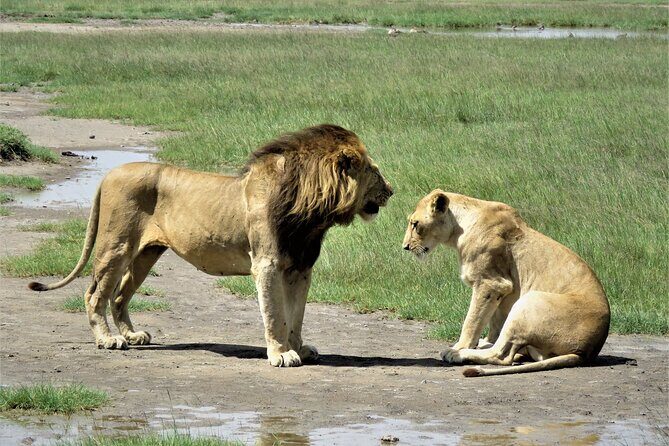
Tarangire is a different kind of safari day. The tour leans into the park’s reputation for dense wildlife around the Tarangire River, especially during the dry period. That is when animals that have been pushed by water scarcity tend to concentrate, and predators often show up to hunt where the food is.
You start after breakfast, then head from Arusha to Tarangire. The driving time is short enough that you are not spending the whole day in transit, and the schedule gives you lunch plus a late-afternoon game-viewing session. That matters because many of the best animal behaviors show up when the light softens and animals shift positions.
Tarangire is also bird country. The tour notes over 500 varieties of birds. Even if you are not the type who carries binoculars just for fun, you’ll still benefit—birds often give away where bigger animals might be, and the park’s mix of habitats keeps sightings varied.
One practical note: your safari operator includes all fees and taxes and provides meals, so you are not constantly worrying about what costs extra once you reach the gates.
Lake Manyara: tree-climbing lions and the forest-to-lake route
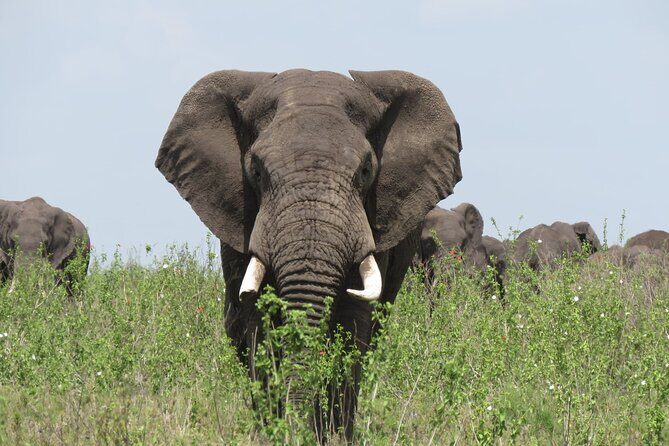
Lake Manyara is a good break from the big open savanna feel. This day is set up as an afternoon circuit rather than a full day of driving. You move from an underground-water forest section into acacia woodland savanna, then pass a hot water spring before reaching the lake area.
That variety of habitats is the point. You are not just driving around hoping. The route is designed so you can see different wildlife signatures in a single afternoon. The tour specifically highlights tree-climbing lions, and it also lists the kinds of animals you might expect: hippo, elephant, zebra, buffalo, giraffe, baboon, and blue and velvet monkey.
The lake itself is another draw. Flamingos and other waterbirds are a major theme, with about 350 bird species recorded. This is the sort of day that works well if you want a calmer pace after earlier drives and you still want real animal time—because Lake Manyara can deliver both birds and mammals, often in the same viewing session.
Serengeti entry via Ngorongoro Conservation Area (and the Olduvai option)
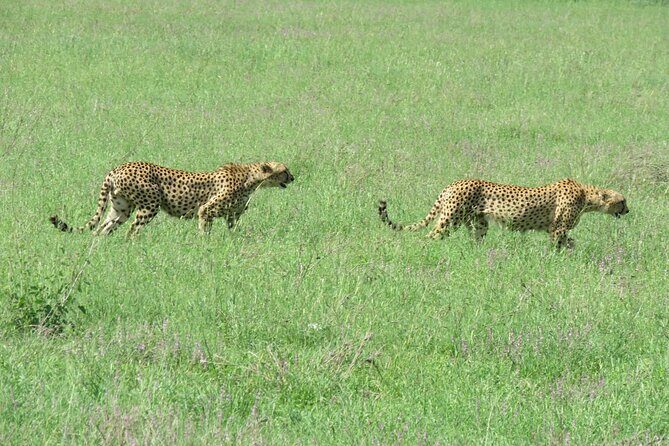
When you head toward Serengeti, the tour passes through the Ngorongoro Conservation Area. This is one of those transitions where the trip starts to feel like it is entering the heart of the migration story.
The tour also includes an option to visit Olduvai Gorge, often called the cradle of mankind in the tour description. If you choose that stop, you get a context stop that breaks up the safari focus with something totally different—geology and human origins—before you return to animal watching on the vast Serengeti plains.
Once you reach Serengeti, your schedule shifts into the classic rhythm: game drives with predators, big game, and the migration theme front and center. The day includes a sunset-focused drive approach, with dinner and overnight following.
This stage is important because Serengeti works best when you are not waiting for just one perfect moment. You need multiple chances to get animals, and the tour gives you that by building in both daytime and low-light viewing opportunities.
Morning and afternoon Serengeti drives: how you actually see more animals
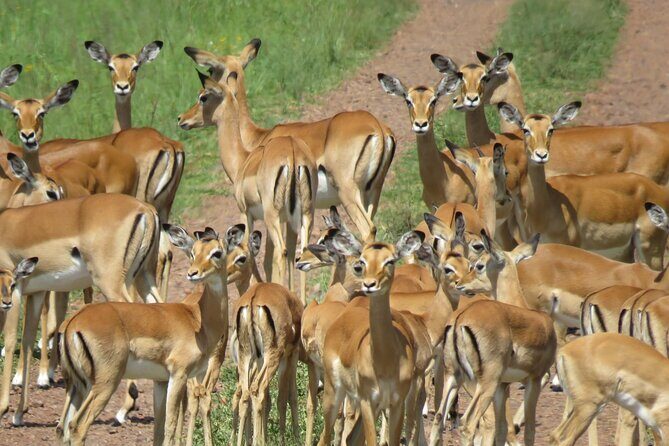
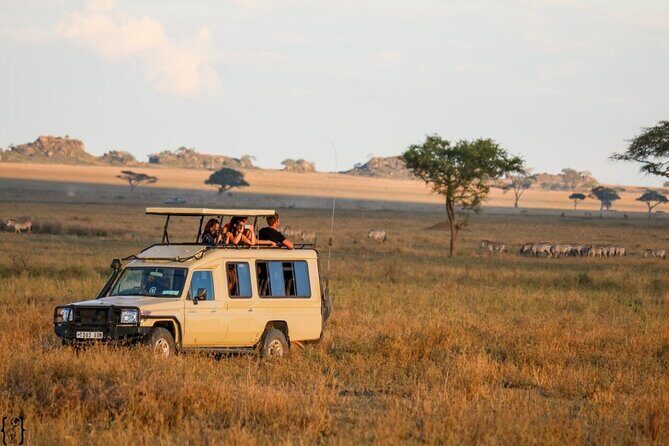
In Serengeti, the tour keeps you on the move with morning game drives and afternoon drives through sunset. The schedule gives you time to adjust to the changing light and animal behavior, because sightings can shift when the sun climbs and then drops again.
On a safari like this, the difference between a good day and a great day is often simple: do you have time for two viewing windows? Here, you do. The tour runs morning drives, then midday break, then another round until about 06:30 pm. That means you are not just passing time in one block; you are targeting the periods when animals are more active and easier to spot.
The guide approach is also built into this part of the trip. The tour description says your expert guide will explain what you are seeing, which matters when you want to understand why animals are behaving a certain way—like how predators position themselves around herds.
If you care about the migration specifically, Serengeti is where the trip starts turning into a chase. You are driving in a place large enough that your route depends on what’s happening that day. That is why having a private vehicle and dedicated guide is a real advantage, not just a luxury label.
LOBO area planning in Serengeti: tracking the main migration path
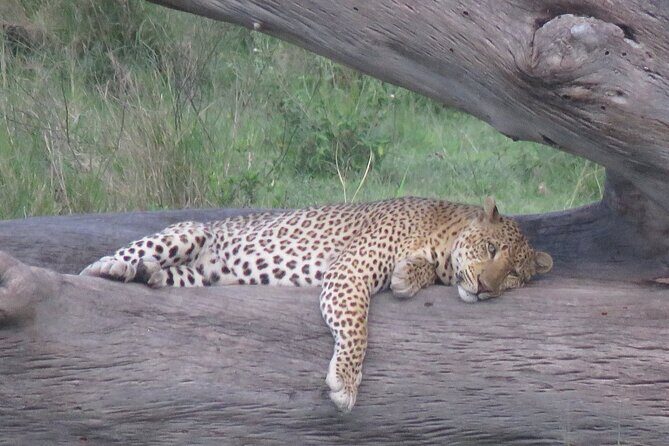
On the next Serengeti stretch, the tour adds a key regional detail: time in the LOBO area, described as the place where the main path of the migration has passed. This is the tour’s way of being intentional, not random.
The schedule keeps it flexible, with morning and afternoon game drives. In the afternoon, it continues with more viewing to the north east of the park. That direction matters because the migration does not move in straight lines; it shifts within the Serengeti ecosystem based on grazing and water availability.
What makes this day valuable is that it is not just a generic Serengeti day. It is aimed at being near the likely corridors when the herds travel. If you are booking for the Great Migration crossing specifically, this kind of “where in Serengeti are we right now?” planning is exactly what you want.
Your odds improve when you have more than one Serengeti day. This tour structure—multiple days of drives with a specific migration-focused approach—helps you get repeat chances rather than one gamble.
Following herds on crossing days: Serengeti river danger and predator timing
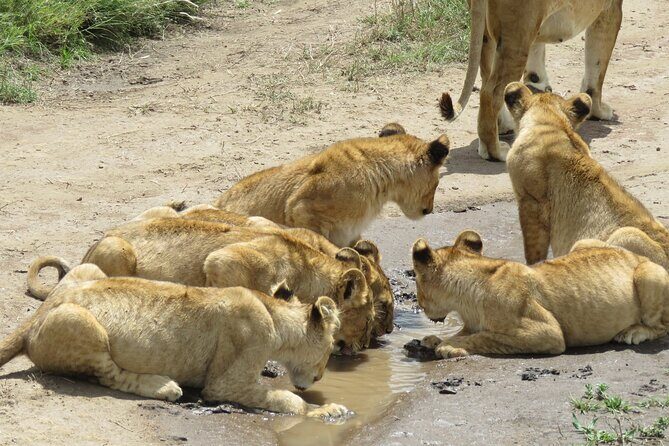
The trip’s most intense migration focus comes on the day you follow the herds through the Serengeti ecosystem. The tour description points to the scale: about 1.5 million wildebeests and 500,000 zebras moving through the area. That kind of movement is the reason the Great Migration is famous. It is not one dramatic scene—it’s a rolling event.
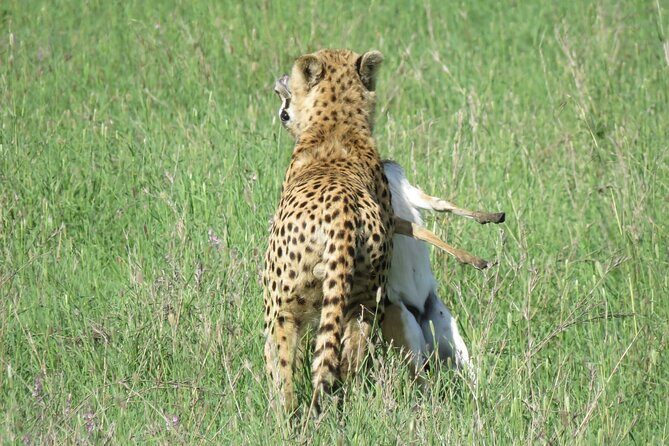
This is also where the tour description gets blunt about what you are seeing. It calls out danger everywhere: lions, cheetah, and other carnivores waiting for the right moment. It also mentions crocodiles in the Serengeti River and warns that herds crossing can be deadly, with thousands swept by the waters.
You will spend the day following the migration paths, with a late-evening drive for dinner and overnight. That means you are not just stopping for a quick look and moving on. You are likely in the thick of it, where timing, animal movement, and predator behavior create constant change.
There is an honest takeaway for you: this day is emotional and physical. You can be in the right place and still not see every exact moment. But you do get immersion in how crossings and predation interact—because in migration season, the crossing is also the hunting opportunity.
Ngorongoro Crater Rim: early starts plus a crater-floor payoff
As you leave Serengeti toward Ngorongoro, the tour keeps a morning game drive in Serengeti before heading out. That is smart scheduling. You are not losing your best viewing window just because you have to change locations.
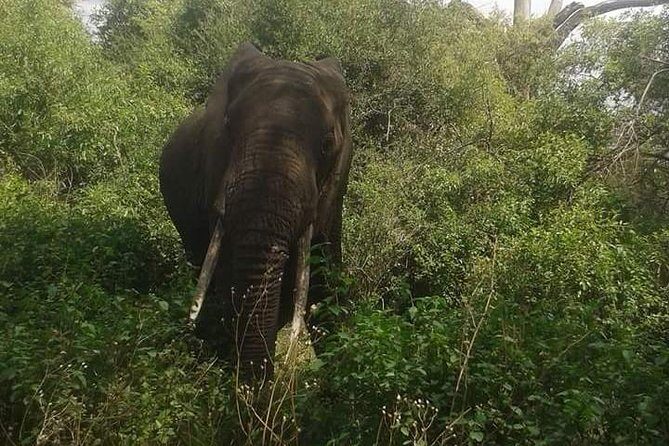
Then you drive to Ngorongoro Crater rim for dinner and overnight. You wake up early for the next phase: descending into the crater floor for game drives. Ngorongoro is described as a caldera where all the Big Five live—rhino, lion, buffalo, and elephant, with the tour also listing other species you can expect such as zebra, hippo, wildebeest, and hyena.
The bird list adds another layer. Flamingos on the Soda lake are mentioned, plus geese, storks, vultures, and more. That is useful because you often get both mammal sightings and bird highlights in the crater, especially around water areas.
Lunch is served as a picnic in the crater at Ngoitoktok swamp, described as a hippo pool. That detail matters because it gives you a pause at a wildlife hotspot rather than a generic lunch stop. Then you drive back toward Arusha after the crater experience.
What you get for the price: value in parks, meals, and private driving
At $4,846.16 per person for an approximately 9-day safari, this is not a bargain trip. It is in the category where you want to ask: what am I paying for, beyond the animal photos?
In this package, the value comes from three areas:
1) Multiple major parks in a tight circuit: Arusha National Park, Tarangire, Lake Manyara, Serengeti, and Ngorongoro Crater.
2) All meals and many extras included, with breakfast (9), lunch (9), dinner (7), snacks, wine, and soft drinks mentioned as included.
3) All fees and taxes plus private transportation, which reduces the hassle factor and prevents cost surprises at the gates.
You also have flexibility in accommodation style. The tour says it offers lodges, luxury tented camps, and budget camping safari options. That means your exact “value” depends on what level you choose. If you like comfortable bases between long drive days, you’ll likely want to pick lodge or tented camp options rather than camping.
Finally, there is the operator side. In the feedback, David is repeatedly described as responsive during planning and able to adjust accommodations. Ziggy is specifically praised for being excellent at navigation, and Tom is praised for world-class service, cold drinks in the vehicle, and great game drives. Those details are small in words but huge in daily comfort.
Guides make the day: David, Ziggy, and Tom in the real world
A safari can feel magical or messy depending on how well it is run. Here, the guide and operator names matter because they show up in multiple comments.
David is mentioned for planning support and fast responses, including arranging rides connected to the Kilimanjaro airport and making accommodation changes when needed. That kind of follow-through matters because safaris are not only about seeing animals—they are about reducing stress when plans shift.
Ziggy comes up as an excellent guide, praised as a pro at navigation. On safari, navigation is not trivia. It affects how quickly you reach sightings and how well you position for the moment you came for, especially during migration days.
Tom is described with a focus on service: world class driving, a good safari vehicle, cold drinks during drives, and incredible game drives. That is the practical stuff you’ll feel on long, hot road days.
If you want a safari that runs smoothly from Arusha pickup to crater descent, this operator-and-guide pairing is the strongest reason to consider booking.
Who this safari fits best (and who should think twice)
This 9-day route works best if you want the classic Tanzania circuit plus a real emphasis on the Great Migration crossing. You should also like a day-by-day rhythm that mixes early starts with long drive hours and two game-drive windows when possible.
You’ll likely enjoy it most if you value:
- private group attention and dedicated transport
- multiple Serengeti days to improve odds of migration sightings
- a crater-floor Big Five day with a structured lunch at Ngoitoktok swamp
Think twice if you are the kind of traveler who needs a guaranteed checklist moment. Migration days are built on where the herds go, not on where you hoped they would be. You can follow paths and still miss a specific crossing you imagined.
Should you book this Great Migration safari?
I’d book this if you want a well-paced circuit with serious migration focus. The tour structure gives you enough days in Serengeti to keep your chances high, and it finishes with Ngorongoro for a Big Five crater payoff that is hard to replicate elsewhere in Tanzania.
I would ask a few pointed questions before you pay:
- Which accommodation level are you choosing (lodge, luxury tented camp, or budget camping)?
- Can you confirm the pickup time detail since the description shows early pickup and a start time on the listing?
- For your migration expectations, ask how they decide where to position on crossing days based on herd movement.
If those answers line up with what you want, this is the kind of safari that can turn into a lifetime story—especially on the days when the river crossing and predator timing overlap.
FAQ
What parks does this safari include?
It includes Arusha National Park, Tarangire National Park, Lake Manyara National Park, Serengeti National Park, and Ngorongoro Crater.
Do I get hotel pickup in Arusha?
Yes. The tour description includes pickup from your hotel in Arusha at the start of the trip, with an early morning drive to the parks.
Are meals included?
Yes. Meals are included throughout, including breakfast (9), lunch (9), dinner (7), plus snacks. Wine and soft drinks are also mentioned as included.
Is the tour private?
Yes. It is listed as a private tour/activity, meaning only your group participates.
Are park fees and taxes included?
Yes. The package includes all fees and taxes.
Are tips included?
No. Tips are not included.
Can I cancel for a full refund?
Yes. You can cancel up to 24 hours in advance for a full refund. If you cancel less than 24 hours before the experience starts, the amount paid is not refunded.