REVIEW · ARUSHA
3 Days Safari Serengeti & Ngorongoro Crater
Book on Viator →Operated by pazuri porini safaris · Bookable on Viator
Two parks in three days can feel like a cheat code. You’ll move fast through Serengeti National Park and the Ngorongoro Crater, chasing wildlife morning to late afternoon, then sleeping right near the crater rim. It’s the kind of route that saves you from doing only one park and missing out on what makes the other so special.
I really like that the trip covers the hard-to-manage basics: camping gear plus a real plan for all meals during the two overnights. And in the people-driven safari reviews, names like Assad, Mike, and David come up with the same message: competent guiding, good care, and lots of effort to find animals.
One thing to consider before you book: the timing is early and the drives are long. Day 1 is an 8-hour road day, and Day 3 includes a 6:15 am descent, plus the black rhino is notoriously hard to spot, even with an excellent guide, so don’t count it as guaranteed.
In This Review
- Key things you’ll notice right away
- Why Serengeti + Ngorongoro works in just 3 days
- Day 1: Arusha to Serengeti with an Ngorongoro crater viewpoint stop and optional Maasai village
- Day 2: A 6:30 am Serengeti game drive, then Simba campsite near the crater rim
- Day 3: 6:15 am crater descent, a black rhino search, then the return to Arusha
- Camping setup and meals: the comfort you actually feel
- Guides, vehicles, and the small-group advantage
- Price and value: what the $750 really covers
- What to pack (so early mornings don’t ruin your vibe)
- Who should book this 3-day safari, and who might want a different fit
- Should you book this tour?
- FAQ
- Is pickup offered for this safari?
- What parks are included?
- Are meals included?
- Do I need to bring camping equipment?
- Are park entrances and fees included?
- What is the group size limit?
- What does the price include, and what doesn’t?
- How does cancellation work?
Key things you’ll notice right away
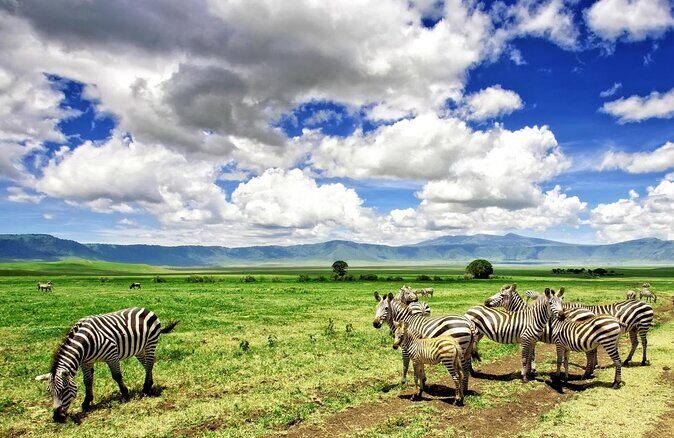
- Up to 6 people in a group keeps the safari feel personal and flexible when animals pop up
- All park and vehicle fees are included, so the big costs are already handled
- Camping is fully kitted out with tents, sleeping bag, and mattress
- Meals are built in across breakfast, lunch, and dinner for your 3-day run
- Early starts are part of the strategy for better wildlife viewing (and cooler temperatures)
- Ngorongoro focuses on the crater floor where animals concentrate, including a specific black rhino search
Why Serengeti + Ngorongoro works in just 3 days
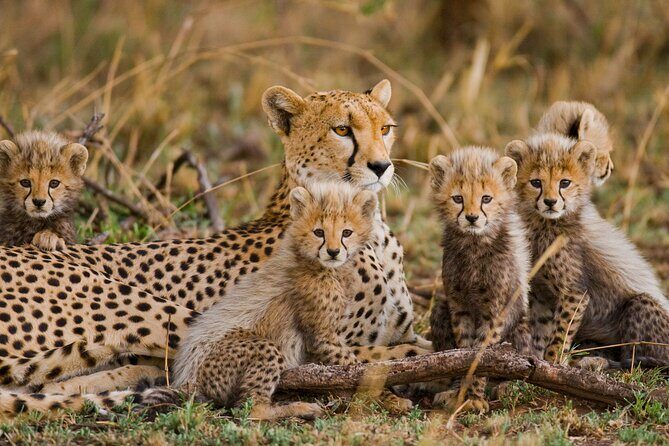
If you only do Serengeti, you’re seeing one side of Tanzania’s wildlife story. If you only do Ngorongoro, you’re seeing a different kind of safari show: a floor packed with animals where visibility and density can feel intense. This combo is a smart way to get variety without burning a whole week on logistics.
In a 3-day format, you’ll spend your time where wildlife is most likely and where the geography helps. Serengeti tends to reward early game drives and long patience, while Ngorongoro is a crater environment where descending early helps you get better chances with the animals that gather below.
The other big reason this route makes sense: you’re not stuck doing everything from Arusha and back every day. You sleep at a campsite near the Ngorongoro rim, which means Day 3 starts with the crater already on your doorstep.
A few more Arusha tours and experiences worth a look
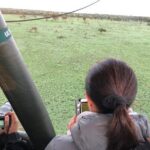
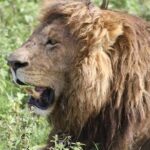
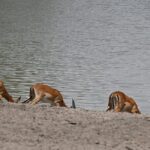
Day 1: Arusha to Serengeti with an Ngorongoro crater viewpoint stop and optional Maasai village
Day 1 starts with breakfast in Arusha, then a long drive into the Serengeti area. The road time is listed as about 8 hours (with stops), and you’ll pass through the Ngorongoro conservation zone as you go. That means you’re already in the ecosystem early, even before your main game drive time starts.
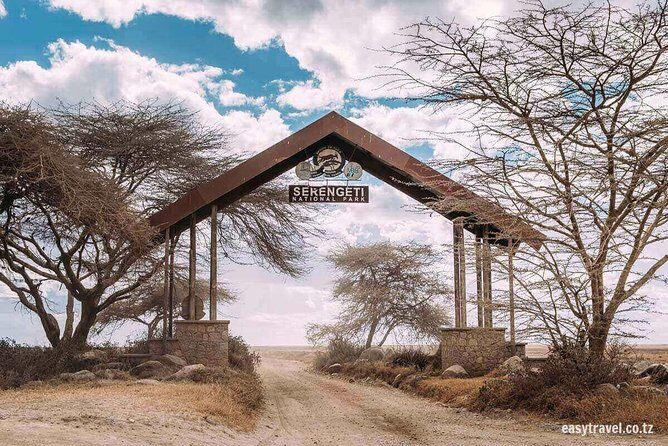
Along the way, there’s a brief stop at the Ngorongoro gate and viewpoint for about 20 minutes. It’s not a full crater day, but it’s a helpful moment to orient yourself: you’ll see the scale of the crater and understand why descending later matters.
You also have the option to visit a Maasai village. The tone of the cultural stop is framed as optional exploration of Maasai traditions, including stories like warrior status and older practices that have shifted over time. If you choose it, go with a curious mindset and keep expectations realistic: it’s a short stop, not a museum visit, and the goal is learning and respect, not checking boxes.
Practical note for Day 1: because the drive is long, you’ll want to set up your comfort before you roll out. A light layer, a neck pillow or scarf, and good hydration habits pay off when the day is mostly on the move.
Day 2: A 6:30 am Serengeti game drive, then Simba campsite near the crater rim
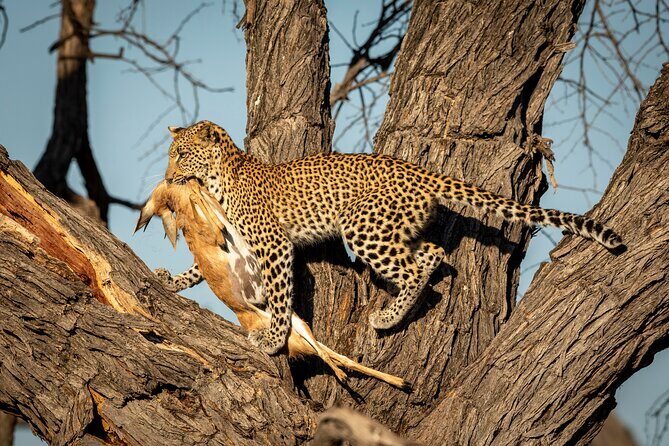
Day 2 is built around the classic safari rhythm: early breakfast at 6:30 am, then an early game drive while animals are most active. This is where you’ll have the best shot at seeing predators and big herbivores in motion, plus birds that are easier to spot when the light is low and the animals aren’t already spooked by heat.
The day then shifts toward camp logistics. You head to the camp area for lunch and packing, and then you do another game drive segment while exiting Serengeti and driving toward Simba campsite, described as about a 2-hour transfer near the rim of Ngorongoro Crater.
One detail that matters for planning: animals can also be spotted on the campsites. That means even outside formal driving, the area around camp can still deliver sightings—often the small moments are what you remember when the day is packed.
You’ll sleep at Simba campsite on Day 2, and dinner is included. People in the reviews also highlight the chef and the overall food quality, which is a big deal on a camping safari. After a day of dust and sun, warm, filling meals make everything feel smoother.
Day 3: 6:15 am crater descent, a black rhino search, then the return to Arusha
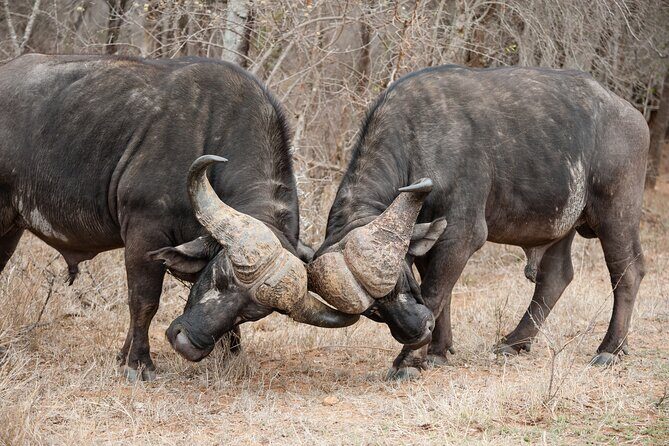
Day 3 begins early again with breakfast, then the descent into Ngorongoro Crater at about 6:15 am. This early start isn’t random. In a crater, temperature and animal movement change as the day warms up, and getting down sooner helps you make the most of the time on the crater floor.
There’s also a very specific goal: a search for black rhino. Your itinerary notes that black rhino can be the hardest to spot, because many animals are easier to spot from the crater environment where visibility favors the bigger movements. Translation: you’ll be looking for it, but you should keep expectations flexible. A great guide stacks the odds, but wildlife always keeps the final say.
After the crater driving, you’ll have lunch, then continue the game drive and ascend. From there, you pack up and drive back toward Arusha town. Depending on your flight time, a safari transfer to the airport is included.
This last day is a long one too, but it has a clean arc: crater descent early, crater floor time in the middle, then exit and travel. It’s a well-thought pacing pattern for three days, especially if you’re flying out the same day.
Camping setup and meals: the comfort you actually feel
This tour includes camping equipment—tents, sleeping bag, and mattress—so you’re not hunting gear after you land. That single inclusion is a big part of the value. When camping gear is covered, you can travel lighter and spend your attention (and packing space) on the things that affect comfort: layers, sun protection, and basic toiletries.
Food is also included and built into the schedule with breakfast, lunch, and dinner across the 3 days. The practical benefit is huge: you’re not negotiating meals in remote areas or timing around opening hours. Camping safaris run on the clock, and having meals scheduled keeps the game drive plan intact.
The reviews consistently praise the chef and the food quality. Since a chef is part of the setup on camping safaris here, you can expect meals that are more than just survival food. You still should eat simply and conservatively with a sensitive stomach, but the tone from the experiences shared is that the food helps you feel like you’re on a trip, not on a hike.
One realism point: camping means you’ll be outdoors and it will feel cooler at night than you expect. Pack for that variation and plan on being up early again the next morning.
A few more Arusha tours and experiences worth a look
Guides, vehicles, and the small-group advantage
The safari is capped at a maximum of 6 people, and that small number matters in two ways. First, it keeps the guiding more personal—your guide can work the route and vehicle positioning with less crowding. Second, it makes it easier to hear explanations when you’re sitting close and everyone is paying attention.
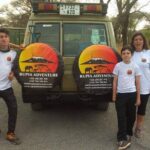
In the reviews, guide names show up: Assad is repeatedly mentioned as organized, caring, and focused on wildlife spotting, with people describing his effort to locate animals and explain their habits. Mike and David are also named in other accounts, and the common thread is skilled guidance and good vehicle handling—important on rough roads and in high-traffic wildlife areas.
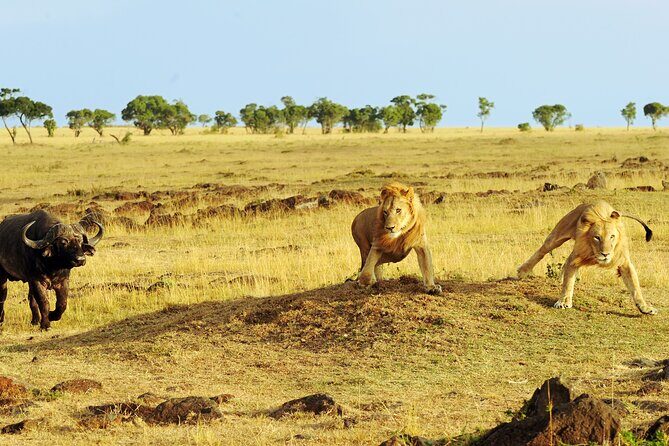
You’ll spend time on game drives in both parks. In Serengeti, that means scanning for movement over distance and letting the day unfold. In Ngorongoro, it’s more about timing your crater-floor viewing and using early hours to catch the animals when they’re most visible.
Because the itinerary uses early starts on multiple days, the guiding team has to be good at planning, not just spotting. That’s what you’re paying for.
Price and value: what the $750 really covers
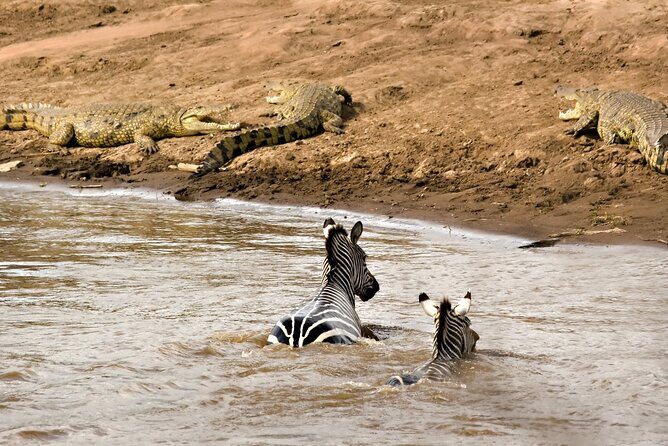
At $750 per person, you’re not just buying seats in a truck. You’re paying for the big fixed costs that can balloon on safari: park entrances & taxes, and vehicle fees are included. On top of that, you get two nights of camping with the equipment and bedding listed in the inclusions.
Then there’s the day-to-day cost you usually regret managing yourself: food. With breakfast, lunch, and dinner included across the schedule, the price covers most of what would otherwise become extra expenses while you’re out in the bush.
What’s not included is also important. Flights aren’t included, and tips and visa fees aren’t included. So if you’re budgeting, you’ll still need to plan for international travel costs and the portion of spending that happens outside the safari operator’s package.
Overall, this is a value-oriented safari style: it bundles the stuff that’s hard to DIY and focuses your time on driving, sightings, and sleeping on-site instead of commuting back and forth daily.
What to pack (so early mornings don’t ruin your vibe)
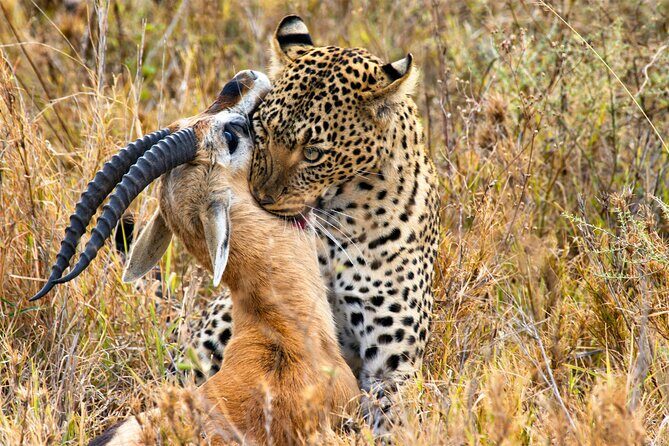
This tour provides camping bedding, but you’ll still want your own items for sanity. I’d plan for sun and cold swings: light layers for daytime and something warmer for the early mornings and crater descent. Safari mornings can be crisp even when the afternoon is hot.
Bring binoculars if you already have them, because spotting small details in Serengeti and picking out animal shapes from a distance can make the whole day feel richer. A hat, sunscreen, and insect repellent are also worth it since you’ll be outside for long stretches.
Since tipping isn’t included, keep some cash aside for that. And keep your camera battery strategy simple: use power-saving mode, and consider a power bank so you’re not scrambling later.
Who should book this 3-day safari, and who might want a different fit
This is a strong match if you want a classic big-safari experience in limited time: Serengeti for broad wildlife variety and Ngorongoro for crater-density viewing. The small group cap also suits people who prefer a more personal pace rather than a bus-style tour.
It’s also a good fit for first-time safari folks. The itinerary is structured with clear blocks of game drive time, meals included, and a campsite near the action so you’re not constantly adjusting plans.
The main reason it might not fit: the schedule is demanding. Day 1 is a full day of driving, and Day 3 starts very early. If you hate early mornings or struggle with long road days, you might find the pace draining.
There’s also the black rhino factor. If your heart is set on seeing one for sure, no itinerary can promise that in the wild. What you can expect here is effort and an early crater plan aimed at maximizing your odds.
Should you book this tour?
Book this safari if your priority is maximum wildlife variety in a tight timeframe, with park fees, camping gear, and meals handled in the package. The small group size and the repeated emphasis on experienced guiding (with names like Assad, Mike, and David showing up) make it easier to feel confident that your days will run on schedule and your guide will work hard for sightings.
Skip or compare if you want a slower pace, dislike early starts, or need more comfort than basic camping provides. Also, if black rhino is your only goal, treat it as a targeted hope, not a guaranteed checkbox.
If you do book, set your expectations right: think of this as a three-day wildlife sprint with real value baked in—less time on logistics, more time chasing the moments that make safari unforgettable.
FAQ
Is pickup offered for this safari?
Yes. Pickup is offered, and you’ll also receive a mobile ticket.
What parks are included?
You’ll visit Serengeti National Park and the Ngorongoro Crater area within the Ngorongoro Conservation Area.
Are meals included?
Yes. Meals are included, with breakfast, lunch, and dinner provided across the 3 days (breakfast 2 times, lunch 3 times, dinner 2 times).
Do I need to bring camping equipment?
No. The tour includes camping equipment such as tents, sleeping bag, and mattress.
Are park entrances and fees included?
Yes. Park and vehicle fees are included, along with park entrances & taxes.
What is the group size limit?
The tour has a maximum group size of 6 travelers.
What does the price include, and what doesn’t?
The listed price includes park entrances & taxes, camping equipment, and meals. It does not include flights, tips, or visa fees.
How does cancellation work?
You can cancel for free up to 24 hours in advance of the experience’s start time for a full refund.