REVIEW · ARUSHA
7 Days Private Safari in Tanzania
Book on Viator →Operated by Congema Safaris · Bookable on Viator
Seven days, four parks, zero guesswork. I like how this private safari lines up Tarangire and Serengeti with unlimited game drives and park admission handled, so you can focus on animals instead of logistics. On the human side, I also like that the experience can be guided by top-notch pros like Charles Mushi, and that the team includes people such as Osman, Fahadi, and Clémence.
What really adds value is the day-to-day rhythm: full-board meals, bottled water on game viewing days, and a careful schedule that gets you into places early. A fair consideration: the days are long, with long drives and near-full-day time on safari, so it helps to enjoy being in the vehicle and going with the flow.
In This Review
- Key Highlights You’ll Feel From Day One
- The Northern Circuit That Actually Makes Sense for 7 Days
- Arusha Arrival and a 6:00 am Start That Controls the Day
- Tarangire National Park: Elephants, Birding, and Baobab Time
- Lake Manyara: Flamingos, Tree-Climbing Lions, and an Optional Village Add-On
- Serengeti Central: Big Plains, Many Species, and Built-In Time
- Two Days Built Around Ngorongoro: More Chances, Less Rushing
- Inside Ngorongoro Crater: Big Five Chances With Morning Light
- Food, Water, and Vehicle Time: What Comfort Looks Like on Day 7
- Guides and Crew: Why the Right Team Changes Everything
- Price and What You Get at $3,762 Per Person
- Who This Safari Fits Best (and Who Might Want a Different Pace)
- Should You Book This 7-Day Private Safari?
- FAQ
- How long is the 7 Days Private Safari in Tanzania?
- Where does the safari start and end?
- What time does the safari start each day?
- Which parks are included?
- Are park admission tickets included?
- Is this tour private?
- What tipping guidance is given?
Key Highlights You’ll Feel From Day One

- Private safari, your group only: no mixing with strangers, so the pace and stops feel more personal.
- Unlimited game mileage + bottled water: you’re not stuck counting kilometers or rationing comfort.
- Four major Northern parks: Tarangire, Lake Manyara, Serengeti, and Ngorongoro Crater area, in a tight circuit.
- Two Ngorongoro-focused days: one arrival-side day plus an early crater morning for better chances.
- Full-board included: breakfasts, most lunches, and dinners are covered while you’re in the safari loop.
- Optional Mto wa Mbu culture: adds village life at Lake Manyara, if you want more than animals.
The Northern Circuit That Actually Makes Sense for 7 Days

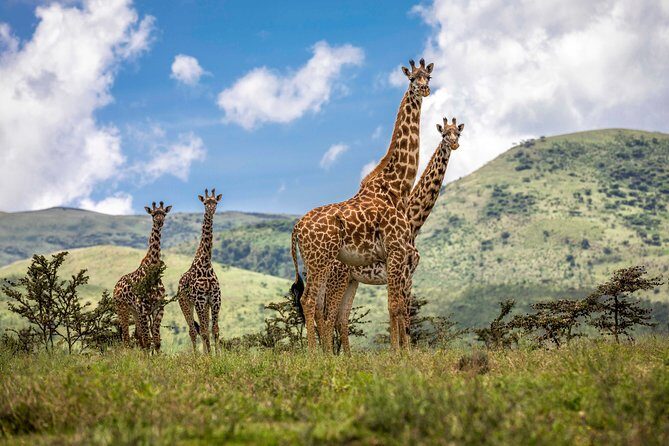
This is the kind of Tanzania trip that works because it stays in Northern parks with real wildlife density. You move through elephant country, then the endless open plains, then you reach the dramatic crater ecosystem, where big animals gather in a shorter, more contained space.
I like that the plan isn’t just a checklist of famous names. It’s structured around how wildlife viewing tends to work: spend time where animals are most likely to show up, then build in real driving hours so you can follow sightings instead of rushing.
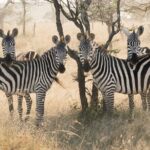
You’ll also get a mix of habitats. That matters because it changes what you see: elephants and baobabs in Tarangire, flamingos and birdlife at Lake Manyara, large-herd action in Serengeti, and the concentrated “stage” feel inside Ngorongoro.
You can also read our reviews of more private tours in Arusha

Arusha Arrival and a 6:00 am Start That Controls the Day

Your safari begins early. The start time is listed as 6:00 am from the meeting point in Arusha, and the overall schedule is built around morning game viewing windows.
Day 1 keeps things easy: you’re met at Kilimanjaro International Airport by a transfer/safari driver, get escorted into Arusha for evening rest, and then you’re set for the real starts. That alone helps, because arriving late and then jumping into a long safari day is where many trips go sideways.
Once you’re in the safari loop, expect a consistent pattern: early departure, long game-drive blocks, then a drive to your lodge/camp for dinner and sleep. If you’re the type who needs a slow start, plan for it mentally now, because the trip’s rhythm is the whole point.
Tarangire National Park: Elephants, Birding, and Baobab Time

Tarangire is the right opener. It’s known for large elephant herds and the classic baobab trees, and it also tends to feel calmer than some of the louder routes. In a seven-day plan, that matters, because you get a strong wildlife hit without the immediate pressure of a full-on stampede day.
You’ll spend a full day game driving in Tarangire, and the timing is built around getting into the park after government procedures at the gate. The day is long—about 9 hours total—but you’re not just driving through scenery. You’re there for the wildlife routine: slow scanning, stopping when your guide spots activity, and letting the herd or predator movement set the pace.
Practical win: the itinerary calls for picnic lunch boxes. That’s useful in remote parks because it keeps you in the viewing loop instead of doing a long detour.
If elephants and birds are your top priorities, Tarangire is a great match. If you’re hoping for constant predator drama all day, you might still see it, but Tarangire is often more about elephants, birds, and the big, slow theatre of feeding and crossing.
Lake Manyara: Flamingos, Tree-Climbing Lions, and an Optional Village Add-On

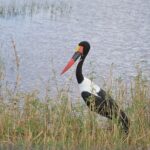
Lake Manyara brings a different vibe. It’s a haven for bird lovers, and in the wet season you can find flocks of thousands of flamingos along the lake edge. That birdlife angle is a real reason to include Lake Manyara instead of swapping it out for another stretch of Serengeti.
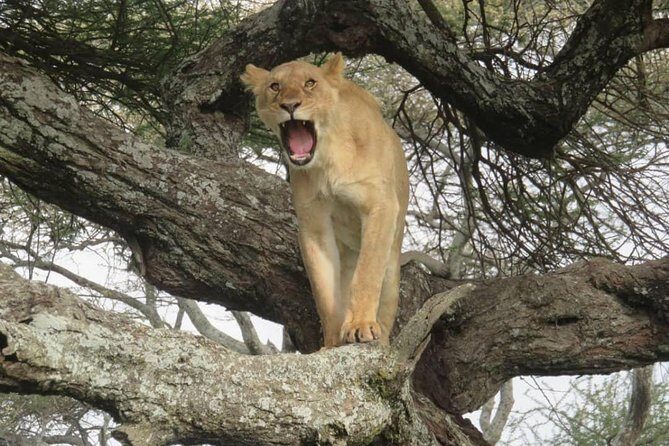
The standout animal note here is the “lion that can climb trees” reputation. Your chances depend on what the lions are doing that day, but this park is where that famous behavior is associated with local wildlife watching.
You also get an option to add a cultural tour at Mto wa Mbu. If you choose it, you’ll do a walk through farms around the Rift Valley’s foot, climb Balaa Hill for town views, visit Miwaleni Lake and a waterfall, and spend time looking into many tribes’ ways of life. You can also visit development projects aimed at improving local conditions.
Two practical considerations:
- This add-on is optional, so if you’re tired, you can keep the day focused on game viewing.
- Culture time means you might shift your schedule slightly, since you’re adding about 5 hours on top of the park day.
Serengeti Central: Big Plains, Many Species, and Built-In Time
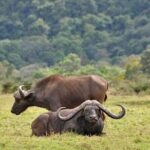
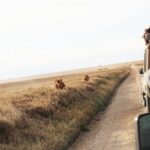
Serengeti is where people expect drama, and this plan is designed to give you real time on the ground. You’ll do full-day game drives in central Serengeti, with a long viewing window that supports both “search mode” and “watch and wait” moments.
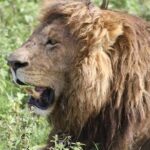
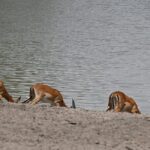
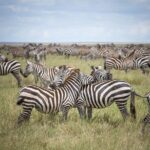
The Serengeti ecosystem is described as a UNESCO world heritage site, with massive numbers of zebras and gazelles, and with the annual wildebeest migration woven into the year’s cycle. Even when the migration isn’t at its peak moment for your exact dates, you’re still in country built for constant movement: grazing, crossing, and predator patrols.
This part of the trip also sets you up for the kind of wildlife watching that’s more than just spotting. Serengeti has plenty of smaller drama too—rock hyraxes around kopjes and dung beetles doing their work in open areas. That’s not just “extra.” Those details are part of learning how the ecosystem functions.
One caution: Serengeti days can feel repetitive if you’re expecting one perfect highlight after another. The fix is mindset. Think of it as a full-day wildlife field class, not a theme-park ride.
A few more Arusha tours and experiences worth a look
Two Days Built Around Ngorongoro: More Chances, Less Rushing

Ngorongoro Conservation Area gets two focused days, and that’s smart. Day 5 includes a morning game drive in Serengeti, then a drive toward Ngorongoro. Day 6 is designed as an early crater game drive, which is often when visibility and wildlife activity can feel best.
The “why it works” is simple: you’re not trying to squeeze crater viewing into one rushed session. You get time for travel and adjustment, then you get an early start specifically for the crater morning game drive.
On the conservation side, the area is described as established to conserve wildlife and natural resources while also protecting the interests of indigenous communities and promoting tourism. That means you’re visiting a place with active management, not a free-for-all.
If you love the Big Five challenge, Ngorongoro is the centerpiece. The plan is designed around that expectation while still making time for the broader range of wildlife around the conservation area.
Inside Ngorongoro Crater: Big Five Chances With Morning Light

The crater experience is the emotional peak for many safari fans. The viewing happens inside the Ngorongoro Crater during an early morning game drive, and that timing is clearly built into this itinerary structure.
Crater viewing can change how you spot animals. Instead of wide-distance scanning across endless plains, you often work with a contained “bowl” where animals move through predictable zones. That can make the experience feel more concentrated and easier to read.
For your expectations, keep it real: this is a wildlife setting, not a guaranteed zoo script. The plan is set up to give you the best shot by starting early and giving you time to scan properly.
You’ll then drive back to your lodge/camp for evening leisure and overnight. After a morning of crater viewing, that lodge time matters. It gives you a buffer to reset, especially if you’re balancing excitement with the physical reality of long days.
Food, Water, and Vehicle Time: What Comfort Looks Like on Day 7

Comfort on safari isn’t luxury wallpaper. It’s practical things that reduce fatigue.
Here, the big wins are:
- Unlimited bottled drinking water during game viewing
- Picnic lunch boxes on park days
- Full-board coverage during the safari loop (breakfast daily, and lunches/dinners included for most days)
The trip is also described as a private safari, and that usually means you spend less time waiting around. The schedule still includes 9-hour blocks on several days, but at least your day moves with your group, not with a random set of strangers’ preferences.
A helpful detail from past experiences: people noted a camping-style formula in addition to lodges/camps. That suggests you should expect a safari-style stay—service focused on the trip, not a city-hotel routine.
Pack for long seats and big days. Bring layers for early mornings, and plan for dust and heat depending on season. You’ll feel those conditions most on the drives and at dawn.
Guides and Crew: Why the Right Team Changes Everything
Safari guides can turn a drive into understanding. In this experience, the professional English-speaking driver guide is part of the core package, with unlimited game mileage to support tracking and searching.
Names that have come up include Charles Mushi, Osman, Fahadi, and cook Clémence. Even when you don’t meet the same exact crew, it’s useful to know the operation has a reputation for enthusiastic, hands-on guidance.
What you should look for in a good guide (and what this kind of team tends to do well) is simple:
- Fast scanning and smart repositioning when animals show up
- Explaining what you’re seeing, not just pointing
- Keeping the day moving without making it feel rushed
The trip is also structured with government procedures at park gates and proper timing between parks. That saves you mental energy and reduces the chance of awkward delays.
If you care about learning how each habitat works, this is where value really shows up.
Price and What You Get at $3,762 Per Person
At $3,762 per person for a private 7-day safari, value comes down to what’s actually included versus what you still have to pay.
Included items that matter:
- Professional English-speaking driver guide
- Unlimited game mileage
- Unlimited bottled water during game viewing
- Breakfasts (7), lunches (6), dinners (5)
- Park admission listed as free
- Pickup offered
- Picnic lunch boxes on the safari days that specify them
Not included:
- International flights
- Tips, with guidance of US$20 per person per day
- Alcohol drinks
- Travel insurance and medical repatriation
- Visa fees, personal items, and travel insurance costs
So does it feel “worth it”? For many people, yes—because park admission, game driving time, and a trained driver guide are the core expenses that make safari pricing jump. When those pieces are bundled, you can budget more confidently.
One practical tip: before you finalize, double-check what your personal tipping plan will be and budget for it. Also, make sure your travel insurance is active before you go, since it’s not included.
Who This Safari Fits Best (and Who Might Want a Different Pace)
This is a strong fit if you want:
- A focused Northern Tanzania route with famous wildlife areas
- A private format where your time isn’t dependent on other groups
- Unlimited game drives so you can chase sightings responsibly
- A mix of animals and birds, plus optional culture in Mto wa Mbu
It might be less ideal if you prefer:
- Short travel days and a lighter schedule
- Plenty of downtime every afternoon
- A trip that feels more like a resort holiday than a safari program
Because the days run long, your best strategy is to travel in “safari mode.” If you do that, you’ll likely feel like the days are flying by in the best way.
Should You Book This 7-Day Private Safari?
I’d book this if you’re serious about wildlife time and you want it organized around the biggest Northern parks. The combination of unlimited game mileage, park admission listed as free, full-board meals during the safari days, and an early crater morning adds up to real safari value.
Don’t book it if you dislike long drives and near-full days. Also, if your trip dates are tight and you know you can’t handle a non-refundable plan, make sure you’re ready before paying.
If you want a safari that’s practical, well-paced, and run by a team with a track record of enthusiastic guiding (with names like Charles Mushi, Osman, Fahadi, and Clémence showing up in past experiences), this circuit is a very solid choice.
FAQ
How long is the 7 Days Private Safari in Tanzania?
It’s listed as approximately 7 days.
Where does the safari start and end?
It starts at Verona Advocates & Associates city complex, Swahili St, Arusha 23102, Tanzania and ends back at the same meeting point.
What time does the safari start each day?
The start time is listed as 6:00 am.
Which parks are included?
The safari includes Tarangire National Park, Lake Manyara National Park, Serengeti National Park, and the Ngorongoro Conservation Area/Crater.
Are park admission tickets included?
Admission tickets are listed as free.
Is this tour private?
Yes. It’s private, and only your group participates.
What tipping guidance is given?
The guidance provided is US$20 per person per day.