REVIEW · ZANZIBAR
Zanzibar : 3-Day PADI Open Water Scuba Diving Adventure
Book on GetYourGuide →Operated by Beach & Safari Holidays · Bookable on GetYourGuide
Zanzibar turns learning into real underwater skills. This PADI Open Water course is built as a tight 3-day schedule, with theory, pool skill work, and then open-water practice in the Indian Ocean—plus gear rental, learning materials, and meals included.
What I like most is the coaching style—calm instruction from staff such as Faridu—and the practical way they handle conditions. In one case, when a current made it impossible to complete every exercise during a session, the team added another session to help you finish strong. The main catch is simple: the operation can be a little tricky to spot at first, so plan extra time to find the blue building at the start of Day 1.
In This Review
- Key things to know before you go
- A 3-day PADI Open Water rhythm that’s easy to follow
- Day 1 classroom theory (09:00–16:00): where confidence starts
- Day 2 pool session (09:00–12:00): skills you can repeat
- Day 3 on Zanzibar’s Indian Ocean: two locations and real-world practice
- What the certificate really gives you: the 18-meter limit
- Price and value: $450 that includes gear, boat time, and the course itself
- Where you meet matters: the blue building and the optional hotel pickup
- Instructor coaching and safety: why Faridu’s style gets noticed
- The 2-day Advanced Open Water option (to 30 meters) if you want more depth
- Who should book the 3-day course in Zanzibar?
- Should you book this 3-day PADI Open Water in Zanzibar?
- FAQ
- How long is the 3-day PADI Open Water course in Zanzibar?
- What is included in the $450 per person price?
- What happens on Day 1?
- What happens on Day 2?
- What will I do on Day 3?
- What is the maximum depth after the course?
- Are entrance fees or transportation included?
Key things to know before you go
- Clear pacing across 3 days: theory on Day 1, pool practice on Day 2, open-water sessions on Day 3
- Professional instructor-led training focused on control and technique, not just time in the water
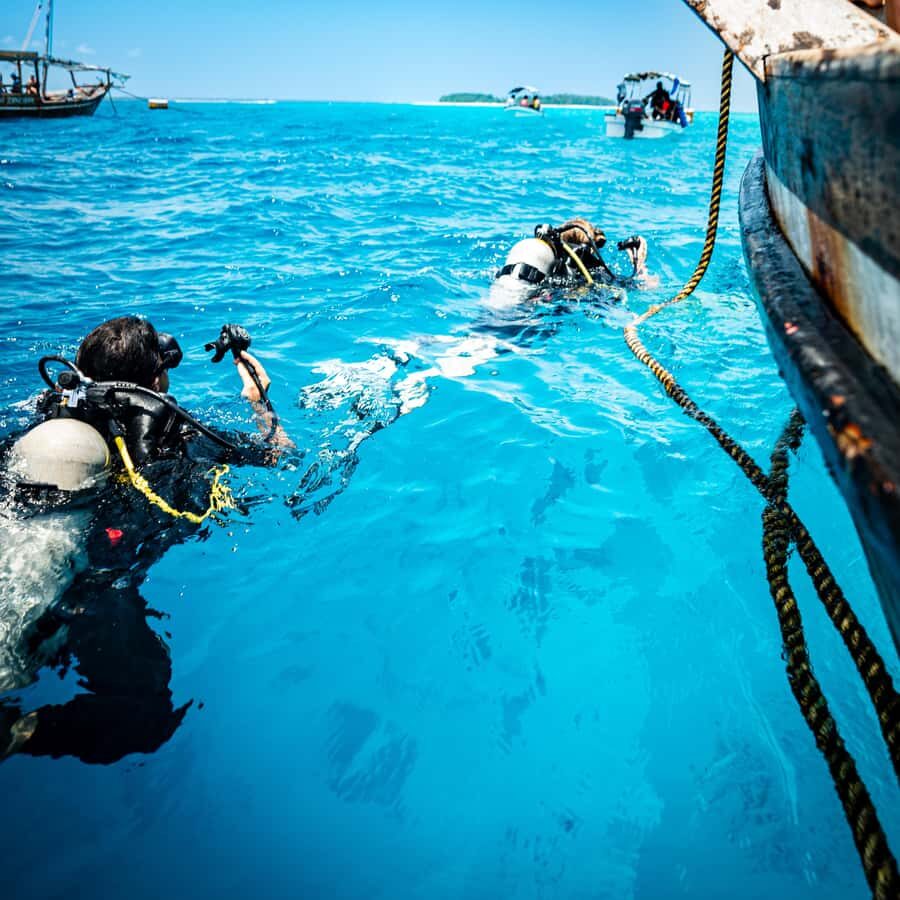
- 4 open-water sessions total, with Day 3 including time at two different locations
- Certificate with an 18-meter limit once you complete the course requirements
- Value-packed inclusions: equipment rental, boat transportation, lunch with fruit, and drinking water
- Small extras to budget for: 10 USD entrance fees and optional transportation or underwater pictures
A 3-day PADI Open Water rhythm that’s easy to follow
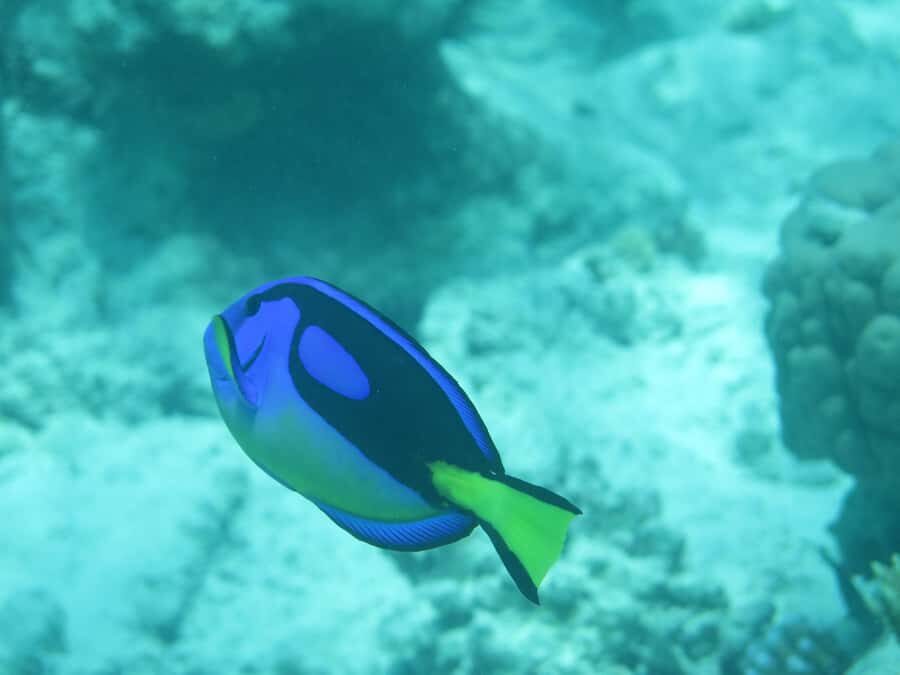
This course works well if you want structure more than guesswork. Day 1 starts at 09:00 and runs until 16:00, so you’re not waiting around for the “real” part. You’re building the foundation first: how the gear works, how to breathe and equalize, and what to do when things feel new.
By the time Day 2 comes around (a pool session from 09:00 to 12:00), you’re not doing random drills. You’re practicing what you learned the day before, which is the quickest way to turn information into muscle memory. Then Day 3 shifts to the Indian Ocean with real open-water practice, guided and paced so you can focus on skills and confidence.
One practical bonus: because the schedule is set up like training, it’s easier to plan your Zanzibar day around it. No hunting for who does what—your time is accounted for.
You can also read our reviews of more scuba diving tours in Zanzibar
Day 1 classroom theory (09:00–16:00): where confidence starts
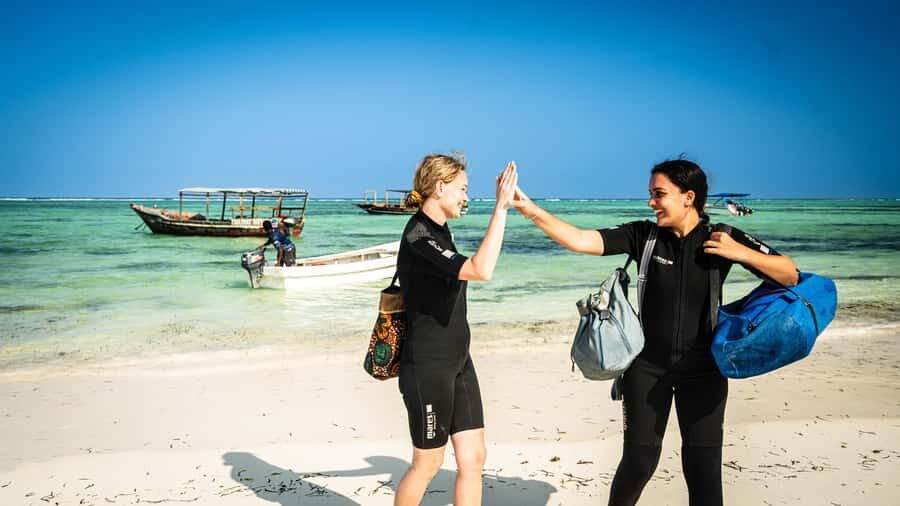
Day 1 is all about theory, and it matters more than people expect. Your learning materials are included, and the day runs 09:00–16:00, which gives you enough time to actually absorb the basics instead of getting rushed.
In a course like this, theory is the “why” behind everything you’ll do later. It’s where you learn the language of scuba safety, practice how to think through common problems, and understand how your equipment should behave. When you get to the pool, that background helps you stop second-guessing and start correcting mistakes quickly.
If you’re the type who worries you’ll freeze once you hit open water, Day 1 is your anti-panic medicine. You’ll know what’s coming next, and you’ll have a framework for it.
Day 2 pool session (09:00–12:00): skills you can repeat
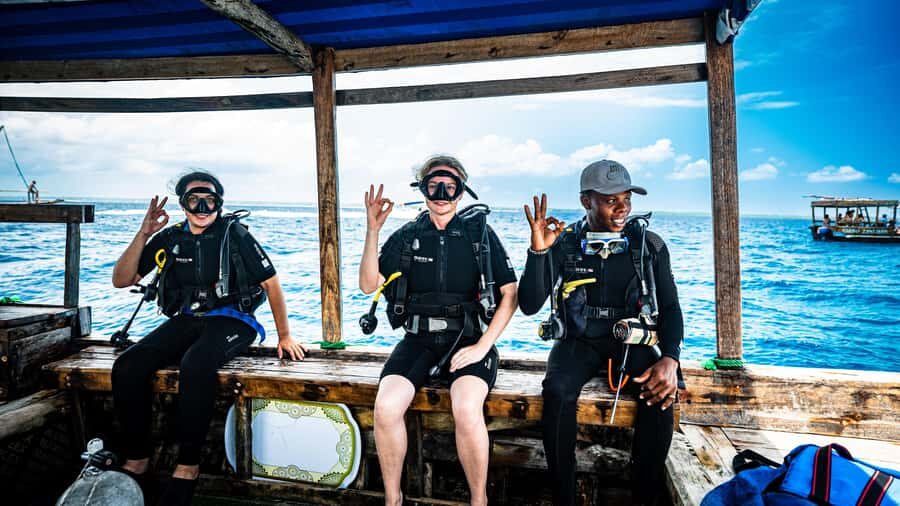
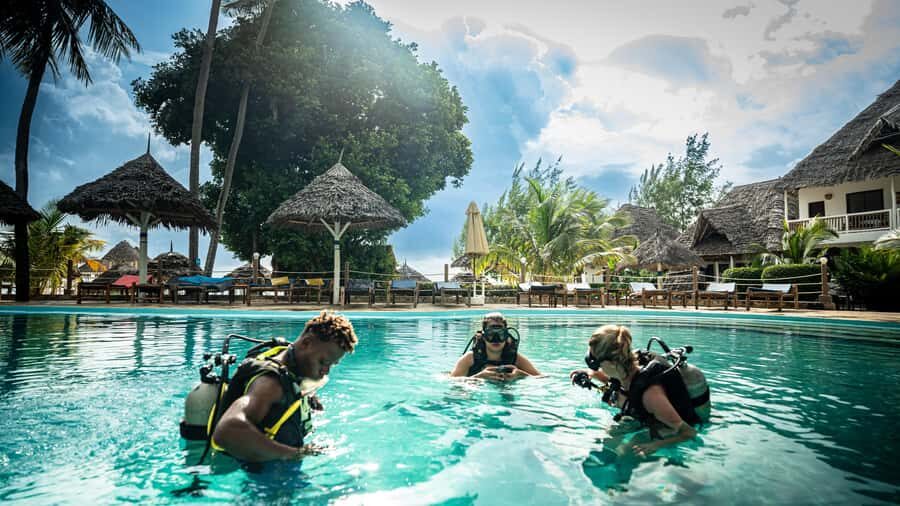
Day 2 is a pool session (09:00–12:00) to practice the theory you covered the day before. This is where the course earns its value. You get to repeat key skills in a controlled setting, and you can focus on how your body responds—breathing rhythm, buoyancy control, and staying calm while you work through tasks.
The pool setup is also where you learn how the instructor communicates. In the best cases, you’ll feel like the coaching is steady, not frantic. The style you want here is exactly what people associate with their instructors: calm explanations, clear steps, and a focus on teaching you how to do it, not just getting through it.
And if you learn best by doing, Day 2 gives you that. You’re not just watching—you’re practicing.
Day 3 on Zanzibar’s Indian Ocean: two locations and real-world practice
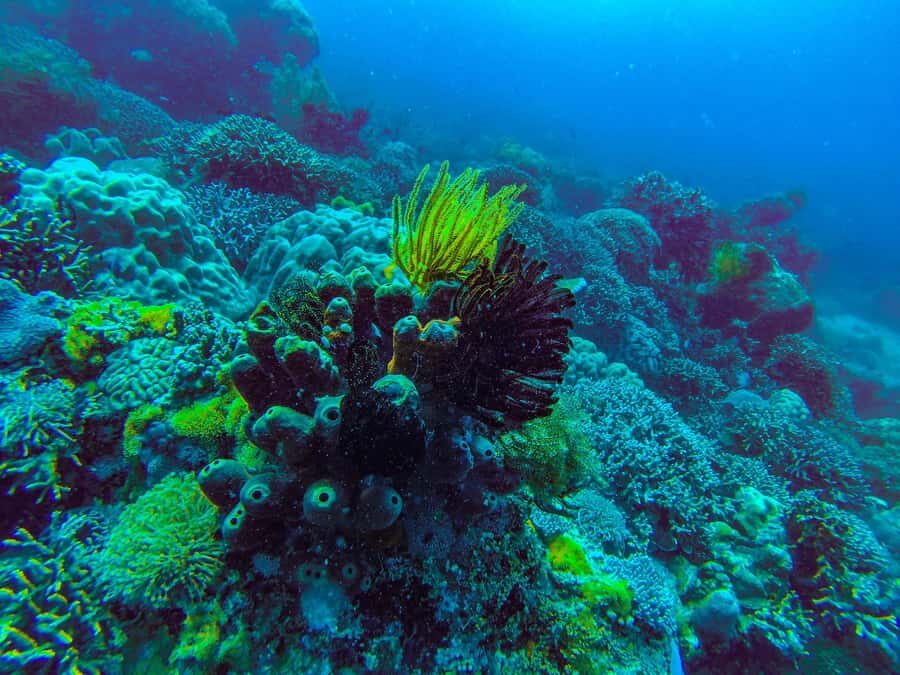
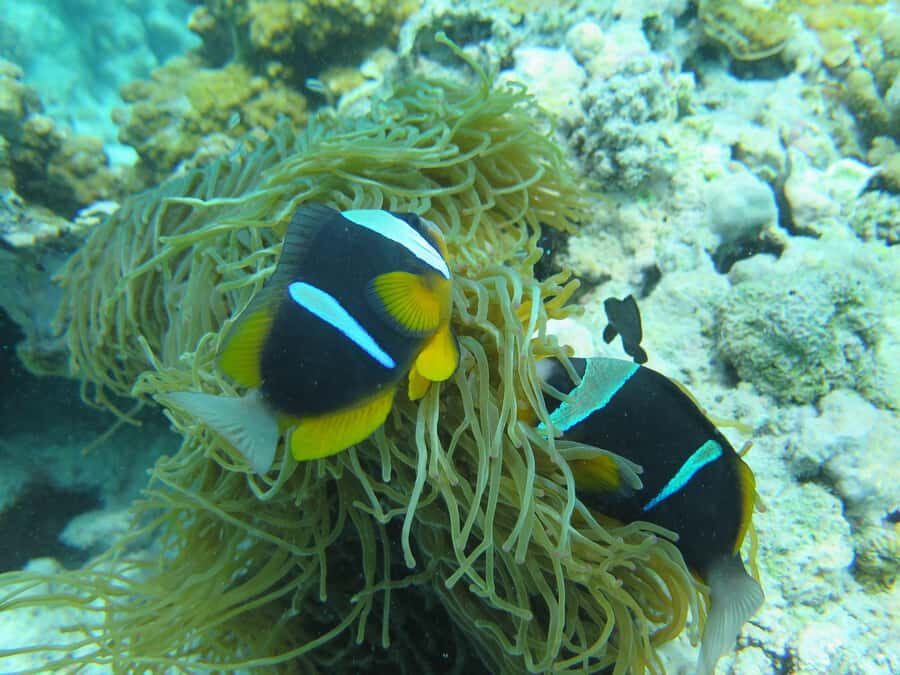
Day 3 is the payoff. You’ll go into the Indian Ocean for open-water practice, and you’ll do this at different locations. The course includes a total of 4 open-water sessions, and Day 3 is where the open-water experience happens—so you can expect multiple chances to apply your skills rather than one short taste.
Practically, that means you should plan to feel tired by the end of the day, because open water requires more brain power. Even when conditions are good, you’re coordinating breathing, buoyancy, and task steps at the same time. That’s why guided coaching matters.
You’ll also have lunch during the day—light food with fresh fruit—and drinking water is available on the boat. Small details like that matter more in training than they do on a casual day out, because your energy affects how well you can learn.
What the certificate really gives you: the 18-meter limit
Finish the course and you’ll get your certificate, which allows you to go to a maximum depth of 18 meters. That depth limit is a big deal because it turns “I tried it once” into “I can keep doing this with rules.”
For most people, the 18-meter limit is a sweet starting point:
- You can explore more variety than in the shallow end
- You get enough training depth to build comfort with controlled conditions
- You have a clear ceiling, which helps you plan future trips responsibly
If your goal is to keep diving/scuba going on a later Zanzibar trip—or use Zanzibar as your first certification base—this course is set up to get you to that next step.
A few more Zanzibar tours and experiences worth a look

Price and value: $450 that includes gear, boat time, and the course itself
At $450 per person, the value is strongest when you look at what’s included, not just what the number is.
Included:
- Equipment rental and scuba gear
- Learning materials
- A professional instructor
- Boat transportation (and a cruise)
- 4 open-water sessions
- Light lunch, fresh fruits, and drinking water
Not included:
- Transportation to the meeting point (optional booking is available)
- Underwater pictures
- 10 USD entrance fees
Here’s the practical way I’d think about it: you’re paying for a full training package—class time, pool practice time, instructor time, gear, and boat logistics. If you had to arrange all of that separately, the total usually climbs quickly. The added entrance fee is small, but it’s worth noting so you don’t get surprised at check-in.
Also, if you want a smooth start on day one, optional pickup can reduce stress. Less scrambling means you can focus on what you came to do.
Where you meet matters: the blue building and the optional hotel pickup
Your meeting point is straightforward if you arrive with a plan: look for the blue building with Eagle Ray Dive Center written on it.
If you’re using pickup, it’s also clear. The driver picks you up from your hotel reception. You should be ready 5 minutes before the departure time, and when you arrive, the driver confirms your name at the reception. You’ll recognize the car with the logo for Beach and Safari Holidays / Crab Tours.
Two practical tips:
- Build in extra minutes on Day 1 so you don’t feel rushed finding the center
- If you’re not using pickup, consider getting there early enough to check where the gear and paperwork happen before theory starts at 09:00
Instructor coaching and safety: why Faridu’s style gets noticed
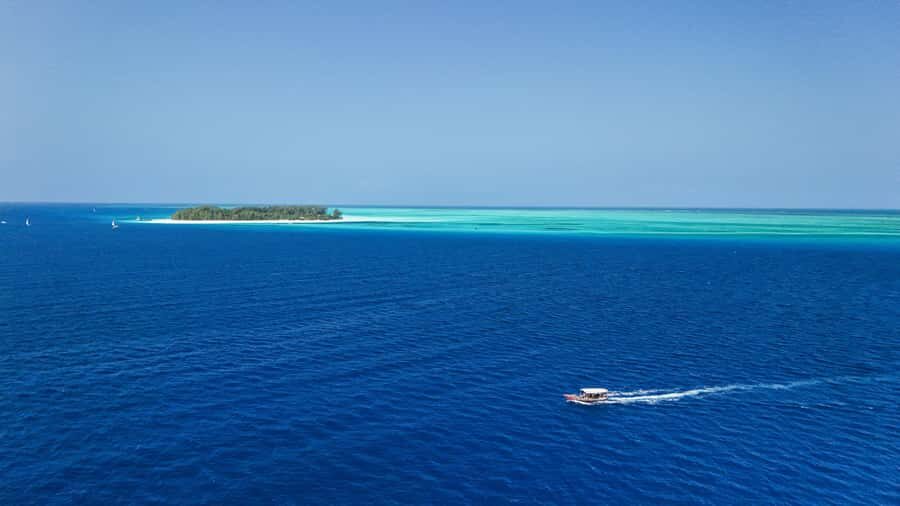
The course is run with a professional instructor, and the teaching approach shows up in how students complete the requirements.
One detail that stands out: when conditions were too strong to complete all exercises during a session, the team provided an additional session so the student could finish properly. That tells you they’re not just pushing schedules—they’re trying to make the training work for real conditions.
Another key point from participant experiences is that the instruction style tends to be calm and instruction-focused. That matters because new scuba skills require clear communication. If an instructor is steady, you learn faster and you feel safer, especially when you’re still getting used to buoyancy and timing.
Safety note for planning: the course isn’t suitable for pregnant women or people with heart problems. If either applies, you should check with your doctor before booking any scuba training at all.
The 2-day Advanced Open Water option (to 30 meters) if you want more depth
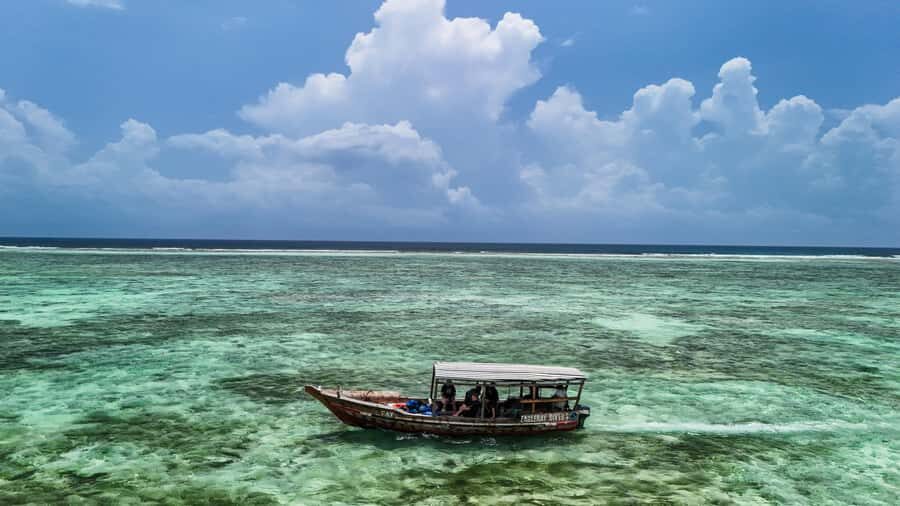
If you’re already certified or you want a more ambitious jump, there’s an alternative: a 2-day PADI Advanced Open Water course.
What it includes:
- 5 open-water sessions over 2 days
- Lunch included, and drinking water available on the boat
- Time at a depth of 100 feet
- After this course, you can go to a 30-meter limit
The schedule is split like this:
- Day 1: 3 sessions
- Day 2: 2 sessions
This option is worth considering if you already have certification and want to add depth quickly. The tradeoff is that it’s not a beginners’ path—it’s building on skills you already bring.
Who should book the 3-day course in Zanzibar?
This PADI Open Water course is a great fit if you:
- Want a structured start with classroom theory, pool practice, and guided open-water practice
- Prefer a course that includes your gear, boat logistics, and training materials
- Want your first scuba certificate with an 18-meter limit
It’s also a practical choice if you’re traveling in a group and want a single provider to manage the full learning flow, from theory to boat trips and certification.
But keep your expectations aligned: this is training. You’ll be learning how to control yourself and follow steps, not chasing a souvenir sightseeing “fun ride.” If that’s what you want, you’ll probably enjoy the pace.
Should you book this 3-day PADI Open Water in Zanzibar?
I’d book it if you want the simplest path to a legitimate certification, with gear rental, boat transport, and meals included, and a schedule that’s easy to plan around. The combination of theory + pool practice + open-water sessions is exactly what makes new skills stick.
I’d pause if you’re the type who gets flustered by small logistics details. The center can be a little difficult to find at first, so give yourself time to locate the blue building. And if you have any medical considerations—especially heart-related issues—don’t assume scuba training is fine without clearance.
If you’re ready to put in the learning time and you want Zanzibar’s underwater world as your classroom, this course is a strong way to do it.
FAQ
How long is the 3-day PADI Open Water course in Zanzibar?
The course is typically 2 to 3 days, with the schedule described as Day 1 theory from 09:00 to 16:00, Day 2 pool session from 09:00 to 12:00, and Day 3 open-water sessions at different locations.
What is included in the $450 per person price?
It includes equipment rental and scuba gear, learning materials, a professional instructor, boat transportation, a cruise, a light lunch and fresh fruit, drinking water, and a certificate process. It also includes 4 open-water sessions.
What happens on Day 1?
Day 1 is theory and starts at 09:00 and finishes at 16:00.
What happens on Day 2?
Day 2 is a pool session where you practice what you learned on Day 1. It runs from 09:00 to 12:00.
What will I do on Day 3?
On Day 3 you do open-water sessions in the Indian Ocean, with practice at different locations. After completing the course, you earn a certificate.
What is the maximum depth after the course?
After completing the course, the certificate allows you to dive to a maximum depth of 18 meters.
Are entrance fees or transportation included?
Entrance fees are not included. There is a 10 USD entrance fee, and transportation is not included (though you can book it if you want).