REVIEW · ZANZIBAR CITY
Zanzibar: Spice Tour & Stone Town Walking Tour
Book on GetYourGuide →Operated by ALSA TOURS · Bookable on GetYourGuide
Spices and slavery history in one day. This private Zanzibar tour pairs a sensory spice plantation walk with a focused Stone Town history walk, so you get both the island’s flavors and its darker past. I love how hands-on the spice stop is, with you touching, smelling, and tasting common crops like cinnamon and vanilla instead of just looking at them. The other big win is the Stone Town pacing: you cover major landmarks and key slave-trade sites without feeling rushed.
One thing to keep in mind: you’ll be walking in hot, crowded conditions and ending in the Darajani Fish Market area can feel intense. Also, the spice stop includes tasting, so if you’re sensitive to strong flavors or unfamiliar fruits, go slowly.
In This Review
- Key things I’d plan around
- Spice Plantation First: Smell, Taste, and the Coconut-Tree Show
- Why This Plantation Stop Is Worth It (Even If You Think You Know Spices)
- Human Butterfly, Palm Leaves, and a Different Pace
- Stone Town Walking Tour: Old Streets, Big Stories
- Don’t Underestimate Darajani Fish Market
- Landmarks You’ll Likely Want to Spot on Your Own
- Guides Matter: Friendly, Personal, and Sometimes Funny
- What the 5-Hour Format Means for Your Day
- Price and Value: What $95 Buys You Here
- Small Challenges to Plan Around
- Who Should Book This Tour
- Quick Tips Before You Go
- Should You Book the Zanzibar Spice Tour & Stone Town Walk?
- FAQ
- How long is the Zanzibar Spice Tour & Stone Town Walking Tour?
- Is this tour private?
- What’s included in the price?
- Are meals included?
- What spices and plants will we see at the spice plantation?
- What will we see in Stone Town?
- How do free cancellation and pay-later work?
Key things I’d plan around
- Private, hotel pickup and drop-off keeps the day smooth and low-stress
- Spice plantation entry means you get the full guided sensory experience
- Slave-trade history sites are part of the Stone Town walk (not just casual sightseeing)
- Darajani Fish Market is a real market stop, so expect smells, noise, and crowds
- Multiple guides are available across languages; names you might see include Ali and Mu
Spice Plantation First: Smell, Taste, and the Coconut-Tree Show
The day starts with a pick-up at your hotel in Zanzibar. Your guide/driver meets you in the lobby with your name on a paper, which sounds small, but it’s a real help when you’re trying to get moving without any confusion.
Then you head out toward the spice plantation area. This part is popular because it’s not set up like a museum talk. It’s set up like a working farm lesson: you’re encouraged to use your senses. You’ll get the chance to see plants growing and then learn what they’re used for, how they’re grown on Zanzibar, and how climate and care affect flavor.
What you can expect to encounter includes a mix of everyday spices and fragrant herbs:
- cinnamon
- cardamom
- black pepper
- ginger
- turmeric
- nutmeg
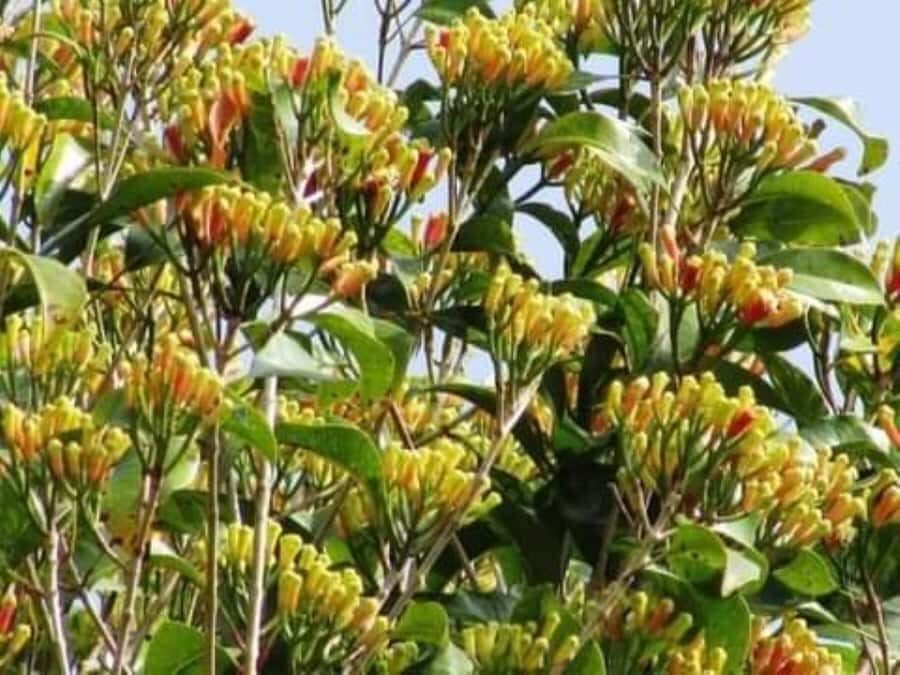
- cloves
- lemongrass
- ginger, vanilla stick
- lemon mint and other tropical greens
- and yes, chili (chill) is part of the mix
You’ll also have a chance to taste some of the spice-and-fruit offerings. In practice, that means you should treat the tasting like a sampler: take small amounts early, especially if you’re not used to strong, warming spices or tart fruits.
One of the most memorable moments is the human butterfly performance. This is a performer who climbs up a coconut tree and sings the Hakuna Matata song. It’s not just a show. The point of it is to make the farm feel alive—part agriculture lesson, part Zanzibar storytelling.
If you enjoy small, authentic touches, look out for another detail some guides build in: weaving palm leaf crowns. It’s quick, lightweight, and it gives you a souvenir that feels tied to what you actually did that day.
You can also read our reviews of more walking tours in Zanzibar City


Why This Plantation Stop Is Worth It (Even If You Think You Know Spices)
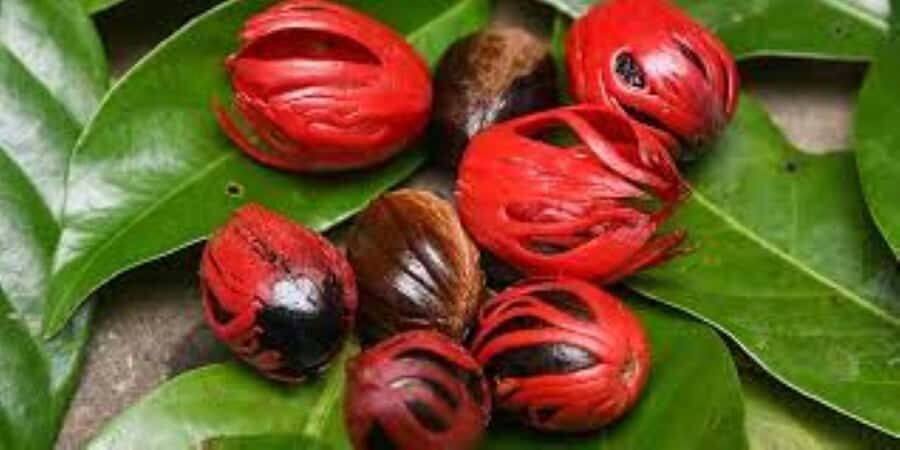
Many spice tours turn into a shopping stop. This one is structured so the farm learning comes first: you walk around the plantation and get explanations about what’s growing and why.
That matters because Zanzibar’s spices aren’t just “flavor.” They’re part of the island’s economy and cultural identity. When your guide points out how spices grow and what conditions they need, you start to understand why Zanzibar became such a trade target in the broader Indian Ocean world.
Also, the sensory approach helps you remember things. If you only hear spice names, it’s easy to forget. But when you’ve smelled crushed cardamom pods, tasted a small piece of something warm like ginger, and watched plants actually growing, the facts stick.
Just be ready for one travel reality: spice places can come with sales energy. You’re on a plantation experience that includes entry and guide time, but the area may also include selling. If you want to buy gifts, I’d go in with a plan:
- ask about pricing before you commit
- consider sticking to a short list (you’ll thank yourself later)
- and don’t feel pressured if you’d rather just enjoy the lesson
Human Butterfly, Palm Leaves, and a Different Pace
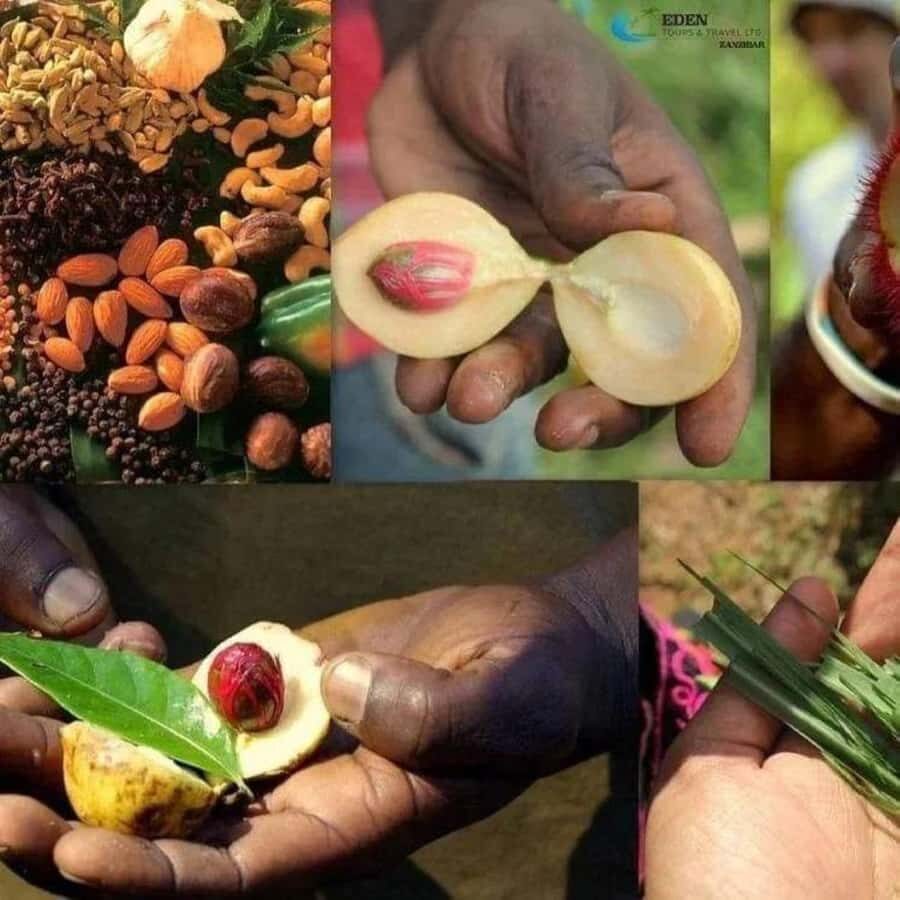
The coconut-tree moment and palm-leaf crown weaving are what make this tour feel lighter. After the farm lesson, you get something that reads as performance, but it’s also a local-style cultural pause.
If you’re photographing, you’ll want to move with care. Tree climbing shows can make for great pictures, but don’t get so fixated that you miss what your guide is explaining about the plants below.
This is also where the private-group format helps. In a shared tour, you can get pulled along by the group pace. In this one, your guide can usually slow down for questions—like what you’re tasting, or how specific spices get used in Zanzibar cooking and daily life.
Stone Town Walking Tour: Old Streets, Big Stories
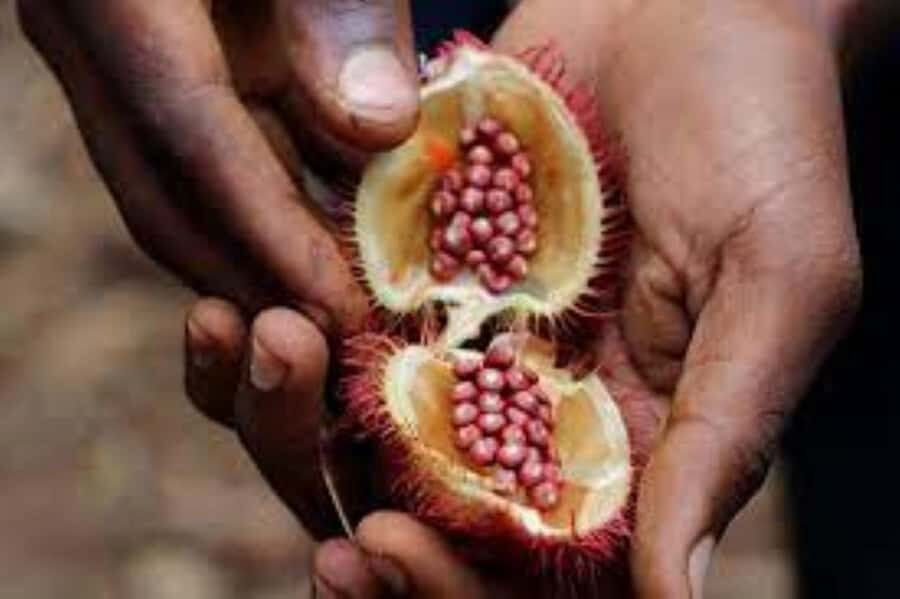
After the spice plantation, you shift gears into Stone Town. This part is built around history and key sites, not a random wandering spree.
Your Stone Town walk includes major landmarks and stop points tied to the island’s past. You’ll learn how Zanzibar became central to the slave trade in the 17th and 18th centuries. The tour also includes visits that connect the slave trade era with places you may recognize today.
Among the highlights you can expect during the walk:
- the old slave market site
- the Darajani Fish Market
- Freddie Mercury’s house area
- the House of Wonders
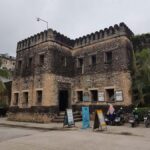
- the old fort
- and a Christian church stop where the connection to the former slave market is explained
That church stop is especially important because it frames the story in a way that doesn’t stay frozen in the past. You’re seeing how old systems leave marks on buildings, neighborhoods, and local memory.
If you like when history stays specific, you’ll appreciate the way the guide guides your attention from one location to the next. The story feels more grounded when you’re standing where events happened rather than just hearing a general timeline.
Don’t Underestimate Darajani Fish Market
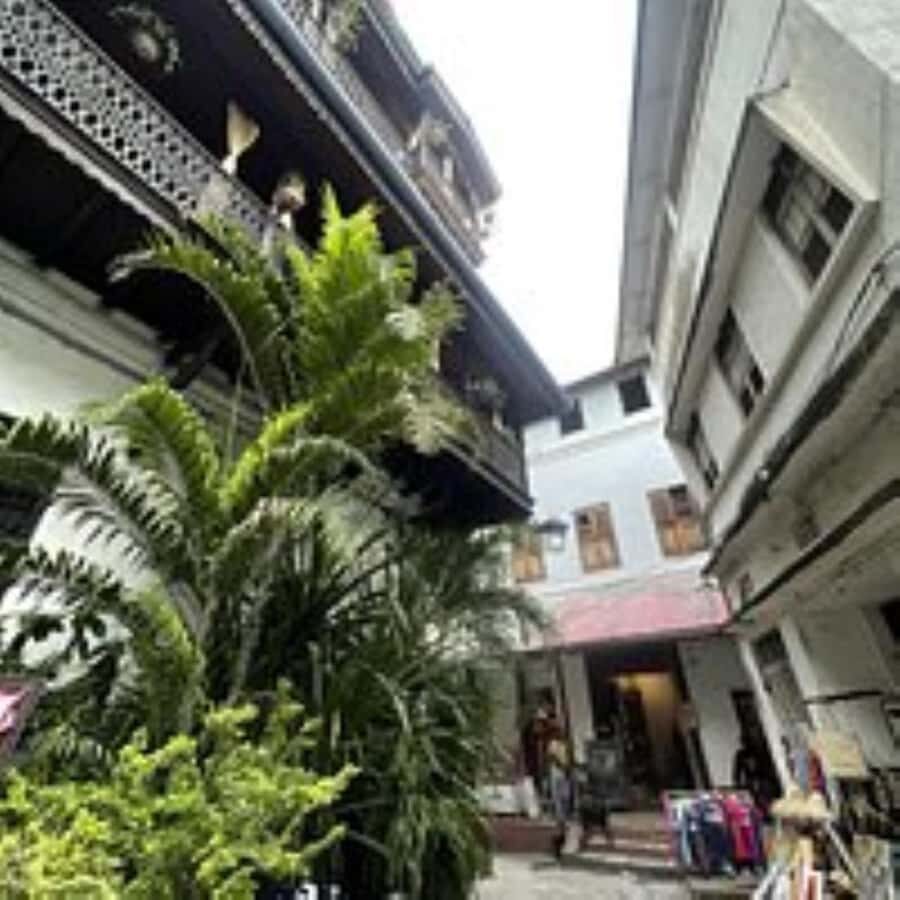
The walk ends with the market area, and it can be a sensory overload—in the best way, if you’re prepared.
Darajani Fish Market is intense and “real.” Expect strong smells, plenty of action, lots of voices, and a scene that doesn’t slow down for tourists. I’d wear shoes you can stand in and plan for a bit of time to simply observe.
This is a stop that helps you see Stone Town beyond the postcard version. You’ll get a stronger sense of day-to-day life: what people buy, how sellers work, and how busy trade keeps the city moving.
If you’re sensitive to heat, noise, or crowds, tell your guide during the walk. A good guide will adjust the pace so you can still take it in without feeling miserable.


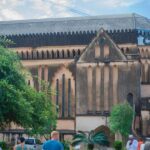

Landmarks You’ll Likely Want to Spot on Your Own
Even if you don’t know Stone Town’s layout yet, the big stops help you orient fast. You’ll see the House of Wonders, and you’ll pass through the old fort area that anchors the city’s historic center.
Then there’s the Freddie Mercury connection. You don’t need to be a super-fan to enjoy it—it works as a moment that ties global pop culture to a local setting. It can also be a useful pause point: once you’ve heard heavy history, a lighter landmark helps you reset before the market portion.
Guides Matter: Friendly, Personal, and Sometimes Funny
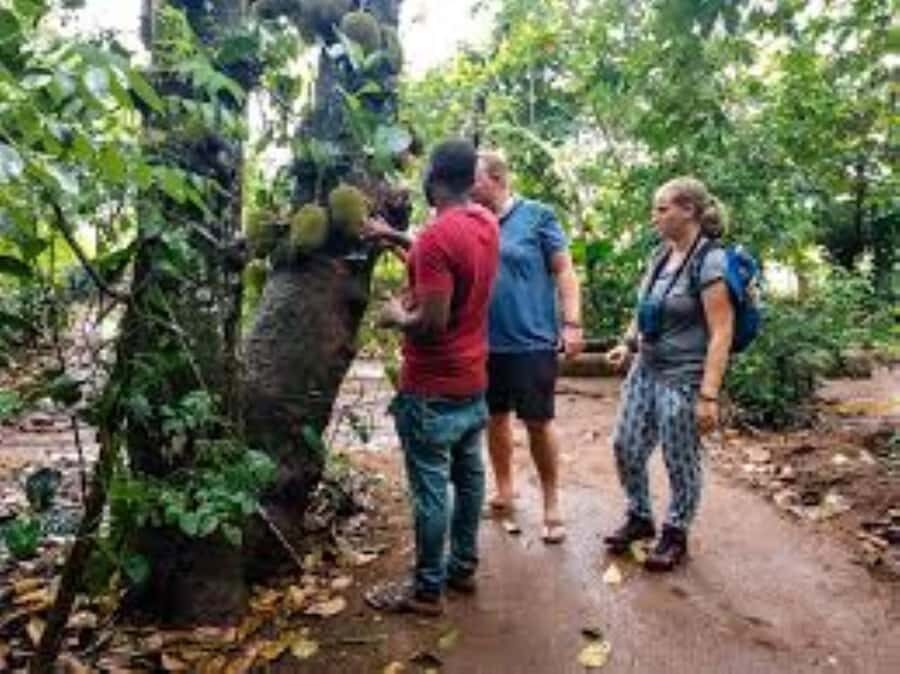
A private tour lives or dies by the guide. On this experience, many guides have a reputation for being personable and clearly invested in explaining what you’re seeing.
Some names you may run into include Ali, Mu, Mo, Sahim, Abdul, and Sirio—people who combine the practical farm explanations with strong Stone Town storytelling. If you’re lucky enough to get a guide like Mu or Ali, you may find the day includes extra context about daily life on Zanzibar, not just the headline history.
One of the best signs is how interactive the farm part feels. If your guide encourages you to touch, smell, and taste, and answers questions without rushing, you’re in good hands.
What the 5-Hour Format Means for Your Day
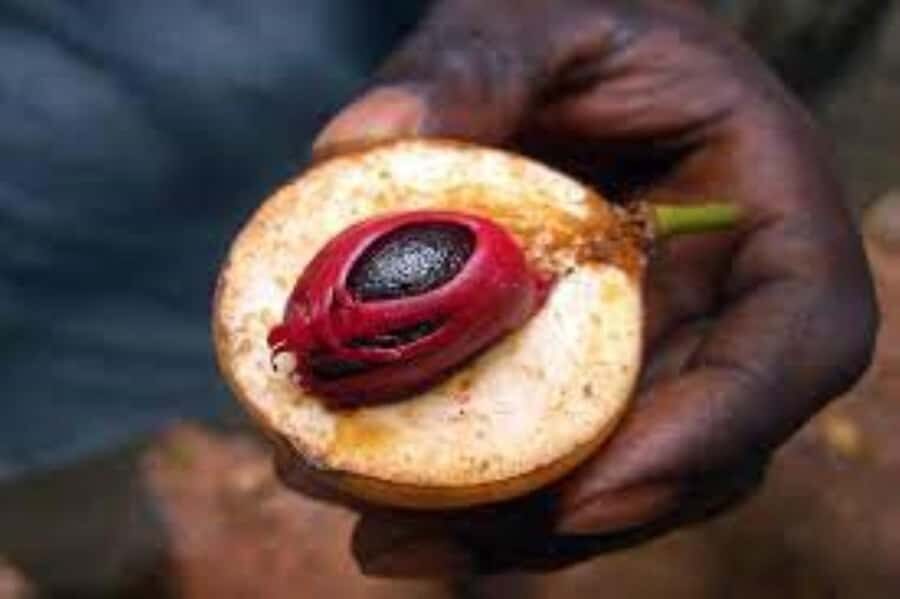
Five hours is a solid length for this combo because it stays focused. You get:
- a guided spice farm portion with sensory learning
- a guided Stone Town walk with the key historical stops
- and still enough time to take quick breaks or shop briefly if your guide offers that flexibility
Because you’ll be on your feet through both settings, I’d treat this as your main activity block. If you’re trying to stack it with a late-night dinner plan, build in buffer time so you don’t rush back into town.
Price and Value: What $95 Buys You Here
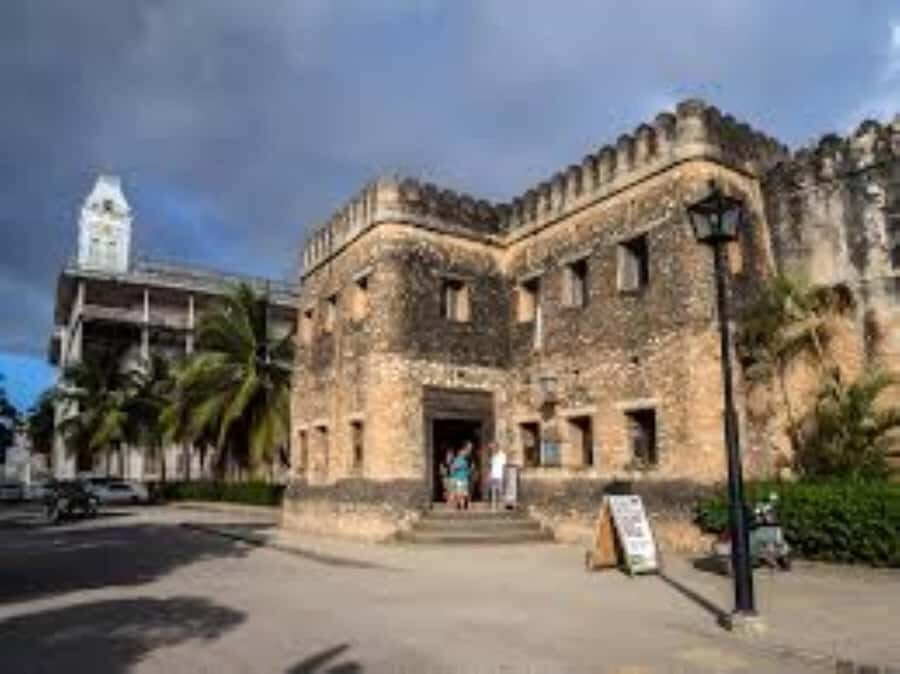
At $95 per person for a 5-hour private experience, the value comes from the structure.
You’re paying for:
- hotel pickup and drop-off
- a private guide
- entrance to the spice plantation
- entrance at the slave market site
- and a guided Stone Town route that hits multiple major landmarks
Food is not included, so you’ll want to plan for that separately. I’d either eat before you go, or budget for a simple stop after—especially because the market ending can make it hard to think about a meal on the spot.
If you compare this to doing Stone Town alone plus a separate farm visit, the guided timing is the payoff. You aren’t just paying for transportation—you’re paying for someone to connect the facts across both parts of Zanzibar.
Small Challenges to Plan Around
This tour is strong, but a few real-world friction points can come up:
1) Fruit and spice tasting
If you’re easily upset by unfamiliar foods, go small with tastings. Strong flavors can be fun, but you don’t need to force it.
2) Sales pressure at the spice stop
Some spice areas lean hard on purchasing. If that’s your least favorite travel style, set boundaries early. Ask pricing and decide what you want before the pitch gets going.
3) Walking pace
Stone Town walking plus market time means uneven sidewalks and crowded spaces. If you have a hard time with long walking, mention it to your guide at the start so they can slow down.
4) Time priorities
If you care most about specific parts of the slave-trade story, don’t assume you’ll automatically get every detail. Ask your guide early what the day will cover and request extra time if needed.
Who Should Book This Tour
This is a great fit if you:
- want a short, structured way to see both Stone Town and the spice growing story
- like tours where you’re not just watching—you’re using your senses
- want a guided explanation of the slave trade history tied to real locations
- enjoy market scenes and don’t mind the noise and smell
It may not be ideal if you:
- want a quiet, low-stimulation day
- prefer a food-included tour
- hate walking in heat or crowded streets
- would rather skip tasting experiences
Quick Tips Before You Go
- Bring water and plan to sip regularly, especially before the market portion.
- Wear shoes with solid grip for Stone Town streets.
- If you want to shop spices, decide your budget ahead of time and ask prices early.
- If you have any stomach sensitivity, tell your guide so you can adjust tasting portions.
Should You Book the Zanzibar Spice Tour & Stone Town Walk?
I’d book it if you want one day that makes Zanzibar feel real: spices you can smell and taste, then Stone Town with context you can’t get from a casual stroll. The private format and the mix of sensory farm time plus historical walking make it a smart way to spend 5 hours.
I’d skip or rethink it if markets and tastings stress you out, or if you only want light sightseeing. But if you’re curious, steady on your feet, and willing to take in both the pleasant and the heavy parts of Zanzibar’s story, this tour hits the right balance.
FAQ
How long is the Zanzibar Spice Tour & Stone Town Walking Tour?
The total duration is 5 hours.
Is this tour private?
Yes. It’s listed as a private group experience.
What’s included in the price?
The included items are hotel pickup and drop-off, entrance to the spice plantation, entrance at the slave market site, and a tour guide.
Are meals included?
No. Food is not included.
What spices and plants will we see at the spice plantation?
You’ll have the chance to see, smell, and taste spices and fruits including cinnamon, cardamom, black pepper, chili, ginger, vanilla stick, lemongrass, lemon mint, turmeric, nutmeg, and cloves.
What will we see in Stone Town?
You’ll visit or pass key spots such as the old slave market site, the Christian church connected in the tour’s story to the slave market, Darajani Fish Market, Freddie Mercury’s house, the House of Wonders, and the old fort.
How do free cancellation and pay-later work?
You can cancel up to 24 hours in advance for a full refund. You can also reserve now & pay later (book your spot and pay nothing today).