REVIEW · ARUSHA
6 Days in the Wild – A Budget Safari Across Tanzania’s Icons
Book on Viator →Operated by VISION SAFARI & TOURS · Bookable on Viator
A budget safari can still feel huge. This 6-day Tanzania trip strings together the big-name wildlife stops with real culture time, then ends in hot springs and waterfall country, all with an English guide and private transport. I like the chance to chase Big Five sightings while also spending time in Maasai and Chagga communities, and I like that the plan builds long drives into parks so your odds aren’t limited to one quick outing. One thing to factor in: camping-style nights can mean less comfort than a lodge-based itinerary, so pack for basic realities.
Two standout wins for me are the full-on Serengeti days (including sunrise starts and extended game drives) and the cooling break at Chemka Hot Springs, which gives your body a reset after long days on safari. I also think the guide support matters here, and the feedback includes real names like Simba and Shebbie, plus a chef named Salim and driver Amiri—clear signs the operation runs with a team, not just a car and a map.
The main drawback is simple: this is a busy route. You’re stacking multiple parks, plus a crater day, plus a village waterfall day, so you’ll want to stay flexible and avoid expecting downtime every afternoon—this trip is built for movement and sightings, not for lingering.
In This Review
- Key highlights worth knowing before you go
- Budget Safari Across Tanzania’s Icons: What This Trip Is Actually Like
- Price and Logistics: The Value Math Behind $1,300
- Day 1 in Tarangire: Elephant Herds and River-Driven Wildlife
- Day 2 and the Serengeti Approach: Game Drives and Migration Country
- Day 3 Full Serengeti Day: Big Five Search Plus the Small Stuff
- Day 4 Ngorongoro Crater: Maasai Boma First, Then the Crater Theatre
- Day 5 Lake Manyara: Tree-Climbing Lions and Big Bird Energy
- Day 6 Chemka Hot Springs and Materuni Waterfalls: The Reset Button
- Camping Reality Check: Comfort, Safety, and How to Pack
- The Guide Difference: Why Names Matter on Safari
- Who This Safari Fits Best (and Who Might Want a Different Style)
- Should You Book This 6-Day Tanzania Budget Safari?
- FAQ
- What time does the tour start?
- How much does the safari cost per person?
- Is pickup included?
- How many people are in the group?
- What meals are included?
- What parks and activities are included?
- Are park fees or attraction tickets included?
Key highlights worth knowing before you go
- Small group size (max 7) keeps the experience personal and helps you hear the guide during game drives
- Early starts in the Serengeti mean better chances for active wildlife and calmer viewing
- Real village time at a Maasai boma plus walking time at Materuni waterfalls, not just photo stops
- Big park variety: Tarangire elephants, Serengeti migration country, Ngorongoro crater wildlife, Lake Manyara tree-climbing lions
- A hot-spring finish at Chemka and a Chagga meal at Materuni, so the safari isn’t all animals, all day
Budget Safari Across Tanzania’s Icons: What This Trip Is Actually Like
This is the kind of itinerary I recommend when you want Tanzania’s best-known sights without paying “luxury lodge only” prices. At $1,300 per person for about 6 days, you’re paying for more than vehicle time—you’re paying for access, guiding, and the fact that the route covers several of Tanzania’s headline ecosystems in one go.
The tour is built around private transportation, an English guide, and meals listed across the days (breakfast 5 times, lunch 6 times, dinner 5 times). It also includes “all fees and taxes” in the package, and the day-by-day plan marks some park admissions as free while other specific experiences are marked ticket included. Practically, that means you’re less likely to get stuck with surprise costs once you’re in-country (though you’ll still need to budget for tips, which are not included).
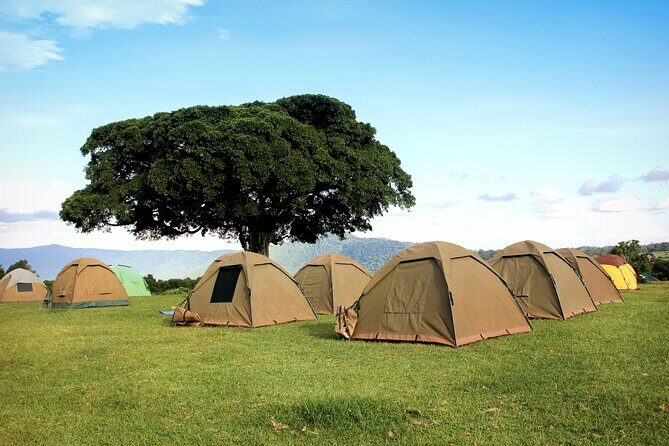
The other big “feel” factor is the style. The trip calls itself a budget camping safari, and the schedule includes a campsite night in Serengeti and another overnight at Fig tree lodge. That matters because you’ll get closer to the rhythm of safari life—wake up, go out, look for wildlife, then relax and refuel—rather than constant check-ins at higher-end properties.
A few more Arusha tours and experiences worth a look
Price and Logistics: The Value Math Behind $1,300
Let’s talk value without pretending money isn’t money. A six-day circuit that covers Tarangire + Serengeti + Ngorongoro Crater + Lake Manyara + Chemka + Materuni is not a “one park, one lodge, one vibe” trip. It’s expensive in the real world because it requires long drives, park fees, and guiding across multiple ecosystems.
At $1,300, you’re essentially paying for:
- guided time in multiple national parks and protected areas
- private transport (not shared shuttles)
- meals throughout most of the trip
- English interpretation and planning that keeps the days from falling apart
What you’re not paying for is also clear: tips, international flights, and personal items. If you’re the type who likes to handle tips at the end (fair), this is manageable. If you tend to spend freely on add-ons—camera gear, extra drinks, souvenirs—your final trip cost may rise quickly. Plan your money early so the budget label stays real.
Also, the trip is scheduled with a start time of 6:00 am and a meeting point at Meru House Inn in Arusha. Those details matter because early starts shape how much wildlife time you actually get.
Day 1 in Tarangire: Elephant Herds and River-Driven Wildlife
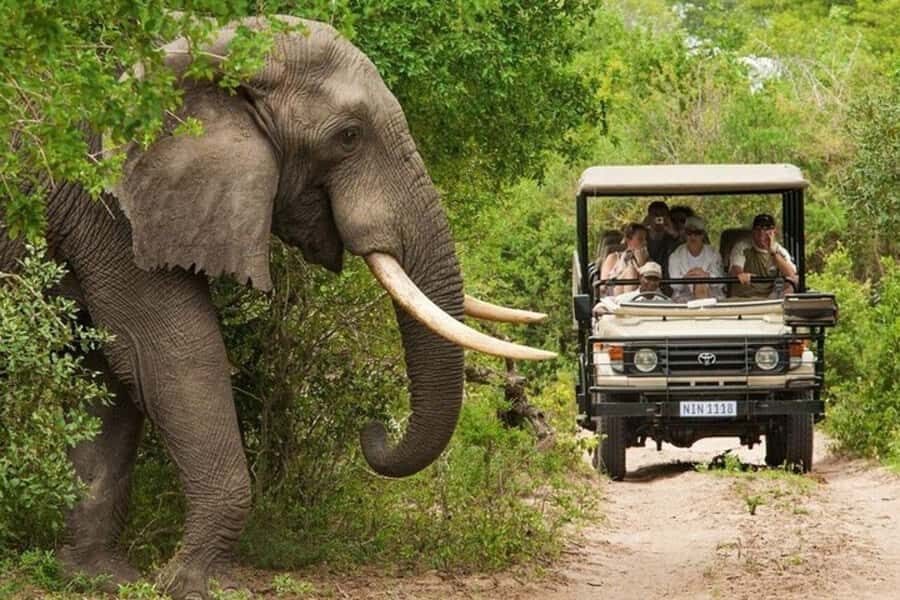
Your first big day begins with pickup from your hotel and a drive toward Tarangire National Park (about 2 hours from Arusha). Tarangire is especially known for elephant herds, and the plan leans into that. You’ll spend the day with an open-vehicle style safari feel—looking across savanna, seasonal swamps, and the Tarangire River area, searching for elephants plus zebra, wildebeest, buffalo, and giraffe.
Two practical reasons this stop is smart for a budget safari:
- It’s a high-probability wildlife park. Even if you miss one species, you usually get plenty of action and excellent scenery to keep you interested.
- Elephants often give you more “time on target.” With larger animals, you don’t always need instant luck—sometimes you just need patience.
A watch-out: if you’re hoping for constant predator drama on Day 1, Tarangire may not deliver that every time. This park is more about big mammals and river life than sudden kills. But elephants and mixed herds can still be the highlight for many people.
You end the day at Fig tree lodge for dinner and overnight—perfect for resetting before the longer Serengeti push.
Day 2 and the Serengeti Approach: Game Drives and Migration Country
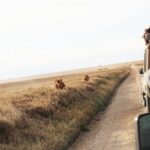
After breakfast, you head into Serengeti National Park. Here the plan includes game drives with picnic lunches, and you’ll return for dinner and overnight at Seronera Campsite.
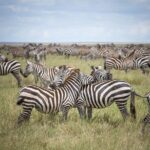
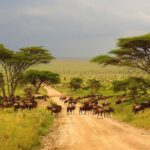
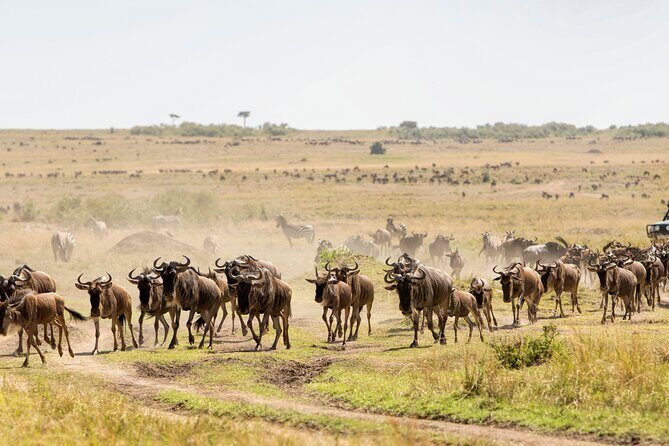
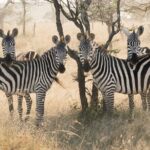
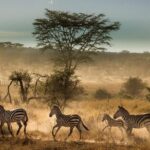
Serengeti is where the itinerary earns its legend. The trip is explicitly oriented around the Great Migration and the classic Serengeti drama: wildebeest in huge movements, predators tracking prey, and long columns crossing dramatic terrain. Even if you’re not there in peak migration timing, you’re still in the heart of grassland systems where wildlife patterns matter.
Here’s what you should expect from a day like this:
- You’ll likely spend more time “out there” than you would on a shorter safari.
- Your guide’s scanning skills matter a lot. Serengeti rewards eyes-on-the-road and patient watching.
Why this day feels different (and why it’s praised): the schedule isn’t just one casual loop. It’s built as a proper safari day, and that structure is where you get real chances at iconic sightings.
Day 3 Full Serengeti Day: Big Five Search Plus the Small Stuff
This is one of the most important days in the whole trip, and it’s also one of the easiest to get wrong if you’re the kind of person who likes to rush. The plan starts with sunrise and runs as a whole day game drive, with lunch served at camp and an afternoon drive after.
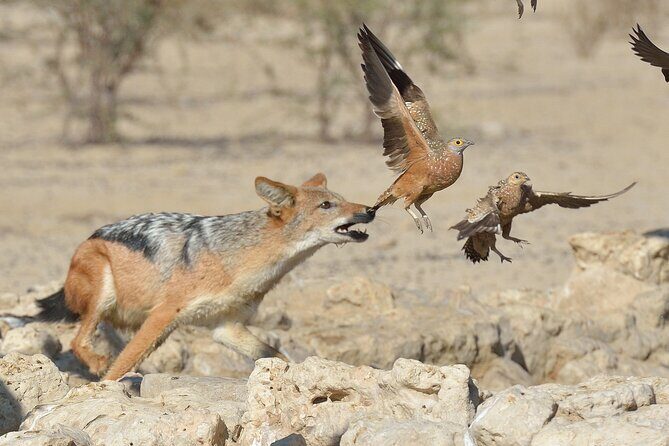
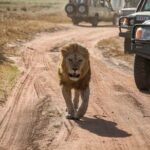
Yes, the goal is the Big Five, but the more thoughtful part is the reminder that Serengeti is not only about big mammals. The plan highlights smaller wildlife moments—things like rock hyraxes, agamas, and even the idea that dung beetles and birdlife make the ecosystem feel alive, not just huge. It’s a good mindset for you to carry: if the day starts slowly, don’t mentally quit. Serengeti rewards staying present.
A second reason Day 3 works: predators and prey patterns can change quickly. If you’re only out for a short drive, you miss the “switch” periods. With a full day, you’re more likely to catch one of those moments—whether that’s a chase, a kill, or predators simply repositioning for their next move.
If you care about photography, bring patience. If you care about learning, bring curiosity. This day is built for both.
A few more Arusha tours and experiences worth a look
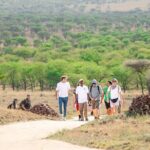

Day 4 Ngorongoro Crater: Maasai Boma First, Then the Crater Theatre
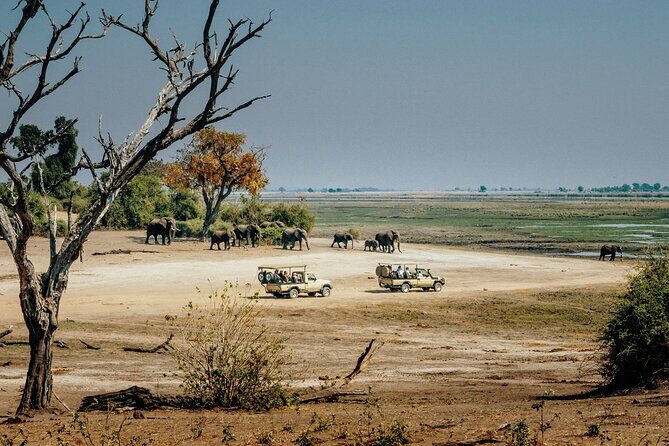
Day 4 is a split experience: culture in the morning, crater wildlife afterward, then you return to Arusha for dinner and overnight at your hotel.
First, you visit a local Maasai boma. This isn’t framed as a quick look-you-and-leave thing. The plan includes learning about Maasai culture and participating in local activities like singing and dancing, herding cattle and goats, milling cattle and goats, and creating fires using dung and acacia trees. You’ll also have time for photos and for purchasing authentic Maasai handcrafts. Lunch is served at a place your guide chooses.
This part is valuable for you if you want context. When you later look at crater wildlife, it helps to understand the human stories and land-use rhythms that run alongside the animals. It also gives your day a “breathing space” from pure wildlife scanning.
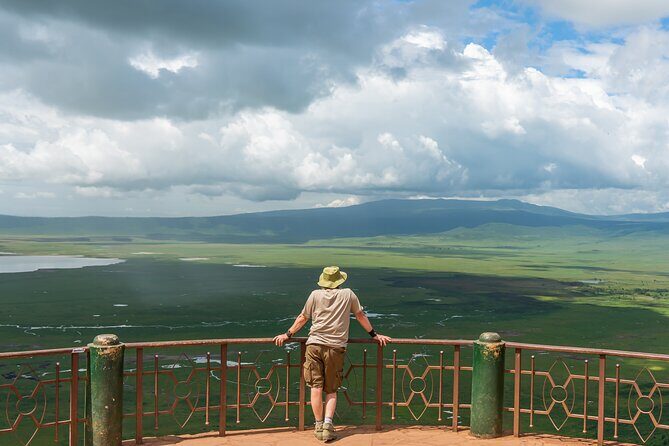
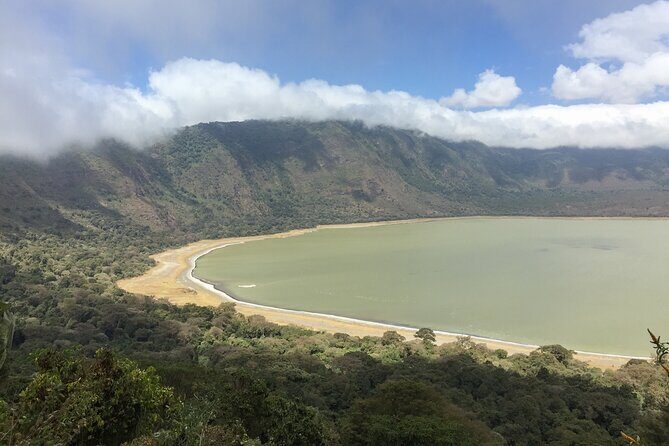
Then comes the headline: Ngorongoro Crater. The itinerary describes it as the biggest preserved volcanic caldera in the world and a UNESCO World Heritage site. In practice, the crater works like a natural amphitheater. Wildlife concentrates in predictable areas, and that makes it one of the most efficient places in Tanzania for classic safari sightings—especially when you’re searching for Big Five.
One consideration: crater days can feel intense. You’ll descend to the crater floor and spend hours watching animals in close proximity. If you hate sun exposure or long viewing stretches, plan to protect yourself (hat, sunscreen, water). The reward is that this is one of the most “stacked” wildlife settings you can visit in Tanzania.
Day 5 Lake Manyara: Tree-Climbing Lions and Big Bird Energy
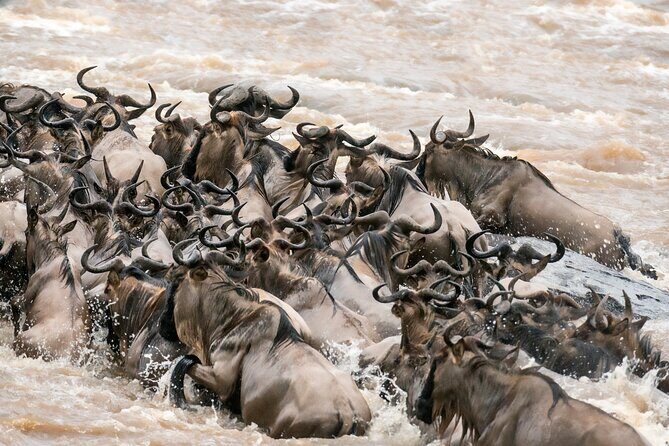
You move to Lake Manyara National Park (about a 30-minute drive from Arusha). Lake Manyara is described as a photographer’s playground, and the wildlife focus is specific: it’s known for tree-climbing lions. The plan expects you’ll have a chance to spot lions in acacia trees, plus elephants, giraffes, and zebras.
Birdwatchers get a real day here too. Lake Manyara is known for lots of bird life, including large flamingo flocks, birds of prey, and colorful species like the lilac-breasted roller. Even if you’re not a bird nerd, it’s the kind of park where birds keep the scenery interesting between animal sightings.
The itinerary includes lunch in the park at 1300 hours, and you return to Arusha in the afternoon.
Why this day makes sense in a “budget safari” format: Lake Manyara offers variety without requiring the same extreme time on the road that some other circuits do. It also gives you a different vibe than Serengeti—more lake edges, more bird life, and a chance for different animal behavior.
Day 6 Chemka Hot Springs and Materuni Waterfalls: The Reset Button
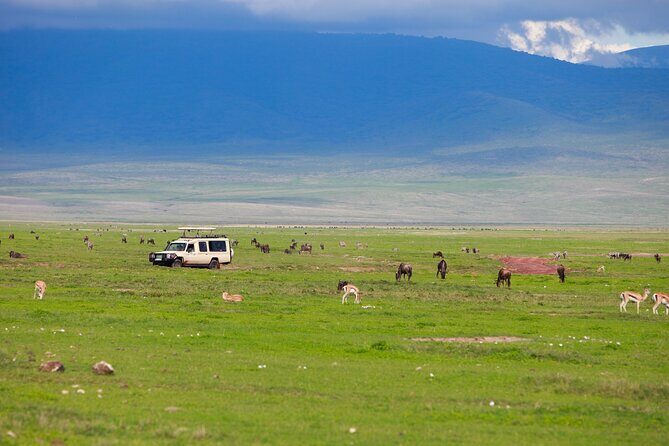
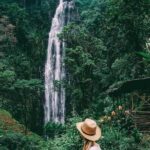
Day 6 is where the safari shifts from adrenaline to recovery. It starts with Chemka Hot Springs (also called Kikuletwa Hot Springs), described as crystal-clear warm water surrounded by lush vegetation. You get time to swim and relax, with a ticket included.
This stop is pure value because it repairs the body. Six days of sun, dust, and long drives can wear you down, and hot springs are the rare safari activity that genuinely feels like a reward, not another “thing to see.”
After Chemka, you go to Materuni. The plan includes:
- pickup from your Arusha hotel after breakfast
- a roughly 40-minute walk to the waterfalls
- guide-led commentary on village life and local flora/fauna
- potential views of Kilimanjaro’s summit on a clear day
- time at the waterfall pool, where you can swim (bring swimwear)
- return to Materuni village for a traditional Chagga lunch
The overview also notes a coffee tour here. That fits Materuni well: the area is associated with coffee culture, and pairing waterfalls + coffee makes the day feel like a real local immersion instead of only a scenic hike.
This final day is also where you can tell whether the safari truly worked for you. If you still feel good enough to hike and swim after wildlife days, that’s a sign the pace was manageable—and it also makes the whole trip feel complete instead of abruptly ending at the last park.
Camping Reality Check: Comfort, Safety, and How to Pack
The “budget camping safari” label can mean different things across Tanzania, so here’s how to think about it. You’ll still be in protected wildlife areas, which means rules and logistics come with the territory. The payoff is that you’re not just visiting parks—you’re living the safari rhythm.
What I like about this plan is that it doesn’t pretend camping is glamorous. It lists actual lodging points in the route: Fig tree lodge and Seronera Campsite. That transparency helps you pack and mentally prepare.
Safety and smooth operations are also backed up by the feedback details. The reviews highlight that the guide and driver helped you get close to animals while also keeping you feeling safe, and they name key staff like Simba (guide), Amiri (driver), and Salim (chef). When you’re on a route-heavy safari, having a team that communicates and runs meals matters as much as seeing animals.
Packing smart for this style:
- Bring layers. Mornings can feel cooler, and you’re out early (starting at 6:00 am).
- Pack a swim kit for Chemka and Materuni since swimming is part of the plan.
- Sunscreen and a hat are not optional if you’ll be out for long drives.
- Keep a small bag organized for day essentials so you’re not digging around in the vehicle.
The Guide Difference: Why Names Matter on Safari
A lot of safari reviews sound generic. This one doesn’t, because it includes actual people. Simba shows up as an amazing guide who helped show Big Five. Shebbie is credited for communication and helpful support. Amiri is named as the driver, and Salim as the chef.
That’s useful for you because it hints at what you’ll experience day to day:
- smoother game drive decisions (where to go, when to pause, how to scan)
- better communication between hotel pickup, park timing, and meal stops
- fewer “where are we?” moments, which is especially important when the itinerary is packed
The tour also caps group size at max 7 travelers, which usually helps your guide manage everyone’s comfort and keeps the vibe calm enough for good wildlife watching.
Who This Safari Fits Best (and Who Might Want a Different Style)
This tour fits best if you:
- want Tanzania’s icons in one trip, not a multi-month planning project
- like wildlife viewing but also want culture time at Maasai boma and Materuni
- are comfortable with camping-style lodging for at least part of the journey
- enjoy long days and early mornings (the plan is built around them)
You might want a different style if you:
- need lots of downtime between activities
- dislike being on the road for multiple park transitions
- expect “all luxury” comfort every night
But for most people looking for an honest budget safari across major parks, this route is a strong match because it balances the famous with the practical.
Should You Book This 6-Day Tanzania Budget Safari?
Book it if you want a smart value route that hits Tarangire, Serengeti, Ngorongoro, Lake Manyara, and then finishes with Chemka Hot Springs and Materuni waterfalls. The strongest reasons are the structure: sunrise starts, full game drive time in Serengeti, and the culture stops that add meaning beyond animal spotting. The small group size and the team (Simba, Shebbie, and others named) are also a good sign that the experience is run with care.
Skip it if you know you’re not a “long days” person or you want a slow, boutique pace. This safari is designed to move, watch, and then reward you with hot springs and village scenery at the end.
FAQ
What time does the tour start?
The tour starts at 6:00 am, with pickup arranged from the Arusha area. The meeting point listed is Meru House Inn on Sokoine Rd.
How much does the safari cost per person?
The price is $1,300.00 per person.
Is pickup included?
Yes. The tour offers pickup, and it also notes that you’ll be picked up from your hotel/accommodations on safari and on the Materuni day.
How many people are in the group?
The group size is capped at a maximum of 7 travelers.
What meals are included?
Breakfast is included 5 times, lunch is included 6 times, and dinner is included 5 times.
What parks and activities are included?
The route includes Tarangire National Park, Serengeti National Park, Ngorongoro Crater (with a Maasai boma visit), Lake Manyara National Park, Chemka/Kikuletwa Hot Springs, and Materuni waterfalls and village time (including a traditional Chagga lunch).
Are park fees or attraction tickets included?
The tour lists all fees and taxes as included. In the day-by-day notes, several park admissions are marked ticket free, while Ngorongoro Crater and Chemka Hot Springs are marked as ticket included, and Materuni activities are also marked ticket included.