REVIEW · ARUSHA
6-Day Tanzania Adventures Safaris – Group Joining Camping Safaris
Book on Viator →Operated by Kipok Africa Adventures · Bookable on Viator
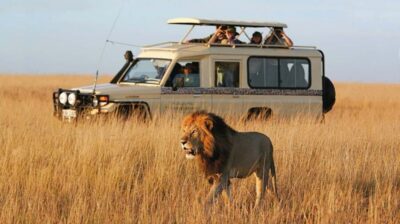
Waking up in the wild is the point. This 6-day Northern Tanzania camping safari pulls together Tarangire, Serengeti, Ngorongoro Crater, and Lake Manyara with park fees and camping gear handled, and a private 4×4 vehicle to keep your game drives efficient. I especially like two things: the chance for big elephant action in Tarangire and the small-group feel (up to 7 people) that makes the days feel more personal. One thing to consider: you are camping, so this is more outdoors and long days in the truck than a hotel-style trip.
You’ll start in Arusha around 7:30am, with pickup offered, then spend your days doing multiple game drives and moving camp by the next morning. The operator, Kipok Africa Adventures, leans on an English-speaking guide team and even names like Giovanni and Elías show up in real experiences, along with cooks such as Joaquin and Prospe. If you like your safari with good food, clear communication (WhatsApp came up), and a tight group, this is a strong fit.
In This Review
- Key highlights you’ll feel right away
- 6 days in Northern Tanzania with a small group vibe
- Arusha pickup at 7:30am: what your day tempo really looks like
- Tarangire National Park: elephants, baobabs, and seasonal swamps
- Serengeti game drives: kopjes, migration timing, and predator odds
- The migration variable you should plan around
- Predator possibilities are real, but keep expectations flexible
- Ngorongoro Crater: sunrise, the 610 m drop, and 25,000 animals
- What you’ll likely notice once you’re down there
- Lake Manyara finale: tree-climbing lions and bird-heavy viewing
- The famous and the quirky
- Camping setup and included meals: better than it sounds on paper
- What you’re paying for: value of $1,904.77 per person
- Who this safari suits best, and who should rethink it
- Should you book Kipok Africa Adventures for this 6-day camping safari?
- FAQ
- How many days and parks are included?
- Where does the safari start and end?
- What time does the tour start?
- Is pickup included?
- Is this a group tour, and how many people are in the group?
- What transportation do you use during the safari?
- Are park fees and admission tickets included?
- What meals are included?
- What is not included in the price?
- What is the cancellation policy?
Key highlights you’ll feel right away
- Up to 7 travelers keeps it calmer than big bus-style safaris
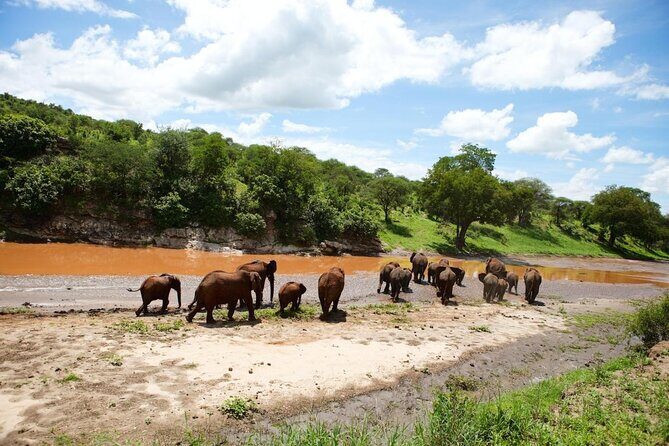
- Tarangire’s elephant herds are a major reason to come here
- Serengeti kopjes and migration country means lots of eyes-on-the-bush time
- Ngorongoro Crater sunrise and high animal density makes for intense wildlife viewing
- Camping gear and meals included so your budget doesn’t get surprise-heavy
- Private 4×4 with fuel helps you focus on spotting animals, not logistics
6 days in Northern Tanzania with a small group vibe
This safari is built for people who want to see the core parks without feeling rushed or shuffled. You move through four headline areas in about six days: Tarangire, Serengeti, Ngorongoro Crater, and Lake Manyara. The small-group cap of 7 people matters more than you’d think, because it keeps vehicle space and decision-making simple when the guide is chasing the best sightings.
You also get a clear structure day to day. Each day has a morning start, game drives scheduled into the day, and then overnight camping where the night stays close to the action. That rhythm is one reason camping safaris feel different than day trips: you get to experience wildlife at both light-up moments, sunrise and sunset, not just midday drives.
A few more Arusha tours and experiences worth a look

Arusha pickup at 7:30am: what your day tempo really looks like
You’re starting from Arusha around 7:30am, and pickup is offered. That early start is not a punishment here. It’s what gives you more animal-forward hours when the parks are most alive, plus it lets you get to campsites before it gets fully dark.
The driving and game drive blocks are long enough that you’ll want to treat this like a serious safari, not a sightseeing circuit. You’re in a private custom-built 4×4 with fuel included, so you’re not paying extra for transport inside the itinerary. Practically, it means your time stays focused on spotting—when the guide slows down, it’s because something is there, not because of road transfers.
Tarangire National Park: elephants, baobabs, and seasonal swamps
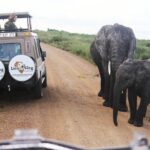
Tarangire is where this trip starts and it’s a smart choice. The park has the right “first safari day” feel: savannah terrain, baobab trees, and seasonal swamps, which create feeding and water points for lots of species. On top of that, Tarangire is famous for its large elephant herds, and the data you’re given notes that elephants have become accustomed to safari vehicles—often allowing closer observation than you might expect in more pressured areas.
What you should look for in practice on Day 1:
- Elephant herds in the park’s wetter or greener patches (seasonal swamps can change where the action concentrates)
- Long-range scanning for giraffes and zebras moving between open areas
- Birdlife too: the park is listed at 550+ bird species, so even when mammals aren’t close, there’s still activity
After your game drive, you sleep at a campsite just outside the park. That location helps you keep the schedule realistic—less wasted time, more wildlife time. The trade-off is normal for camping: it’s not a resort setup, but you’re in prime safari country, not commuting from far away.
Serengeti game drives: kopjes, migration timing, and predator odds
Then you hit Serengeti, the big name for a reason. The key scenic clue here is that Serengeti means “endless plains,” and you really do get that sense once the grass stretches out. The park also has kopjes—rocky outcrops that predators often use as lookout points—so your guide has plenty of places to check for movement.
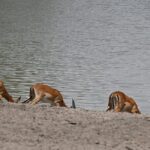
You’ll spend not one, but multiple days in Serengeti with repeated game drives. That repetition is a major value because wildlife spotting is never guaranteed on a single afternoon. By spreading the safari across different hours and days, you raise your odds of seeing more of what makes Serengeti special: migration behavior, different herds, and potentially predators moving around the prey base.
The migration variable you should plan around
The tour info emphasizes that the migration depends on rainfall and changes from year to year. It even gives directional seasonal notes:
- In November and December, animals move from the northern region (woodlands and hills) toward the grassy plains in the south.
- In the longer rainy season (April to June), the herds return toward the north.
So what should you do as a traveler? Don’t fixate on one exact herd location. Fixate on the guide’s ability to track where the grass and water are right now. That’s why having multiple Serengeti days matters. You’re not just hoping; you’re positioning.
Predator possibilities are real, but keep expectations flexible
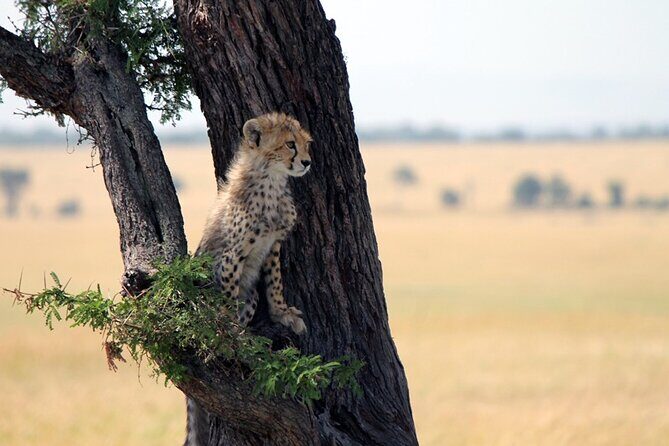
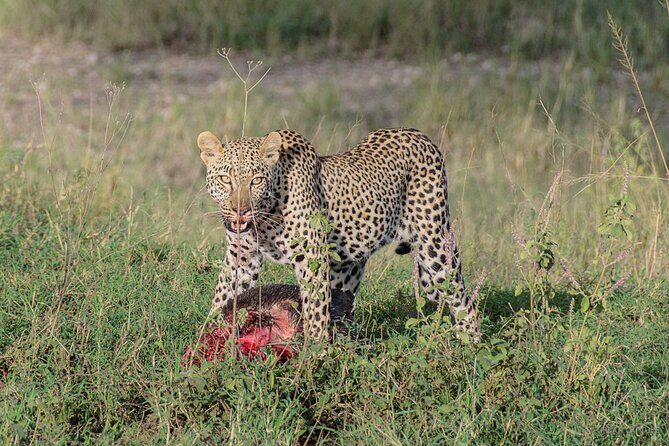
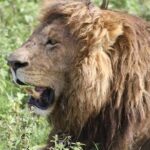
The itinerary describes the chance to see predators such as lions, cheetahs, and leopards. That’s realistic, but it’s still wildlife, meaning you’ll need to stay patient and open. On a long safari day, you’ll often feel like you’re “waiting for something,” and then suddenly the whole scene changes. Multiple Serengeti days increase your shot at that moment.
You also sleep at a campsite in the Seronera Area, which is convenient for daily viewing. Again, camping keeps you close to the action rather than far from it.
Ngorongoro Crater: sunrise, the 610 m drop, and 25,000 animals
Ngorongoro Crater is where the safari can feel most intense. The crater is described as a UNESCO world heritage site, formed millions of years ago. Key numbers that help you understand why sightings can be so concentrated:
- The crater is 610 m deep
- It covers roughly 260 square kilometres
- It supports about 25,000 animals (the tour description gives this as an approximate dense population)
That density is the reason Ngorongoro often becomes the “wow day.” After an early breakfast, you drive down into the crater via an adventurous track. You’re not just watching wildlife from the edge; you’re in the bowl where the ecosystem compresses animals into a smaller viewing space.
What you’ll likely notice once you’re down there
In the information you get, the crater is associated with sightings of wildebeest, zebras, gazelles, elephants, and over 500 bird species. You might also get lucky with rarer highlights, including the endangered black rhino, listed as something to possibly spot.
A small practical note: crater days start early for a reason. The views from the edge and the sunrise timing set expectations for what comes next. It’s also a good day to keep your camera and binocular habits consistent, because the best moments can be quick and close.
You’ll spend the night at a campsite on the crater’s edge, with sunset light in orange tones mentioned as part of the feel. For many people, sleeping up there—still able to look across the crater—adds emotional payoff beyond the game drive itself.
Lake Manyara finale: tree-climbing lions and bird-heavy viewing
Your last park is Lake Manyara National Park, and it’s a nice counterbalance to Serengeti and Ngorongoro. The tour describes diverse terrain: grassy plains, primate-filled woodlands, and baobab dotted cliffs. The park is named after a shallow alkaline lake covering roughly 200 km², which shapes how animals and birds use the area.
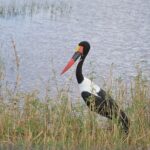
You’ll likely notice the park through birds first. The tour info points to over 400 species, and that bird-forward reputation becomes a different kind of safari satisfaction. If you’re the type who likes wildlife beyond the big mammals, Manyara can be surprisingly rewarding.
The famous and the quirky
Lake Manyara is also known for:
- Hippos and elephants
- Baboons and wildebeest
- Tree-climbing lions (not common everywhere, so this is a genuine “only here” style highlight)
- Flamingos moving through the area when the conditions line up
After your extensive game drive, you leave the flamingo country and head back to Arusha, arriving in the early evening. That means your last day is less about a full second night under canvas and more about a strong final viewing block followed by a smoother return.
Camping setup and included meals: better than it sounds on paper
This safari includes camping equipment: tents, sleeping mats, chairs, tables, and more. That matters because a lot of “budget” safaris quietly push essential gear costs onto you. Here, it’s included with the itinerary, so your packing list stays simpler.
Meals are also part of the deal. The tour description lists:
- 5 breakfasts
- 6 lunches
- 5 dinners
In other words, you’re not buying food all day while you’re stuck in park time. You’re also not relying on random roadside meals when you just want to be back in the truck for more sightings.
One detail that stands out in the real experiences shared is that cooks can make a big difference. Names like Joaquin and Prospe come up as people handling the cooking, and that’s exactly what you want on a camping safari: warm, filling meals after a long day outside. If you like the idea of camping but not living on instant snacks, that’s the right expectation.
What you’re paying for: value of $1,904.77 per person
At $1,904.77 per person for about six days, you’re not buying a single attraction. You’re buying access to multiple parks, vehicle time, guiding, camping gear, and most meals. And importantly, the tour states that national park fees are included.
Included in the package:
- Professional English-speaking guide
- Camping safari equipment
- Private 4×4 custom-built safari vehicle with fuel
- Park fees
- Meals (breakfasts, lunches, dinners based on the day count)
Not included:
- International flights
- Tanzania visa
- Tips and personal expenses
- Personal spending money for souvenirs
So the real value question is: does this price reduce friction and surprise costs? It does for a lot of travelers because transport inside the itinerary and park fees are handled, plus you’re not left figuring out how to organize camping gear. You’re also capped at a small group size, and you’re traveling by private vehicle, not a shared cattle-car.
If you’re the kind of traveler who hates piecing together logistics while on vacation, this bundle approach is often worth paying for. If you’d rather build your own safari from scratch and you already have contacts, then this might feel more structured than you want.
Who this safari suits best, and who should rethink it
This trip is a great fit if you:
- Want Northern Tanzania highlights in one route (Tarangire, Serengeti, Ngorongoro Crater, Manyara)
- Prefer a small joining group (max 7) rather than a large group
- Like the camping style where you’re close to the parks and wildlife rhythm
- Value having a guide and vehicle ready each day, with English-speaking support
It may not be your best match if:
- You need hotel comforts every night. Camping is part of the core plan.
- You dislike early mornings and long driving blocks. This safari runs on safari time.
That said, the solo-traveler feedback that shows up with this operator is encouraging. In practice, a small-group joining safari often makes it easier to travel alone without losing the group support. You still get your own schedule moments in the truck with the guide team, but you’re not totally isolated.
Should you book Kipok Africa Adventures for this 6-day camping safari?
If you want a classic Northern Tanzania route, with your parks connected by a private 4×4, park fees taken care of, and camping gear plus meals included, I’d say this is a solid book. The standout reason is simple: you’re not only visiting famous places, you’re staying in the rhythm long enough to increase your odds of memorable wildlife moments.
I’d book it especially if you care about:
- Elephants at Tarangire
- Multiple Serengeti game drives with migration context
- The crater experience at Ngorongoro with sunrise and high animal density
- A strong, bird-focused finale at Lake Manyara
If you’re on the fence, do it like this: decide whether camping and long days fit your travel style. If yes, then this price-to-inclusions ratio makes sense for many travelers.
FAQ
How many days and parks are included?
It’s an approximately 6-day trip covering Tarangire National Park, Serengeti National Park, Ngorongoro Crater, and Lake Manyara National Park.
Where does the safari start and end?
The safari starts in Arusha, Tanzania, and ends back at the meeting point in Arusha.
What time does the tour start?
The start time is 7:30am.
Is pickup included?
Pickup is offered.
Is this a group tour, and how many people are in the group?
It’s a group joining camping safari with a maximum of 7 travelers.
What transportation do you use during the safari?
You travel in a private 4×4 custom-built safari vehicle with a knowledgeable driver/guide and fuel.
Are park fees and admission tickets included?
Yes. National park fees are included, and the itinerary lists admission ticket access as included where applicable.
What meals are included?
Breakfast is included for 5 days, lunch is included for 6 days, and dinner is included for 5 days.
What is not included in the price?
International flights, Tanzania visa, tips and personal expenses, and personal spending money for souvenirs are not included.
What is the cancellation policy?
Free cancellation is available up to 24 hours in advance of the experience start time for a full refund.
If you want, tell me your travel month and whether you prefer more comfort or more wildlife time. I can help you sanity-check what sightings are most realistic for that season based on the migration timing notes in the tour details.