REVIEW · DAR ES SALAAM
Cook and Eat Tanzanian Local Food
Book on GetYourGuide →Operated by chuichuixperience · Bookable on GetYourGuide
Cooking Tanzanian food beats hotel dinners. You get the real local Tanzanian food feel by cooking together, often starting with a trip for groceries at the local market. I like the hands-on setup where you’re not just observing, plus the extra help for photos and videos while you cook. One thing to consider: communication and timing have been inconsistent for some bookings, so it’s smart to confirm details early.
This is a simple concept that works: you either cook with the host or choose the easier option to relax while your meal is prepared for you. I also like that the activity is flexible time-wise, running any time from 10 am to 11 pm, and the house kitchen is about a 30-minute ride from Dar es Salaam’s city center.
Plan on a home-style experience that includes food and drink and transport, with a live English guide. If you want a walk or picnic after eating, you’ll need to keep an eye on the time window, since the main cook-and-eat portion is sometimes shorter than the headline duration.
In This Review
- Key things to know before you go
- How the Dar es Salaam cook-and-eat experience really plays out
- Home kitchen time: cook with the host or just enjoy the meal
- Grocery shopping at the local market (and why it’s more than a photo stop)
- Eating what you cook: food, drink, and what to ask for
- The time reality: 4 hours on the schedule, about 3 hours in the kitchen
- Transport and pickup: what’s included, what you must arrange
- Photos and videos handled by a second set of hands
- Price and value: is $100 per person fair for Dar es Salaam?
- Who should book this, and who should skip it
- Reliability tip: how to make the most of a home-hosted experience
- Final verdict: should you book Cook and Eat Tanzanian Local Food?
- FAQ
- How long is Cook and Eat Tanzanian Local Food?
- What does the price include?
- Is hotel pickup and drop-off included?
- Do I have to cook, or can I just eat?
- Can we go to the local market?
- Is the experience available in English?
Key things to know before you go

- Cook together or watch and eat: choose the level of involvement
- Market shopping is part of the fun: you can buy ingredients together for a more complete experience
- Photos and videos get handled: the host’s sibling helps out, free of charge
- English guidance: a live tour guide explains steps in English
- Transport is included, pickup is not: you’ll likely need to meet at the right point yourself
- Timing can vary: some cook-and-eat sessions run shorter than expected, so be ready to adapt
How the Dar es Salaam cook-and-eat experience really plays out

Think of this as dinner with a lesson attached. You’re not just ordering something and calling it cultural. You’re standing in a home kitchen, learning the flow of preparing a Tanzanian meal, then sitting down to eat what you helped make.
The location is practical: the cooking happens at a house about 30 minutes from Dar es Salaam city center. That matters because it changes the vibe. You’re not dealing with a formal restaurant schedule or a tourist cafeteria feeling. It’s more like visiting someone who’s happy to show you how they cook day-to-day.
Timing is also flexible. You can do it any time from 10 am to 11 pm, which helps a lot if your days in Dar es Salaam are busy. Real-world tip: if you’re heading back from other plans, pick a start time that gives you room afterward, especially if you’re thinking about a walk or picnic.
You can also read our reviews of more food & drink experiences in Dar Es Salaam

Home kitchen time: cook with the host or just enjoy the meal

You basically get two options, and both can be worth it depending on what kind of traveler you are.
Option one is the full experience: you cook and prepare the meal together with the host. If you enjoy hands-on activities—chopping, stirring, learning how ingredients come together—this is the choice that turns dinner into an actual skill you can repeat later.
Option two is for the more relaxed approach: you can let the host do the cooking and you focus on eating. This can be a great fit if you’re short on patience for kitchen logistics, or you just want to taste a home-cooked Tanzanian meal without the effort.
Either way, you’ll share the meal at the end, and the guide is there in English to walk you through what you’re seeing. Just know this: some sessions have run shorter than advertised, so if you’re hoping for a long, step-by-step cooking class, go in with a flexible mindset and prepare to ask questions along the way.
Grocery shopping at the local market (and why it’s more than a photo stop)

One of the best parts is that you can go together to buy groceries from a local market. This is where the experience shifts from “cooking show” to real local food culture.
When you shop with the host, you get a window into everyday ingredients—what looks freshest, what’s commonly used, and how people actually buy food. It also gives you something concrete to talk about during cooking. You’re not learning in theory. You’re learning because you already saw the ingredient in front of you.
Even if your cooking skills are limited, the market visit can still be valuable. You can watch how the host selects items, get a feel for how the stall system works, and learn why certain foods show up again and again in Tanzanian cooking.
Practical move: if market shopping is offered for your time slot, say yes. It’s usually the easiest way to make your “local food” experience feel like more than just a meal.
Eating what you cook: food, drink, and what to ask for

Food and drink are included, and that’s a big part of the value. You’re paying for the whole evening: transport, the ingredients experience, the meal itself, and guidance. That means you don’t have to budget separately for dinner and then try to squeeze in a cultural activity.
The best way to get the most out of the cooking portion is to treat it like a conversation. You’ll learn the steps, but the payoff comes from understanding the why: what makes a spice blend taste the way it does, how seasoning changes the dish, and what “done” looks like during cooking.
A heads-up from past experiences: some guests felt the session didn’t cover as much spice detail as they wanted. That doesn’t mean you won’t learn anything—it just means you should actively ask questions. If you’re the type who cares about flavor (and you’re choosing a food experience for a reason), ask the guide to explain the seasonings clearly as you go.
If you’re not much into cooking chemistry, don’t worry. Even then, you’ll likely leave with a better sense of Tanzanian flavors because you’ll taste your own results right afterward.
The time reality: 4 hours on the schedule, about 3 hours in the kitchen

The experience is listed as 4 hours, but there’s also a note that the activity is for 3 hours. Translation: the cook-and-eat portion may be about 3 hours, and anything beyond that—like a longer walk or picnic—may need an extension agreement.
So here’s how to plan like a smart traveler:
- Assume you’ll have enough time to cook and eat without rushing.
- If you want extra sightseeing afterward, be prepared for it to be limited unless you extend.
- If your day is tight, build in buffer time around the activity.
Also, the provider is open to a walk or picnic after the meal, but it should fit within the time window. They can extend at a discounted fee, so if you’re hoping for a longer hang after eating, it’s worth asking early.





Transport and pickup: what’s included, what you must arrange

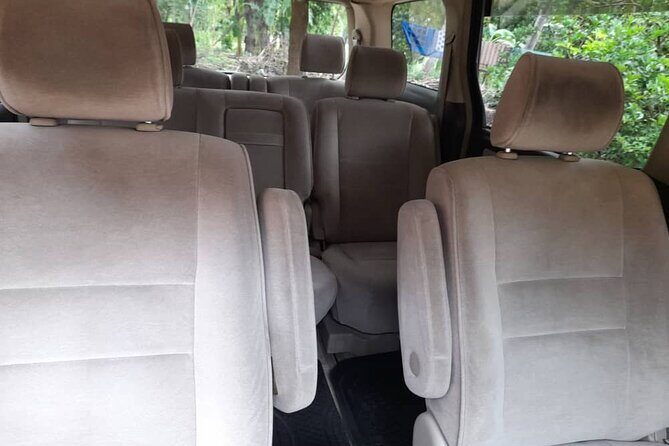
This one has a clean structure, but there’s a key detail: transport is included, yet hotel pick up and drop off are not.
That means you shouldn’t assume someone will come grab you at your hotel lobby. Instead, you should expect to meet at a specific point, or transport may be arranged in a way that doesn’t involve direct hotel service.
To avoid stress, confirm where you should meet and how transport works for your exact booking. A quick message beforehand can save a lot of time. And based on past experiences, communication reliability can matter—so don’t wait until the last minute.
Photos and videos handled by a second set of hands
If you love photos, this part is genuinely useful. The host lives with a sibling who helps during the cooking with pictures and videos at no additional cost.
That matters more than it sounds. When you’re cooking, your hands are busy and your phone is usually in the way. Having someone else handle the camera means you don’t miss the fun bits—like ingredient prep, stirring moments, and the first bite reactions.
If you care about documenting your trip, this is a strong plus compared with experiences where you’re basically managing your own camera while also learning to cook.
Price and value: is $100 per person fair for Dar es Salaam?

At $100 per person for a 4-hour experience, you’re paying for more than dinner. You’re buying:
- food and drink
- transport
- live English guidance
- a hands-on or semi-hands-on cooking session
- optional market shopping
- extra photo/video help
When that’s all bundled, the price can make sense—especially in a city where a “cooking class” can sometimes be more talk than action. Also, because it’s at a home, you’re getting a vibe that restaurant classes often can’t replicate.
That said, value depends on execution. If the session runs shorter than expected, you may feel like you didn’t get enough teaching time. And if communication is poor for a given booking, that can turn a good idea into a frustrating evening.
So my advice: treat it like a flexible plan. If you want a strict, timed, classroom-style cooking course, you might be happier elsewhere. If you want a real local food meal with guidance, this can be worth it.
Who should book this, and who should skip it

This experience is a strong match if you:
- want Tanzanian local food that’s tied to real cooking, not just eating
- enjoy market visits and learning about ingredients
- want photos and videos taken while you cook
- prefer English explanations
- can be flexible about the exact time length
You might want to think twice if you:
- need hotel pickup and drop off
- are counting on a long, detailed cooking lesson with lots of spice instruction
- hate uncertainty with meet-up timing (because past bookings showed inconsistency)
In other words: it’s great for food-first travelers and people comfortable in a home environment. It’s not ideal if you’re expecting a rigid schedule and zero surprises.
Reliability tip: how to make the most of a home-hosted experience
Because this is home-based and timing has varied for some past bookings, you should do two simple things:
1) Message before you go and confirm the meet-up details.
2) Give yourself buffer time around your start time, especially if you’re arriving from somewhere else in Dar es Salaam.
This isn’t paranoia. It’s just good travel behavior. A small confirmation can prevent the worst-case scenario of missing the meet-up.
Final verdict: should you book Cook and Eat Tanzanian Local Food?
I’d book this if your goal is a genuine home-cooked Tanzanian meal, ideally with market shopping and real hands-on time. The included food and drink, plus the free photo/video help from the sibling, are practical perks that can make the experience feel more complete.
But I wouldn’t book it blindly if you’re the type who needs perfect communication and a guaranteed long cooking session. The best move is to confirm details early and enter with flexibility about duration.
If you want local food with a story you can taste, this is a good call—just go in smart, ask questions about flavor and seasonings, and don’t leave meeting logistics to chance.
FAQ
How long is Cook and Eat Tanzanian Local Food?
The experience is listed as 4 hours. The provider also notes the cook-and-eat portion is about 3 hours, with any extra walk or picnic requiring discussion/possible extension.
What does the price include?
Food and drink are included, along with transport. Entrance fees are not included.
Is hotel pickup and drop-off included?
No. Hotel pickup and drop-off are not included.
Do I have to cook, or can I just eat?
You can choose between cooking together with the host or having the host cook and you focus on eating.
Can we go to the local market?
Yes. You can go together to buy groceries from the local market for a more fulfilling experience.
Is the experience available in English?
Yes. The live tour guide speaks English.