REVIEW · ARUSHA
5 days Serengeti safari|Experience the great wildebeest migration
Book on Viator →Operated by Kilinge Adventures · Bookable on Viator
Migration here is the main event. In five days you follow the rhythm of the Great Wildebeest Migration across the Serengeti ecosystem, where huge herds move in a clockwise circuit driven by the rains. The plan is designed for the season when wildebeest are easier to spot, especially when they’re concentrated in the Masai Mara and northern Serengeti, and it caps with a Ngorongoro Crater morning.
I love that the safari runs with a professional English-speaking guide and chef, plus practical camping setup details like tent and mattress, and a provided sleeping bag. I also like the small-group feel (max 7) and the fact that pickup is offered and tends to run on schedule. One consideration: this is premium pricing, and migration sightings depend on rain timing and river conditions, so you’ll want a flexible mindset.
In This Review
- Key highlights worth knowing
- Great Migration timing: why five days can feel like a week
- Day 1 in Arusha: the road to Serengeti starts immediately
- Day 2 Serengeti drives: two chances to catch the herd rhythm
- Day 3 full-day migration pursuit: when patience becomes a superpower
- Day 4: morning Serengeti, then transfer to Ngorongoro Crater
- Day 5 in Ngorongoro: a morning game drive to close the loop
- Price and value: what $3,000 covers, and what it doesn’t
- Food, comfort, and the camping reality
- The human factor: pickup timing and guide support
- Who should book this 5-day migration safari
- Should you book this tour?
- FAQ
- How much does the 5-day Serengeti safari cost?
- Where does the tour start, and what time?
- Is pickup offered?
- What meals and drinks are included?
- What vehicle and comfort setup will I use?
- How many people are in the group?
- Do I get a mobile ticket and confirmation?
- What’s not included in the price?
- Is the tour dependent on weather?
- What is the cancellation policy for a full refund?
Key highlights worth knowing
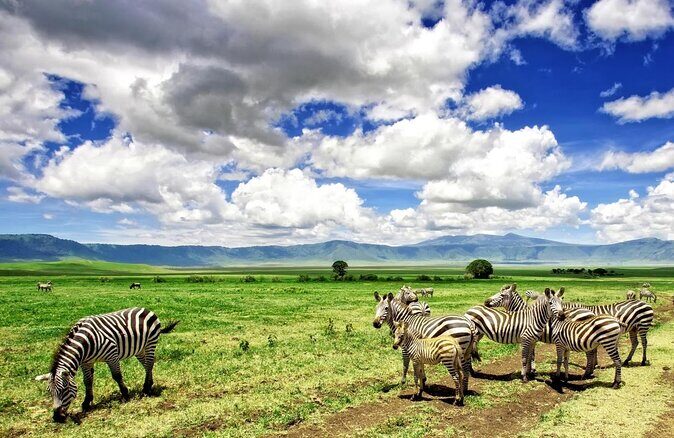
- Great Migration focus: built around the herd’s seasonal movement and easier viewing windows
- Open-roof 4×4 safari driving: good visibility for spotting wildlife from the vehicle
- Small group size (max 7): more attention, less crowding on game-drive routes
- Guide + chef included: English support and meals handled for you
- Camping basics included: tent, mattress, and a sleeping bag help you travel lighter
Great Migration timing: why five days can feel like a week
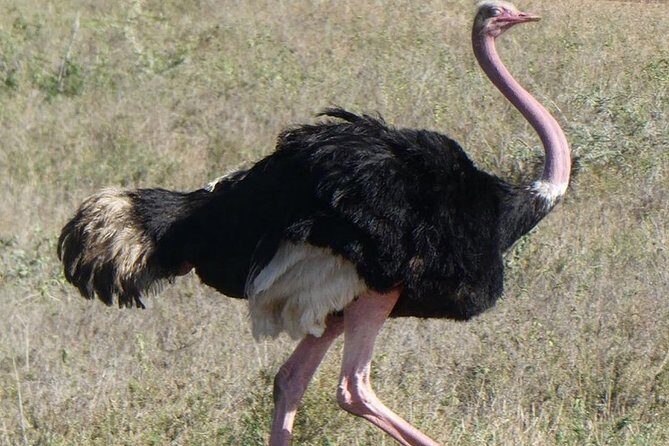
The Great Wildebeest Migration isn’t a show you enter. It’s a calendar shaped by weather. The herds start in the southern Serengeti around December, move north as fresh grazing appears, and by May many reach the Mara River area. The dramatic part is the river crossing phase, where wildebeest must deal with crocodile-infested waters, then the herds keep going toward the Masai Mara. They tend to stay up there until November before turning south again.
That timing matters for your expectations. In practice, “migration safari” can mean different levels of action depending on month. This itinerary is set up to work best when the wildebeest are concentrated in areas that typically make them easier to see. If you’re going during a shoulder period, you may still see plenty of wildlife, but the density of wildebeest sightings can shift.
The other thing I like about this migration-first approach is that it gives purpose to the long hours. Game drives stop feeling like random wandering and start feeling like you’re tracking real movement across real country.
A few more Arusha tours and experiences worth a look



Day 1 in Arusha: the road to Serengeti starts immediately
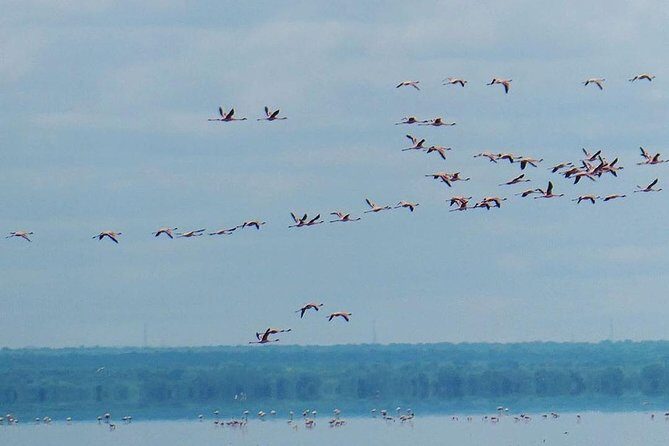
Day 1 is simple: arrive in Arusha, then transfer to your lodge in the Serengeti. That matters more than it sounds. If you’ve ever done a safari that starts too late, you know you lose a chunk of prime daylight right away. Getting into position early helps you use your next morning and afternoon drives well.
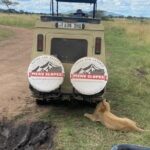
You’ll travel in a 4×4 Land Cruiser with an open roof. That setup is great for wildlife spotting because you can see over the vehicle roof line and keep your eyes scanning without doing mental gymnastics. It also means you should expect sun and dust, so plan your clothing and eye protection accordingly.
What’s also reassuring is that the trip is built as a guided, supported package. You’re not managing everything alone. Pickup is offered, and the operator emphasizes attention to detail, friendly communication, and making the whole experience feel personal from the start.
One small practical point: your first day is largely about getting settled. Don’t schedule anything tight before the tour start.
Day 2 Serengeti drives: two chances to catch the herd rhythm
Day 2 gives you two game drives in the Serengeti: a morning session and an afternoon session. For me, this is one of the best ways to keep safari days from feeling flat. Wildlife patterns often shift with daylight, and the chances of spotting something good rise when you’re out during more than one part of the day.
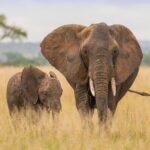
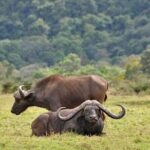
This is also where you begin to build your mental map of the ecosystem you’re in. You’ll be searching for wildebeest plus other wildlife, so you’ll likely notice predators, grazers, and different habitat edges. Even if the wildebeest are not at their densest yet, you’re still learning the terrain and where animals tend to show up.
Because the guide is professional and English-speaking, you’re not just driving around and hoping for the best. A good guide helps you read what you’re seeing: body language, movement direction, and which signals usually mean animals are feeding or alert. That’s especially useful in a place where distances can look misleading from far away.
Logistically, your day should feel structured too. Meals are included for the safari portion (with tea and coffee with meals), and water is provided (1.5 bottles per day). That reduces the small stress of guessing what you’ll find out in the bush.
Day 3 full-day migration pursuit: when patience becomes a superpower
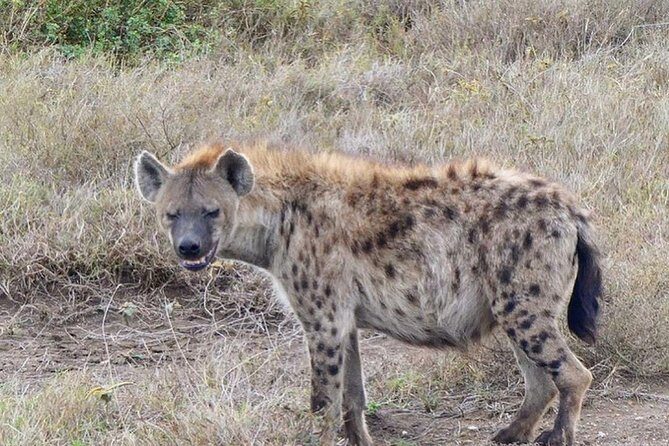
Day 3 is the long one: a full-day game drive in the Serengeti, following the Great Wildebeest Migration. This is the heart of the trip. It’s where the itinerary stops being a checklist and starts being about timing.
The migration route is driven by rains and grazing. As the herds move in a clockwise circuit, they create patterns: where they’ve been, where they might go next, and where fresh grass tends to appear. Your guide’s job is to position the vehicle where the herd is most likely to be active or visible during your drive window.
Here’s the realistic part: you might see huge numbers in one stretch, then have long periods of scanning. That doesn’t mean the safari is failing. It’s the nature of tracking moving herds across big space. This is why having a knowledgeable professional guide matters, and why a full day can be better than splitting the chase into shorter segments.
Also, your vehicle setup is built for long days. With an open-roof 4×4, you can keep watching without the vehicle blocking your sightline. Bring sun protection and dress in layers. You’ll be more comfortable when temperatures change during the day.
If you’re hoping for a signature migration moment like the Mara River crossing, month and conditions will decide how likely that is. The tour framework is designed to put you near better viewing windows when the herd is concentrated, but nature still sets the rules.
Day 4: morning Serengeti, then transfer to Ngorongoro Crater
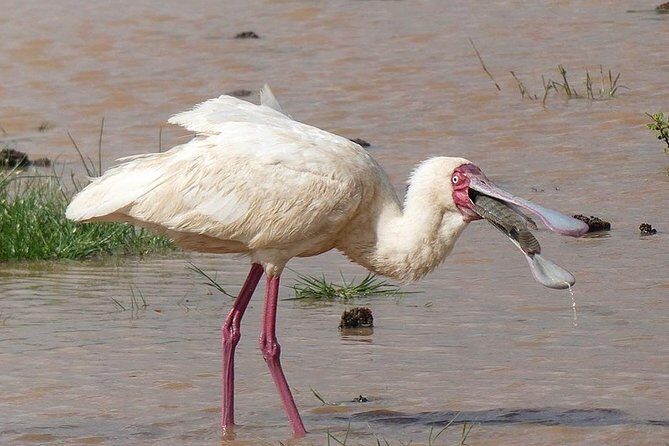
Day 4 is structured like a pivot day. You start with a morning game drive in the Serengeti, then transfer to the Ngorongoro Crater. That combination is smart, because you don’t waste the early hours in transit alone. Morning drives tend to be productive, and it also gives you one more chance to spot wildebeest and other wildlife before switching ecosystems.
The transfer means the day won’t feel like one continuous stretch of driving and spotting. You’ll trade some game-drive time for movement. That’s normal, and it’s why I suggest you treat transfers as part of the safari experience rather than a disruption. In places like this, road time is often the price of variety.
What you gain on Day 4 is contrast. Even though you’re still in northern Tanzania safari country, the crater environment changes what you can expect to see. If your migration viewing is strong, the crater morning can feel like a bonus finale. If migration is slower that day, the crater can shift your focus toward different animals and action.
A few more Arusha tours and experiences worth a look
Day 5 in Ngorongoro: a morning game drive to close the loop
Day 5 is a morning game drive in the Ngorongoro Crater, then a transfer back to Arusha. This is a classic safari finale: you end with one more wildlife-focused window, then you head back to town.
The benefit of a crater morning is that it’s a change from the migration tracking vibe. Instead of chasing moving herds, you’re set to watch what concentrates and interacts in a different setting. I like ending this way because it reduces the risk of finishing feeling like you missed your one big migration moment. Even if the wildebeest action varies by timing, you still get a strong wildlife finale.
Your guide and the vehicle format stay consistent, which makes the last day feel smooth. You also keep the trip’s rhythm: structured morning drive, then return logistics.
If you’re thinking about flights the same day, keep it realistic. You’ll be transferring back to Arusha after the morning drive. Build in buffer time if you can.
Price and value: what $3,000 covers, and what it doesn’t
At $3,000 per person for about five days, this is priced as a premium, supported safari. The big value lever here is that it bundles a lot of the costs people forget to add up later.
Included items cover:
- all fees and taxes (with a catch: increases in park fees where applicable aren’t included)
- transport in a 4×4 Land Cruiser with open roof
- tent and mattress
- professional English-speaking safari guide and a chef
- set meals for the safari portion: 1 breakfast, 2 lunches, 1 dinner
- 1.5 bottles of water per day, plus tea and coffee with meals
- sleeping bag
Not included items matter too:
- flights, travel insurance, visa/passport fees
- accommodation and meals in Moshi
- personal items and tips for the guide and chef
- alcoholic beverages and extra activities
- any increase in park fees where applicable
So is it worth it? If you want a trip where logistics are handled, food is covered, and you’re not juggling meals, transport, and guiding quality day by day, then yes, this kind of package price starts to make sense. The small group size (max 7) and the guide + chef setup add value beyond the vehicle.
Your best way to judge value is to compare what your alternative costs would be: paying for your own driver, your own meals, and your own safari gear while also trying to time migration. That combination usually costs more and adds stress.
Food, comfort, and the camping reality
I’m glad this includes a chef and meals. Safari food is one of those things you don’t want to treat like a gamble, especially after long drives. Having tea and coffee with meals, plus water each day, keeps you fueled without constant shopping stops.
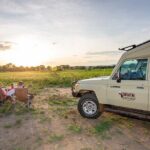
For sleep setup, you get tent and mattress and also a sleeping bag. That’s a practical win because packing for safari already takes some planning. With sleeping bag included, you can bring fewer bulky items.
Still, camping comes with its own reality. Nights can feel cool, and safari days can leave you tired. Even with a tent-and-mattress setup, treat comfort as part of your job: pack for warmth, protect your electronics, and don’t overpack fragile stuff.
One more comfort note: open-roof driving is excellent for views, but it means you’re outside more than you’d be on a closed vehicle. Sunglasses, sunscreen, and a hat help a lot.
The human factor: pickup timing and guide support
This tour is organized around people doing their jobs well. The operator describes a professional, friendly, attention-to-detail approach, and that shows in how the trip starts: pickup is offered, and timing seems to be taken seriously.
In feedback associated with this company, Thomas has been mentioned as a helpful point person during pre-trip questions and as someone who can handle late pickups smoothly. Drivers like Deo have also been credited for focusing on getting good animal views. I can’t promise which exact person you’ll have, but it’s a useful sign: the operator pays attention to the details that make or break a safari, like communication before arrival and driving choices during game drives.
For you, that adds confidence. When something goes wrong, you want a company that responds fast and handles it on the ground.
Who should book this 5-day migration safari
This safari fits best if you:
- care about the Great Wildebeest Migration and want a plan built around seasonal movement
- want a guided experience with a professional English-speaking guide and chef
- prefer smaller group size (max 7) for better attention
- like structured days with morning and afternoon drives, not random timing
It may not be ideal if you:
- need a fixed, guaranteed migration spectacle at a specific moment (nature decides)
- hate early starts or long road segments between regions
Should you book this tour?
I’d book it if your priority is a migration-focused safari with solid support: guide, chef, meals, vehicle, and camping basics are all handled. The small group size also makes the experience feel more personal and easier to enjoy.
I’d hesitate if you’re only interested in one specific migration event and you’re traveling during a time when herd movement may be less concentrated. In that case, you could still see wildlife, but your “wow” factor depends more on timing and conditions than on anything a checklist can control.
If you’re flexible and excited by the idea of tracking a real moving ecosystem, this is the kind of trip that turns watching animals into understanding their journey.
FAQ
How much does the 5-day Serengeti safari cost?
It’s priced at $3,000.00 per person.
Where does the tour start, and what time?
It starts in Arusha with a start time of 8:00 am.
Is pickup offered?
Yes. Pickup is offered.
What meals and drinks are included?
The safari includes 1 breakfast, 2 lunches, and 1 dinner. You also get 1.5 bottle of water per day, plus tea and/or coffee with meals.
What vehicle and comfort setup will I use?
You’ll travel in a 4×4 Land Cruiser with an open roof. The package includes tent and mattress, and it also provides a sleeping bag.
How many people are in the group?
This tour has a maximum of 7 travelers.
Do I get a mobile ticket and confirmation?
Yes. A mobile ticket is mentioned, and confirmation is received at the time of booking.
What’s not included in the price?
Flights, travel insurance, visa and passport fees, possible increases in park fees, accommodation and meals in Moshi, personal items, tips for the guide and chef, alcoholic beverages, and extra activities.
Is the tour dependent on weather?
Yes. It requires good weather. If it’s canceled due to poor weather, you’ll be offered a different date or a full refund.
What is the cancellation policy for a full refund?
You can cancel up to 24 hours in advance for a full refund. If you cancel less than 24 hours before the start time, the amount you paid will not be refunded.