REVIEW · ARUSHA
5-days Tarangire-Serengeti-Ngorongoro Safari
Book on Viator →Operated by Go With Me Photographic Safaris · Bookable on Viator
Six a.m. starts a five-day wildlife chase. This safari is built around three Tanzania heavy-hitters: Tarangire’s elephant-and-baobab action, Serengeti game drives timed for the migration, and the volcanic wonder of Ngorongoro Crater. What I especially like is that you’re not just bouncing between parks; you have a professional driver/guide moving you through each day’s best wildlife moments. The potential drawback is simple: the days run long and start early, so if you hate early wake-ups or packed schedules, this is going to feel like a lot.
The value angle is strong. You’re picked up in Arusha (hotel or airport), the tour price covers park time, meals, accommodation, roundtrip transfers, and even drinking water each day—so you can focus on seeing animals instead of juggling small add-ons. Price is still serious at $2,116 per person, so you’ll want to be sure you really want this classic route and the big-cat and migration odds that come with it.
In This Review
- Key highlights you can plan around
- Five days across the classics: why this route works
- Day 1 in Tarangire: elephants, baobabs, and a river-bed that matters
- Crossing into Serengeti: migration country and smart timing
- Full day Serengeti: more chances for the cats and the grazers
- Day 4 Ngorongoro Crater: down on the floor, up-close with hippos and flamingos
- Day 5 Mto-wa-Mbu and an Arusha airport finish
- Price and logistics: what $2,116 actually covers
- The guide makes the difference: what to expect from day-to-day guiding
- My booking advice: who should choose this safari?
- Should you book this 5-day safari?
- FAQ
- What time does the safari start?
- Where does the pickup happen?
- Does the price include park admission and guides?
- What meals are included during the 5 days?
- Is accommodation included?
- Which parks are included in the trip?
- Is tipping included in the tour price?
Key highlights you can plan around
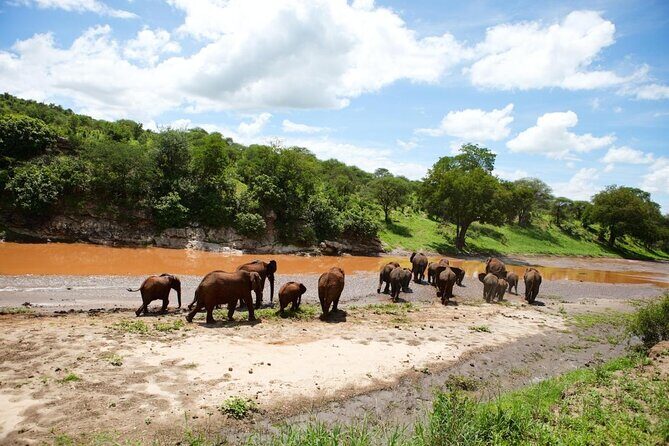
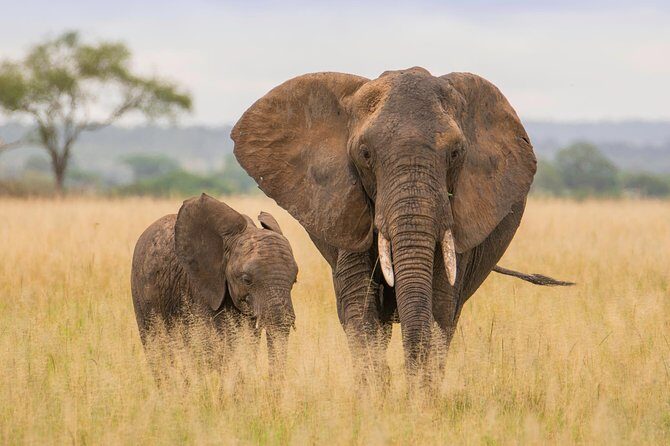
- Tarangire’s elephant density plus baobab scenery makes for memorable sightings and photo-friendly stops
- Serengeti migration timing can change your camp location, helping you chase the herds
- A full crater-day at Ngorongoro means you’ll go down to the crater floor and work it with game drives
- Free admission tickets are listed for each park day, which helps your budget
- Included meals (5 breakfasts, 5 lunches, 4 dinners) and water keep the long days manageable
- Pickup/airport transfer from Arusha reduces the usual “how do we get there” stress
Five days across the classics: why this route works
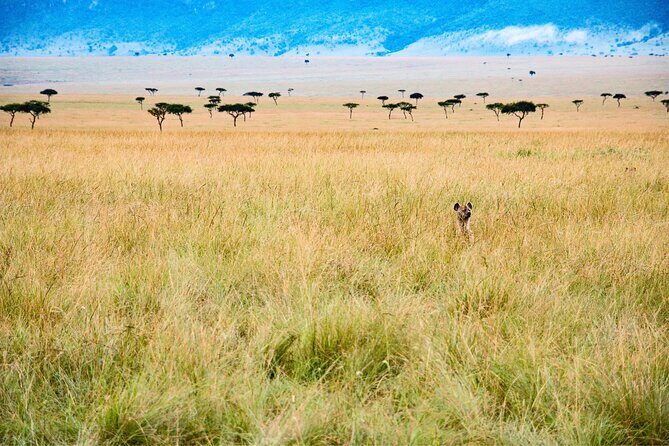
If you’re doing a first Tanzania safari, this route is about efficiency with meaning. Tarangire gives you a different feel from the big-plains parks—more river-beds, more elephants, and those iconic baobabs. Serengeti brings the famous open-country feel and the migration story (timed based on when you travel). Then Ngorongoro caps it all with a crater that concentrates wildlife in a tight area, plus a scenic, down-in-the-earth change of pace.
What makes this plan practical is the way the days are structured. You’re not doing “half a game drive and hope for the best.” Each day has a clear wildlife focus: afternoon drive on day one, Serengeti stretching into day three, and then a full crater experience across day four with more time afterward on day five via a town stop before returning to Arusha.
The tour also treats logistics like a real part of the safari. You start at 6:00 am and you’ll have a dedicated driver/guide plus transportation throughout. For many people, that’s what turns a good safari into a smooth one—less waiting, fewer handoffs, and more time where it counts: in the parks.
A few more Arusha tours and experiences worth a look
Day 1 in Tarangire: elephants, baobabs, and a river-bed that matters
Tarangire National Park is known here for two things that shape your whole experience: elephants and baobab trees. On your first day, you’ll be picked up in Arusha (either from your hotel or the airport), then drive to Tarangire. Lunch happens at the start, followed by an afternoon game drive—so even though it’s day one, you’re not stuck in transit all day.
Why the river detail matters: the Tarangire River is described as having year-round water supply, and that draws animals to the river beds. That’s when wildlife action tends to speed up, because animals are gathering for a resource—not just passing through. Predators also have a reason to wait and watch, since the river-bed concentration can make the next meal a timing game.
One practical consideration: because this is an afternoon drive, you’ll likely miss the absolute beginning of the day’s light-driven animal activity. Still, Tarangire is well set up for strong sightings even later, especially with elephants making themselves hard to ignore.
After the driving and park time, you head to your lodge for dinner and an overnight. Those included meals are part of the value here—no running around for snacks when everyone is tired.
Crossing into Serengeti: migration country and smart timing
Day two is your move from Tarangire into Serengeti National Park, with a drive that includes crossing the Ngorongoro Conservation area. You’ll start after breakfast and then head into Serengeti for game drives on the way to your lodge.
The big “make or break” detail in Serengeti is timing, and this safari openly plans for it. Between the beginning of January and mid-March, you’ll stay at Kati Kati Ndutu Tented Camp in the Ndutu area (still within Serengeti). The reason is simple: it can increase your chances of seeing the migration, because herds can be on either side of the Serengeti/Ngorongoro boundary during that window.
If you’re traveling outside that window, you won’t have this specific Ndutu camp adjustment called out in the details you were given. Either way, the safari’s emphasis is consistent: Serengeti is where the annual migration story plays out, and the wide-open setting helps make wildlife sightings feel frequent and big.
A small consideration: day two runs long (it’s described as about 12 hours). That’s not a problem if you enjoy seeing scenery through the windshield and don’t mind that the “day” includes both roads and wildlife stops.
Full day Serengeti: more chances for the cats and the grazers
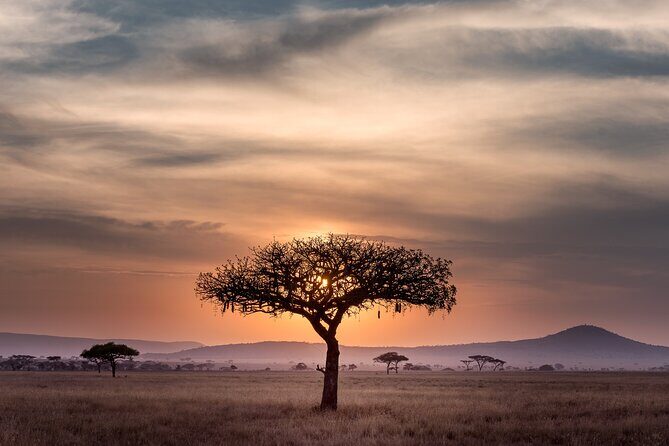
On day three you get a full day exploring Serengeti wildlife around the migration. The park is described as ideal for watching large herds at this time of year, and your time here is meant to maximize that. Serengeti’s open plains can feel like endless space once you’re in it, and that’s useful: predators hunt differently when prey is moving across broad ground.
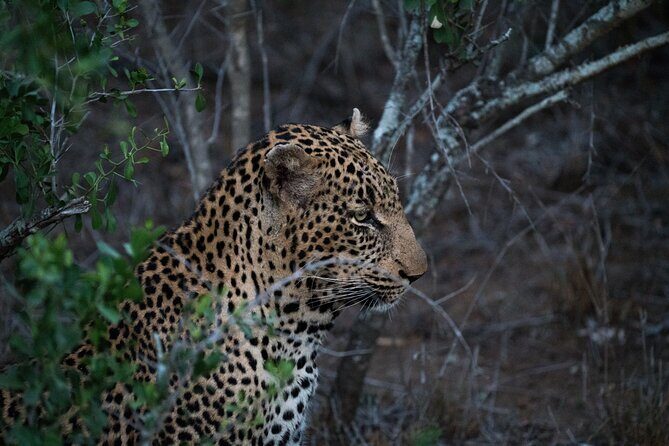
You can expect a mix of species to be on the radar: elephants, hippos, lions, zebras, wildebeests, cheetahs, leopards, and more. That list matters because it tells you what this day is optimized for. It’s not just “maybe you’ll see big game.” The plan is built around the classic chain of sightings—grazers first, then the drama that follows.
The other reason a full day matters is patience. Big-cat sightings aren’t always guaranteed, but more hours in the right areas increase your odds of catching something meaningful—especially when herds are active. This day is structured as a long wildlife day (again about 12 hours), which means you’ll get more than one shot at the kinds of moments people remember: a group pause, a sudden chase, or a predator keeping position while prey moves.
If you’re the type who likes to know what you’re looking at, this safari is set up to help. You’ll have a driver/guide who’s there for more than driving; the tour details emphasize a professional guide, and the animal-focused route suggests they’ll be pointing you toward the best action.
Day 4 Ngorongoro Crater: down on the floor, up-close with hippos and flamingos
Ngorongoro Conservation Area is the star finish for many safaris, and here you get a crater day that’s specific: after breakfast, you drive toward the Ngorongoro Conservation Area Authority, then go down to explore the crater floor for hours.
This crater is described as the largest unflooded and unbroken caldera in the world, and that geological detail isn’t just trivia. It helps explain why wildlife can feel so concentrated. You’re effectively working a natural amphitheater where animals come to water, shade, and feeding spots.
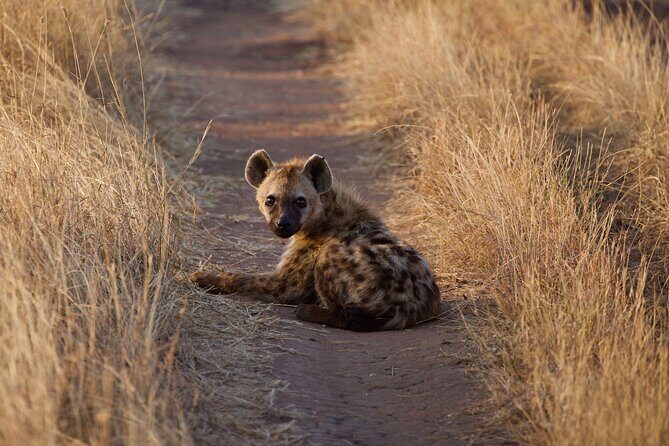
Your day includes lunch at a designated picnic site near a hippo pool. Then you continue with crater game drives. The expected mix of animals is broad and includes lions, elephants, zebras, hippos, flamingos, jackals, rhinos, antelopes, and many birds. That list is your clue for what “crater day” means in practice: you’re not just scanning for mammals. You’re also looking for birds at the water’s edge and for the animals that frequent the crater’s specific micro-conditions.
There’s also a direct Big Five note: with a bit of luck, the Big Five can be spotted during one game drive only. That wording is honest, and it’s helpful for planning your expectations. Don’t assume you’ll tick every box, but know this is the day where the odds are best for many safari wish lists.
Another realistic factor: crater driving takes time and concentration. You’ll want to sit comfortably, keep your eyes moving, and be ready for slow, steady wildlife watching. The payoff is that crater wildlife often feels close and immediate compared with big distance-hunting.
Day 5 Mto-wa-Mbu and an Arusha airport finish
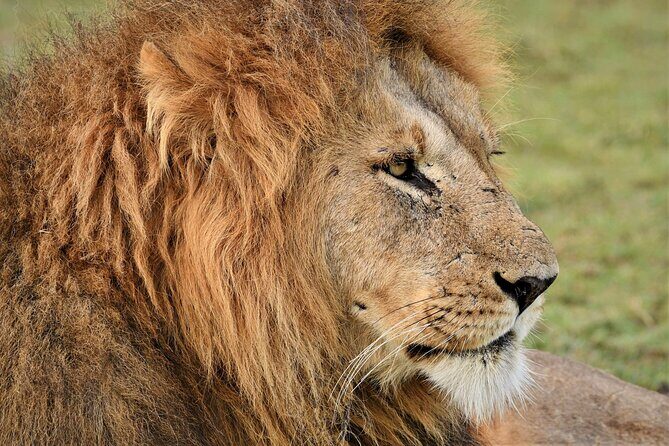
Day five starts with breakfast, then shifts from wildlife to people-and-place. You’ll explore Mto-wa-Mbu for last-minute pictures and curio shopping, then head back to Arusha where the tour ends at the airport for your flight.
This is a smart way to close the trip. A lot of safaris end with a mad dash straight from the park to departure. Here, you get a short cultural stop that still fits the “tired but want something memorable” feeling of safari travel. Mto-wa-Mbu is positioned as a place for photos and shopping, which means you can focus on buying small keepsakes and getting a few non-safari images to round out the story.
The day is described as about 6 hours, so it’s also a built-in break after the more intense crater and Serengeti days.
Price and logistics: what $2,116 actually covers
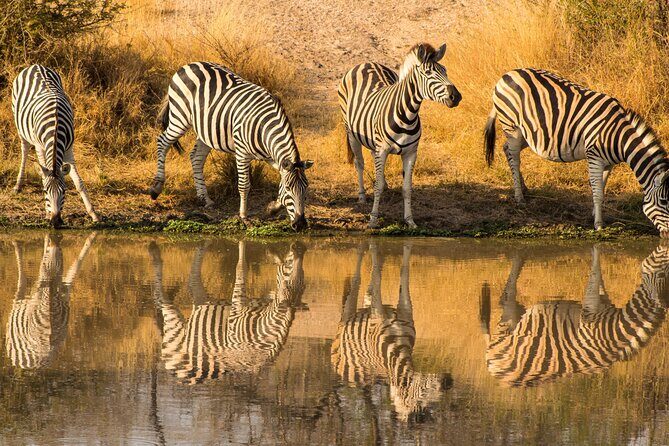
At $2,116 per person, you’re paying for a full-service safari package, not just a ticket into parks. The listed inclusions are the big deal:
- All activities (unless marked optional)
- Meals as specified, plus drinking water on all days
- Accommodation throughout (unless upgraded)
- Roundtrip airport transfer
- A professional driver/guide and all transportation (unless optional)
- All taxes/VAT
- Admission tickets listed as free for park days
You also get a stated group structure: it’s a private tour/activity, and only your group participates. That matters because it affects flexibility and attention from the guide. A private format usually means fewer distractions and more time where you actually want it.
The practical budgeting item you should not miss: tips. The guideline provided is $10.00 per person per day. That’s not part of the main price, so make sure you factor it into your total trip cost so there are no surprise feelings at the end.
Is the price good value? For many people, yes—because it bundles the hardest-to-manage pieces: park time, meals, sleeping arrangements, and transport. The “value check” is whether you’re truly using those inclusions rather than paying a premium for a route you’ll cut short or change last minute.
The guide makes the difference: what to expect from day-to-day guiding
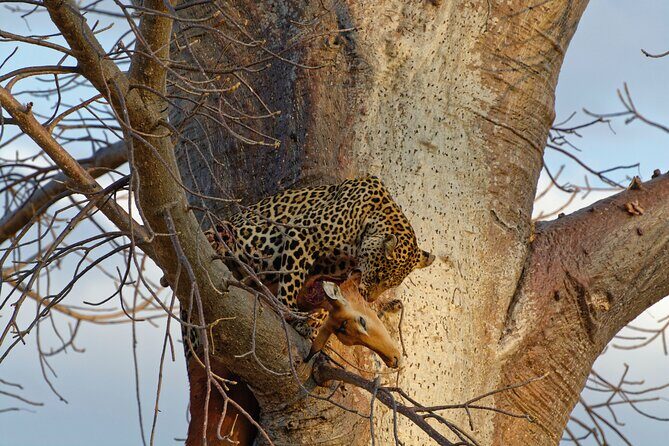
You’ll get a professional driver/guide throughout, and this is where safari quality is won or lost. The tour details stress guide professionalism, and the animal-heavy route implies an active guiding approach: spotting opportunities early, positioning for sightings, and keeping the rhythm moving without turning the day into a long wait-fest.
From a practical perspective, a good guide helps you in three ways:
- Finding animals in the places the parks naturally concentrate them (river-bed areas in Tarangire, migration timing in Serengeti, crater floor routines in Ngorongoro)
- Understanding behavior, not just pointing at animals
- Keeping expectations grounded, especially around Big Five odds
This matters most on the days designed for high probability sightings—like Serengeti day three and Ngorongoro day four.
The other big factor is timing. You start at 6:00 am, and you spend serious hours in the car during each day. That’s normal safari life, but a driver/guide who knows the pacing helps you avoid feeling like you’re stuck in traffic and instead feel like you’re moving with purpose.
My booking advice: who should choose this safari?
I’d look at this 5-day Tarangire–Serengeti–Ngorongoro safari if you want the classic Tanzania circuit and you like the idea of seeing animals in three very different settings. It’s a strong fit for:
- First-time Tanzania safari planners who want Tarangire + Serengeti + Ngorongoro without re-planning every day
- People traveling in the January to mid-March window who want a Serengeti stay in the Ndutu area (via Kati Kati Ndutu Tented Camp) to improve migration odds
- Anyone who values a package where meals, water, transportation, and park access are handled for you
It may feel like too much if you hate long driving days, early mornings, or you prefer short, low-intensity outings. This is a wildlife schedule, and it leans active.
Also, note the tour is weather-dependent in the sense that it requires good weather. If weather is the cause of a change, you’ll be offered a different date or a full refund, depending on what’s possible.
Should you book this 5-day safari?
If your priority is a well-rounded wildlife hit list—elephants in Tarangire, migration-country time in Serengeti, and a full crater day at Ngorongoro—this is a solid choice. The inclusions do a lot of the heavy lifting, and the 6:00 am start plus long park days are exactly what you want if you’re serious about sightings.
Before you book, do two quick checks:
- Confirm your travel dates, especially if you’re in early January through mid-March, since that’s when the Ndutu-area camp adjustment is spelled out.
- Budget for tips using the $10 per person per day guideline, so the final total matches your plan.
If those fit your style, you’re looking at a streamlined, classic safari route with the kind of day-by-day focus that turns wildlife viewing into a real experience, not just a series of car rides.
FAQ
What time does the safari start?
The start time is listed as 6:00 am.
Where does the pickup happen?
Pickup is offered from your hotel in Arusha or from the airport.
Does the price include park admission and guides?
Admission tickets are listed as free for each park day, and the tour includes a professional driver/guide.
What meals are included during the 5 days?
Meals are included as specified by day, and the totals listed are 5 breakfasts, 5 lunches, and 4 dinners, plus drinking water on all days.
Is accommodation included?
Yes. All accommodation is included unless listed as an upgrade.
Which parks are included in the trip?
The tour covers Tarangire National Park, Serengeti National Park, and the Ngorongoro Conservation Area (with time down on the crater floor).
Is tipping included in the tour price?
Tips are not included. The provided tipping guideline is US$10.00 per person per day.