REVIEW · ZANZIBAR
Stone Town Walking Tour with Female Guides
Book on GetYourGuide →Operated by Explore with local guide francophone 🇲🇫🇨🇭🇨🇦🇩🇿🇰🇲🇲🇦🇹🇳🇼🇫🇳🇨🇮🇪🇨🇩🇧🇪🇧🇫 · Bookable on GetYourGuide
Stone Town can feel like a maze, but this 3-hour walk with female guides turns the alleys into a guided story of Swahili life, Arab/Indian/European influence, and the sites behind the slave trade. You’ll move through some of the most famous narrow streets in Zanzibar, with enough structure to keep you oriented while still leaving room to look, shop, and wander.
I love how the tour starts at the former slave market area and follows the thread from that difficult history through the Livingstone and missionary connection. I also like the pacing around Darajani Market and the chance to browse, photograph, and shop for spices and fresh food without feeling like you’re being rushed.
One consideration: key sights may require extra money or may not be open on the day you go, so build flexibility into your plans. Extra admission fees for the Slave Market site and the Freddie Mercury Museum are not included, and places like the House of Wonders or Old Fort can sometimes be closed for renovations.
In This Review
- Key Things to Know Before You Go
- Stone Town in 3 Hours: What This Walking Tour Actually Delivers
- Starting at the Former Slave Market (Now the Anglican Church)
- Darajani Market: Spices, Seafood, and a Photo-Friendly Break
- Zanzibar Coffee House Stop: A Simple Way to Reset
- Sultan’s Palace Area: Understanding the Zanzibar Sultanate
- House of Wonders and Old Fort: Big Names, Possible Day-of Changes
- Tip Tip Houses, City Market, and the Power of Street-Level Details
- Freddie Mercury Childhood Home: A Photo Stop With Real Personality
- Forodhani Gardens: Local Food Energy in Stone Town
- Notre-Dame de Zanzibar: A Carefully Sculpted Church Stop
- Price and Value: How the $19 Works With Paid Admissions
- What to Bring (and What Will Save You Stress)
- Guide Quality: The Difference You’ll Actually Feel
- Who Should Book This Walking Tour
- Should You Book This Stone Town Walking Tour With Female Guides?
- FAQ
- How long is the Stone Town Walking Tour?
- Where does the tour start?
- Is hotel pickup and drop-off included?
- What is included in the price?
- What entry fees are not included?
- What languages does the tour guide speak?
- Is this a private group tour?
- Are there age or child discounts?
- What should I bring?
- Is there free cancellation?
Key Things to Know Before You Go

- Female guides and a story-led walk that helps you understand what you’re seeing on the street.
- Former slave market area (now the Anglican Church) used as your first major historical anchor.
- Darajani Market time for spices, snacks, photos, and souvenir shopping.
- Freddie Mercury connections with a photo stop at his childhood home and an optional museum visit.
- Short breaks that keep the walk enjoyable, including a coffee stop at Zanzibar Coffee House.
- Plenty of street time through Stone Town’s gates, balconies, and narrow lanes—plus time to explore on your own.
Stone Town in 3 Hours: What This Walking Tour Actually Delivers
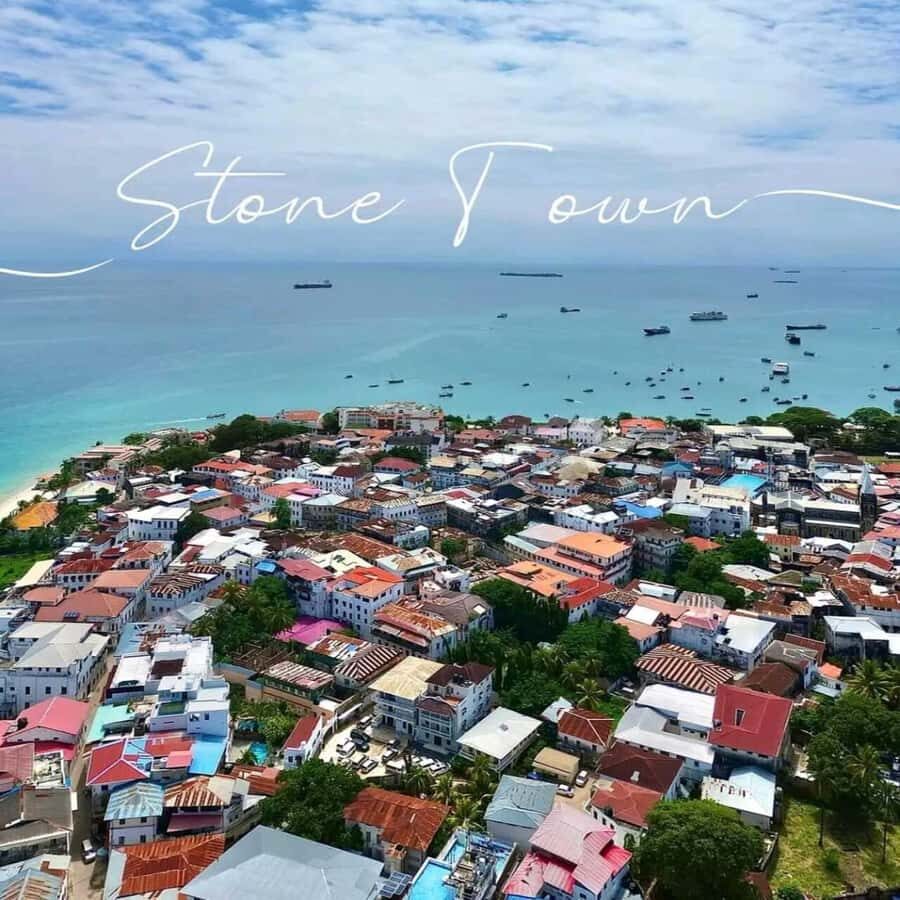
If you’ve only got a short window in Zanzibar, this is a smart way to see Stone Town without getting lost. You’ll start in the thick of the historic core and follow a route that mixes major landmarks with quieter alley moments, so the city doesn’t feel like a checklist.
The big value here is context. Stone Town is a UNESCO World Heritage Site (since 2000), and the guide helps you connect the architecture and street layout to the people and power that shaped the town—Swahili culture mixed with Arab, Indian, European, and Portuguese influence. In practice, you’re walking through a living museum where the “how it happened” matters as much as the “what it looks like.”
The pacing also matters. The tour runs a little under the 3-hour headline (around 2 hours 45 minutes), and the plan includes short stops and moments to step back, take photos, and regroup. For most people, that keeps energy up and helps you enjoy the streets instead of just surviving them.
You can also read our reviews of more walking tours in Zanzibar



Starting at the Former Slave Market (Now the Anglican Church)
Your tour begins at the former slave market site, which today is tied to the Anglican Church. This is the place where the tour sets expectations: Stone Town’s most painful chapter isn’t glossed over, and you’ll trace the history of the slave trade in East Africa while learning about connections to figures like Dr. David Livingstone and missionaries.
It’s a heavy start, but it’s also one of the most meaningful. If you want Stone Town to feel real and not like a costume set, this anchoring stop gives you a framework for everything you’ll see later—especially the way buildings, institutions, and trade routes shaped daily life.
Practical note: the included tour guidance may not include entry or the paid component related to this site. The Slave Market admission is listed separately, so if you want the full museum-style experience here, plan for the additional cost.
Darajani Market: Spices, Seafood, and a Photo-Friendly Break

After the historical start, the day shifts into sensory mode at Darajani Market. This is a lively stop where you can see fruits, vegetables, fish, meat, and spices—plus the kinds of colors and textures that make Stone Town shopping feel less like a souvenir hunt and more like watching local life work.
You’ll have time to shop and sample, and that’s where the tour feels practical. If you’re trying to figure out what to buy—clove, cinnamon, dried sea items, or simple snacks—the guide’s recommendations can save you from random guesswork. You’ll also get chances to photograph the catch from the Indian Ocean and look at spice displays up close.
One caution: markets can be busy and crowded, and Stone Town streets can be compact. Comfortable shoes aren’t optional for this part. Also, cash helps—especially for small purchases or anything that doesn’t follow a strict ticket system.
Zanzibar Coffee House Stop: A Simple Way to Reset
Not every Stone Town tour gives you a break you can actually use. Here, there’s a walk-and-story phase, then a stop at the Zanzibar Coffee House, where you can relax and enjoy a cup of coffee of your choice.
Even if you don’t linger long, this stop helps you recover from heat, walking, and concentrated information. It also gives you a chance to regroup with the guide on what you’ve learned so far—so later landmarks feel connected rather than random.
If you’re the type who gets tired when tours become nonstop moving, this mid-walk pause is a real win.
Sultan’s Palace Area: Understanding the Zanzibar Sultanate
From the markets, you move toward the Sultan’s Palace area. This stop is less about souvenirs and more about understanding how Zanzibar’s leadership shaped the city’s culture and power.
You’ll learn about the Zanzibar Sultanate and have time to explore the atmosphere around the palace space. Even when you’re looking at the outside, the building style and setting help explain why Stone Town’s architecture is so distinct—balconies, gates, and formal-looking spaces built for a world of trade and status.
If you’re interested in how cities evolve through politics and commerce, this is one of the stops that makes your walking route feel like a timeline rather than a route scan.






House of Wonders and Old Fort: Big Names, Possible Day-of Changes

The tour includes a visit to the House of Wonders (Bait el-Ajab), described as the tallest building in East Africa. It’s the kind of stop that attracts attention because it has ceremony built into its story—and because Zanzibar’s architecture uses design to communicate authority.
The plan also references the old Portuguese Fort and the old Arabic Fort (sometimes described as having served as a battle arena and a later railway station). These are the kinds of places where the layers matter: Portuguese and Arabic influences, shifting uses over time, and the way Stone Town kept getting repurposed as history rolled forward.
Here’s the key reality check: some of the major sights can be closed for renovations on a given day. If that happens—especially with bigger names like the House of Wonders or Old Fort—you’ll still walk the streets and hit other landmarks, but the day may shift more toward alley views, gate details, and exterior photo moments rather than interior access.
If the House of Wonders and Old Fort are must-sees for you, keep your expectations flexible. You’ll still get plenty from the route, but don’t bank on every interior stop working exactly as scheduled.
Tip Tip Houses, City Market, and the Power of Street-Level Details
Not every highlight is a single headline building. The tour’s broader route includes places such as the Tip Tip Houses and the City Market (established in 1904). Even if you only see portions of these areas during your walk, they help explain how Stone Town functioned day to day—trade, housing, and social networks built into the city’s layout.
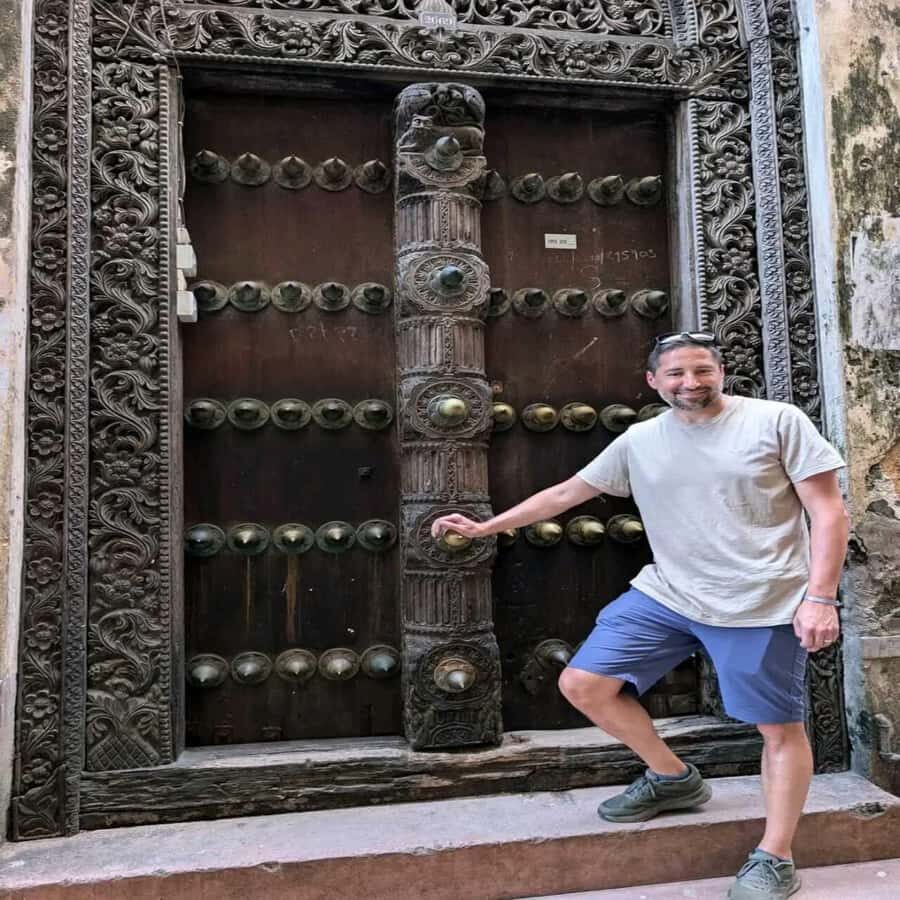
This is where a guide earns their keep. Stone Town’s narrow streets can make it hard to understand why a specific gate or balcony matters. With a good local guide, those details start to connect: curved Zanzibari gates, carved facades, and the mix of influences you can see just by looking at materials and proportions.
If you enjoy architecture and urban design, you’ll likely appreciate these “in-between” stops more than you expect.
Freddie Mercury Childhood Home: A Photo Stop With Real Personality
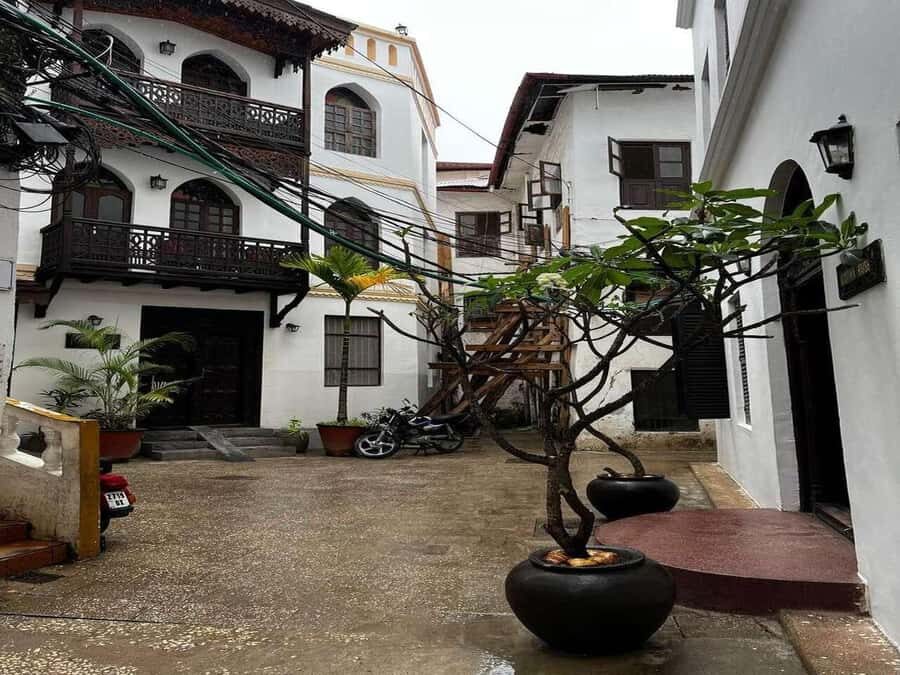
One of the most fun parts is the Freddie Mercury connection. You’ll make a photo stop near Freddie Mercury’s childhood home, and the guide shares his story so it’s not just a celebrity sight.
If you’re a fan, this is a satisfying moment because it’s anchored to place. It also doesn’t hog the whole afternoon—so you still keep moving through Stone Town’s main historic lanes.
There’s also the Freddie Mercury Museum listed as an additional paid admission (approx. $8 per person). That means you’ll need to decide based on time and budget whether you want the deeper museum option. The included promise is a photo stop, so treat the museum as an add-on you opt into.
Forodhani Gardens: Local Food Energy in Stone Town

The route includes Forodhani Gardens, a well-known hangout where locals sell food and drinks. Expect to see sellers offering seafood, sugarcane juice, barbecues, and Zanzibari pizza.
This stop is great if you want a taste of what Stone Town feels like outside of museum walls. It’s also a good moment for photos and people-watching, because you see daily rhythm right there at the edges of the historic core.
Keep it practical: bring cash, and stick to what looks fresh and well-handled. If you’re sensitive to spice or strong flavors, you can still enjoy the vibe and just choose something mild.
Notre-Dame de Zanzibar: A Carefully Sculpted Church Stop
Toward the end, you visit the French Catholic Cathedral (Notre-Dame de Zanzibar). This is described as a beautifully sculpted church in the heart of Stone Town, with history rooted in the city’s layered foreign presence.
It’s a strong contrast to the market and street noise. Churches like this often give you a moment of quiet focus: architecture, stonework, and details you might miss if you’re only moving quickly between gates and shops.
After this stop, the tour wraps up with a stroll through more narrow streets, including time to see Zanzibar gates and browse souvenir shops and boutiques.
Price and Value: How the $19 Works With Paid Admissions
At $19 per person, this tour can be good value—mainly because it gives you a guided route that covers a lot of ground in a short time, plus included water and hotel pick-up/drop-off in Stone Town.
But the price math depends on what you want to enter. The former East Africa Slave Market admission is listed separately at $10 per person, and the Freddie Mercury Museum is approx. $8 per person. If you add both, the total cost rises, though you’ll also be buying more time in paid, structured indoor exhibits.
Here’s the balanced way to think about it:
- If you’re happy with guided storytelling plus exterior views and photo stops, $19 may be enough for a satisfying afternoon.
- If you want the deeper museum-style content at both the slave market site and the Freddie Mercury Museum, budget extra and don’t treat the $19 as the full final total.
One more value point: bottled water is included, and you also get a licensed local guide. In heat and humidity, that small convenience adds up—especially when you’re walking for almost three hours.
What to Bring (and What Will Save You Stress)
You’ll enjoy this tour more if you plan for the practical stuff:
- Comfortable shoes for narrow streets and uneven pavement.
- Cash for market purchases and any entry fees you decide to pay.
- A camera since the route includes photo-ready landmarks, gates, and the Freddie Mercury area.
Sunscreen and a hat aren’t listed, but you might find them helpful in Stone Town, where walking time can feel longer once the sun is up.
Guide Quality: The Difference You’ll Actually Feel
In your comfort level on a walking tour, the guide matters. One guide named Damtu was described as amazing—extremely knowledgeable and friendly—so that’s a strong sign you could end up with a confident guide who keeps the stories clear.
Another booking noted an English improvement need for their guide, while still calling the guide personable. That tells me something useful: if language is a priority, double-check what language you’re booking, and come prepared to use context clues and photos if your guide’s English is still settling.
Either way, what’s consistent is the focus on connecting stops with explanations—so you’re not just following someone from gate to gate.
Who Should Book This Walking Tour
This tour is a strong fit if you:
- Want a guided Stone Town overview in under three hours.
- Prefer local explanation over wandering alone and guessing what you’re looking at.
- Like history mixed with markets and real street-level moments.
- Enjoy the Freddie Mercury pop-culture angle but still want actual historic stops too.
It may not be the best fit if you:
- Don’t do well with lots of walking or crowded market areas.
- Need step-by-step museum time for every major stop, since some places can be closed for renovations.
- Have altitude sickness concerns. This tour is not suitable for people with altitude sickness.
Should You Book This Stone Town Walking Tour With Female Guides?
I’d book it if you want the best “first pass” at Stone Town: a short route with real context, key landmarks, spice and market time, and a Freddie Mercury moment that doesn’t swallow your whole day. At $19, it’s also a budget-friendly way to get orientation fast, especially with pick-up and drop-off in Stone Town.
I’d hesitate only if your trip is tightly scheduled around specific interior access—like the House of Wonders or Old Fort—or if you’re certain you want both the Slave Market and Freddie Mercury Museum admissions. In those cases, budget for extra entry fees and stay flexible if openings change.
If you’re ready to walk, look, and learn in a single afternoon, this is a solid way to experience Stone Town without turning your day into a long, exhausting scavenger hunt.
FAQ
How long is the Stone Town Walking Tour?
The tour is listed as 3 hours, and the time on the ground is approximately 2 hours 45 minutes.
Where does the tour start?
Pickup is included in Stone Town. The meeting point is your pick-up location in Stone Town, and you should wait at the reception.
Is hotel pickup and drop-off included?
Yes. Convenient hotel pick-up and drop-off in Stone Town are included.
What is included in the price?
Included are guiding service, bottled water during the tour, expert licensed local guide time, and a photo stop at Freddie Mercury’s childhood home.
What entry fees are not included?
Entry/admission tickets are not included for the former East Africa Slave market (10$ per person) and the Freddie Mercury Museum (approx. 8$ per person).
What languages does the tour guide speak?
The live tour guide can speak French, English, German, Italian, and Swahili.
Is this a private group tour?
Yes. It is a private group.
Are there age or child discounts?
Children aged 0–4 years can join for free. Children aged 6–12 years have a reduced price.
What should I bring?
Bring comfortable shoes, a camera, and cash.
Is there free cancellation?
Yes. Free cancellation is available up to 24 hours in advance for a full refund.