REVIEW · ARUSHA
5 Days Marangu Route – Mount Kilimanjaro Trek
Book on Viator →Operated by Rupia Adventure · Bookable on Viator
Stepping onto Kilimanjaro feels like joining a moving clock. This 5 Days Marangu Route balances big views with a well-paced hut circuit, and I really like the early setup in Moshi plus the way your guides keep the day-to-day plan clear. I also appreciate the focus on the summit schedule: starting late, reaching key points like Gillman’s Point at sunrise, then moving fast back downhill. One thing to consider is that the route includes a long, tough day before the summit, so you’ll want to be realistic about your legs and your stamina.
What makes Rupia Adventure practical is how they handle the details that can make or break a climb. You get picked up at Kilimanjaro International Airport and transferred to Moshi, then you meet your guide for a gear check and adjustments before you ever hit the trail. The possible drawback: this experience depends on good weather, and the summit attempt won’t be treated like a casual hike if conditions aren’t right.
In This Review
- Key highlights worth knowing before you go
- Moshi airport transfer and the gear check that saves stress
- Rainforest day: Mandara Hut, primates, and Maundi Crater views
- Climbing to Horombo Hut: timberline, heath, and 3,700m altitude reality
- The long tough day: Last Water point, the saddle, and Kibo Hut
- Summit night to Uhuru Peak: midnight start, Hans Meyer Cave, and sunrise at 5,681m
- Descent through Mandara Hut and a shower in Moshi
- Rupia Adventure on the ground: guides, small groups, and real service
- Price and value: is $1,500 per person fair for Marangu?
- Who should choose the Marangu 5-day route (and who should reconsider)
- Should you book Rupia Adventure for Kilimanjaro by Marangu?
- FAQ
- How much does the 5 Days Marangu Route cost?
- Where is the trek based, and do you get picked up?
- How many days is the trip, and how many days are on the mountain?
- Do you handle equipment if I’m missing something?
- What’s the group size limit?
- When does the summit attempt happen, and what time do you reach Uhuru Peak?
- Where do you stay during the trek?
- What happens if the trek is canceled due to poor weather?
- Is the booking refundable if I cancel for any reason?
Key highlights worth knowing before you go
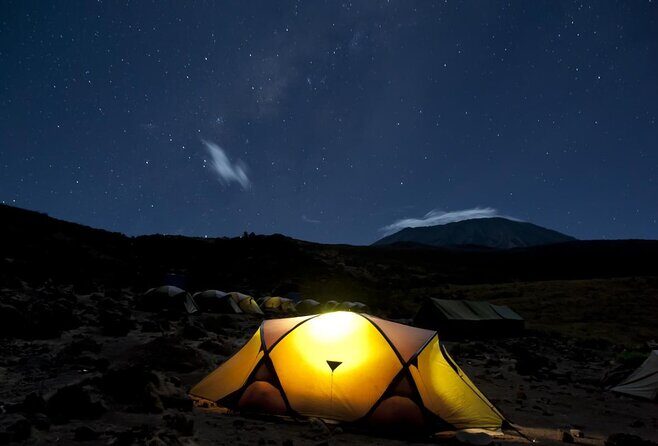
- Pickup to Moshi + gear check so you start informed, not scrambling
- Dense rainforest to Mandara Hut with primate spotting as you hike
- Horombo Hut views over Mawenzi, Kibo, and the wide Masai steppe plain
- Last Water point and the saddle on the long push toward Kibo Hut
- Midnight summit start via Hans Meyer Cave, then sunrise at Gillman’s Point
- Warm meals on the way up and down including lunch at Mandara on descent
Moshi airport transfer and the gear check that saves stress
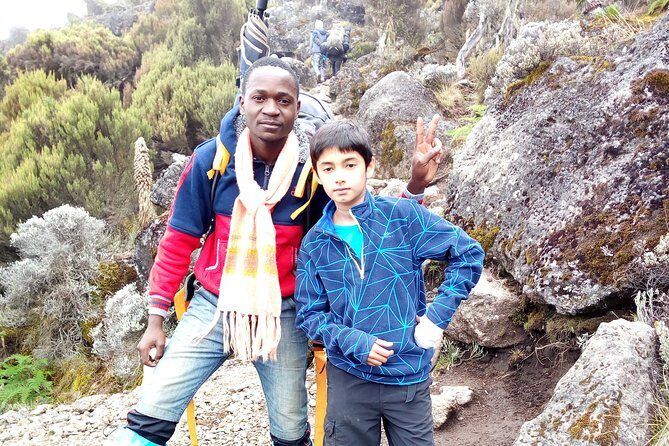
Your trip starts with an airport pickup at Kilimanjaro International Airport, followed by a transfer to Moshi town. That matters because Kilimanjaro days start early, and you don’t want to waste time figuring out transport, meeting points, or how to get mountain gear sorted.
Once you’re in Moshi, you’ll meet your guide and do a hands-on equipment check. If anything is missing, the plan is to rent gear on that day—so you’re not trying to patch problems at the gate with cold air already in your lungs. It’s also the moment to get your bearings: what you’ll wear, what you’ll carry, and how the climb works in real time.
Overnight options are Panama Hotel or Mvuli hotel in Arusha (or an alternative), depending on what’s available for your dates. This is one of those small logistics things that changes your whole vibe. A good sleep in a predictable location beats wandering around looking for a late dinner and hoping tomorrow’s start isn’t chaos.
You can also read our reviews of more hiking tours in Arusha
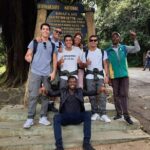
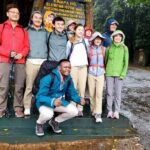
Rainforest day: Mandara Hut, primates, and Maundi Crater views
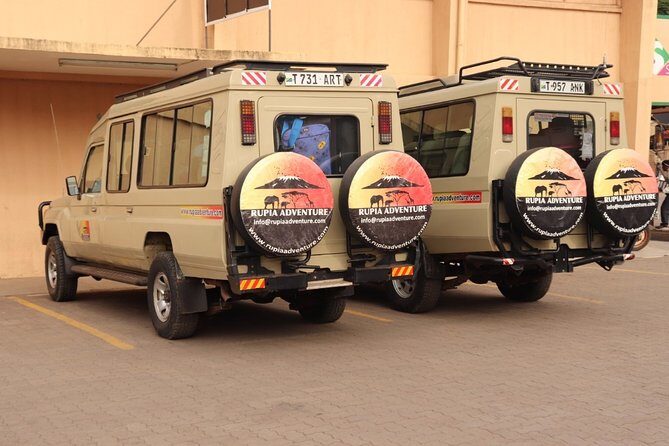
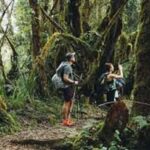
Day 2 takes you from Moshi to the Marangu gate and then straight into the dense rainforest. This is one of the route’s best openings because it feels alive and cooler—lush trees, thick air, and that steady trail rhythm that gets your body working without immediately throwing you into altitude shock.
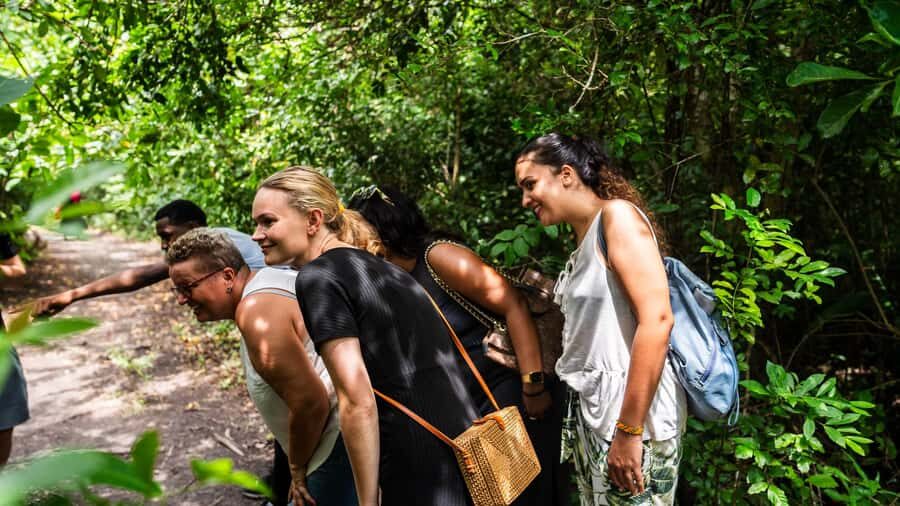
As you hike, you may spot primates along the way. That’s not guaranteed, but on this kind of rainforest leg, animal sightings are part of the deal. It’s also a good day to focus on small habits: slow pace, steady breathing, and drinking water even when you don’t feel thirsty yet.
You’ll reach Mandara Hut, where you rest after the rainforest stretch. Then the day continues toward the Maundi Crater area for views—one more reason Marangu is popular: you don’t spend the entire early part of the trek on a plain treadmill of altitude climbing. The scenery begins to shift, even before you’re deep in the higher zones.
A practical note: rainforest weather can mean mist and wet ground. Your footing matters. If your shoes aren’t broken in or your socks aren’t sorted, that’s the day you’ll feel it.
Climbing to Horombo Hut: timberline, heath, and 3,700m altitude reality
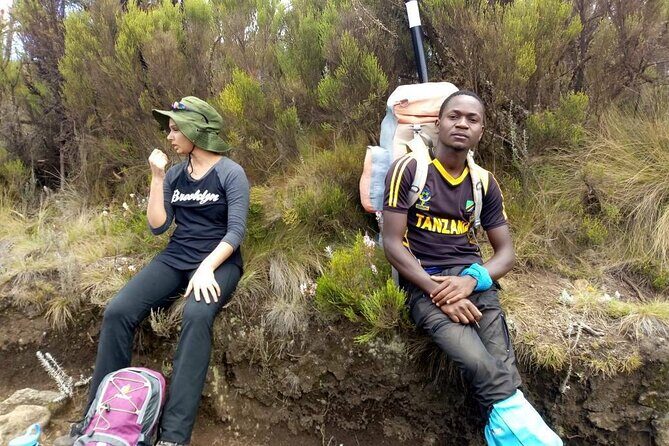
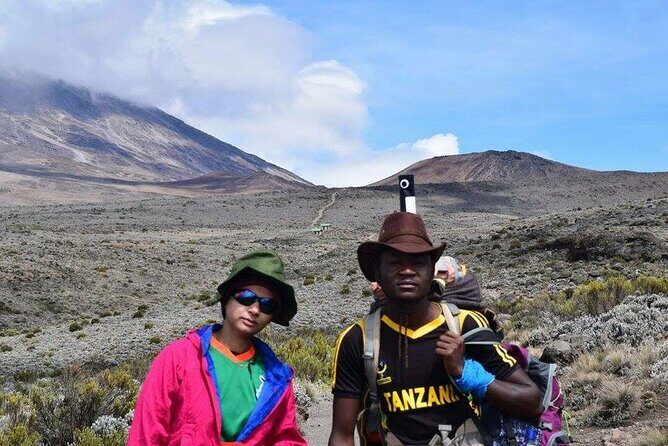
On Day 3, the pace changes as you leave Mandara and head upward into the timberline. After that, you enter the heath and moor zone—cooler, quieter, and visually different from the rainforest below.
You’ll hike for roughly 4 to 6 hours before Horombo Hut appears at around 3,700m. The big win here is the kind of view you can only earn after you’ve climbed that high: from Horombo, you get strong sightlines over Mawenzi and Kibo, plus the wide Masai steppe plain. It’s not just pretty. It helps you understand what the mountain is doing to you. The route you’re taking becomes real.
This day is also a mental adjustment day. You may feel that your breathing is working harder. That’s normal. Don’t try to fight altitude by speeding up. If you do, your summit day will pay the price later.
If you’re someone who gets anxious about how thin the air feels, Horombo is a good place to settle. You’ll have a hut stop, a view, and time to reset.
The long tough day: Last Water point, the saddle, and Kibo Hut
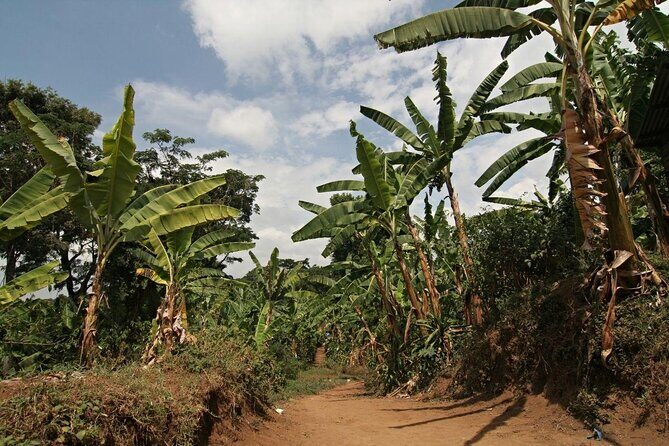
Day 4 is the section many people talk about because it’s a longer, tougher push. The trail is well-built, but it has a grind-your-energy feel as you move along the route toward the higher huts.
Two named features help you understand what’s going on:
- The Last Water point
- The saddle, a nearly vegetation-less plateau that connects the main summit area of Kibo with Mawenzi
That combo is important. “Last Water” basically forces your pacing and hydration habits to become serious. You’ll want to drink on schedule and manage your energy so you’re not scrambling when the trail feels drier and harder.
Then comes Kibo Hut, usually reached after about 5 to 6 hours. The timing is also strategic: you get an early evening meal, then an early night because the summit window is short. This is one of those days where sleep matters as much as legs. If you can’t rest well, tell your guide. They can help you plan your routine.
Summit night to Uhuru Peak: midnight start, Hans Meyer Cave, and sunrise at 5,681m
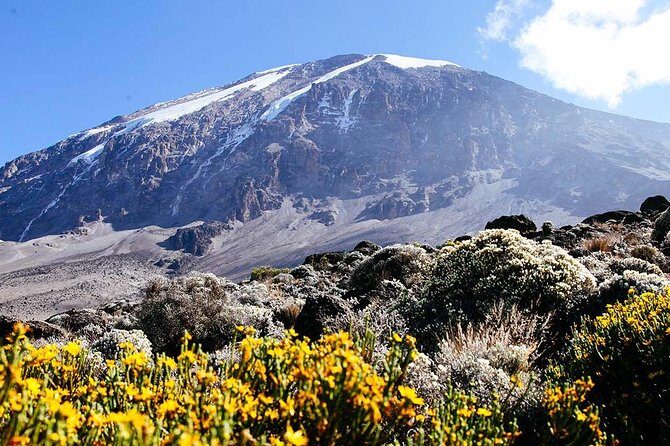
Day 5 is called the big day for a reason: the final ascent starts around midnight and feels long and strenuous. This is where Marangu’s schedule shows its teeth. You’ll be moving in cold, headlamp time, and the work is steady rather than fast.
On the way, you pass Hans Meyer Cave at about 5,220m. That’s a helpful landmark because it’s a reminder you’re not guessing. Your guide can pace you through key points, and that reduces the mental strain.
At sunrise, you reach Gillman’s Point at about 5,681m—specifically the crater rim of Kilimanjaro. It’s a moment that often turns the climb from suffering into meaning. The cold of the night usually feels less brutal once daylight starts to warm your surroundings, even if your body is still working hard.
After another 1 to 2 hours, you reach Uhuru Peak at 5,895m. Then it’s back to Kibo Hut for a warm meal, followed by a 1 to 2 hour break before descending to Horombo Hut.
One reality check: starting midnight doesn’t guarantee a smooth summit for everyone. People vary. I’ve seen summit schedules feel manageable for some and brutal for others. Either way, you’re doing high-altitude work. Keep your breathing controlled, and trust the plan more than your nerves.
A few more Arusha tours and experiences worth a look


Descent through Mandara Hut and a shower in Moshi
Day 6 is your chance to rebuild your energy while still moving downhill enough to keep your body happy. The route passes back through the heath and moor zone to Mandara Hut (around 2,700m), where there’s a warm lunch waiting.
Then you head back into the tropical rainforest again. That shift is more than scenery. When the air feels warmer and wetter, your body often relaxes because the altitude stress eases.
After about 6 hours total trekking, you reach the Kilimanjaro National Park Gate (around 1,860m). After saying goodbye to your mountain guides, you transfer back to your Moshi hotel, where a warm shower helps you turn the page from climb mode into human mode. Then you celebrate. Even if you’re exhausted, you’ll feel that kind of quiet satisfaction that comes from finishing what you started.
Day 7 is left free. You can wind down in Moshi, explore town for souvenirs, and head to the airport when your flight lines up. If you want more Tanzania after Kilimanjaro, safari and Zanzibar add-ons are available.
Rupia Adventure on the ground: guides, small groups, and real service
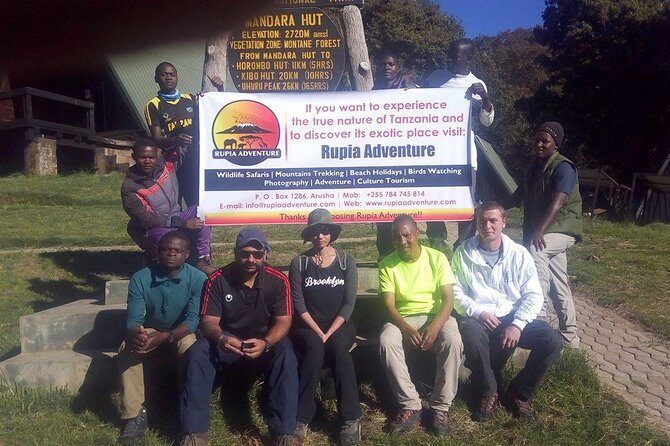
Rupia Adventure has built a reputation on service consistency, with experienced staff and a personalized approach. What stands out in the feedback is how much the guides shape the vibe on the mountain.
Names that show up in the guidance experience include Meshack and Maziku, who were described as fun, smiling, and strong through the acclimatization climb and Marangu days. If you’re wondering whether “professional” also means “pleasant,” this is a useful signal. Good guide energy doesn’t erase altitude, but it does reduce the mental drag.
Other guidance names include Franky, who was praised for knowing the mountain well and sharing tips along the way. And John and Julius were noted for being professional and strong, with guides and porters running a smooth operation.
Another practical point: the group size is capped at 15 travelers. That’s not massive. It tends to keep logistics manageable while still giving you a group atmosphere without turning the trail into a crowded highway.
Mobile tickets are part of the setup too. That helps when you’re juggling passports, schedules, and early mornings.
Price and value: is $1,500 per person fair for Marangu?
At $1,500 per person, you’re paying for more than a route map. This climb includes airport pickup, hut-based trekking structure, guide leadership, and the day-by-day plan that takes you from rainforest to crater rim. It also includes the gear check at the start and the ability to rent missing equipment on Day 1.
You also get meaningful in-trip comforts built into the schedule: warm meals at Kibo during the summit phase and warm lunch at Mandara on the descent. Those meals are part of what makes this route workable for many people, because they reduce the uncertainty of what you’ll eat at altitude.
Now the honest part. Trekking on Kilimanjaro is physically demanding and weather-dependent. If the attempt can’t happen due to conditions, the experience may shift dates or refund in full. And if you cancel for reasons other than the listed weather rules, the policy is strict: it’s non-refundable and can’t be changed.
So is it good value? For me, the answer is yes if you want a guided, organized Marangu trek with Moshi transport and a summit-focused schedule. If you’re the type who hates early starts, cold midnight climbs, and long down-to-up transitions, then no price can fix that.
Who should choose the Marangu 5-day route (and who should reconsider)
Most travelers can participate, and Marangu is often chosen because it uses a hut circuit rather than camping. That can make the experience feel more structured and easier to manage.
This trek fits best if you:
- Want guided support and clear checkpoints
- Are okay with a midnight summit start and a long, tough Day 4
- Like having named landmarks and hut stops rather than “we’ll see” pacing
You might reconsider if:
- You know you struggle with endurance days or you tend to push too fast early
- You’re not comfortable with cold nighttime climbing at high altitude
- Your schedule is so tight that an unavoidable weather-related change would ruin your trip
Good weather is required for this experience. That’s not just fine print. It’s part of the mountain.
Should you book Rupia Adventure for Kilimanjaro by Marangu?
If you’re planning a Marangu route and you want a climb that’s organized from airport pickup through hut days and back to Moshi, this is a strong option to consider. I’d book it if you value a guide-led approach, appreciate hut-based structure, and like the idea of a summit plan that hits sunrise around Gillman’s Point before pushing to Uhuru Peak.
It’s also a good fit if you want a company that clearly works through real-world details like an equipment check on Day 1 and a small group size capped at 15. Those are the things that reduce stress when your brain is already busy with altitude.
Just be honest about the effort. Day 4 and the summit night are not gentle. If you can accept that upfront, you’ll be in the right mindset to enjoy the payoff—views over Mawenzi and Kibo, the sunrise warmth at the crater rim, and that warm meal waiting when you finally come down from the edge.
FAQ
How much does the 5 Days Marangu Route cost?
The price listed is $1,500.00 per person.
Where is the trek based, and do you get picked up?
The experience is in Arusha, Tanzania. You’ll be picked up at Kilimanjaro International Airport and transferred to Moshi town, where you meet your guide and do an equipment check.
How many days is the trip, and how many days are on the mountain?
The overall duration is about 7 days. The trekking portion runs across Days 2 through 6, with Day 7 left free for winding down and travel.
Do you handle equipment if I’m missing something?
Yes. On your first day in Moshi, you’ll do an equipment check with your guide, and any missing gear can be rented on that day.
What’s the group size limit?
The group has a maximum of 15 travelers.
When does the summit attempt happen, and what time do you reach Uhuru Peak?
The final ascent begins around midnight. At sunrise you reach Gillman’s Point (about 5,681m), and Uhuru Peak (about 5,895m) is reached after an additional 1 to 2 hours.
Where do you stay during the trek?
You’ll sleep at mountain huts on the route, including Mandara Hut, Horombo Hut, Kibo Hut, and then back down through Mandara Hut again on descent.
What happens if the trek is canceled due to poor weather?
If it’s canceled due to poor weather, you’ll be offered a different date or a full refund.
Is the booking refundable if I cancel for any reason?
No. This experience is non-refundable and cannot be changed for any reason. If you cancel or ask for an amendment, the amount paid will not be refunded.