REVIEW · ARUSHA
5 Day Serengeti, Tarangire, & Ngorongoro & Manyara Grass Root Safari.
Book on Viator →Operated by Signature Safari · Bookable on Viator
Every safari in Tanzania starts with a drive.
This one is a tight Northern Circuit route that strings together four of the big-name parks in just five days, from Tarangire elephants to Ngorongoro’s crater game-viewing. I like that you get real variety fast: river-life in Tarangire, the Serengeti Plains migration country, the steep wow-factor of Ngorongoro, then the flamingo-and-bird stage of Lake Manyara.
I also like how the trip is run like a team effort. Guides such as Innocent, Apollo, Sulley, David, and Opolo show up in feedback as friendly, helpful, and focused on making sightings happen, and the chef gets real credit for breakfast and dinners.
One thing to think about: the schedule is active. You’ll face an early crater start and a bumpy descent, and the whole trip depends on good weather since the parks need visibility for the best drives.
In This Review
- Key highlights you’ll actually feel
- The Northern Circuit shortcut: how this route gives value
- Day 1: Landing at Tarangire and going straight to the elephants
- Day 2: Through Ngorongoro Conservation Area to Serengeti Plains
- Day 3: Serengeti Endless Plain day and the bird list you’ll remember
- Day 4: The 0600 crater descent and hippo pools picnic
- Day 5: Lake Manyara flamingos and a final wildlife burst
- Guides and service: why this safari earns such high marks
- Food and timing: the safari rhythm you’ll feel day to day
- Park-by-park what to hope for (and what to accept)
- Price and value: where $1,100 tends to be fair
- Who should book this, and who should think twice
- Tips to make your sightings better (without trying too hard)
- Should you book Signature Safari’s Northern Circuit budget safari?
- FAQ
- What time does the tour start?
- Where does this safari operate from?
- Which parks are included in the 5 days?
- How long is the trip?
- Is pickup included?
- How large is the group?
- Do you provide tickets on a phone?
- Are service animals allowed?
- Can most people participate?
- What happens if weather is bad?
- Is there a cancellation refund window?
Key highlights you’ll actually feel
- Four parks in five days with minimal backtracking.
- Small group size (max 7) for a smoother rhythm and easier spotting.
- Ngorongoro Crater early descent for a strong chance at rhino and lots of activity.
- Serengeti migration country plus serious big-cat odds on the Plains.
- Lake Manyara birding and flamingos to balance the mammal-heavy days.
- Service reputation: pickup, guiding, and chef-led meals praised again and again.
The Northern Circuit shortcut: how this route gives value
If you want a classic Tanzania mix without spending a week in a vehicle, this route makes sense. You start close to Arusha and build outward through Tarangire, then Serengeti, then down into Ngorongoro, and finally end at Lake Manyara. The park spacing matters because you’re not wasting days on long cross-country transfers.
This is also a smart way to experience different kinds of animal “stages.” Tarangire tends to concentrate big mammals around water and river corridors. Serengeti opens into wide open spotting on the Plains. Ngorongoro funnels wildlife into a compact natural amphitheater. Then Manyara shifts the focus toward birds and shoreline-style wildlife.
At about $1,100 per person (for a five-day package), the big value isn’t just price. It’s that the trip is structured for efficiency: park time is front and center, and service like pickup and drop-off support keeps the logistics from turning into a headache.
A few more Arusha tours and experiences worth a look



Day 1: Landing at Tarangire and going straight to the elephants
Your safari day kicks off with a meet-and-greet at the airport or your hotel, then a drive toward Tarangire National Park. The route is described as good tarmac for the transfer, which helps you settle in and reduces that first-day “travel fatigue.” Once you’re in, you go right into game drives.
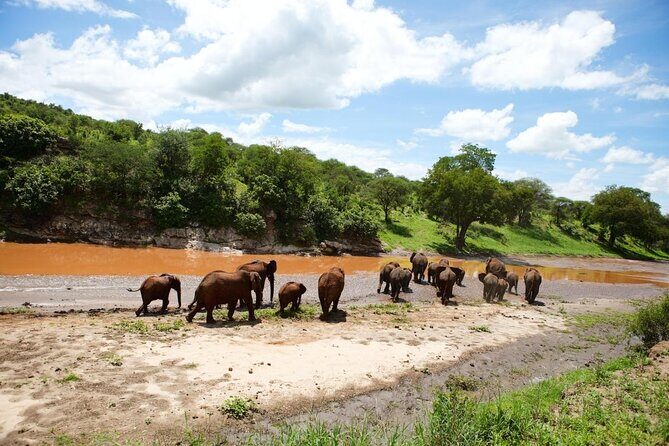
Tarangire is famous for elephants, and the reason is plain: the Tarangire River feeds the area and pulls wildlife in to drink. Expect a real chance at elephants, plus common big-park sightings like giraffe, zebra, buffalo, and wildebeest.
One detail I like here is that your guide doesn’t just “drive around.” The plan is framed around where animals concentrate, especially near water. That’s the difference between random sightings and consistent viewing. Some itineraries in Tanzania scatter your time; this one tries to aim it.
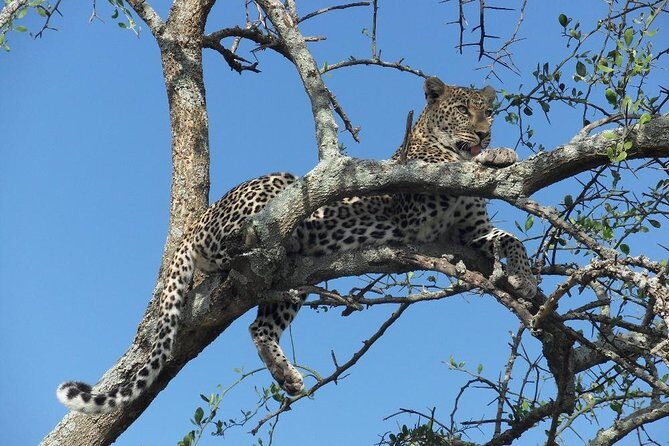
You may also get lucky with predator possibilities. Feedback highlights that guides help you find animals and do their best to show a range of species, and leopard sightings are mentioned as a possible highlight.
Day 2: Through Ngorongoro Conservation Area to Serengeti Plains
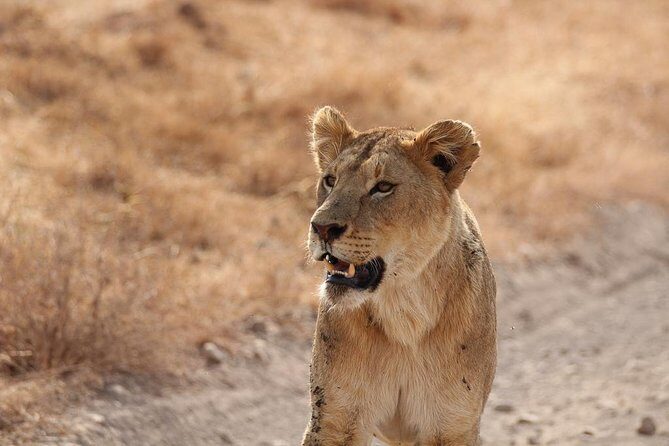
After breakfast, you travel toward the fertile highlands where crops are grown by the Iraqw people, and then you pass through the Ngorongoro Conservation Area. This part of the drive is useful because it sets up the contrast: from farms and highlands to the huge openness of Serengeti.
A major moment is the crater view from the way in, before you continue onward to Serengeti National Park. You reach the Serengeti by midday, with the “Serenget, Endless Plain” feeling once you’re on the Plains route.
Serengeti is huge—described as about 15,000 square kilometers—and that size matters for your expectations. You’re not looking at a tiny reserve where everyone piles into one spot. You’re scanning a big working system, with plains, swamps, lakes, and savannah patterns. That’s part of the magic of the migration country.
In practice, it means your guide’s planning and patience matter. You’ll want someone who can read the grass, the distance, and the animal behavior. The feedback on guides across Signature Safari repeatedly points to that kind of focus.
Day 3: Serengeti Endless Plain day and the bird list you’ll remember
Day 3 is built around being out on the Endless Plain after breakfast. The trip description points to the Plains as home to over three million large mammals. That’s a big claim, but even without crunching numbers, the intention is clear: this day is your main “numbers and movement” shot.
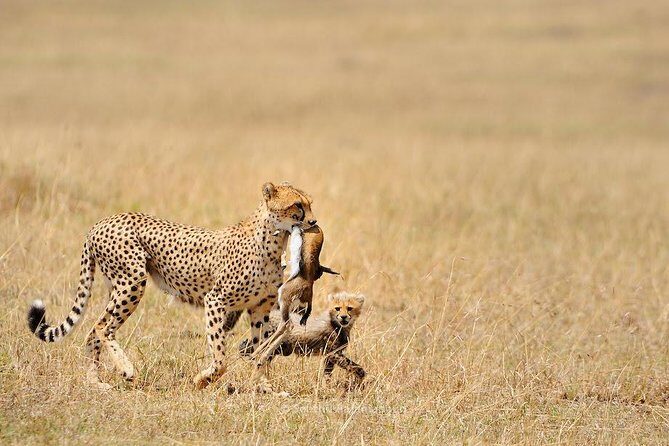
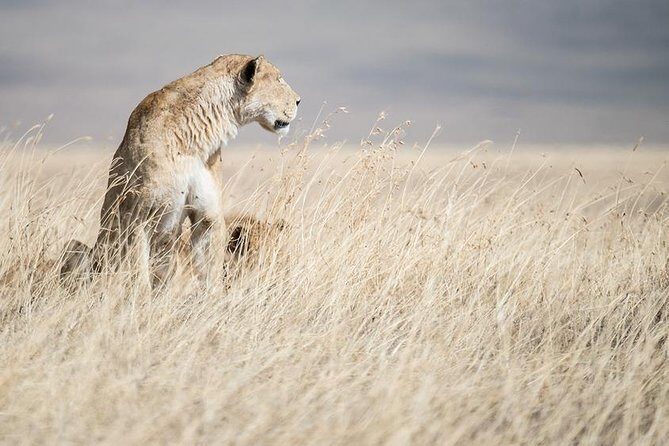
Your viewing mix includes the migration-minded animals—wildebeest, zebra, and antelope—plus the chance of cheetah, lion, leopard, and buffalo. You also get a long list of supporting species like hartebeest, topi, eland, and gazelles, plus crocodiles where relevant.
Now for something practical that many safari schedules ignore: birds. Serengeti is described as having over 500 bird species, with examples like secretary bird and ostrich, plus the kori bustard called out as the largest flighted bird on Earth. If you like wildlife beyond the big mammals, this is a standout day.
Later in the day, you’re driving toward the crater rim for dinner and overnight. The plan mentions an overnight at a Simba public campsite at a comfort adventure camp level, so you’re getting the camp experience without the whole trip turning into roughing it.
Day 4: The 0600 crater descent and hippo pools picnic
This is one of the most important days in the entire circuit because it’s the day you enter Ngorongoro Crater. You start early—rising at 0600—and then you descend a bumpy, winding track into the crater. If you’re sensitive to rough roads, this is the day to take it slow and settle in.
The payoff is that the crater is a concentrated wildlife bowl. The plan describes quick opportunities to see animals after you descend, including wildebeest, zebra, gazelle, elephants, and a good slice of the many bird species in the area. The itinerary specifically calls out the possible sighting of the endangered black rhino through the grass, which is the kind of moment safari dreams are made of.
At midday, you have a picnic lunch at the hippo pools, then more game viewing inside the caldera in the afternoon. That structure is smart: crater days work best when you’re not rushing straight through a single time window. Here you get morning and afternoon chances.
Afterward, you head back up into the highlands and drive to Manyara for the next phase of the safari. You may feel the rhythm shift: Ngorongoro is intense and compact; Manyara is more about a different style of wildlife viewing.
A few more Arusha tours and experiences worth a look


Day 5: Lake Manyara flamingos and a final wildlife burst
Your last day is centered on Lake Manyara National Park, with a drive of about 130 km on good tarmac. The plan includes a picnic lunch onboard, and along the way you pass Maasai people tending cattle by the roadside while you watch Rift Valley scenery roll by.
Manyara’s big “wow” is birds—especially flamingos. The itinerary calls out a dizzying sight of flamingos and also notes a wide set of wildlife like lion, hippo, elephant, zebra, buffalo, giraffe, baboon, and blue and vervet monkeys. Even if the mammals are quiet for a stretch, birding keeps you busy.
The plan also emphasizes another high-bird-count angle: over 400 species of bird in the park. That matters if you want a safari that doesn’t turn into only animal guessing. If you’re the type who likes spotting details—feathers, behavior, calls—Manyara is a strong closer.
Logistically, your exact end point isn’t spelled out in the core schedule, but the overall safari flow is designed so you finish this park day and then move on from the circuit.
Guides and service: why this safari earns such high marks
The biggest theme in feedback is service reliability. Pickup gets mentioned as smooth, questions get answered, and the team takes care of the day-to-day flow so you can focus on wildlife. People also highlight that the company feels trustworthy and that the program is followed.
Guides come through repeatedly by name, including Innocent, David, Apollo, Sulley, Marco, and Opolo. That doesn’t mean every guide does everything the same way, but it signals consistent attention to guiding quality.
Language support is a nice bonus when available. One traveler mentions that even without requesting an Italian-speaking guide, their guide also spoke Italian. So if language matters for you, it’s worth asking during booking what languages your guide can support.
Chef praise shows up a lot too. Multiple comments credit the chef with really nice breakfast and dinners, and that’s not a small thing. After long drives and long viewing days, good food is what helps you keep energy for the next park.
Group size is capped at 7 travelers, which usually helps with calmer drives and fewer “everyone squeeze out the same spot” moments.
Food and timing: the safari rhythm you’ll feel day to day
Even without a detailed menu list, the structure tells you how meals work. You start days with breakfast, you get picnic lunch while on the move (especially on the crater day and final Manyara drive), and you return in time for dinner back at camp.
That matters because safari days often fail when meals are a last-minute scramble. Here, the schedule builds meals into the driving blocks. You’re less likely to feel hungry at the worst possible moment—right when the animals start acting up.
Also, your time outdoors is the main event, so “when” you eat is as important as “what.” The plan’s pacing aims to keep you in prime viewing windows for Tarangire, Serengeti, and the crater.
Park-by-park what to hope for (and what to accept)
This trip is positioned as a Northern Circuit classic, which means you should aim for standout wildlife, but also accept that sightings aren’t guaranteed.
Still, the odds are built into the route:
- Tarangire is elephant territory because of the river-driven draw to water.
- Serengeti Plains are the best place on this trip for migration-country sightings and big-cat action.
- Ngorongoro concentrates animals and makes dense viewing more likely, including the possible black rhino moment.
- Manyara gives you flamingos and bird-rich viewing, plus a chance at lions and hippos.
Some feedback even mentions Big Five sightings. That’s encouraging, but I treat it as a “possible outcome,” not a promise. Your best strategy is to choose a trip that gets you into the right areas on the right days—which this one does.
Price and value: where $1,100 tends to be fair
At $1,100 per person for roughly five days, this is in the budget-safari category for a four-park circuit. The value isn’t just the low sticker price; it’s what the package seems to include in practice.
From the trip description, you get:
- Pickup offered from the airport or hotel
- A safari guide and driver handling the driving and guiding
- Park days across Tarangire, Serengeti, Ngorongoro, and Manyara
- Mobile ticket
- Meal structure (breakfast, picnic lunch, and dinners are repeatedly referenced)
What you should do when you book is confirm what’s included versus what’s paid separately, especially around park entry fees and camping or lodge fees. Those details aren’t listed in the provided information, and they can swing the real value a lot.
Even so, the consistent feedback about organization, pickup/drop-off, and team performance suggests you’re not just buying miles of driving. You’re buying a working plan, and that’s what you want when you’re spending days in the wild.
Who should book this, and who should think twice
This safari fits you best if:
- You want the Northern Circuit highlights without a long, slow trip.
- You like being out on game drives with a small group.
- You value a team that handles the flow, including meals and daily logistics.
- You want both big mammals and strong bird time.
Think twice if:
- You’re not happy with early mornings and bumpy terrain. The crater descent is described as winding and bumpy.
- You get miserable in vehicles for long stretches. Even with good tarmac on some transfers, there’s still a lot of driving.
- You need lots of downtime. This is a packed, active circuit.
The trip also says most travelers can participate, which is a good sign for general fitness level, but it doesn’t erase the practical reality of crater timing and long days.
Tips to make your sightings better (without trying too hard)
Safari success is partly luck, but you can stack odds.
- Bring layers. Early starts and crater air can feel very different from midday warmth.
- If you care about birding, bring binoculars and use your camera thoughtfully so you don’t miss the smaller action.
- On crater day, be ready for a long viewing block after lunch. The best moments often show up when you stop rushing.
- For language support, ask ahead about what languages your guide speaks. One guide in feedback also spoke Italian, even when it wasn’t requested.
Also, focus your expectations on behavior, not just presence. Big cats and rhinos are often about timing—what the animal is doing, not just where it is.
Should you book Signature Safari’s Northern Circuit budget safari?
I’d book it if you want a well-run, small-group circuit that covers Tarangire + Serengeti + Ngorongoro + Lake Manyara in about five days, at a price that doesn’t require a massive luxury budget. The service reputation is the big green flag: pickup support, friendly guides by name, and a chef who’s doing real work to keep you fueled.
I would hesitate if you’re extremely prone to motion sickness or you hate early mornings. This circuit is built around the best game-viewing windows, and that means starting the day on schedule and pushing through crater terrain.
If you’re flexible, this is exactly the kind of trip that leaves you with variety: elephants by a river, plains full of movement, crater viewing that feels like a natural amphitheater, and flamingos closing the loop.
FAQ
What time does the tour start?
The meeting point lists a start time of 8:30 am.
Where does this safari operate from?
The tour is based around Arusha, Tanzania, with pickup offered from the airport or hotel.
Which parks are included in the 5 days?
This safari covers Tarangire National Park, Serengeti National Park, Ngorongoro Crater/Highlands area, and Lake Manyara National Park.
How long is the trip?
It runs for 5 days (approximately).
Is pickup included?
Yes. Pickup is offered, and your guide and driver meet you at the airport or hotel.
How large is the group?
The tour has a maximum of 7 travelers.
Do you provide tickets on a phone?
Yes, the tour includes a mobile ticket, with confirmation received at booking.
Are service animals allowed?
Yes. Service animals are allowed.
Can most people participate?
The tour states that most travelers can participate.
What happens if weather is bad?
This experience requires good weather. If it’s canceled due to poor weather, you’ll be offered a different date or a full refund.
Is there a cancellation refund window?
There is free cancellation: you can cancel up to 24 hours in advance for a full refund, and within 24 hours you won’t get a refund.