REVIEW · ARUSHA
4 Days Tanzania Group Joining Safari with Mid-range Accommodation
Book on Viator →Operated by Tanzania Serengeti Safaris · Bookable on Viator
A four-day safari in Tanzania can feel like pure speed. This one lines up Tarangire, Serengeti, and Ngorongoro Crater in a smart route that’s built for value and for meeting other people. I especially like that meals and park fees are handled and that the trip still aims for top wildlife moments, including the crater’s famous game viewing. The main catch? You start early, with a 6:00 am departure, and the days are long drives.
What makes this experience practical is the structure: a professional driver/guide, pickup offered, and a day-by-day plan that keeps you moving between the big-name parks without needing to arrange anything. I also like that the lodging is described as mid-range, so you’re not booking the cheapest option that cuts comfort, but you also aren’t paying for luxury. One consideration: with a group joining model (max 200 travelers), your pace and vehicle setup can be more fixed than a private safari.
If you want Tanzania’s wildlife with a social vibe and you’re okay with early starts and steady travel days, this circuit makes a lot of sense. Just pick your expectations right: in 4 days you’re not doing “everywhere at once,” you’re focusing on the most famous wildlife zones—and that’s exactly where the best odds are.
In This Review
- Key points to know before you go
- A 4-day Arusha circuit that packs the Big Wildlife Hits
- Day 1: Tarangire’s elephants, baobabs, and a night in Mto wa Mbu
- Day 2: Serengeti arrival through changing seasons and migration routes
- Day 3: Sunrise game drive, predator chances, and the crater rim overnight
- Day 4: Descending Ngorongoro for Big Five viewing and a picnic lunch
- Mid-range lodges and included meals: comfort that keeps the focus on wildlife
- Group joining safari: making friends, managing the early mornings
- Price and value: what $1,283 covers and what you’ll pay separately
- Who this safari suits best (and who should reconsider)
- Should you book this 4-day group safari from Arusha?
- FAQ
- What time does the safari start, and where?
- Is pickup included?
- Which national parks and areas do you visit?
- What kind of accommodation do you stay in?
- Are meals included?
- Is Big Five viewing part of the plan?
- What’s not included in the price?
- What happens if I cancel or the weather is bad?
Key points to know before you go
- Tarangire’s elephants: often the standout, with large herds and classic baobabs
- Serengeti migration timing matters: the park’s famous movement shifts by season
- A sunrise game drive: gives you another shot at predators and big sightings
- Ngorongoro’s steep descent: it’s a 600m-deep caldera with dense wildlife
- Mid-range lodges + full meals: breakfast, lunch, dinner, and drinking water included
- Group joining format: great for meeting people, but less flexible than private
A 4-day Arusha circuit that packs the Big Wildlife Hits
This is the kind of safari route that helps you get your bearings fast. You start in Arusha, then cycle through three of Tanzania’s headline systems: Tarangire’s elephant country, Serengeti’s predator-and-migration fame, and Ngorongoro’s crater ecology.
The value here is mostly in what’s included. You’re not just paying for the vehicles and the parks—you’re also covered for meals (breakfast, lunch, dinner on the scheduled days) and drinking water, plus all fees and taxes. That matters because safari costs add up fast when you’re constantly paying entry fees, food, and on-the-go extras.
A few more Arusha tours and experiences worth a look
Day 1: Tarangire’s elephants, baobabs, and a night in Mto wa Mbu
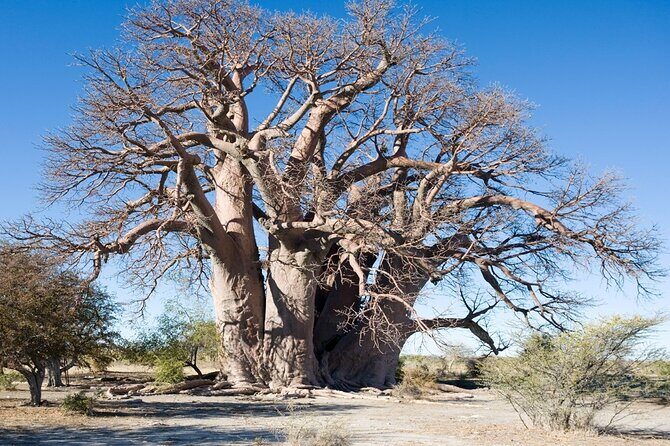
Your first morning begins with a drive into Tarangire National Park. The park is about 2,600 km², which is big enough to feel like real wilderness rather than a quick stop. Expect savannah scenery, seasonal swamps, and those iconic giant baobab trees that make photos look dramatic even when you’re doing nothing but waiting for wildlife.
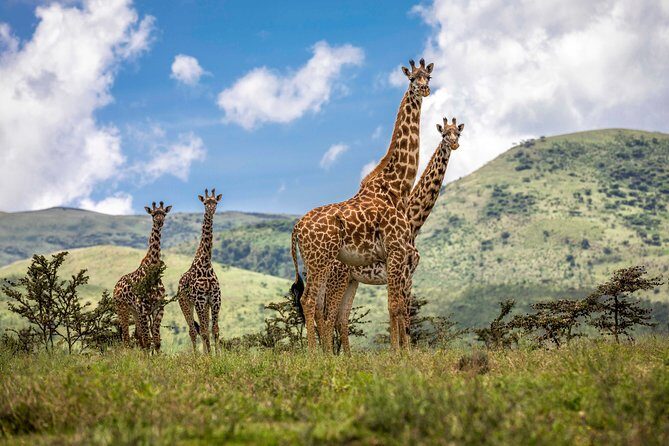
Tarangire’s reputation is all about elephants. The area is known for herds that can be huge—up to around 300 animals—so your odds of seeing them close up are strong compared with many other stops. You’ll also have chances for Masai giraffes, buffalo, and a range of antelope species, plus the park’s big bird count (over 550 species).
After the game drive, you drive to Mto wa Mbu (Manyara) and spend the night in a mid-range lodge. This is a smart placement: it gives you a night outside the heaviest travel loop so Day 2 feels more like a continuation than a restart. If you don’t love long road time, this is one of the quieter transitions on the whole itinerary.
Day 2: Serengeti arrival through changing seasons and migration routes
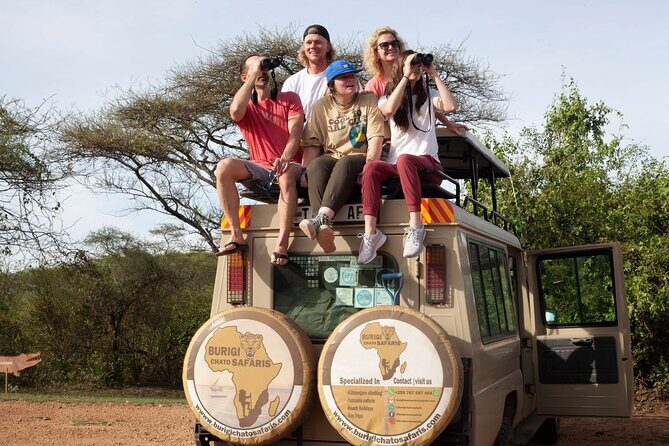
On Day 2, you leave Mto wa Mbu and head toward Serengeti National Park. The drive crosses “highland” country first, and then you move into Serengeti’s mix of grass plains, dry savannah, marshy woodlands, and rocky pockets. That variety matters because different wildlife shows up in different micro-areas.
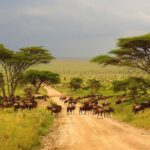
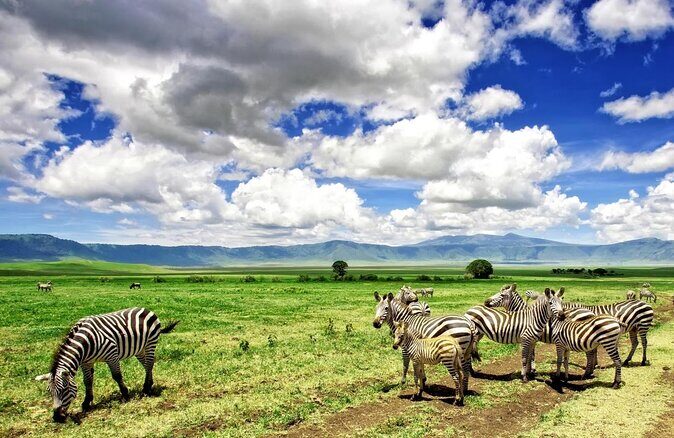
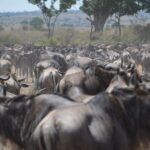
The headline story in Serengeti is the migration. Depending on the time of year, you might catch the movement of wildebeest and zebra as herds travel between regions. During the short rainy season of November and December, herds move from the hills in the north to the southern plains. During the longer rainy season from April to June, the pattern reverses and herds return toward the north.
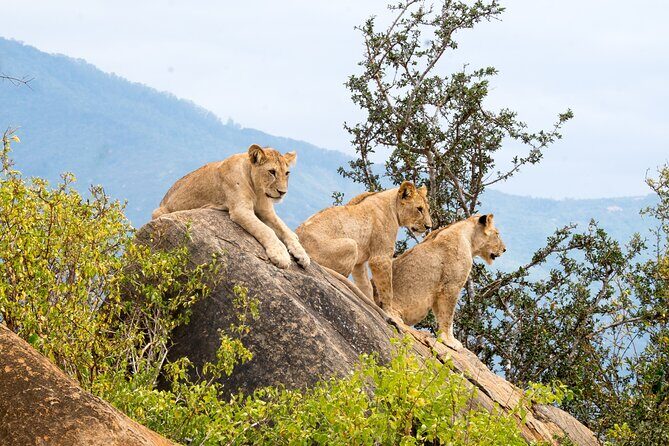
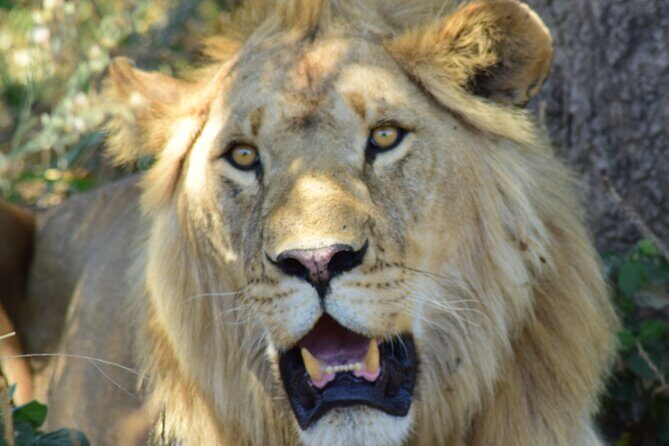
Even if you don’t see the migration in full force, Serengeti is still prime predator country. With lots of prey species around—like gazelles and impalas—lions and other predators typically have steady opportunities to be seen. So the day works whether your trip’s timing lines up perfectly or not.
Day 3: Sunrise game drive, predator chances, and the crater rim overnight
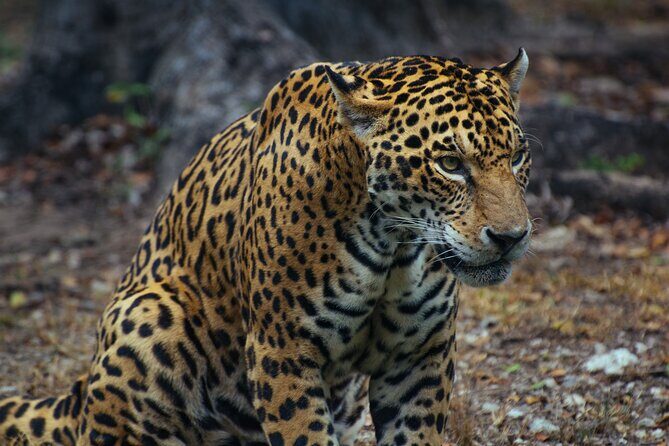
Day 3 starts at sunrise, which is one of the smartest ways to experience Serengeti. You head out on your first game drive of the day as the plains wake up, then return to the lodge for breakfast before leaving Serengeti for Ngorongoro.
This is also when the “real safari rhythm” kicks in. In early light, you tend to get better visibility and often more active animal behavior. The route’s logic is simple: you maximize your morning chances, then you transition to the crater before sunset.
The overnight location is on the crater’s edge, in a lodge setup aimed at letting you watch the day end from above. The crater rim views are part of the magic here—especially with the glowing conditions at sunset and the idea that the collapsed volcano’s floor is alive with springs below. You’ll go from savannah drives to a more enclosed caldera ecosystem by the end of the day, and that contrast is what makes this itinerary feel like more than “three parks in a row.”
Day 4: Descending Ngorongoro for Big Five viewing and a picnic lunch
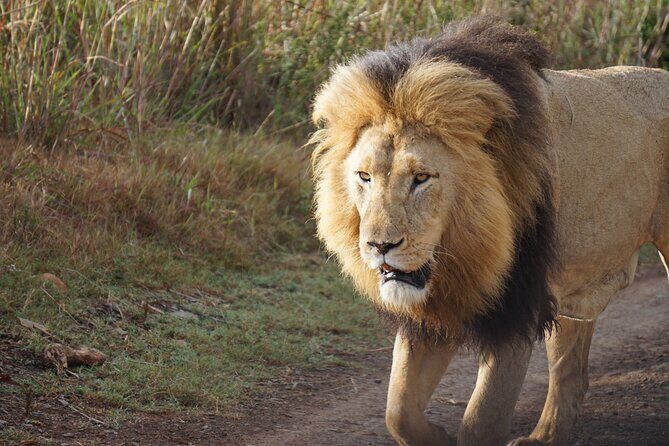
Your final day is the crater day: an early breakfast, then a steep descent on a narrow road down into Ngorongoro Crater. The crater is described as a 600m-deep caldera, and you feel that. It’s not just a scenic viewpoint; it’s a wildlife container that concentrates animal activity.
Inside the crater, you’ll have a chance at a wide range of species. The schedule specifically points to zebras, hippos, hyenas, wildebeests, and warthogs, and it also names the famous Big Five: buffalo, rhino, lion, elephant, and leopard. In practical terms, this is the day most people are aiming for—the crater’s density is what makes it so famous.
You’ll spend time for extensive game viewing, then stop for lunch at a picnic spot before heading back to Arusha in the evening. This gives you a full wildlife morning plus a structured meal break, which is helpful because crater mornings can feel relentless (in a good way). After lunch, the priority shifts to getting you back safely and on time.
A few more Arusha tours and experiences worth a look


Mid-range lodges and included meals: comfort that keeps the focus on wildlife
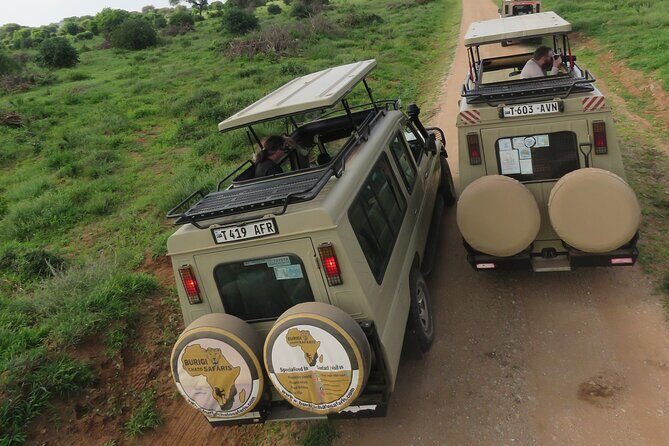
This safari is built around mid-range accommodation. That usually means you get clean rooms and real meals without paying for the top-tier “once-in-a-lifetime luxury” price tag. Your nights are split between Mto wa Mbu (after Tarangire) and the crater rim lodge (after Serengeti), so you’re not constantly changing hotels during short stays.
Meals are a strong part of the value. The tour includes breakfast on three days, lunch on four days, and dinner on three days, plus drinking water on all days. That’s not just convenience. On safari, food and water costs can add up, and included hydration helps you keep energy for longer viewing hours.
If you’re someone who doesn’t want to manage cash throughout the day, this setup is a plus. You can focus on the sightings instead of tracking the next meal stop. The only caution is that alcohol drinks and lodge beverages aren’t included, so you’ll want to plan for that if you drink.
Group joining safari: making friends, managing the early mornings
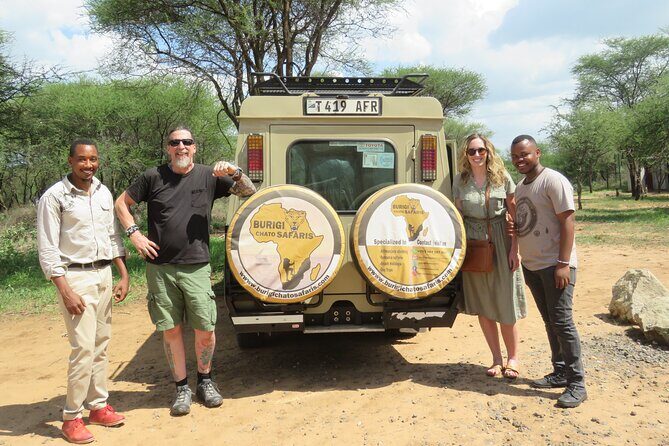
The big selling point for many people is the group dynamic. You’re doing a wildlife circuit where everyone is there for the same reason—wildlife—and that naturally creates conversation. With pickup offered and a professional driver/guide, the logistics stay simple: show up, go, and enjoy the ride.
Your start time is set for 6:00 am in Arusha, so mornings start early. If you’re sensitive to early wake-ups, this is the main thing to mentally prepare for. Also, the experience is capped at a maximum of 200 travelers; that tells you it’s not designed as a tiny private party. Practically, you should expect a schedule that runs like a coordinated safari program rather than a custom trip.
One smart move for group safaris is to plan for patience during drives. This itinerary is about covering three major wildlife areas, so travel time is part of the package. The payoff is that you don’t lose days arranging transport between parks.
Price and value: what $1,283 covers and what you’ll pay separately
At $1,283 per person, this isn’t a budget “cheap seats” safari, but it also isn’t positioned as luxury. The value comes from what’s included: all fees and taxes, all activities (as long as they’re not optional), a professional driver/guide, and meals and drinking water across the scheduled days.
For many first-time safari buyers, the hidden cost traps are park entries, guides, and food. This itinerary addresses those directly by including fees and meals. That’s why the price can make sense even if you compare it to piecing together separate components.
What’s not included is also clearly stated: tips to the guide, personal items and souvenirs, visa and medical insurance, and alcohol drinks and beverages at lodges. If you already budget for tips and you know you’ll want drinks, you can avoid surprise costs.
Also consider timing. This is commonly booked about 49 days in advance, which is a clue that it’s popular. If your dates align with migration season (or your preferred viewing window), you’ll want to lock in sooner rather than later.
Who this safari suits best (and who should reconsider)
This tour fits best if you want Tanzania’s classics—elephants at Tarangire, predator action and migration drama at Serengeti, and the concentrated wildlife viewing at Ngorongoro Crater—in only four days.
You’ll likely enjoy it if you:
- want a social safari where meeting people happens naturally
- prefer having meals and park fees handled in advance
- like structured game-drive days rather than DIY planning
It may be less ideal if you want total flexibility. With a set start time and a group joining model, you’re not swapping parks mid-trip or stretching days around your schedule. Also, since it requires good weather, you should be comfortable with the idea that conditions can affect operations.
Should you book this 4-day group safari from Arusha?
I’d book it if your priorities are clear: big wildlife zones, included meals, and a route that’s built around the most famous sightings without turning your trip into a logistics project. The itinerary gives you two Serengeti-focused days and then a crater day that’s explicitly set up for top wildlife viewing.
Before you decide, line up one key question: when are you going? If your dates fall near the migration windows (Nov–Dec or Apr–Jun), you’re more likely to experience the movement story that people associate with Serengeti. If not, you’re still doing Serengeti for predators and prey, plus Tarangire’s elephant strength and Ngorongoro’s dense crater wildlife.
If you’re traveling on a mid-range comfort level and you like the idea of sharing the journey with other safari lovers, this is a strong value pick.
FAQ
What time does the safari start, and where?
The safari starts at 6:00 am in Arusha, Tanzania. The activity ends back at the meeting point.
Is pickup included?
Yes. Pickup is offered.
Which national parks and areas do you visit?
You visit Tarangire National Park, Serengeti National Park, and Ngorongoro Crater.
What kind of accommodation do you stay in?
You stay in mid-range lodges, including one night in the Manyara area (Mto wa Mbu) and one night at a lodge on the crater’s edge.
Are meals included?
Yes. The tour includes breakfast (3 days), lunch (4 days), and dinner (3 days), plus drinking water on all days.
Is Big Five viewing part of the plan?
Ngorongoro Crater game viewing is described as including the Big Five (buffalo, rhino, lion, elephant, and leopard).
What’s not included in the price?
Not included are tips to the guide, personal items and souvenirs, visa and medical insurance, and alcohol drinks or beverages in lodges.
What happens if I cancel or the weather is bad?
The experience is non-refundable and cannot be changed. If it’s canceled due to poor weather, you’ll be offered a different date or a full refund.