REVIEW · ARUSHA
4 Days Serengeti, Ngorongoro and Tarangire Safari
Book on Viator →Operated by Congema Safaris · Bookable on Viator
Four days, three parks, big animals.
This safari route is built around Tanzania’s best wildlife stages: elephant country in Tarangire, the “endless plain” drama of Serengeti, and the surreal bowls of Ngorongoro. You get a 4×4 Land Cruiser, picnic-style lunches for park days, and full-board lodge stays so you can focus on spotting wildlife instead of juggling logistics.
I like that the plan starts early from Arusha (meeting at 6:00 am) and keeps you on the move with smart driving windows. I also like that park fees and taxes are included, with admission tickets handled for you, so the trip feels simpler than many “pay-as-you-go” safaris. One consideration: the days involve serious road time between parks, so expect long drives and early starts.
In This Review
- Key highlights worth your attention
- Price and value: what $2,458 really buys you
- Your starting point in Arusha: early pickup at 6:00 am
- Day 1: Tarangire National Park for elephants and birds
- Day 2: Serengeti National Park for Big Five odds on the plains
- Day 3: Serengeti Seronera area, then down to Karatu and the Ngorongoro zone
- Day 4: Ngorongoro Crater early drive and return for onward plans
- Accommodation style: what “full-board” means on safari
- The driving setup: 4×4 Land Cruiser and real viewing time
- Wildlife expectations: how to set your sights for the Big Five
- Guides and service: attentive humans make the difference
- What to budget beyond the included package
- Who this safari suits best
- Should you book this 4-day Tarangire, Serengeti, and Ngorongoro safari?
- FAQ
- What time do you start and where do we meet in Arusha?
- Which parks are included in the 4-day safari?
- Are park fees and admission tickets included?
- What meals are included during the safari?
- How much should I tip?
- Can I get a refund if I cancel?
Key highlights worth your attention
- Tarangire’s quiet, off-the-main-route game drives for a calmer wildlife feel
- Serengeti’s resident animals and prime Big Five chances in long open-plains viewing
- Ngorongoro Crater’s early drive when the light and animal activity tend to be best
- Full-board stays included (breakfast, lunch, dinner), with picnic lunches during park time
- Attentive guide vibes from Congema’s team members like Johnny, Samuel, Emmanuel, and Charles
- Budget for tipping with a guidance of US$20 per person per day
Price and value: what $2,458 really buys you
At $2,458 per person for about 4 days, you’re paying for more than just rides and bed nights. The included package covers transport in a 4×4 Land Cruiser, park fees and taxes, and accommodation with breakfast, lunch, and dinner for all safari days. In practice, that matters because wildlife holidays can get pricey fast once you add park entry, guided time, and meals.
This is also a route that hits three different ecosystems in quick succession. Tarangire is known for elephants and birds, Serengeti for high-probability predator and herd encounters, and Ngorongoro for crater wildlife density. When a safari compresses these areas into a short window, it’s usually a value play for first-timers who want the main acts.
The main thing to watch is the pacing. You’ll spend plenty of hours on the road between parks (more on that below), and safari days often mean early mornings and long stretches watching from a vehicle. If you want lots of downtime, a shorter or more relaxed itinerary might fit better.
A few more Arusha tours and experiences worth a look
Your starting point in Arusha: early pickup at 6:00 am
You’ll meet in central Arusha at the Verona Advocates & Associates city complex on Swahili St (23102), and the start time is 6:00 am. That early departure is not just a schedule quirk; it’s the whole safari mindset in Tanzania. Wildlife activity often rewards morning starts, and you avoid losing good viewing time to late arrivals.
This also affects how you plan your travel days. If you’re flying into Kilimanjaro (JRO) the day before, build in extra buffer time for Arusha traffic and check-in. If you’re arriving the same morning, you’ll want a very safe plan because you’re starting early.
Day 1: Tarangire National Park for elephants and birds
Tarangire starts with a morning drive from Arusha (about 120 km, roughly 2 hours). After breakfast, you’ll receive picnic lunch boxes and head into the park, where your driver handles the government procedures before you start game viewing.
Tarangire is often described as a calmer park in northern Tanzania, and this itinerary leans into that. The game drive is also noted as being on routes slightly off the main safari path, which can feel less hectic than the most crowded corridors. That matters if you want comfortable viewing moments without constant stop-and-go crowd energy.
What to expect here is a mix of large mammals and bird life. Elephants are the headline, but Tarangire is also a strong choice for birders and for anyone who likes seeing wildlife beyond the Big Five. You’ll do a full day game drive, then drive to your camp or lodge for evening downtime and overnight.
Accommodation and meals: full board, with breakfast, lunch, and dinner included. The day is long, but Tarangire’s quiet rhythm makes it feel like a welcome warm-up.
Day 2: Serengeti National Park for Big Five odds on the plains
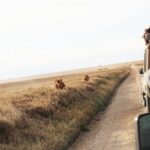
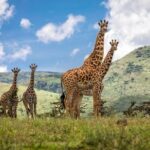
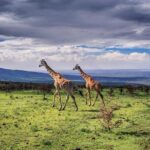
Day 2 is a longer transfer from Tarangire to Serengeti: about 205 km, around 4.5 hours. After breakfast, you head for Serengeti National Park, often called the Endless Plain. This is the Serengeti feeling most people dream about: wide-open visibility, wildlife spread out across grasslands, and that constant sense that something is moving just over the next rise.
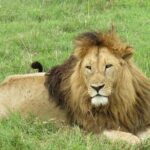
This day focuses on resident wildlife and Big Five potential. The Big Five listed for this safari are lion, leopard, elephant, rhino, and buffalo. Now, important reality check: seeing all five in one trip is never guaranteed. But this is a strong itinerary structure because Serengeti gives you repeated opportunities across long viewing hours.
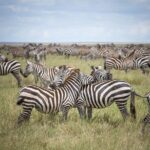
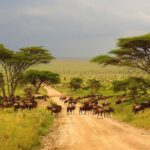
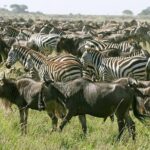
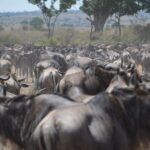
You’ll also be in the ecosystem described as home to large numbers of zebras and gazelles, linked to wildebeest grazing patterns. Even when you’re not watching migration drama, those herds shape where predators move. On a game drive day like this, the prey traffic helps write the predator story for you.
After the long day of safari, you drive to your accommodation for evening leisure and overnight. You stay in full-board comfort again, so you’re not hunting for meals after dark.
Day 3: Serengeti Seronera area, then down to Karatu and the Ngorongoro zone
Day 3 has two parts: another Serengeti viewing block and then a reposition to the Ngorongoro area for the crater day.
You’ll drive about 145 km (around 3.3 hours) and then spend time around the Serengeti Seronera area, described as a UNESCO world heritage site and famous for wildlife viewing. Seronera is often a solid place to base your Serengeti time because it’s known for good wildlife activity. The big idea here is repetition: you don’t just rush into Serengeti once, you get another day of viewing, which increases your odds of interesting encounters.
Then you drive in the evening toward Karatu and the Ngorongoro Conservation Area region. The goal is practical: crater viewing works best early, and you want to be close enough to start before the heat and crowds change the game.
Accommodation and meals: again full board, with breakfast, lunch, dinner included. That consistency really helps. When your meals and lodging are handled, you can focus on the driving windows and the wildlife.
A few more Arusha tours and experiences worth a look
Day 4: Ngorongoro Crater early drive and return for onward plans
Your last day is all about Ngorongoro Conservation Area and the Ngorongoro Crater. You take a morning drive from the area (about 245 km, around 4 hours noted) and go for an early morning game drive inside the crater.
Ngorongoro is described as a large highland area along the Rift Valley with the crater as the centerpiece. It was established for wildlife conservation and natural resource protection, while also considering the interests of indigenous people and promoting tourism. In other words, this is not just a show. It’s a protected system, and the scenery is part of the ecology, not just a background postcard.
Crater viewing feels different from the open plains. You go from huge horizons to a more enclosed, bowl-like setting where animals can appear surprisingly close. Early timing helps because animals often move more when temperatures are lower, and visibility can be better.
After the crater drive, you’ll return toward Arusha and/or for onward plans at Kilimanjaro International Airport. The tour also lists the end as returning back to the meeting point, so you can expect service that gets you back to your start area for the next leg of your trip.
Accommodation style: what “full-board” means on safari
The package includes all accommodation during the safari, plus breakfast, lunch, and dinner (4 of each across the 4 days). That means you’re not paying for meals separately or stopping at random places that might not fit safari timing.
One review notes a luxury tent stay at the end of the savannah, which gives you a hint that accommodations could be tented and high-comfort rather than only standard lodges. That said, the exact property is not spelled out here, so treat accommodation type as “likely comfortable safari lodging,” not guaranteed luxury branding.
What I think you’ll appreciate most is how little friction there is. The driver handles park procedures, your lunches are prepared in park-friendly format, and your day ends with a predictable dinner setup. On safari, that calm routine is half the enjoyment.
The driving setup: 4×4 Land Cruiser and real viewing time
Transport is via 4×4 Land Cruiser. That matters because safari roads can be rough and seasonal, and you’ll be doing multiple long hops between parks. The itinerary’s daily distances and drive times add up fast, so the vehicle comfort and driver skill are not small details.
Your driver also handles government procedures at the park gate. That can save you stress and wasted minutes. On an animal-focused day, those minutes matter.
Also, this is a private tour/activity, with only your group participating. So if your group includes someone who wants more photography time, or someone who needs slower pacing, you’re not stuck blending into a large mixed crowd.
Wildlife expectations: how to set your sights for the Big Five
This itinerary is designed for Big Five interest, especially in Serengeti. It lists lion, leopard, elephant, rhino, and buffalo as the Big Five targets.
Here’s the realistic way to think about it:
- Elephants and buffalo are often more likely sightings when conditions are right.
- Lions and leopards can be excellent when you hit the right timing, but leopard sightings especially depend on where they’re resting and how the day moves.
- Rhino sightings can happen, but you should treat them as a hopeful possibility rather than a checklist item.
The good news is that this safari spreads your viewing opportunities across multiple days and multiple zones. That’s how you reduce the chance of one slow day ruining the whole trip.
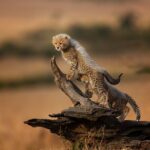
If you’re a birder or you love smaller wildlife moments, Tarangire’s bird emphasis and quieter feel give you more variety than a pure predator sprint. And that mix is often what makes the trip memorable after the adrenaline fades.
Guides and service: attentive humans make the difference
Congema Safaris is the operator, and the guides/drivers tied to this experience are described as attentive and focused on comfort and expectations. Names that show up in the feedback include Johnny, Samuel, Emmanuel, and Charles.
Even when the wildlife part is out of anyone’s control, the human side affects your day:
- Where your vehicle sits for viewing
- How quickly you adjust when animals move
- How well your guide reads the ground and tells you what you’re actually looking at
- How smoothly the logistics run between parks
I’d treat the guide quality as a core part of the value, not an optional bonus.
What to budget beyond the included package
Park fees, taxes, transport, and safari meals are covered. Your big additional line item is tipping. The provided guidance is US$20 per person per day.
If you’re traveling as a couple or group, that tip number is still straightforward to plan around. Just remember that a safari is a service-heavy experience: you’ve got driving, guiding, meal prep coordination, and gate process handling. A tip budget keeps the trip stress-free.
Also plan for personal spending like souvenirs and travel insurance. International flights aren’t included, and travel medical repatriation isn’t included either.
Who this safari suits best
This is a strong fit if:
- You want a classic first-timer Tanzania wildlife sweep in about 4 days
- You care about seeing a range of wildlife, not only one park
- You like having meals and lodging organized so you can stay focused on game drives
- Your group values a private setup and a dedicated driver-guide approach
It might be less ideal if you:
- Hate early mornings and long driving days
- Want a slower pace with lots of free time
- Are very sensitive to road travel between parks
Should you book this 4-day Tarangire, Serengeti, and Ngorongoro safari?
I’d book it if your priority is maximum wildlife variety with clear structure: Tarangire’s elephants and birds, Serengeti’s wide-open animal action on two days, then Ngorongoro Crater for that concentrated crater-feeling day. The included park fees, full-board lodging, and 4×4 transport make it feel like a complete package rather than a “safari starter kit.”
I’d think twice if you’re expecting zero long drives or you need a very flexible itinerary. This is a schedule-forward trip, and the pricing reflects that concentrated time in three major wildlife zones.
If you want the odds to work in your favor, pack patience and a good camera strap. Safari days are about timing. When you’re ready for that rhythm, this route is a very solid way to see Tanzania’s headline wildlife.
FAQ
What time do you start and where do we meet in Arusha?
You start at 6:00 am and meet at Verona Advocates & Associates city complex, Swahili St, Arusha 23102, Tanzania.
Which parks are included in the 4-day safari?
The safari includes Tarangire National Park, Serengeti National Park, and Ngorongoro Conservation Area, with an early morning game drive inside Ngorongoro Crater.
Are park fees and admission tickets included?
Yes. Park fees and taxes are included, and admission tickets are listed as free.
What meals are included during the safari?
Breakfast, lunch, and dinner are included during the safari days (4 breakfasts, 4 lunches, and 4 dinners).
How much should I tip?
Tipping guidance provided is US$20 per person per day.
Can I get a refund if I cancel?
No. The experience is non-refundable and cannot be changed for any reason.