REVIEW · ZANZIBAR CITY
Serengeti & Ngorongoro 3 days Fly Safari in from Zanzibar
Book on Viator →Operated by Serengeti African Tours · Bookable on Viator
Serengeti from the plane is a wow moment. This 3-day fly safari from Zanzibar is built for maximum wildlife time, with Serengeti game drives, then Ngorongoro Crater, plus a Maasai boma stop for culture. It starts and ends in Zanzibar, so you’re not losing days on long overland transfers.
I especially like two things: the way the schedule gives you both a sunrise drive and a later daytime drive in Serengeti, and the fact that everything you need to run the trip is bundled (guide, cook, 4×4 pop-up roof safari vehicle, meals, park fees, and flights). One thing to consider is that this is a tight timeline: you’ll move fast between parks, so it’s best if you’re comfortable with early starts and spending most of each day on the move.
Serengeti & Ngorongoro: Key Highlights at a Glance
- Fly-in saves time. You go from Zanzibar to the Serengeti area via Seronera Airstrip for earlier wildlife hours.
- Sunrise in Serengeti. Day 2 includes a morning game drive when predators are most active.
- Big scenery views before the crater. Day 3 starts at a panoramic viewpoint overlooking the caldera.
- Ngorongoro’s repeatable wildlife odds. You’re in a high-density ecosystem with chances at the Big Five, plus lots of hippos.
- Culture add-on in the middle of the safari. Day 2 includes a Maasai boma visit with dance, village tour, and market time.
- Meals and logistics handled. Breakfast, lunch, dinner, mineral water, park fees, and transportation are included, so you travel light.
In This Review
- Fly-In Convenience From Zanzibar to Seronera Airstrip
- Day 1 in Serengeti: Arrival Window and Afternoon Predator Time
- Day 2 Sunrise Serengeti, Ngorongoro Transfer, and the Maasai Boma Moment
- Day 3 Ngorongoro Crater: Viewpoints, Hippos, and Big-Five Odds
- Lodge or Tents, plus Meals: How the Comfort Pieces Fit Together
- Price and Value: Is $2,200 a Good Deal for a 3-Day Fly Safari?
- Your Guide and the Safari Experience: The Names People Remember
- Practical Tips: Timing, Comfort, and What to Pack
- Should You Book This Serengeti & Ngorongoro Fly Safari From Zanzibar?
- FAQ
- What does the safari include?
- How long is the Serengeti and Ngorongoro safari?
- Where does the safari start and end?
- Which wildlife areas do you visit?
- How do the game drives work on each day?
- What meals are included?
- Are park fees included?
- What should I pay for separately?
- Is the tour private or shared?
- Is free cancellation available?
- Is the tour suitable for most people?
Fly-In Convenience From Zanzibar to Seronera Airstrip
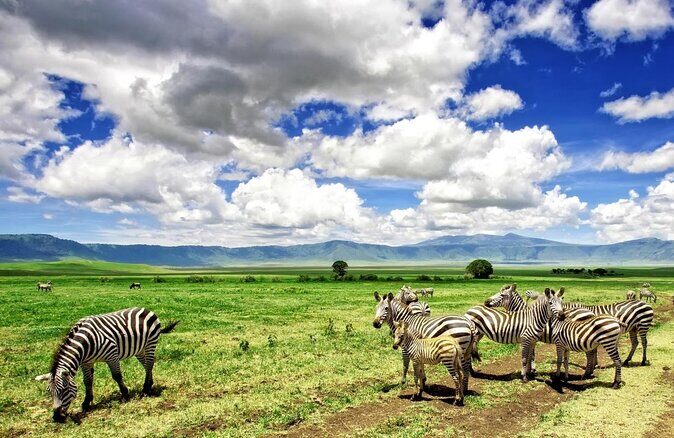
Here’s the big deal with this safari: you start and end in Zanzibar, and you fly directly into the Serengeti zone. That means you’re not spending your limited safari days wrestling with hours of driving just to reach the good stuff. When you’re on a 3-day trip, saving time is basically the whole strategy.
Your first landing point is Seronera Airstrip, and the plan is built around that. On Day 1 you arrive around 11:00 a.m., then you’re picked up by your guide and taken into the park for an afternoon game drive. You’ll get a picnic lunch planned for your arrival window, which keeps you from doing the usual safari shuffle of trying to eat later while everyone is hungry.
The Zanzibar start is also a comfort factor. You can focus on one trip instead of building a multi-stop itinerary across Tanzania. You’ll still need to confirm flight times with your operator (the itinerary includes a start time listed as 12:00 am, which can be confusing), but the core idea is clear: fewer road-hours, more animal-hours.
Day 1 in Serengeti: Arrival Window and Afternoon Predator Time
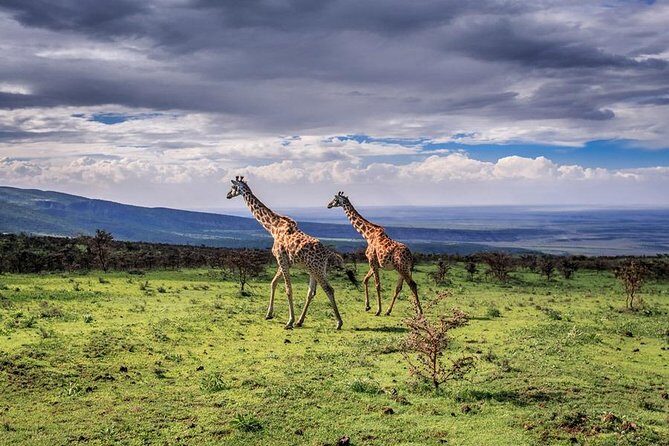
Day 1 is built like a “get in, get fed, then go hunt for cats” day. You land around 11:00 a.m. at Seronera Airstrip, meet your safari guide there, and then head out with a picnic lunch ready. The safari driving portion starts around 1:00 p.m., so you’re not waiting until late afternoon to begin spotting wildlife.
What I like about this setup is that it respects how safari spotting actually works. During the afternoon, you may see plenty of herbivores and lots of predator behavior as animals cross open grassland. Even if the peak predator moment is usually earlier or at sunrise, the Serengeti still delivers strong sightings in daylight.
You’ll spend about 6 hours on this first park portion, then drive back to camp or lodge time for dinner and overnight. The plan calls for Serengeti Heritage or a similar property, depending on availability. That flexibility matters because it helps keep the schedule smooth even when occupancy changes.
A practical note: because Day 1 is shorter than the full-day game drive format, don’t expect the day to feel like a slow wander. It’s more of a strong kickoff. If you want a safari that eases in gently, this one is not that. If you want momentum, you’re in the right place.
A few more Zanzibar City tours and experiences worth a look
Day 2 Sunrise Serengeti, Ngorongoro Transfer, and the Maasai Boma Moment
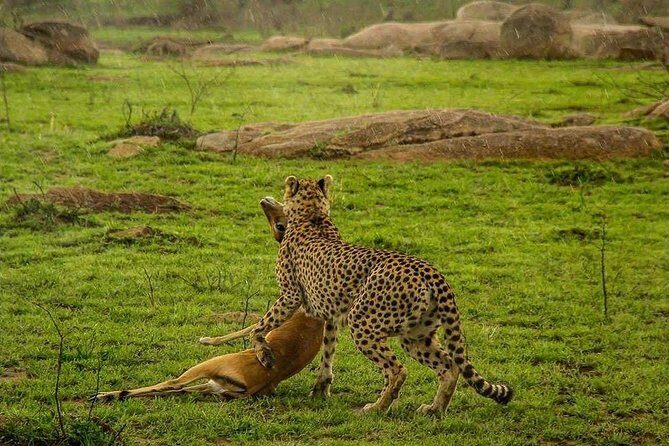
Day 2 is where the itinerary starts stacking the best “classic safari” moments back-to-back.
Morning: you wake early for a sunrise game drive in Serengeti. Sunrise matters because predators often use cooler temperatures and early light to hunt or stalk. Plus, the itinerary is specifically set up around that wow-factor morning light—when the savannah turns dramatic and animals look sharper. This is also the time when you’re most likely to see active behavior instead of just resting.
Late morning to afternoon: after a late breakfast, you head toward Ngorongoro. The transfer is described as a game drive all its own, which is a smart use of time. Even while “traveling,” your driver keeps searching for wildlife along the way, so you don’t lose the day to boredom.
Culture stop: the Day 2 plan also includes a Maasai boma visit, where you can watch and participate in traditional dance, tour an authentic village, and do some souvenir shopping at a local market. This is the kind of stop that works best when you treat it as a learn-and-respect moment, not a quick photo break. If you go in with curiosity, it adds a meaningful human layer to the trip.
One drawback to flag: Day 2 is active. You’ll do sunrise, then breakfast, then a long transfer with additional spotting, then a cultural visit. If you hate being in a vehicle back-to-back, this schedule will feel intense. If you’re excited to pack in memories, it’s a great day.
Day 3 Ngorongoro Crater: Viewpoints, Hippos, and Big-Five Odds
Ngorongoro is the headline for a reason. Day 3 starts after breakfast with the drive to the Ngorongoro Conservation Area and Ngorongoro Crater. Before you go down into the action, you get your first big-picture view from a panoramic viewpoint. That viewpoint is one of those moments where the crater stops being a name and becomes a real place in your mind.
Once you’re in the crater area, you’re in a high-density wildlife setting. The itinerary notes you can find over 120 species of mammals, plus the chance at the Big Five, and it specifically calls out two iconic creatures: black rhino (an endangered species) and hippos. It also highlights that hippos spend time in cool water, which is why the crater is such a strong photography zone even when you’re not chasing a moving predator.
You’ll ride in an open-top vehicle, which matters for two reasons:
1) wildlife spotting feels more immediate, because you can see farther and react faster
2) photos are easier because you’re not fighting windows all day
The crater portion on Day 3 is listed at about 5 hours, meaning you’ll likely do multiple “search and stop” rounds—scan the plains, reposition, then slow down to watch behavior. That rhythm is where Ngorongoro shines.
Lodge or Tents, plus Meals: How the Comfort Pieces Fit Together
This safari includes accommodations for the night(s) during the trip, and the property type is presented as Serengeti Heritage or a similar place on Day 1. In the experience writeups you supplied, people also talk about getting tents for an authentic adventure feel, so you should be ready for an outdoor-or-camp style atmosphere at least part of the time.
Meals are handled for you: breakfast, lunch, and dinner are included, and there’s mineral water in the plan. That’s not just convenience—it’s a value point. When you’re paying safari money, the real cost creep is usually food and “what do we eat now?” moments. Here, you’re fed at the right time to keep game drives uninterrupted.
If you’re the type who wants a calm evening with no planning stress, this matters. After long drives and early mornings, you don’t want to think about logistics. You want to eat, shower (when available), and sleep.
Price and Value: Is $2,200 a Good Deal for a 3-Day Fly Safari?
At $2,200 per person for a 3-day Serengeti and Ngorongoro fly safari from Zanzibar, the big question is what you’re really buying.
You’re not just paying for a vehicle and a guide. The package includes:
- Go and return flights from Zanzibar
- All national park fees
- Transportation in a 4×4 pop-up roof safari vehicle
- A professional English-speaking guide and safari cook
- Meals (breakfast, lunch, dinner) plus mineral water
- Accommodation during the safari
That combination is why the price can make sense. If you tried to cobble this together yourself, flights and park fees alone could take a big bite, and you’d still need to line up a driver, guide, cook, and food plan that matches your game drive timing. Here, the trip is built around a tight schedule, so the operator’s planning time and coordination are part of what you’re paying for.
Could it be pricey? Yes. Any safari with flights tends to be. But for a 3-day timeline, flying is usually the difference between a “safari highlight tour” and a “travel day tour.” In other words: you’re paying to get more animals per day.
A few more Zanzibar City tours and experiences worth a look
Your Guide and the Safari Experience: The Names People Remember
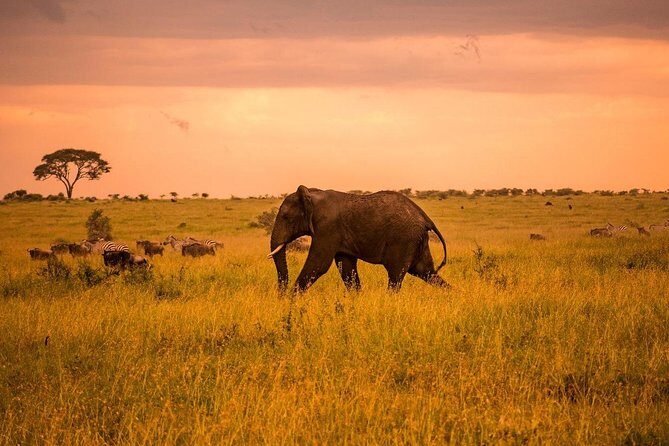
What shows up again and again in the supplied feedback is that the guides are a major part of the value. Names mentioned include Dickson, Lucas, Kelvin, David, Abouh, and Aboh. People describe the guides as fun, communicative, and strong at finding animals close enough to feel the excitement without turning the day into chaos.
There’s also a practical angle: some guides are noted for speaking multiple languages, including French and Spanish. Even if you don’t speak them, it signals something useful—your guide can explain wildlife behavior clearly and adapt to different group needs.
If you’re the kind of traveler who likes learning while watching, a good guide makes a huge difference. You’re not just sitting there hoping for the Big Five to show up. You’re watching behavior, tracking patterns, and understanding why animals are where they are that day.
Practical Tips: Timing, Comfort, and What to Pack
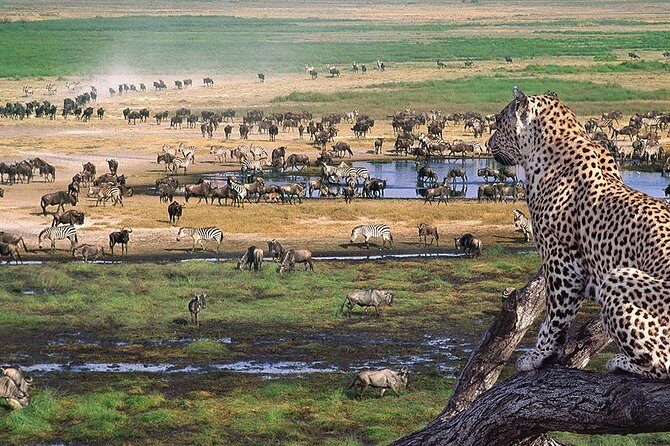
This tour runs on a schedule that favors wildlife time, so think “prepared and early,” not “slow and flexible.”
- Plan for early starts. Day 2 includes a sunrise drive, and that usually means wake-up times earlier than you want.
- Bring a light layer. Morning game drives can feel cool even when afternoons warm up.
- Use sun protection. You’ll be in an open-top vehicle, so sunglasses and sunscreen are not optional in spirit.
- Expect a vehicle-heavy day. Day 2 and Day 3 include substantial time driving and spotting, plus culture on Day 2.
- Don’t forget cash for personal spending. Tipping and souvenirs aren’t included, and the Maasai boma stop includes a local market.
Also, keep your expectations grounded: a 3-day safari can be fantastic, but it’s still nature. What you can control is how well you show up—comfortable clothing, patience, and a willingness to shift locations fast.
Should You Book This Serengeti & Ngorongoro Fly Safari From Zanzibar?
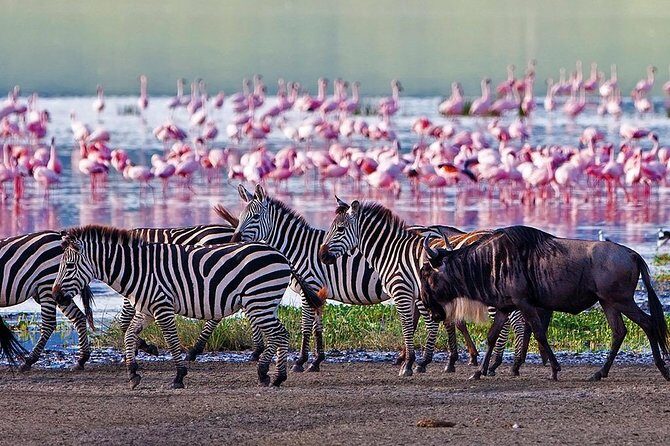
I’d book this if you want a high-efficiency safari—more time watching animals and less time stuck in transit. The fly-in structure is the core win, and the itinerary hits two of the biggest moments: sunrise Serengeti and Ngorongoro Crater. Add in the Maasai boma visit and you get more than wildlife-only days.
I would not book it if you want a slow, unhurried trip with lots of downtime. This itinerary is active. You’ll be in and out of vehicles, doing drives back-to-back, then landing at lodging for dinner and sleep.
For most people in Zanzibar, this is a strong choice because it turns your island days into a real mainland safari without turning your schedule into a moving circus.
FAQ
What does the safari include?
It includes transportation in a 4×4 pop up roof safari vehicle, a professional English speaking guide and safari cook, meals (breakfast, lunch, dinner), mineral water, accommodations during the safari, all national park fees, and the go and return flight from Zanzibar.
How long is the Serengeti and Ngorongoro safari?
The duration is listed as 3 days (approx.).
Where does the safari start and end?
The safari starts and ends in Zanzibar.
Which wildlife areas do you visit?
You visit Serengeti National Park and Ngorongoro Conservation Area, including Ngorongoro Crater. You also stop for a Maasai boma visit on Day 2.
How do the game drives work on each day?
Day 1 includes an afternoon game drive after arrival at Seronera Airstrip. Day 2 includes a sunrise game drive in Serengeti, then a game drive as you travel toward Ngorongoro. Day 3 focuses on seeing wildlife in and around Ngorongoro Crater, with a panoramic viewpoint before the crater experience.
What meals are included?
Breakfast, lunch, and dinner are included during the safari.
Are park fees included?
Yes. All national park fees are included.
What should I pay for separately?
Visa fees, personal spending money for souvenirs, and tipping are not included.
Is the tour private or shared?
It is described as private, and only your group will participate.
Is free cancellation available?
Yes. Free cancellation is offered if you cancel at least 24 hours in advance for a full refund.
Is the tour suitable for most people?
The tour indicates that most travelers can participate.