REVIEW · ARUSHA
4-Day Simba Safari – Mid Range Tour
Book on Viator →Operated by Gosheni Safaris (T) Limited · Bookable on Viator
Simba Safari hits three northern icons fast. You’ll string together Lake Manyara birdlife, Serengeti migration country, and a final day inside Ngorongoro Crater. It’s the kind of mid-range Northern Tanzania loop that turns long drives into wildlife-filled days.
I love the built-in food rhythm, especially the hot lunch stops where your driver sets a table and serves a full meal with tea, coffee, and even a glass of wine. I also love the guide impact; names like Hassni, Juma, Mwinyi, and Inno show up again and again for calm, safe driving and serious wildlife-spotting.
The tradeoff is long days in the vehicle, plus an early crater start, and your best sightings still depend on conditions and timing. If weather isn’t cooperating, the whole trip can shift.
In This Review
- Key things that make this Simba Safari worth your time
- Northern Tanzania in 4 days: how this route plays for you
- Day 1 at Lake Manyara: birds, woodland, and the tree-climbing lion bet
- Day 2 in Serengeti: Great Migration viewing plus solid resident wildlife
- Day 3 in Ngorongoro Conservation Area: big cats, Big Five energy
- Day 4 inside Ngorongoro Crater: Lake Magadi flamingos and the crater drive
- Price and logistics: what $2,179 buys you (and what you should still plan for)
- Meals in the bush: why the lunch setup matters more than you think
- Guides and safety: what to look for in the people running your safari
- Who this 4-day Simba Safari is best for
- Should you book the 4-Day Simba Safari?
- FAQ
- Where does the safari start and end?
- How long is the 4-day Simba Safari?
- Is this a private tour?
- What park costs are included?
- What meals are included?
- Is airport transfer included?
- What tips should I budget?
- What’s the cancellation policy if my plans change?
- Do guides speak English?
Key things that make this Simba Safari worth your time
- Lake Manyara birds plus tree-climbing lions: a strong chance to stack bird species and look for the famous lion behavior in the acacia belt.
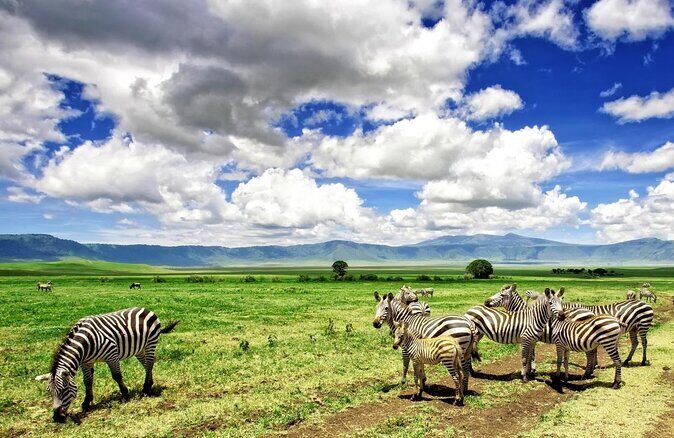
- Serengeti Great Migration focus: you’re aiming for migration viewing while still driving for resident wildlife.
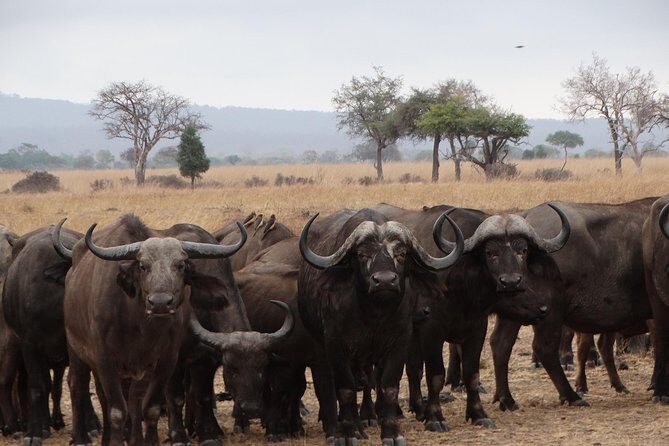
- Ngorongoro Conservation Area for big predators: big-cat hunting is the theme, with the Big Five as the classic benchmark.
- Ngorongoro Crater day plus Lake Magadi: flamingos are the headline, with hippos also possible near the alkaline lake area.
- Meal stops are actually part of the experience: hot food in the bush, served table-style, not just a snack and go.
- Guides get praised for spotting and route sense: repeated mentions of patient tracking and route vigilance point to real guiding skill.
Northern Tanzania in 4 days: how this route plays for you
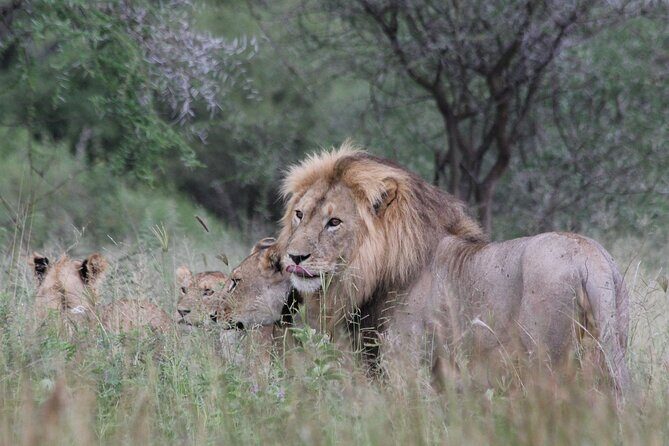
This is a focused Northern Parks safari loop built around three big zones: Lake Manyara, Serengeti National Park, and the Ngorongoro area (first the conservation area, then the crater). Instead of hopping randomly, the pattern makes sense: Manyara warms you up with birds and woodland action, Serengeti is for the big-picture migration story, and Ngorongoro gives you a dramatic, crater-basin style of wildlife viewing.
What makes it work is the way the days are structured. Each main day is built around game drives, with a full meal stop in the middle of your driving time, then another drive before settling in for dinner and sleep. If you care about seeing more than just one park on one day, this format helps you “stay in the game” without spending your whole trip moving logistics around.
This is also a private tour (your group only). That matters because on safaris, you’re not just sightseeing. You’re responding to animals and road conditions, and a private setup gives your guide more control over where to be and when to reposition.
A few more Arusha tours and experiences worth a look
Day 1 at Lake Manyara: birds, woodland, and the tree-climbing lion bet
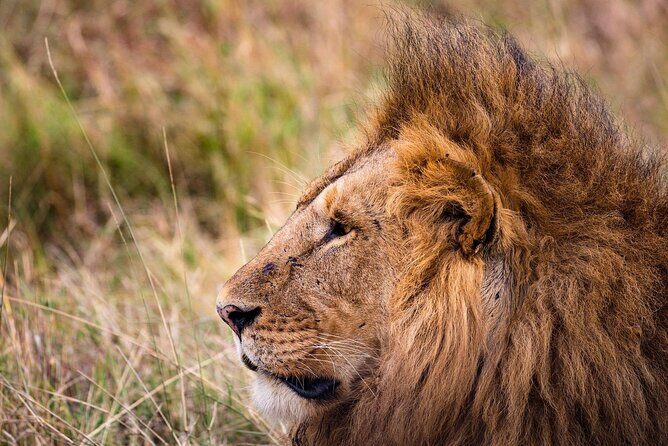
Lake Manyara is a strong first stop because it’s built for variety. You’ll start after breakfast with a full day game drive. The park is known for big birdlife numbers, and it also has a narrow belt of acacia woodland, which is the favored habitat for tree-climbing lions. Your day is timed for wildlife viewing first, then the lodge for dinner and overnight.
Here’s what you can realistically aim for at Manyara:
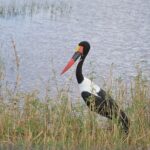
- Bird activity can be a major win. More than 400 bird species have been recorded in the park, and the expectation is that you can see a lot of them in a single day.
- If tree-climbing lions are your “must-see,” you’re in the right habitat zone for that possibility—this is the park where that legend comes from.
- The woodland area can also deliver elephants, including the kind of sightings that feel close and personal from the right viewpoint.
Practical expectation: Manyara can feel like a change of pace after you’ve been thinking only about the iconic plains. It’s more intimate. You’re looking at the bush, the edges, and the behavior of animals in specific habitat pockets—exactly the sort of place where a guide’s eye matters.
Lunch here isn’t just a break. Your driver will set up a fully hot meal table and serve soup, bread rolls, a main dish, and fruits salad, then follow with tea, coffee, and a glass of wine. That’s a small thing that makes a big difference when you’re out on safari for long hours.
Day 2 in Serengeti: Great Migration viewing plus solid resident wildlife
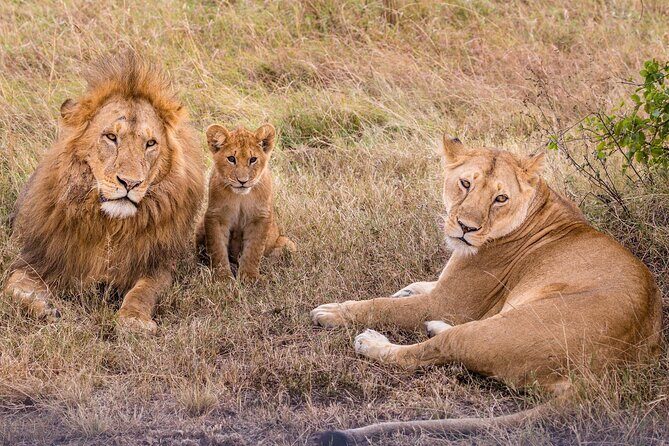
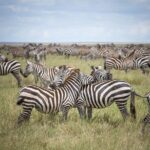
On day two, you head into Serengeti National Park with the goal of catching Great Migration viewing during your drive. The migration is the headline, but this is also a place where resident wildlife can keep your day interesting if the migration isn’t right on the roads you’re driving that afternoon.
Your day stays in the classic rhythm:
- Breakfast, then depart for game drive time.
- Lunch is provided (often a simpler packed style while you’re out, with hot meal service described as part of your safari day plan).
- After lunch, you continue game driving in search of the day’s best sightings.
- Evening check-in for dinner and overnight.
One thing I like about this day structure is that it gives your guide time to reposition. Serengeti isn’t a “stand here and wait” place. It’s moving, and the chances of seeing the migration are tied to where you end up and what your guide watches for.
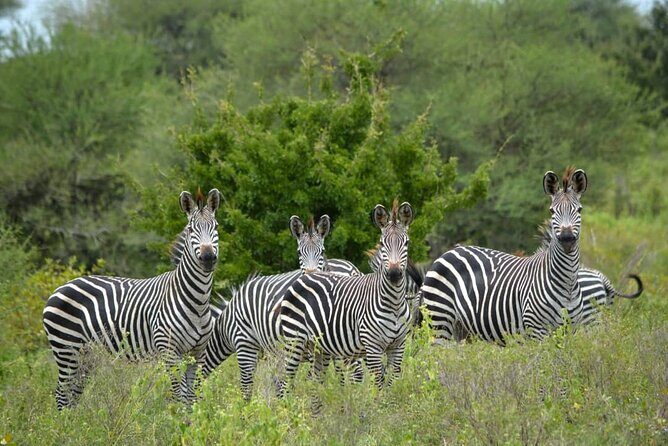
Based on how this safari is described, you’re also not stuck with a single narrow focus. The route is built around the idea of “migration plus the rest,” because Serengeti’s real value isn’t only what’s moving. It’s also the predators, the herbivores that are always there, and the birdlife that shows up in surprising bursts between bigger moments.
Day 3 in Ngorongoro Conservation Area: big cats, Big Five energy
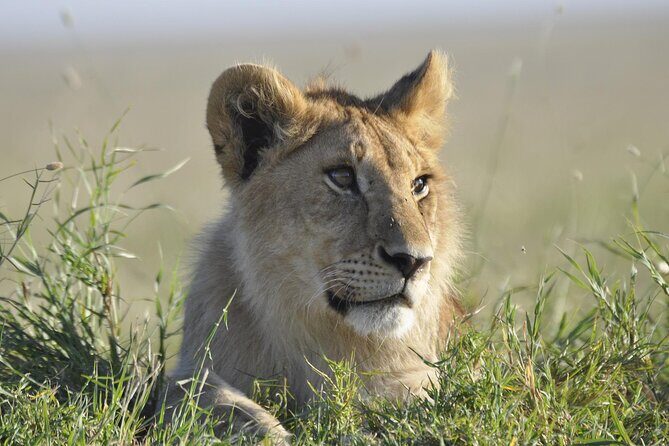
Day three shifts you to the Ngorongoro Conservation Area for a full-day game drive. The theme is big cats and a classic Big Five mindset, with your afternoon meal stop and then a late move toward your lodge for dinner and overnight.
This day is the bridge between Serengeti’s open plains feel and Ngorongoro Crater’s dramatic enclosed basin style. It’s also where your safari starts to feel more like a predator-focused hunt, not just a broad wildlife drive. Big cat sightings often come down to patience and route choice, and that’s where the guide praise you see in the real world matters.
In the guidance styles associated with this safari, you’ll notice repeated points like:
- patient tracking (staying calm when the action isn’t immediate),
- route vigilance (getting to areas on time),
- and a focus on safety while still driving effectively.
If you’re hoping for those moments where a predator appears and suddenly your whole day makes sense, day three is a key day to get excited about.
Lunch follows the same safari-table logic: soup, bread rolls, main dish, fruits salad, then tea, coffee, and wine. That consistent structure helps keep energy up, especially on a day where you’re likely to be searching for sightings rather than just “passing through scenery.”
Day 4 inside Ngorongoro Crater: Lake Magadi flamingos and the crater drive
Day four starts with an early breakfast, then it’s all about Ngorongoro Crater. You’ll drive inside for a full-day crater tour, with game driving continuing until evening. After the crater day, you head back to the lodge for dinner and overnight.
This is where the safari’s “wow factor” tends to live. The crater itself is described as a large volcanic caldera, about 20 km across and roughly 600 meters deep, with an area of about 300 sq km. That scale matters because it changes how wildlife moves and how you experience the terrain. You’re viewing a natural stage with water sources and predictable habitat pockets.
Two big crater highlights are explicitly part of your plan:
- Lake Magadi, in the south western corner of the crater: it’s a shallow, alkaline lake area that’s often good for water birds.
- Flamingos and hippos can be spotted around Lake Magadi, along with other water birds.
Even if you don’t lock in the exact sighting you dream about, the crater gives you a strong chance to experience wildlife in a concentrated setting. And because you’re still doing game driving in the late day, you’re not just racing through the crater and calling it a wrap.
A few more Arusha tours and experiences worth a look

Price and logistics: what $2,179 buys you (and what you should still plan for)
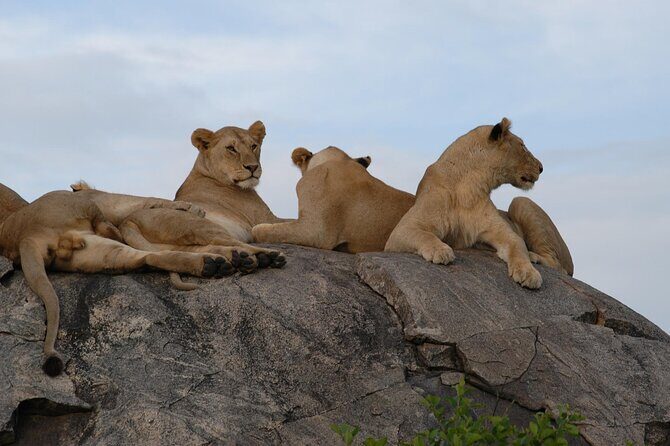
The price shown is $2,179.00 per person for a mid-range 4-day Simba Safari. That’s not a small amount, so it’s fair to ask what’s actually included.
From what’s listed, you get:
- Park fees for non-residents included
- A professional driver/guide
- Meals: breakfast (3), lunch (4), dinner (3)
- A tour that includes pickup offered and uses a mobile ticket
You don’t get:
- International flights
- Roundtrip airport transfer (even though pickup is offered, the listing still says airport transfer isn’t included)
- Tips (a guideline is US$10 pp per day)
- Personal items, travel insurance, and visa fees
Value-wise, what makes this price easier to digest is the combination of park fees (for non-residents) plus the full meal plan plus private guiding. On safari, the guide and the hours behind the wheel often matter as much as the raw park names, and this tour is built to put a trained guide in the driver’s seat for multiple days across multiple ecosystems.
If you’re budgeting, plan your tips. The guideline is clearly stated, and on safari, tipping is part of the culture of ongoing service.
Also note: the experience requires good weather. That doesn’t mean it’s fragile. It means you should keep the flexibility mindset: if weather is bad enough, it can affect operations.
Meals in the bush: why the lunch setup matters more than you think
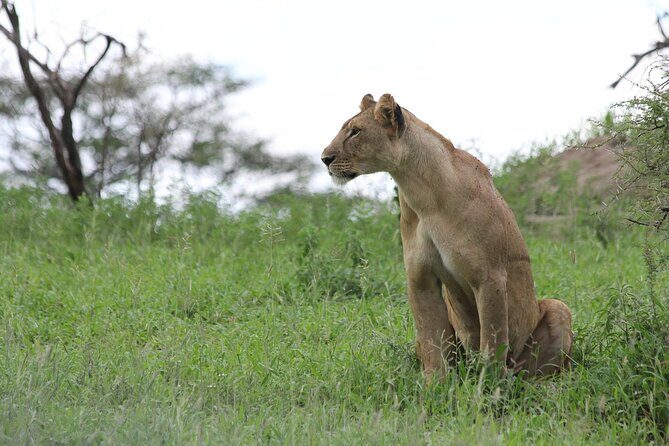
This safari repeats a specific lunch pattern across days: a table set up by your driver with a fully hot meal, including soup, bread rolls, a main dish, fruits salad, and then tea, coffee, plus a glass of wine.
At first, that sounds like a “comfort perk.” In practice, it changes your day.
- It reduces the mental load. You don’t have to plan how you’ll eat between long drives.
- It helps you stay focused. Safari fatigue is real, and having proper food on schedule helps you keep your eyes sharp for animal behavior.
- It gives you a pause that isn’t just sitting on the roadside. The safari-table meal format supports a calmer moment in the middle of the day.
It’s also a sign of a certain service style. A guide who can set up that rhythm (and a team that can handle it reliably in different parks) is usually doing more than “just driving.”
Guides and safety: what to look for in the people running your safari
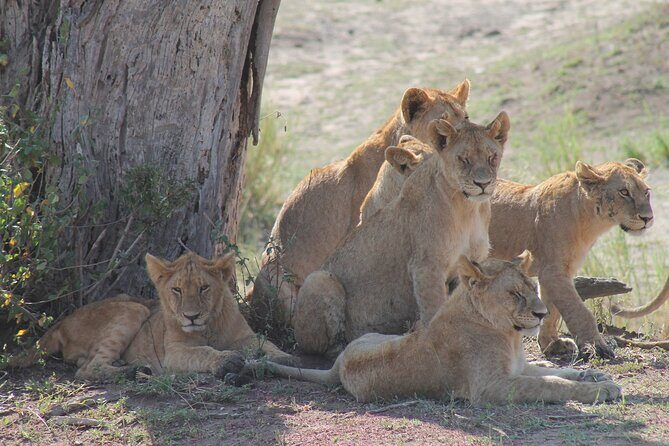
This tour is tied to professional guiding, and the names that show up in feedback for this safari company’s trips give you a clue about what kind of guiding style you can expect.
You’ll see frequent praise for:
- Calm, safe driving (mentions include drive safely and route vigilance)
- Patience while waiting for sightings
- Spotting skill that helps turn “we’re in the area” into “we actually found it”
- Communication, including at least one guide noted for strong English and Swahili
Guides named in the feedback include Hassni, Calvin Kileo, Herman, Juma, Mwinyi, George, Zadock, Inno, and a veteran named Hassan. The common thread isn’t just friendliness. It’s an ability to keep the hunt moving in a thoughtful way.
If you want to get the most out of this kind of tour, pick your guide’s brain during breaks. Ask what they’re watching for on that specific drive. On safari, small info can help you interpret animal behavior faster.
Who this 4-day Simba Safari is best for
This one fits well if:
- you want Northern Tanzania’s big hitters in a short window,
- you care about both birdlife and big mammals,
- you’re okay with long game-drive days in exchange for more time in the parks,
- and you value a private setup with a dedicated driver/guide.
It can also work for multi-generation trips because the schedule is structured and meal support is built in. One caution: it’s still safari time. If someone in your group has trouble with extended hours in a vehicle, you’ll want to take that into account.
If you’re traveling solo, this still makes sense because the “private tour/activity” setup keeps the experience focused. If you’re a couple, it’s a clean way to do Serengeti plus Ngorongoro without stretching into a week-long trip.
Should you book the 4-Day Simba Safari?
I’d book it if your priorities look like this: Lake Manyara birds, Serengeti migration country, and Ngorongoro Crater with Lake Magadi’s waterbird potential, all backed by park fees, meals, and a professional guide for multiple days.
I’d hesitate if your group struggles with long days on the road or if your travel timing is right in the middle of uncertain weather. Since the experience requires good weather, you’ll want to keep flexibility and understand that nature sets the rules.
If you like well-paced days, table-style meals in the bush, and strong guiding with a track-and-wait mindset, this Simba Safari is a solid value play for doing Northern Tanzania justice in just four days.
FAQ
Where does the safari start and end?
It starts in Arusha, Tanzania and ends back at the meeting point.
How long is the 4-day Simba Safari?
The duration is listed as 4 days (approx.).
Is this a private tour?
Yes. It’s described as a private tour/activity, and only your group will participate.
What park costs are included?
Park fees for non-residents are included.
What meals are included?
The listing includes breakfast (3), lunch (4), and dinner (3).
Is airport transfer included?
Roundtrip airport transfer is not included, though pickup is offered.
What tips should I budget?
The tipping guideline is US$10.00 per person per day.
What’s the cancellation policy if my plans change?
It offers free cancellation up to 24 hours in advance for a full refund. If you cancel less than 24 hours before the start time, the amount paid is not refunded.
Do guides speak English?
In the provided information, one guide (Inno) is described as speaking very good English and Swahili.