REVIEW · ARUSHA
4 Day: Astonishing Group Safari
Book on Viator →Operated by Serengeti Camping Safari · Bookable on Viator
Four days, three icons, one wildlife frenzy. This fast-running Tanzania circuit is built for maximum park time, starting with a Rift Valley drive from Arusha and finishing inside Ngorongoro Crater. You’ll ride in a pop-up-roof safari jeep, keep your camera ready, and aim for everything from baboons at the trees to predators on the move.
I love the small group size (up to 6 people). It feels easier to manage sightings, and the pace stays relaxed for a 4-day run. I also love the included meals and drinks—multiple people specifically praised the chef and the food quality.
One consideration: the best wildlife timing is early, so Ngorongoro sunrise means an early wake-up, and group logistics limit last-minute changes.
In This Review
- Key highlights worth knowing before you go
- A fast hit of Tanzania wildlife from Arusha
- Day 1 around Lake Manyara (or Tarangire) and the Rift Valley feel
- Day 2 Serengeti: the drive in, then the endless-plains feeling
- Day 3 in Serengeti with real choice in timing
- Day 4 Ngorongoro Crater: sunrise starts early for a reason
- The safari jeep, small group rhythm, and what the days really feel like
- Price and value: what $1,054 covers (and what to budget extra)
- Who should book this safari (and who should think twice)
- Should you book this 4-day group safari?
- FAQ
- Which national parks are included in this 4-day safari?
- What time does the tour start in Arusha?
- How big is the group, and what vehicle do we ride in?
- Are park fees and meals included?
- What extra costs should I budget for?
- Is free cancellation available, and what if weather is bad?
Key highlights worth knowing before you go
- Max 6 travelers helps keep the group feel friendly instead of chaotic on game drives
- Lake Manyara OR Tarangire on day one gives you a different flavor of Rift Valley wildlife
- Serengeti day 3 is flexible so you can choose morning, afternoon, or a full-day drive with picnic lunch
- Ngorongoro sunrise game drive starts very early for better animal activity and great light
- 4×4 pop-up roof jeep with window seats makes it easier to spot animals without craning
- Meals and drinks included, and the camp-style dining setup can be social
A fast hit of Tanzania wildlife from Arusha
This is a smart choice if you’ve only got about 4 days and you still want the big names: Lake Manyara (or Tarangire), Serengeti, and Ngorongoro Crater. The timing is tight, but the routing is clean. You’re not wasting a week bouncing between far-flung areas.
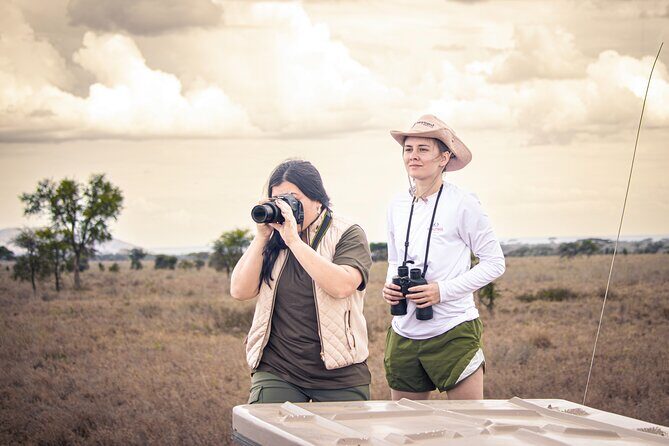
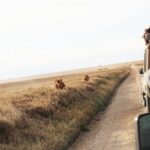
The tour runs as a group safari with a maximum of 6 travelers, so you avoid the feeling of being one of dozens crammed into the same vehicle. You’ll also get a professional driver/guide and a 4×4 jeep with pop-up roof—the kind of setup that makes scanning for animals much easier from inside the park.
You’ll pick up in Arusha around 8:00 am. From there, the days are built around long drives plus several hours of game viewing, so pack for early starts, dusty roads, and plenty of sitting by the window or roof opening.
A few more Arusha tours and experiences worth a look
Day 1 around Lake Manyara (or Tarangire) and the Rift Valley feel
Your first full wildlife day starts after pickup at 8:00 am. From Arusha, you’ll cross portions of the Great Rift Valley and head into Lake Manyara National Park (the itinerary you’ll usually follow), with the option that your first park may also be Tarangire National Park depending on what’s set for your dates.
Lake Manyara is small on paper, but it hits hard on scenery and animal variety. You’re in a world of acacia forest, giant figs, and mahogany trees, which matters because it’s not only open grassland. That tree cover supports primates and dense animal activity close to the roadside.
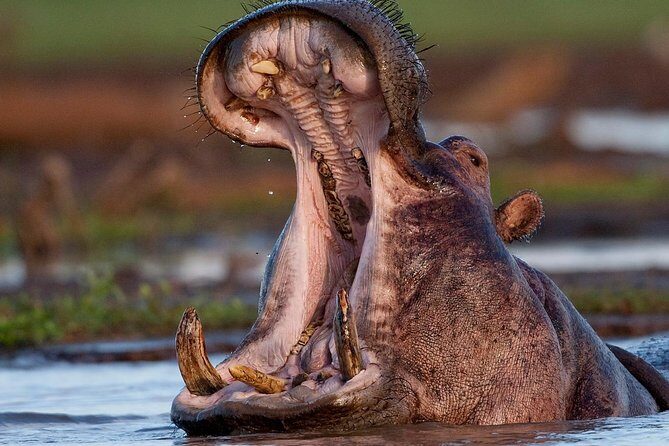
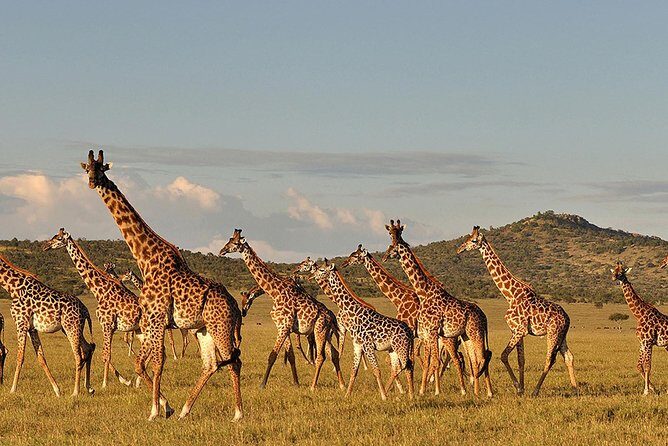
Expect to look for baboons and blue monkeys, plus the bigger regulars like giraffes, elephants, impalas, and buffalo. The park is also known for hippos along the lake, which gives you a different kind of viewing than the classic “endless plains” you’ll see later in Serengeti.
For me, the most practical value of this day is the mix: it’s a warm-up safari that builds momentum fast. You’ll get your “how to spot animals” routine down—check the trees for primates, watch the shoreline for hippos, and then let your eyes drift for elephants and buffalo moving along the edges.
One more detail that’s worth your planning: day one includes park entry fees (Admission Ticket Free in the schedule). That’s one less thing you have to manage or pay on the spot.
Day 2 Serengeti: the drive in, then the endless-plains feeling
After an early breakfast, you’ll head toward Serengeti National Park. The driving itself can be long, but the point is that you’ll arrive with your excitement already building. Then Serengeti hits you with scale.
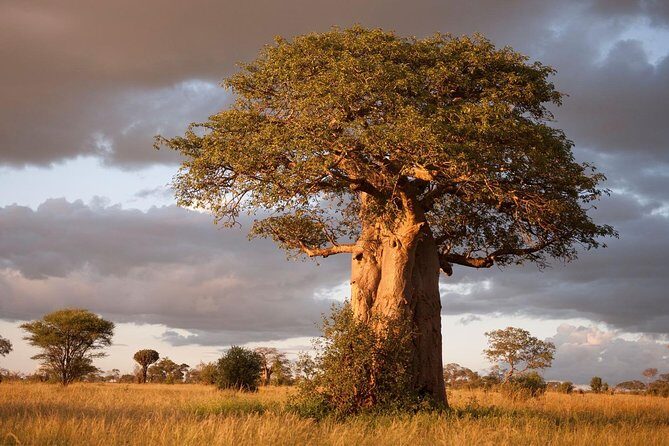
Serengeti is huge—18,000 sq. km of plains that stretch in a way that can mess with your sense of distance. The name is often explained as endless plains, and you’ll see why the moment you get past the initial scenery and into that open horizon line.
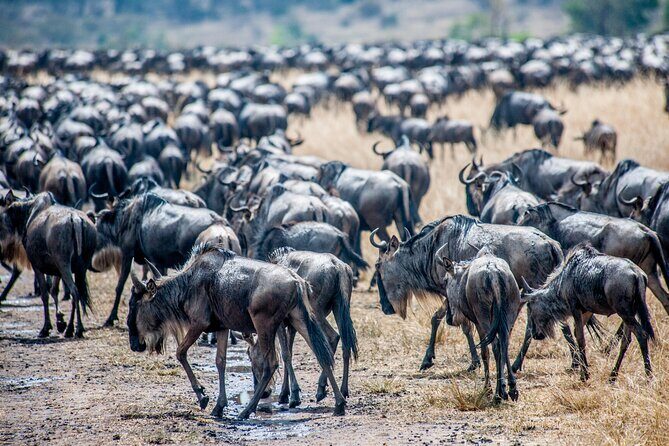
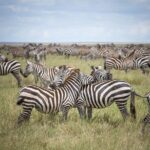
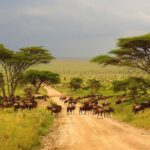
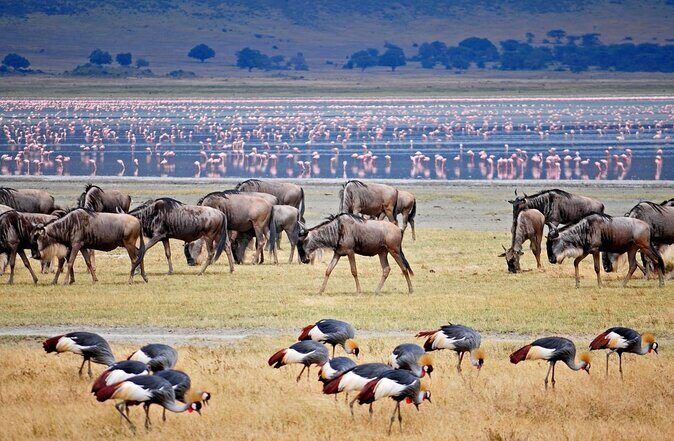
Here, the safari focus shifts strongly toward the big migration ecosystem. Serengeti is home to the Great Migration and supports enormous numbers of wildebeest and zebra, along with other antelopes. Even if you don’t see the migration in one concentrated moment, the “why” of the plains is clear: this is a landscape built for movement, feeding, and predator hunting.
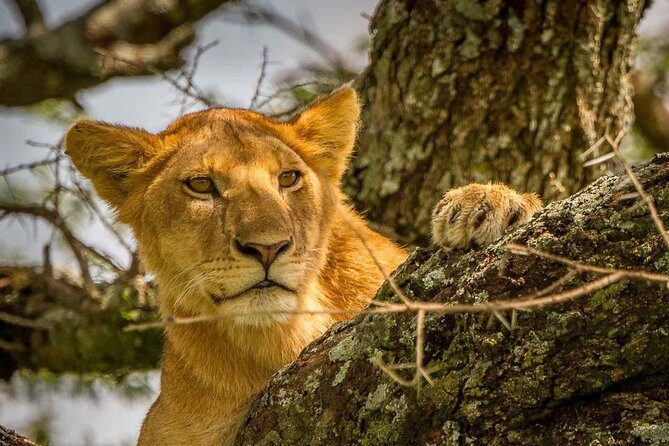
On the predator side, this is the kind of place you come for lions and other big cats. The schedule keeps you in the park for about 6 hours of game drive time, which is just enough to let the afternoon light change and to catch animals warming up and feeding.
A practical tip: on day two, don’t try to “win” by making your shots perfect. Instead, aim for a rhythm—scan wide first, then narrow your focus when you see movement. Serengeti rewards patience more than frantic searching.
And again, day two has park entry included (Admission Ticket Free in the day’s notes). That helps justify the all-in feel of the price for a 4-day circuit.
Day 3 in Serengeti with real choice in timing
Day three is where I like this tour the most, because it gives you options instead of forcing a single routine. You still spend a full day in Serengeti, but the guide works with you on timing based on animal activity.
You might do a morning game drive, return to the camp/lodge for lunch and a break, and then head out again for an afternoon game drive. Or you might do a full-day drive with a picnic lunch, keeping more hours “in the action.”
This matters because animal visibility and animal behavior don’t stay consistent all day. Morning and late afternoon often feel different on the ground—different movement patterns, different lighting, different chances to see prey and predators interacting.
You’ll also get returned to Seronera campsite for dinner and overnight. One of the nice bits from past safari experiences around this area is how the camp setup can be social. In one account, the dining tent used a communal table arrangement, which made it easy to compare sightings and swap tips with other people at dinner.
So while this is a group safari, the camp part doesn’t have to feel like you’re stuck in a crowd. It can feel like a shared base between drives.
Day three also has park entry covered (Admission Ticket Free).
Day 4 Ngorongoro Crater: sunrise starts early for a reason
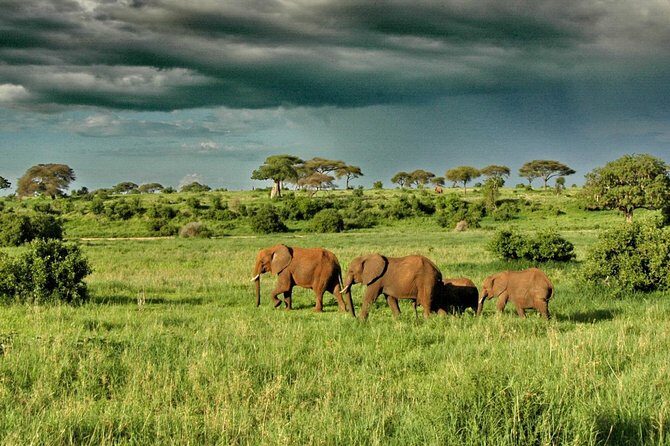
Ngorongoro Crater day is built around an early start. The plan is a very early wake-up for an early morning game drive—because animals tend to be more active when the day is cool and fresh. If you hate mornings, this day will change your opinion fast.
After the morning drive, you return for brunch and then head into Ngorongoro Crater. The crater spreads about 102 sq. miles and is surrounded by walls that rise roughly 2,000 ft. That bowl-like shape is a big part of why the crater can feel like a natural “enclosed system.”
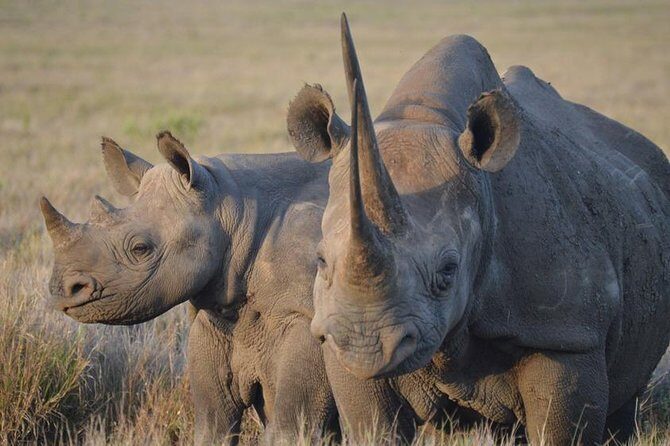
The schedule highlights the chance to see a wide range of East African wildlife in one area, and it also notes that Ngorongoro is one of the rare places on the continent where you can see black rhino. In practice, rhino viewing can be special and it can also be distant depending on where animals are that morning—so go in with the expectation that you might need patience rather than instant closeness.
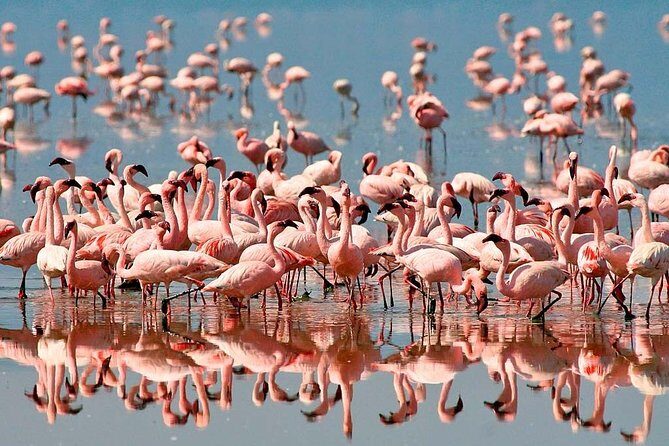
You’ll also see features like a river, swamps, and even a soda lake. Those water sources support different species and keep the area productive for wildlife all day long.
Day four includes admission for the crater (Admission Ticket Included). That’s an important value detail because Ngorongoro is typically one of the park-cost-heavy stops on Tanzanian safari plans.
A few more Arusha tours and experiences worth a look

The safari jeep, small group rhythm, and what the days really feel like
Let’s talk logistics in plain terms, because comfort makes a big difference when you’re scanning for animals.
You’ll use a 4×4 safari jeep with pop-up roof and six window seats. This design is built for visibility. When you’re watching for movement, being able to look outward quickly beats any “digital zoom only” approach. In a group of up to 6, you also avoid the constant reshuffling that bigger groups sometimes create.
Your guide is part driver, part wildlife translator. The day-to-day value here is timing: the guide discusses best moments to see animals and shapes the day around that. You’ll feel it most on the Serengeti flexibility day, when you can shift your plan based on what’s happening out there.
Meal-wise, this safari is not a “buy food on the go” situation. It includes meals and drinks with 4 breakfasts, 4 lunches, and 3 dinners. That’s a big deal on safari, where stopping for food can eat into game drive time and where water and snacks often become a hassle if they’re not already handled.
In past experiences with similar camp setups in the Serengeti area, I’ve found that dinners around a communal table can become one of the best parts of the day—because you get a quick window into what other people saw, and you can compare notes without needing to be social in a forced way.
One more practical point: you’ll want to bring the basics—sunscreen, a hat, sunglasses, and a reusable water bottle. The schedule is built around long days, and sun + dust are real.
Price and value: what $1,054 covers (and what to budget extra)
At $1,054 per person for four days, this isn’t a budget safari. But it’s also not overpriced if you look at what’s included and what’s excluded.
What you get in the price:
- Safari jeep (4×4 pop-up roof)
- Professional driver/guide
- Meals and drinks (4 breakfasts, 4 lunches, 3 dinners)
- All fees and taxes
- Pickup offered from Arusha, and the tour notes free airport pickup/drop-off
What you pay extra for:
- International flight
- Tips for the safari driver/guide and chief
- Items personal
- Travel insurance
- Visa fees
Now, the value logic for me is simple: you’re paying for time efficiency. In four days you’re covering three major wildlife zones: Lake Manyara/Tarangire, Serengeti, and Ngorongoro Crater. Doing that alone—transport, guiding, and park entry—adds up fast, even before meals.
A helpful way to frame it: you’re not just buying game drives. You’re buying the “whole moving machine”—vehicle, guide expertise, and meals—so you’re not turning your trip into daily logistics chores.
If your ideal Tanzania safari is private and slow with lots of downtime, you might find this group setup less matching. But if your goal is big park coverage with a manageable schedule, the price starts to look like a fair trade.
Who should book this safari (and who should think twice)
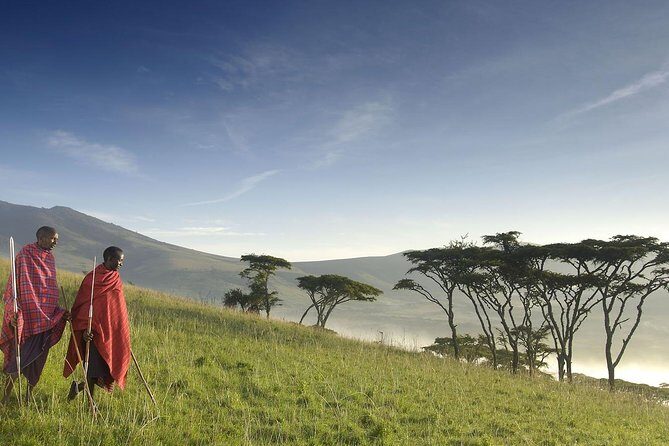
This 4-day group safari from Arusha is a great match if:
- You want Serengeti and Ngorongoro without needing a week or more
- You like the idea of small-group cruising (max 6)
- You’re okay with a structured plan and early mornings
- You want meals handled and park fees included so you can focus on the wildlife
It’s also a solid pick if you’re traveling as a couple or solo and still want the social layer of a group. The camp-style dinner setup can be friendly, and meeting new safari partners is often an unplanned bonus.
Think twice if:
- You hate early wake-ups (Ngorongoro sunrise is the rhythm)
- You need total freedom to change the day’s plan minute-by-minute
- You’re chasing a super-quiet, private-safari vibe
Most people can participate based on the tour’s general note that participation is widely possible, but the core activity is still game driving and long seated hours.
Should you book this 4-day group safari?
My take: book it if you want the classic Tanzania big-hitters in a short time and you’d rather have smooth planning than daily problem-solving. The small group size, the pop-up-roof 4×4, and the included meals plus park fees make this feel like a complete safari package instead of a barebones tour.
Also, the day 3 flexibility in Serengeti is genuinely useful. It means your time isn’t locked into one “do this, then that” schedule, which helps when wildlife behavior refuses to follow a timetable.
The only caution I’d keep in your back pocket is that group schedules can sometimes run into organization hiccups. If you’re the type who gets stressed when plans slip by a little, bring a flexible attitude and stay focused on the goal: time in the parks.
If you’re ready for early mornings, long-drive days, and the reward of big scenery plus big animals, this is a strong value way to see Tanzania’s wildlife headline list.
FAQ
Which national parks are included in this 4-day safari?
You’ll visit Lake Manyara National Park (or Tarangire National Park, depending on the plan), Serengeti National Park, and Ngorongoro Crater.
What time does the tour start in Arusha?
Pickup starts from Arusha at 8:00 am, and the tour ends back at the meeting point.
How big is the group, and what vehicle do we ride in?
This is a group safari with a maximum of 6 travelers. You’ll travel in a 4×4 safari jeep with a pop-up roof and six window seats.
Are park fees and meals included?
Yes. The price includes meals and drinks, plus all fees and taxes. The schedule notes park entry is free for days 1–3, and admission is included for Ngorongoro Crater on day 4.
What extra costs should I budget for?
Not included are international flights, tips for the driver/guide and chief, personal items, travel insurance, and visa fees.
Is free cancellation available, and what if weather is bad?
Free cancellation is available up to 24 hours in advance for a full refund. The experience requires good weather, and if it’s canceled due to poor weather, you’ll be offered a different date or a full refund.