REVIEW · ARUSHA
3 Days Tanzania Safari
Book on Viator →Operated by Nyange Adventures. · Bookable on Viator
A short safari that hits three big icons. I love the Northern Circuit combo because you go from elephant country to a crater full of wildlife and then into Rift Valley birdlife in just 3 days. The best part is that the trip keeps you moving, with a 4×4 pop-up roof that makes game viewing easy.
I also like how much of the daily grind gets handled: hotel pickup, park fees, a professional guide, and meals across 2 nights in safari-style accommodation. One consideration: this is a packed, early-start kind of schedule, so if you want lots of slow mornings and long hangout time, you may find it a bit intense.
In This Review
- Key highlights I’d plan around
- Three Parks, One Northern-Circuit Loop From Arusha
- Tarangire National Park: Baobabs, Elephants, and a Picnic Lunch Game Drive
- Ngorongoro Conservation Area: The 600m Descent and a Real Rhino Chance
- Lake Manyara National Park: Flamingos, Flamingos Everywhere, and the Lion Tree Myth
- Camping Safari Comfort: What the Included Setup Really Means
- What you should pack (so the day goes smoothly)
- Daily Rhythm: Pickup, Private Group, and How Long You’ll Be Out
- Price and Logistics: Is $1,038.47 Good Value?
- Who This Safari Fits Best (and Who Might Want a Different Setup)
- Should You Book This 3-Day Tarangire–Ngorongoro–Manyara Safari?
- FAQ
- Which parks are included in the 3-day safari?
- Where does pickup happen, and where will I be dropped off?
- What’s included in the tour price?
- Are park admission tickets included?
- Do I need to arrange my visa for Tanzania?
- What is the cancellation policy?
Key highlights I’d plan around
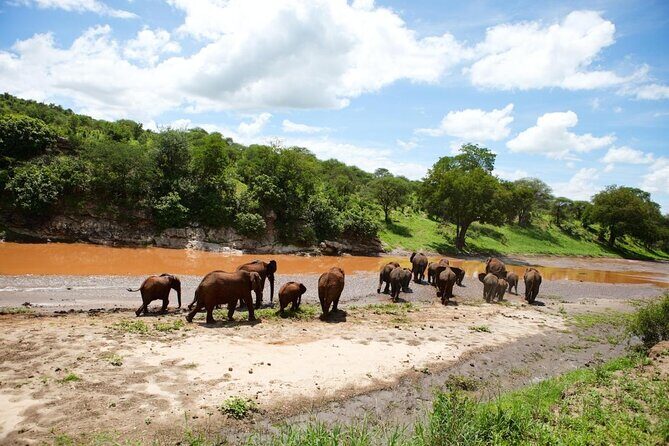
- Tarangire elephants plus baobab scenery: dry riverbeds, big herds, and a serious chance at classic safari moments.
- A sunrise crater descent at Ngorongoro: a 600-meter drop to a UNESCO site where rhino sighting is possible.
- Lake Manyara bird power: flamingos and a long list of waterbirds, plus a shot at the famous tree-climbing lions.
- You get the viewing tools: binoculars and a field guide book are included, so you’re not scrambling at the last minute.
- Meals and bottled water are built into the day: breakfast, lunch, dinner, plus coffee and/or tea.
- Guides seem to be a real strength: names like Joshua, Roger, Alan, Ian, Francis, Rashid, and others come up in the feedback for being friendly and doing a good job explaining what you’re seeing.
Three Parks, One Northern-Circuit Loop From Arusha
This is the kind of safari you book when you want the headlines of Tanzania without spending a week on the road. You base out of the Arusha area and run a tight loop through Tarangire, Ngorongoro Conservation Area, and Lake Manyara—three very different ecosystems, all within the Northern Circuit.
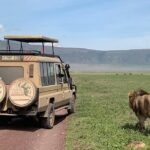
The “value” isn’t just the parks. It’s the structure. You’re picked up, guided through the big wildlife zones, and fed properly while you’re there. And since game drives happen from a vehicle with a pop-up roof, you can usually get a better sightline than from a flat-roof setup.
If you’re traveling with kids, friends, or solo, this private format can also feel calmer than the bigger, mixed-group chaos. Only your group participates, so the guide can match the pace to your questions and camera time.
A few more Arusha tours and experiences worth a look
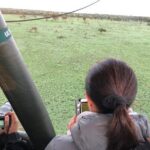
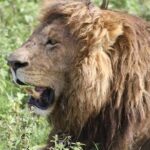
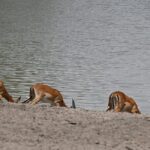
Tarangire National Park: Baobabs, Elephants, and a Picnic Lunch Game Drive
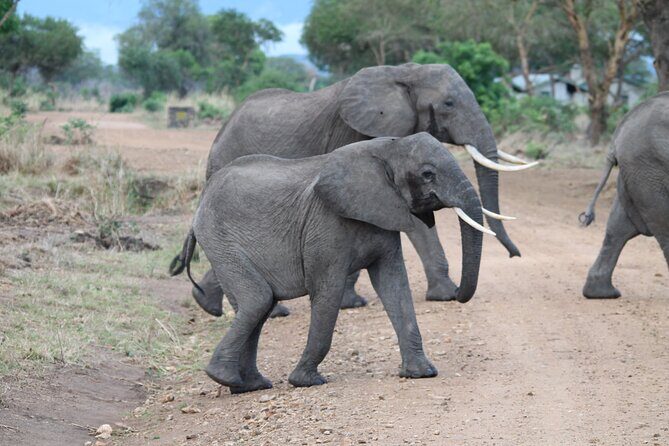
Your day starts with pickup in the Arusha area (Mount Meru hotel) and then driving into Tarangire National Park. Tarangire is known for two things that work together nicely: huge baobab trees and elephant activity that can get seriously concentrated, especially in the dry season when animals cluster around the remaining water sources.
You’re looking at a place where the vegetation is thinner and the sightlines often feel better. That matters. When you can actually see farther, spotting becomes more fun and less like guessing what’s moving in the brush.
What I’d pay attention to on the drive:
- Elephants moving through dry riverbeds and searching for underground water.
- The possibility of up to 300 elephants in the right areas.
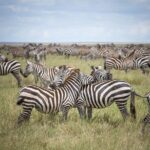
- Other wildlife like wildebeest, zebra, and buffalo, especially near shrinking lagoons.
The afternoon portion is a full game drive with a picnic lunch included. Practically, that’s a smart setup: you can start fresh, get your first big wildlife hits, then settle in for the long viewing window when animals are more predictable.
Ngorongoro Conservation Area: The 600m Descent and a Real Rhino Chance
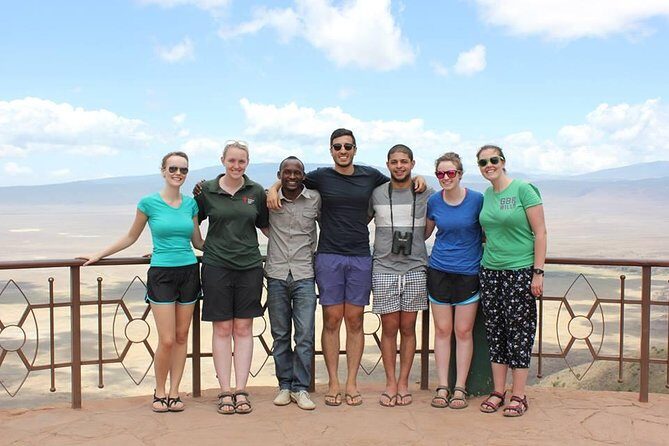
Day 2 is built around one of Africa’s most dramatic travel moments: you rise early and then descend about 600 meters down into the Ngorongoro Crater floor. It’s a UNESCO World Heritage Site, and the key word here is “closed system”—the crater changes how wildlife behaves, because so many animals share the same space.
This crater day is also where mornings pay off. Going down early generally gives you more time on the crater floor and a better chance to catch animals active in daylight. You’ll spend a solid block of time out there, and you’ll likely feel how different the air and temperature can be once you’re down inside the crater.
Ngorongoro is famous for wildlife density. You may also see the endangered rhino, although no one can guarantee a sighting—still, the fact that rhino is mentioned as a real possibility tells you this isn’t just a pretty viewpoint. It’s a genuine game drive destination.
Practical tips for this day:
- Bring a light layer you can manage for the morning changes.
- Give yourself time to look left, right, and down. In the crater, animals often appear where you wouldn’t expect if you’re only scanning one direction.
- Use your binoculars early. Saving them for “later” often means you miss the moments that go quickly.
Lake Manyara National Park: Flamingos, Flamingos Everywhere, and the Lion Tree Myth
Day 3 shifts gears into the Great Rift Valley setting at Lake Manyara National Park. This is a good day for people who want variety, because Lake Manyara isn’t only about one animal. It’s about atmosphere, birdlife, and a few safari surprises.
The headline attractions:
- Flamingos on the lake’s shores, with pink coloration that comes from the birds’ feeding conditions.
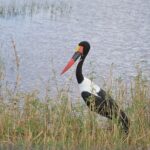
- Birdlife on a big scale: more than 400 species of birds are part of the park’s story.
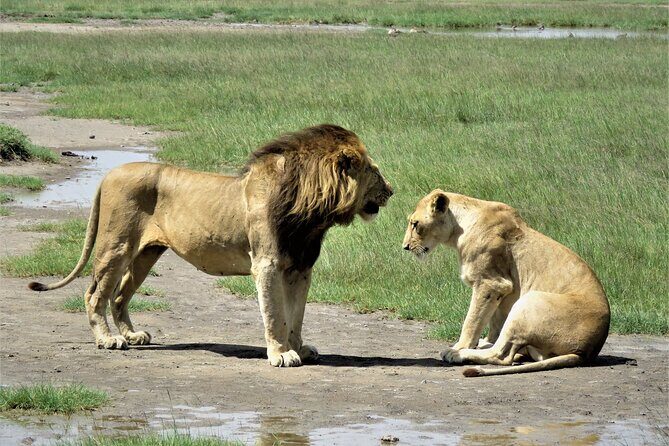
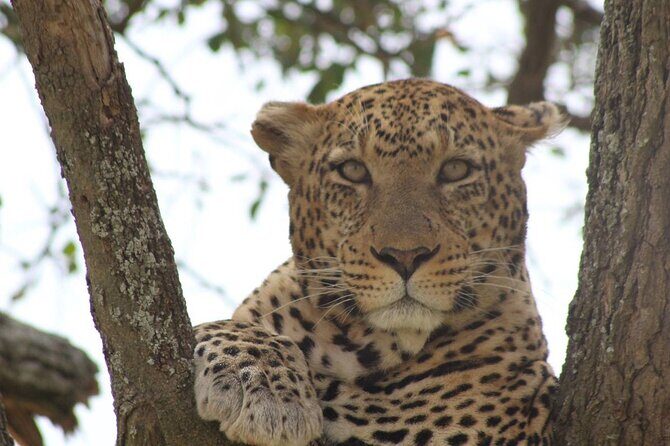
- The park’s fame for tree-climbing lions. It’s not something you can force, but the reputation is strong enough that your guide will know where and how to look.
Lake Manyara also has a soda-ash lake angle, which helps explain why the shoreline and colors can look unusual compared with other water settings. If you like wildlife photography, this is often the day where you’ll want to switch from long-lens tracking to slower observation.
You’ll drive in the morning and then again in the afternoon on the way back to Arusha/Moshi or toward Kilimanjaro Airport. That’s useful if you’re stitching this safari into the rest of your trip, like adding a climb or a few days in town.
Camping Safari Comfort: What the Included Setup Really Means
This is a camping safari, with 2 nights accommodation included. The exact room setup isn’t spelled out here, so I’d treat “camping” as safari-style lodging rather than hotel luxury. That’s not a bad thing—it’s often where you get the adventure feel—but it does affect how you pack and how you manage expectations.
Here’s what is very clear and helpful:
- You get a professional guide.
- You’ll have unlimited mileage in a 4×4 with a pop-up roof for game viewing.
- Bottled water is included.
- Meals follow the itinerary: breakfast, lunch, and dinner each day block. Coffee and/or tea are also included.
- There’s emergency evacuation insurance included, which is reassuring when you’re far from hospitals.
One small but meaningful detail: a field guide book and binoculars are included. I like that for two reasons. First, it makes birding and animal spotting less guesswork. Second, it saves you from carrying and shipping extra gear.
Based on safari feedback, food matters on these trips. Names like Godfrey show up connected with cooking and hospitality, and multiple guests describe tastier meals and warm teamwork. That kind of camp energy is one reason people come home talking about the people, not just the animals.
A few more Arusha tours and experiences worth a look
What you should pack (so the day goes smoothly)
From practical safari tips, two standouts:
- Bring DEET for mosquitoes and other bugs.
- If you’re serious about photos, consider a camera with a strong optical zoom (one guest specifically mentioned 60x).
Also bring standard safari basics: sunscreen, a hat, and a way to keep your phone/camera battery warm during early mornings.
Daily Rhythm: Pickup, Private Group, and How Long You’ll Be Out
The tour is structured in three long days of driving and game viewing:
- Day 1: about 7 hours in Tarangire, including picnic lunch time
- Day 2: about 7 hours on the crater circuit
- Day 3: about 6 hours around Lake Manyara and then drive back
Even without exact hour-by-hour schedules, you can plan your body like this: mornings are early, you’ll be on the go, and you’ll enjoy animals in extended blocks rather than short bursts.
Pickup and drop-off are included, and you’ll start from the Arusha area (with Mount Meru hotel specifically noted) and finish back in the Arusha/Moshi area or at Kilimanjaro Airport. Since the pickup/drop-off is handled, you don’t need to negotiate local transport while jet-lagged.
One more thing: it’s a private tour/activity, meaning only your group participates. That can be great if you want control and fewer waiting moments. The tradeoff is that private doesn’t automatically mean cheaper than sharing—though there are group discount options.
Price and Logistics: Is $1,038.47 Good Value?
At $1,038.47 per person for 3 days, the price is sitting in the “serious safari” tier. The question is: what are you paying for, and where does it reduce your headache?
Here’s what’s clearly included:
- 2 nights accommodation
- National park fees
- Professional guide
- Hotel pickup and drop-off
- 4×4 with pop-up roof and unlimited mileage
- Meals (breakfast, lunch, dinner as per itinerary) plus coffee and/or tea
- Bottled water
- Birds and animal field guide plus binoculars
- Government taxes
- Emergency evacuation insurance
Then, what’s not included:
- Your visa (you get it at border or airport)
- Alcoholic drinks
- Personal items
- Gratuities: $15/day for the cook and $20/day for your guide, divided by everyone in the vehicle
So, is it value? For a short safari that hits three major Northern Circuit parks, I think it can be. You’re not just buying vehicle time—you’re buying park access, guided wildlife time, and the gear and food that let you focus on seeing animals instead of managing details.
If you’re the kind of traveler who wants to self-drive or skip guides to save money, you could build a cheaper plan. But if you want your days to run smoothly—pickup, game drives, meals, and a guide to translate animal behavior into something you can actually understand—this price starts to make sense fast.
Who This Safari Fits Best (and Who Might Want a Different Setup)
This safari makes a lot of sense if you:
- Want the classic Northern Circuit set without a long trip
- Like structured days with guided spotting help
- Are comfortable with moderate activity levels
- Value a private-group feel
It might be less ideal if you:
- Want a slow pace with lots of free time
- Expect hotel-style comfort every night (it’s camping safari lodging)
- Prefer to fully control every detail yourself
One more thought: because it’s moderate fitness level, plan for some walking in uneven ground and lots of time sitting in a vehicle while scanning for animals. Most people manage this fine, but it’s good to be honest with your own comfort.
Should You Book This 3-Day Tarangire–Ngorongoro–Manyara Safari?
If you want a high-impact safari that covers elephants, a crater ecosystem, and Rift Valley birdlife in a tight schedule, I think this is a smart way to spend your days in Northern Tanzania. The included binoculars and field guide are a real plus, and the inclusion of park fees, meals, water, and a guide means fewer annoying gaps in the day.
My booking checklist:
- Confirm your accommodation style matches your comfort level since this is camping safari lodging.
- Plan your visa ahead only in the sense of knowing you’ll get it at the border or airport.
- Bring mosquito protection like DEET and consider a zoom lens if wildlife photos matter to you.
- Budget for gratuities: $15/day cook and $20/day guide (split among everyone in your vehicle).
FAQ
Which parks are included in the 3-day safari?
You’ll visit Tarangire National Park, Ngorongoro Conservation Area, and Lake Manyara National Park.
Where does pickup happen, and where will I be dropped off?
Pickup is available from the Arusha area, including Mount Meru hotel Arusha. At the end, you’ll be driven back to Arusha/Moshi or Kilimanjaro Airport.
What’s included in the tour price?
The tour includes 2 nights accommodation, national park fees, a professional guide, hotel pickup and drop-off, a 4×4 with pop-up roof for game viewing, bottled water, meals as per the itinerary, coffee and/or tea, binoculars, a field guide book, and government taxes. It also includes emergency evacuation insurance.
Are park admission tickets included?
Yes. National park fees are included, and the itinerary lists park admissions as free for the listed days.
Do I need to arrange my visa for Tanzania?
Yes. The tour notes that your visa must be obtained at the border or airport.
What is the cancellation policy?
You can cancel for a full refund up to 24 hours before the experience’s start time. If you cancel less than 24 hours before, the amount paid is not refunded.
If you tell me your travel month and whether you’re going solo, as a couple, or with kids, I can also suggest the best “photo and comfort” gear and how to plan your first day in Arusha around the early starts.