REVIEW · ARUSHA
3 – Days Tanzania Wildlife Safari
Book on Viator →Operated by Dusty Roads Adventures & Tours · Bookable on Viator
Wildlife in a tight time window works.
This 3-day Tanzania safari out of Arusha is a smart way to see top parks without losing days to logistics. I love that it combines Lake Manyara, Ngorongoro Crater, and Tarangire in one circuit, plus the plan includes pickup and a comfortable safari car with a pro guide. I also like the human touch: guides such as Jeff (praised for eagle eyes) and Justine (praised for putting real effort into wildlife-finding for photographers) help you turn sightings into close-up moments.
One thing to factor in: your schedule is intense, and the overnight setup depends on your specific lodging. If you strongly need reliable internet, note that one past stay at The Green Mountain Hotel was called out for weak service.
In This Review
- Key highlights you’ll feel fast
- Getting rolling from Arusha: pickup, timing, and a private safari feel
- Lake Manyara National Park: flamingos, birds, and big-game chances in one morning
- Ngorongoro Crater: the descent, the view point, and rhino odds
- Why the Mto wa Mbu overnight matters (and what to expect)
- Tarangire National Park: baobabs, up to 300 elephants, and a tight finish
- Price and value: what $995 buys in real safari terms
- How to make your guide’s eagle eyes work for you
- Who this 3-day circuit suits best
- Should you book this safari?
- FAQ
- How long is the 3 Days Tanzania Wildlife Safari?
- Where does the safari start?
- Which parks are included?
- Is pickup included?
- Is this a private tour?
- Are park admission tickets included?
- Do I get a ticket on my phone?
- Where do you stay overnight?
- Is accommodation included on the last day?
- What is the cancellation policy?
Key highlights you’ll feel fast
- Three parks, three days: you’re chasing big animals on back-to-back mornings.
- Park admissions included: ticket costs are built in, so your $995 covers more than just driving.
- Ngorongoro descent timing: you get both a view-point stop and a morning crater drive.
- Tarangire’s baobabs and elephant herds: huge trees plus big numbers of elephants.
- Private setup: only your group goes along, which makes the drives feel less rushed.
Getting rolling from Arusha: pickup, timing, and a private safari feel
This is set up around morning departures and full game-drive days. You’re picked up from your hotel in Arusha, with the overall operating window running daily from 6:00 AM to 6:00 PM. Day 1 runs about 7 hours, Day 2 about 8, and Day 3 about 7, so expect long but productive days rather than a slow, lazy pace.
The tour is private, meaning only your group participates. That matters. In a safari, you don’t just need a good guide—you need flexibility for road conditions, animal movement, and where the best viewing happens right now. A private format also makes it easier to match your pace if you’re the type who wants to stop often to scan the grasslands.
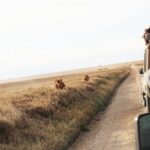
You’ll travel in a safari car with a professional wildlife guide. The guide isn’t just there to drive. They help you read behavior—where animals are likely to be feeding, whether you’re in a stretch that usually produces better sightings, and how to position the vehicle for safe, close viewing.
You also get a mobile ticket, and you’ll receive confirmation at booking. If you like simple paperwork and fewer steps, this fits that style.
A few more Arusha tours and experiences worth a look



Lake Manyara National Park: flamingos, birds, and big-game chances in one morning
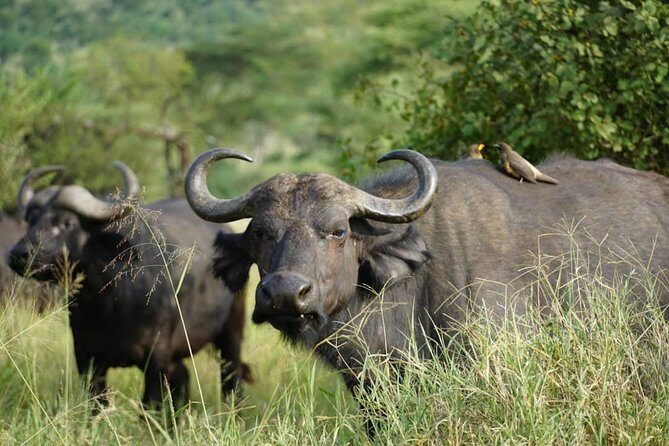
Day 1 focuses on Lake Manyara and starts right after breakfast with a drive from Arusha. This park is famous for flamingos and birdlife, and it’s one of the best places in Tanzania to combine wildlife spotting with serious bird watching. The lake and surrounding habitat can host more than 400 species of birds, and many stay around year-round.
That birding angle is a big deal because it changes the whole rhythm of your safari. You’re not only scanning for lions. You’re also watching the lake edges, checking trees and shrubs, and keeping an eye on motion—wading birds, perched birds, and the smaller species that often show up if you slow down a bit.
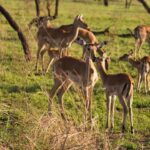
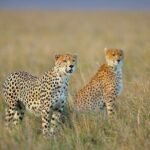
At the same time, Lake Manyara isn’t a “birds-only” park. You have a real shot at seeing mammals such as leopards, Masai lions, cheetahs, elephants, blue monkeys, dik-diks, gazelles, hippopotami, giraffes, impala, and zebras. That’s a lot of variety for a morning plan.
The experience includes admission and a morning game drive inside the park. You’ll also have an early picnic lunch planned during the day. The trade-off with a short safari is that you don’t have time to linger forever. You’ll want to be mentally ready for a “go-go” morning: scan fast, listen to the guide, and keep your camera accessible.
Practical tip: for Lake Manyara, I’d bring clothes that handle sun and surprise shade. Bird watching often rewards patience, and you’ll be stepping in and out of the vehicle while watching the lake and shoreline.
Ngorongoro Crater: the descent, the view point, and rhino odds
Day 2 is where the safari hits a major highlight: Ngorongoro Crater. After breakfast, you drive there via the Ngorongoro conservation area. You’ll make time for a stop at the crater view point before you descend into the crater itself.
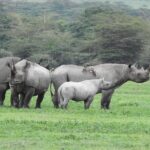
Ngorongoro is often called the eighth natural wonder of the world, and the reason is simple: the crater holds huge concentrations of wildlife. You’re looking at a protected zone with over 20,000 large animals, and it’s also one of the places where Tanzania’s last remaining black rhino are protected within the rim. You might see one—no safari can guarantee it—but the chance is part of why this day is so central.
The itinerary includes a morning game drive inside the crater, then lunch at the picnic site. After lunch, you do another game viewing drive on the way out, before heading to Mto wa Mbu for overnight at Burudika Lodge.
What makes this day especially valuable is the structure. You’re not just driving into the crater and hoping for the best. You’re arriving with a planned view point stop, then doing a crater-focused morning drive when animals tend to be active. Lunch and timing are built in, so you’re not eating at random roadside moments.
Possible drawback: the crater day can feel long, especially since Day 2 is about 8 hours total. Also, the day includes both crater time and a drive toward Mto wa Mbu. If you dislike long days in a vehicle, pack small comfort items (water, sun protection, and something for snacks) so you don’t feel drained before the best viewing window.
Why the Mto wa Mbu overnight matters (and what to expect)
After Ngorongoro, the plan shifts to an overnight in Mto wa Mbu, specifically at Burudika Lodge. This is a smart move in practical terms. It breaks up your driving so you’re not trying to turn around immediately after the crater into another full-day far away.
Mto wa Mbu also sets you up for Day 3, when you’ll head to Tarangire National Park for morning and afternoon drives. Having that overnight makes the final day feel less like a scramble and more like a continuation of your wildlife circuit.
As for lodging quality, keep your expectations realistic. One past stay connected to this kind of itinerary (The Green Mountain Hotel) was mentioned as having poor internet. That doesn’t mean every night is the same, but it does tell you something useful: if staying connected matters for you, plan on spotty service in the safari zones.
My advice: treat the lodge as a basecamp. Get clean, rest your legs, hydrate, and use the evening to charge batteries and organize your next-day gear.
Tarangire National Park: baobabs, up to 300 elephants, and a tight finish
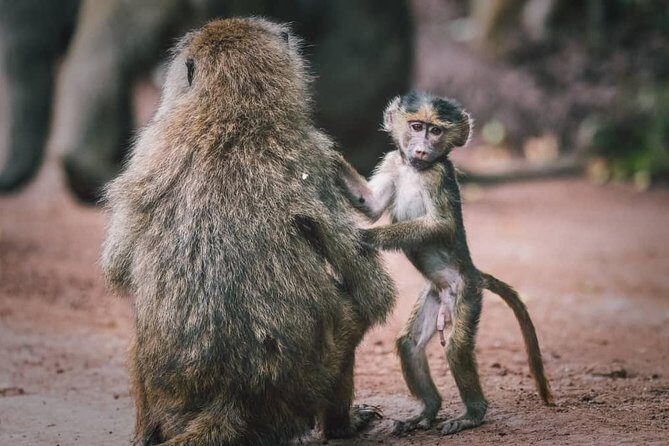
Day 3 starts with pickup after breakfast and a drive to Tarangire National Park. You get a morning game drive, a picnic lunch, and then an afternoon game drive. After that, you’re driven back to Arusha town for hotel drop-off or to Kilimanjaro International Airport for your departure flight.
Tarangire brings a different flavor from the other two parks. The park is known for the sheer number of baobab trees, which can make the whole area feel oversized. You’ll often see animals feeding beneath these giant trunks, so your viewing isn’t only about open grass. You’ll also be scanning woodland edges and feeding zones near the baobabs.
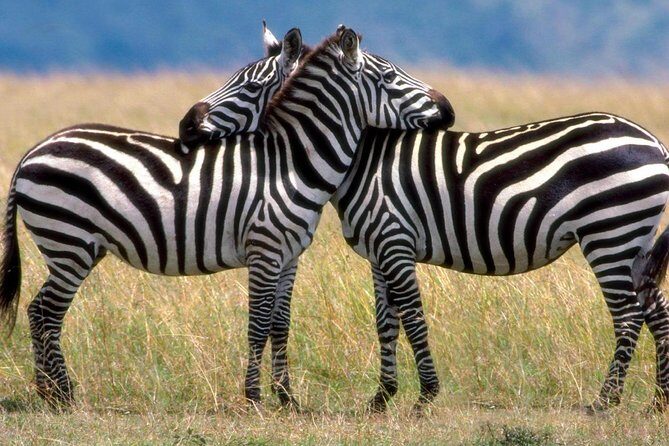
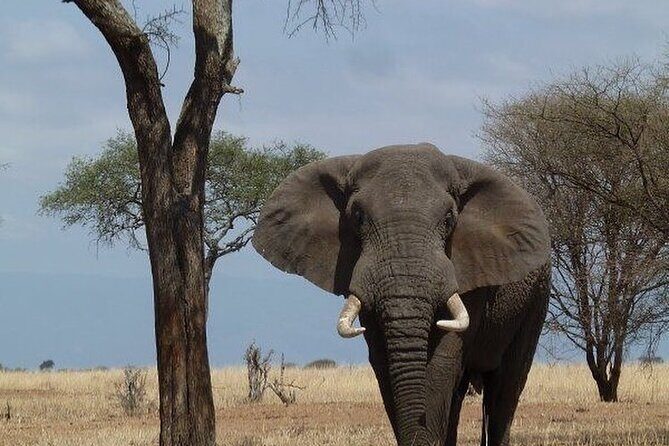
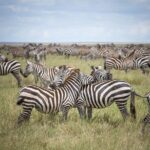
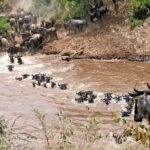
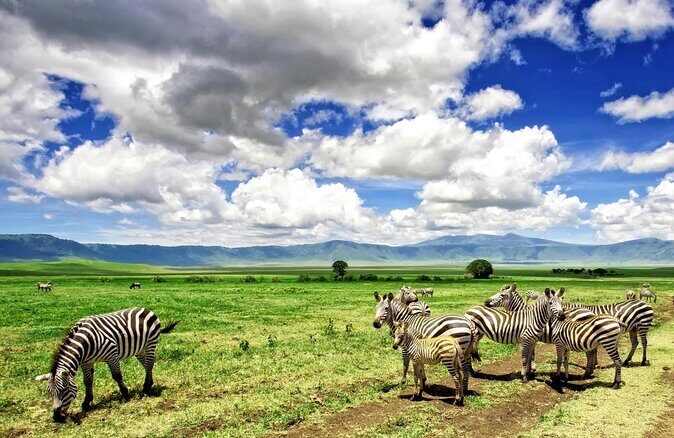
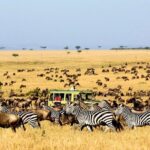
The itinerary highlights herd sizes and the kinds of wildlife you can expect. You’re looking at herds of up to 300 elephants, plus migratory wildebeest, zebra, buffalo, impala, gazelle, hartebeest, and elands. That list is why Tarangire fits perfectly as the final day. It helps balance your safari by ending with big mammals and a slightly different terrain feel than Lake Manyara or Ngorongoro.
There’s also an efficiency advantage to this finish. Because you’re returning to Arusha or the airport the same day, you don’t end up “carrying” safari time into an extra overnight. That’s part of the value of a short itinerary.
Note the package detail: accommodation for Day 3 is not included. So if you’re planning to stay in Arusha overnight after the safari, you’ll handle that separately.
A few more Arusha tours and experiences worth a look


Price and value: what $995 buys in real safari terms
At $995 per person for roughly 3 days, the headline question is: what are you actually getting for the money?
Here’s the practical answer. You’re paying for:
- Private guiding and a comfortable safari car for multiple park drives
- Pickup from your Arusha hotel
- Admission tickets included for each park day listed
- Picnic lunches built into the schedule
- One confirmed overnight at Burudika Lodge after Ngorongoro
Admissions being included is a real value lever. Safari fees add up fast, and separate billing can make short tours feel more expensive than they appear. In this case, the park entry costs are already part of the package math, so you can budget without guessing.
The short format also has value. You’re cramming three wildlife hotspots into 3 days, which is ideal if you have limited time in northern Tanzania. The cost is higher than a slow, local-style trip, but you’re also spending your time on game drives instead of travel days.
Where the value can feel different is if you’re the type who wants downtime. This plan runs long hours and moves across three major parks. If your ideal vacation includes lots of unstructured sitting time, you might find this schedule more demanding than expected.
How to make your guide’s eagle eyes work for you
This safari lives or dies on your guide’s ability to find animals and position the vehicle for good viewing. The strongest theme in the kind of feedback this operator gets is that the guides use serious spotting skills—Jeff is specifically praised for eagle eyes—and that they put effort into maximizing sightings.
You can help your guide help you:
- Be quick to follow instructions when the guide stops to scan.
- Keep your camera accessible. Don’t hide it deep in your bag during the drive.
- Ask simple questions like what behavior you should watch for right now.
- If photography matters, tell your guide early. Guides like Justine have been praised for making special efforts for photo-focused visitors.
One more point: this is a private safari, which usually means your guide can tailor the stops to your group. If your group has different interests—birds at Lake Manyara, big mammals at Ngorongoro, elephant herds at Tarangire—you can usually get more balanced time because you’re not sharing with a large crowd.
Finally, remember that wildlife is never a vending machine. Even with the best planning, some animals are present and visible one day and not the next. The value is in how the guide reads the moment and keeps you in the right areas.
Who this 3-day circuit suits best
This tour is a great fit if you:
- Want major parks in a short time without juggling multiple bookings.
- Like the idea of private guiding and pickup from Arusha.
- Are comfortable with long days and early starts.
- Want a mix of wildlife types: birds and lake wildlife at Lake Manyara, crater concentration at Ngorongoro, and elephants plus baobabs at Tarangire.
It’s less ideal if you:
- Need lots of downtime between destinations.
- Have strict requirements for strong internet every night (lodging can vary, and at least one hotel experience linked to this area was described as poor for connectivity).
- Prefer a slower pace with more time at each park.
Should you book this safari?
If you have limited time and you want a high-impact wildlife circuit, I’d say yes—with eyes open. The package gives you a tight route through Lake Manyara, Ngorongoro Crater, and Tarangire, includes park admissions, and builds in picnic lunches and one overnight at Burudika Lodge. That’s a clean structure for short-trip value.
Before you book, think about two things: your tolerance for long days in the car, and whether you’re okay with lodging details that can vary (especially if you care about internet). If those check out, this is the kind of safari that turns northern Tanzania into real memories, fast.
FAQ
How long is the 3 Days Tanzania Wildlife Safari?
It’s about 3 days total, with Day 1 around 7 hours, Day 2 around 8 hours, and Day 3 around 7 hours.
Where does the safari start?
The itinerary starts with pickup from your hotel in Arusha.
Which parks are included?
You’ll visit Lake Manyara, Ngorongoro Crater, and Tarangire National Park.
Is pickup included?
Yes. Pickup from your hotel in Arusha is offered.
Is this a private tour?
Yes. It’s private, and only your group will participate.
Are park admission tickets included?
Yes. Admission tickets are included for each day listed in the itinerary.
Do I get a ticket on my phone?
Yes. The tour includes a mobile ticket.
Where do you stay overnight?
After Ngorongoro on Day 2, you overnight at Burudika Lodge in Mto wa Mbu town.
Is accommodation included on the last day?
Accommodation for Day 3 is not included. You’ll be dropped off in Arusha town or at Kilimanjaro International Airport.
What is the cancellation policy?
Free cancellation is available up to 24 hours in advance for a full refund. If you cancel less than 24 hours before the experience starts, the amount paid is not refunded.