REVIEW · ARUSHA
3 Days Tanzania Short and Spicy
Book on Viator →Operated by Ensembles Explores Adventures · Bookable on Viator
Safari on a tight schedule can still feel real. This 3-day Arusha trip packs three major parks into a short time window, with early starts and smart timing for active animals.
I love that the tour includes the practical stuff that makes a safari run smoothly: a 4×4 Land Cruiser with a pop-up roof, plus unlimited mineral water and park entrance fees. I also like how the day-by-day rhythm targets wildlife when it’s most likely—especially the early Ngorongoro morning.
One thing to keep in mind: wildlife sightings are never guaranteed in the wild, so you’re buying the best chances and the right game-driving strategy—not a promise to see every animal.
In This Review
- Key things that make this safari work
- 3 Days in Tanzania: Short and Spicy, Done the Right Way
- Arusha pickup and the 7:30 AM start that sets the tone
- Tarangire National Park: elephant country and river-hour sightings
- What you can expect to see
- A real safari truth (and how to handle it)
- Small practical tips I’d use here
- Lake Manyara National Park: groundwater streams, birds, and Maji Moto hot springs
- The flamingo factor (and what it means for your camera roll)
- Hot springs: why this stop is more than a detour
- Ngorongoro Crater at sunrise: dense wildlife and Big Five odds
- What you’re aiming for in the crater
- The Big Five connection (and how to think about it)
- The vehicle matters: Land Cruiser comfort and pop-up roof viewing
- Food on the move: lunchboxes, breakfasts, and staying fueled
- Guides and the human side: Godfrey, Mike, and Kevin show up in feedback
- Price and value: what $2,440.39 per person covers (and what it doesn’t)
- Who should book this “Short and Spicy” safari?
- Final verdict: should you book it?
- FAQ
- What parks are included in the 3-day safari?
- What time does the tour start?
- Is airport pickup and drop-off included?
- What vehicle is used for the safari?
- Are park entrance fees included in the price?
- Are meals included?
- Is mineral water provided?
- Is this a private tour?
- Are tips included?
- Can I cancel for a full refund?
- Should you book this tour?
Key things that make this safari work
- 4×4 Land Cruiser with pop-up roof for better viewing on bumpy tracks
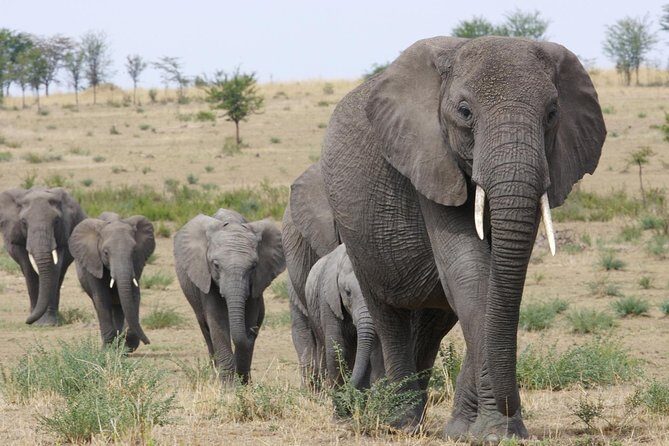
- Tarangire is elephant central, often near the Tarangire River watering areas
- Lake Manyara combines birds, forest-edge animals, and a break at Maji Moto hot springs
- Ngorongoro at sunrise helps you catch animals that are most active in the morning
- Unlimited mineral water and unlimited mileage during game drives keep you comfortable and flexible
3 Days in Tanzania: Short and Spicy, Done the Right Way
A three-day safari in Tanzania is not about checking boxes. It’s about building momentum fast: you land in safari mode, get out of your vehicle in the right places, and spend your daylight where animals are most likely to show.
This trip earns its Short and Spicy nickname by keeping things focused. You move between Tarangire, Lake Manyara, and Ngorongoro, so you’re not stuck doing one park for multiple days. In practical terms, that means you get variety—elephants and river life, birds and groundwater streams, then dense crater wildlife—without needing a big chunk of time off work or out of your schedule.
A few more Arusha tours and experiences worth a look
Arusha pickup and the 7:30 AM start that sets the tone
Your experience begins in the Arusha region, with pickup and drop-off at the airport included. The start time is listed as 7:30 am, and that matters more than it sounds. Early starts help you avoid the “too late for the good sightings” feeling that can hit longer safaris too.
Also, this is a private tour/activity, meaning it’s only your group. That matters for comfort and logistics—less waiting around, fewer time conflicts, and a safari pace that matches your group rather than a mixed crowd.
One more practical plus: confirmation happens at booking time, so you’re not left guessing. If you like your plans clear, that’s a good sign.
Tarangire National Park: elephant country and river-hour sightings
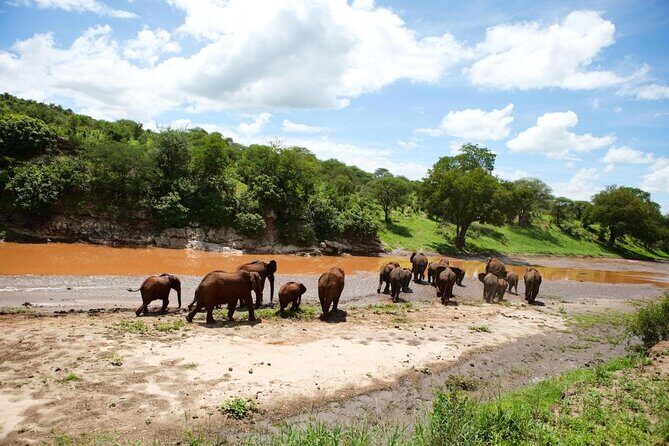
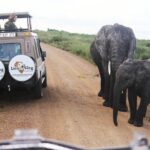
Tarangire National Park is famous for one thing above all: elephants. The reason is simple and very safari-relevant—the elephants often stay close to the Tarangire River, so you’re not driving blind for hours hoping to find them.
On your first park day, the timing is built for momentum. After breakfast, you typically set off so that you’re already on safari by around 10:00 am. That’s not the earliest possible start, but it’s still early enough to benefit from daytime activity and to learn the rhythms of the park quickly.
What you can expect to see
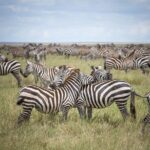
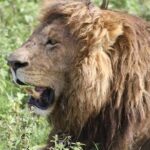
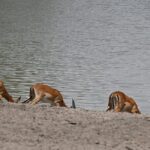
You’ll have chances at a range of animals, including lions, buffaloes, giraffes, and zebras. The big hope is elephants, and the park’s reputation is strongly tied to watering areas and the way wildlife clusters around them.
A real safari truth (and how to handle it)
Since this is wild nature, the guide can’t guarantee specific animals. What you’re getting instead is a team with wildlife know-how and time in the right habitat. If elephants are your top target, Tarangire is a sensible place to aim your energy.
Small practical tips I’d use here
Bring sun protection and something warm enough for mornings and open-roof time. Even in daytime, you can feel the wind when you’re on the roof. And keep expectations flexible: Tarangire can deliver “lots of animals” days, but the exact lineup changes.
Lake Manyara National Park: groundwater streams, birds, and Maji Moto hot springs
Lake Manyara is a different vibe from Tarangire. Instead of being elephant-focused, it’s a bird-and-ecosystem park where groundwater streams feed the habitat. That environment supports lots of plant life, and that in turn supports a strong mix of birds and animals.
Expect an early wake-up again. The day is structured with travel to Lake Manyara, a safari stretch, and then a break at Maji Moto hot springs around lunchtime. You’ll be given personal lunchboxes for your meal, and then you continue your safari and get transferred to accommodation later.
The flamingo factor (and what it means for your camera roll)
The information highlights pink flamingos as a possibility, along with other birds. Even if flamingos aren’t right where you want them at a specific moment, the logic stays useful: the park’s water-fed habitats draw animals and birds into predictable areas.
Hot springs: why this stop is more than a detour
Maji Moto hot springs are a legit palate cleanser in the middle of a wildlife-heavy day. You’re not just changing scenery—you’re getting a time window out of the vehicle. That helps your group recharge while still staying on safari schedule.
Keep in mind: hot springs can be warm and sticky, so dress for comfort and bring a way to wipe off dust if you’ve been on the road most of the morning.
Ngorongoro Crater at sunrise: dense wildlife and Big Five odds
If you want the “wow, this feels like Africa” feeling in a short safari, Ngorongoro Crater is built for it. The crater is famous because it can show a high variety of species in a small area. In plain language: you’re more likely to stack multiple animal types close together.
This day starts early—your morning departure is set for 6:30 am. Breakfast is packed in lunchboxes so you can stay focused on the crater drive and get out when animals are most active.
What you’re aiming for in the crater
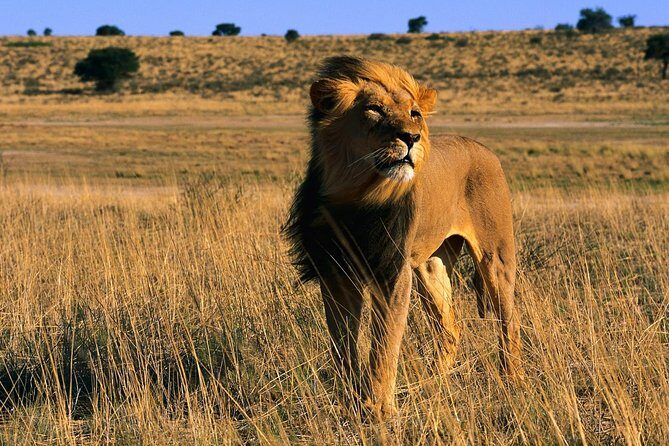
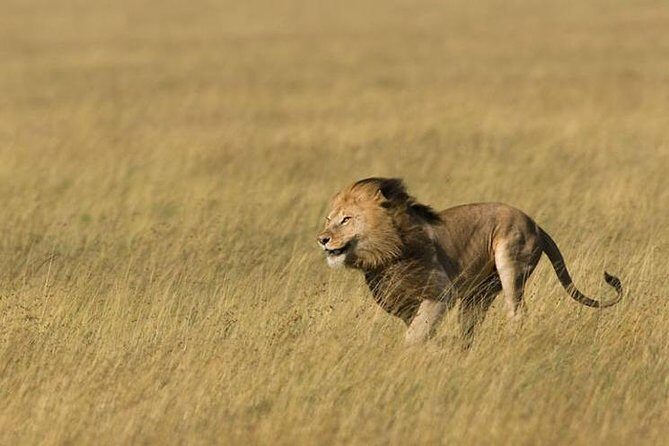
You’ll have the chance to see buffalo, elephants, lions, wildebeests, zebras, and hippopotamus. There are also mentions of feline species like caracals and servals, which are the kind of sightings that make a short safari feel “extra” when the timing lines up.
The Big Five connection (and how to think about it)
The tour description calls out the Big Five in Ngorongoro as a highlight. The helpful way to approach that: Ngorongoro is one of the best places in Tanzania to chase these species on a tight schedule, but the wild still decides the final lineup.
So when people say crater safaris feel efficient, it’s not magic. It’s geography plus animal patterns.
The vehicle matters: Land Cruiser comfort and pop-up roof viewing
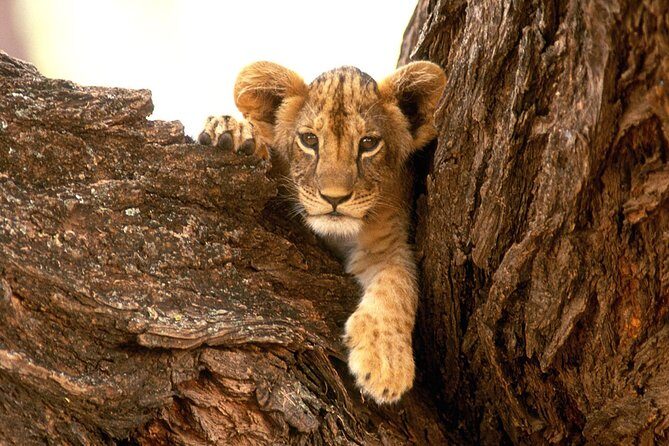
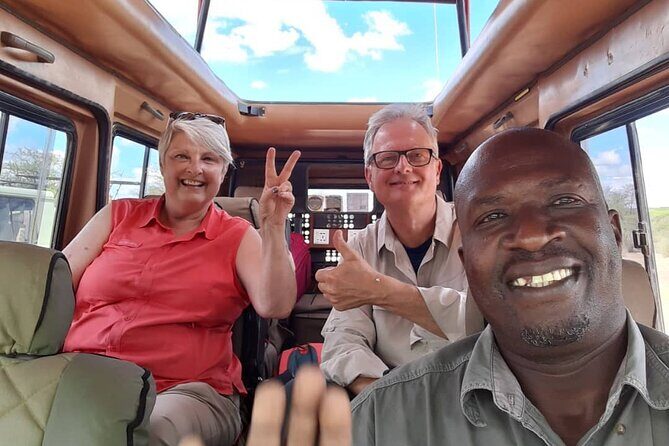
This safari uses a 4×4 Land Cruiser with a pop-up roof, and that’s one of those details you feel immediately. On safari days, the vehicle is your platform. A pop-up roof helps you scan without crouching or crowding, and it often makes wildlife sightings easier to photograph.
Unlimited mileage during game drive is also included. That might sound like paperwork language, but it matters in the real world: if the guide needs to reposition for animal movement, you don’t feel like the clock is being tightly policed by mileage limits.
And yes, unlimited mineral water is included. On hot days, it’s not a luxury. It’s part of staying alert for spotting animals and for dealing with long stretches on uneven tracks.
Food on the move: lunchboxes, breakfasts, and staying fueled
One reason short safaris can feel exhausting is food logistics. Here, meals are built in: breakfast (3), lunch (3), and dinner (2) are included.
That’s especially helpful on the Ngorongoro morning, where breakfast is packed so you don’t lose prime viewing time. On the Lake Manyara day, lunchboxes are used around lunchtime near Maji Moto hot springs, giving you a simple, practical meal without derailing the schedule.
A good rule for a safari like this: treat lunch as fuel, not as a sit-down event. You’ll likely eat quickly, then get back into the vehicle to keep the day moving.
Guides and the human side: Godfrey, Mike, and Kevin show up in feedback
Safari is not only about where you go. It’s about how someone reads the land—where to look, when to pause, how to interpret animal behavior, and how to keep your group engaged.
In the provided feedback about this operator, guides including Godfrey, Mike, and Kevin are specifically named. The pattern is clear: people appreciate responsiveness, guidance with safari bookings and arrangements, and a steady hand throughout the trip.
Even if you don’t get one of those named guides, the key value for you is the same: a professional English driver guide with wildlife know-how is included. That’s a big difference from self-drive expectations, especially when you’re trying to cover three parks in three days.
Price and value: what $2,440.39 per person covers (and what it doesn’t)
The price for this 3-day trip is listed as $2,440.39 per person. For Tanzania, that’s not “cheap,” but it also isn’t just a ticket to ride in a car. The value comes from what’s included:
Included highlights:
- 4×4 transport with pop-up roof
- All national park entrance fees
- A professional English driver guide
- Unlimited mineral water
- Unlimited mileage during game drive
- Airport pickup and drop-off
- 3 breakfasts, 3 lunches, and 2 dinners
Not included:
- Tips
- International flights
- Travel insurance
So where does the money land? A lot goes into the vehicle, the guide, and the park access. Park fees and transportation can add up fast on your own. For a short trip, having meals and entry fees handled means you spend less time on logistics and more time looking out the roof window.
If you’re budgeting, plan for tips separately and remember your international flight is on you. If you hate surprise costs, this inclusion list is unusually clear.
Who should book this “Short and Spicy” safari?
This is a good fit if you:
- have limited time but still want a serious wildlife experience across top areas around Arusha
- care about seeing multiple habitats in one trip: river wildlife, bird-filled ecosystems, and crater density
- want the private-group feel rather than sharing your day with a bunch of strangers
- prefer sunrise timing—especially for the Ngorongoro push
You might want more flexibility (or more days) if you:
- want a slow pace with longer breaks in one park
- struggle with early starts and open-roof sun/wind exposure
- need a very strict guarantee of specific sightings (the wild doesn’t do guarantees)
Final verdict: should you book it?
If your goal is a high-impact Tanzania safari in a short window, I’d lean yes. The mix of Tarangire elephants, Lake Manyara’s bird life plus Maji Moto hot springs, and Ngorongoro’s early crater wildlife density is a strong recipe for a first trip or a “time-crunched” second visit.
My main caution is not about the company—it’s about nature. You’re choosing a smart strategy, not controlling the animal schedule. If you can roll with that and keep your expectations flexible, this is the kind of safari that feels worth the effort and the cost.
FAQ
What parks are included in the 3-day safari?
The safari includes Tarangire National Park, Lake Manyara National Park, and Ngorongoro Crater / Ngorongoro Conservation Area.
What time does the tour start?
The start time is 7:30 am.
Is airport pickup and drop-off included?
Yes, pickup and drop-off at the airport are included.
What vehicle is used for the safari?
You travel in a 4×4 Land Cruiser with a pop-up roof.
Are park entrance fees included in the price?
Yes, all national park entrance fees are included.
Are meals included?
Yes. The tour includes 3 breakfasts, 3 lunches, and 2 dinners.
Is mineral water provided?
Yes. Unlimited mineral water is included for the entire safari.
Is this a private tour?
Yes. It’s listed as private, meaning only your group participates.
Are tips included?
No. Tips are not included.
Can I cancel for a full refund?
You can cancel for free up to 24 hours in advance for a full refund.
Should you book this tour?
If you want the best chance at classic Tanzania wildlife without spending a full week, this is a solid choice. You’re getting real park time across three standout regions, with included transport, entrance fees, and meals so you can focus on spotting animals rather than managing logistics. If early mornings work for you and you’re okay with the wild being unpredictable, it’s an easy yes.