REVIEW · ARUSHA
3 days safari in North- Ngorongoro, Tarangire, Mt. Oldeani
Book on Viator →Operated by Hello Tanzania Tours · Bookable on Viator
Elephants, cliffs, and crater light in three days. What makes this safari compelling is the mix: Olduvai Gorge in the morning and a full Mount Oldeani climb later, so you get both big wildlife moments and a serious sense of place. I also like that the pacing isn’t just endless game driving. You get long hours in the parks, then a day that turns into a real hike, with Lake Eyasi in the background.
The other big plus for me is how organized it feels on the ground: pickup from Arusha, a professional guide, and a 4×4 open-roof safari vehicle for the game drives. One thing to keep in mind is comfort is fairly simple. The trip is designed for limited budget travelers, so you should expect basic lodging (and the overview notes no AC).
In This Review
- Key things that make this safari work
- A Northern Safari That Balances Origins, Big Cats, and Real Effort
- Price and Logistics: Why $828.24 Can Feel Like a Deal
- Day 1 Starts With Olduvai Gorge Museum: Human Origins, Then Game Drive Country
- Ngorongoro Conservation Area vs. the Optional Crater Visit
- Day 2: Lake Eyasi and Mount Oldeani—Early Start, Big Views, Moderate Effort
- How Lake Eyasi Changes the Feel of Your Safari
- Day 3: Tarangire National Park for Elephants, Quiet Safari Energy, and Birding
- The Safari Vehicle and Guide: Where the Comfort Tradeoff Pays Off
- Meals and Lodging: Basic by Design, Built for Long Days
- Group Size Matters: Up to 12 Travelers Keeps It Manageable
- Who This Safari Fits Best (And Who Should Rethink It)
- Should You Book It? My Straight Talk
- FAQ
- What’s included in the safari price?
- Are meals provided during the trip?
- Is pickup offered from Arusha?
- How many travelers are in the group?
- Is the Ngorongoro Crater visit included?
- Do I need a certain fitness level for Mount Oldeani?
Key things that make this safari work
- Olduvai Gorge Museum first: you start with human origins before you ever spot a lion
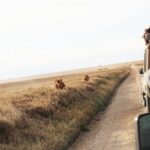
- Ngorongoro Conservation Area game drive: crater country energy, even when the crater visit is optional
- Mount Oldeani is the headline day: you hike from early morning and return by late afternoon
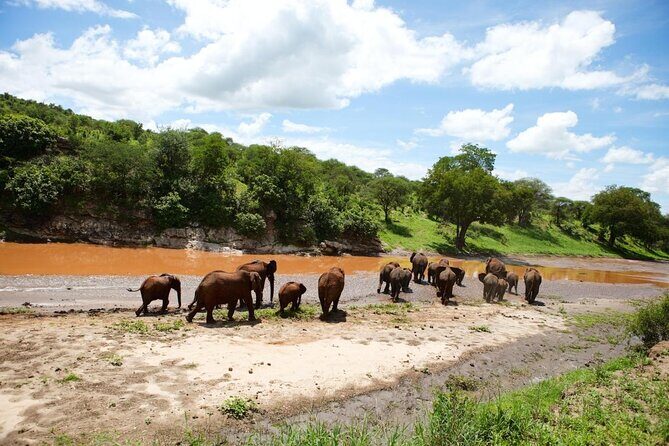
- Tarangire for elephants and birds: a park that often gets shortchanged by rushed schedules
- Small group size (up to 12): easier to feel flexible and keep the day moving
- Open-roof 4×4 safari vehicle: better sightlines for savanna animals and changing light
A Northern Safari That Balances Origins, Big Cats, and Real Effort
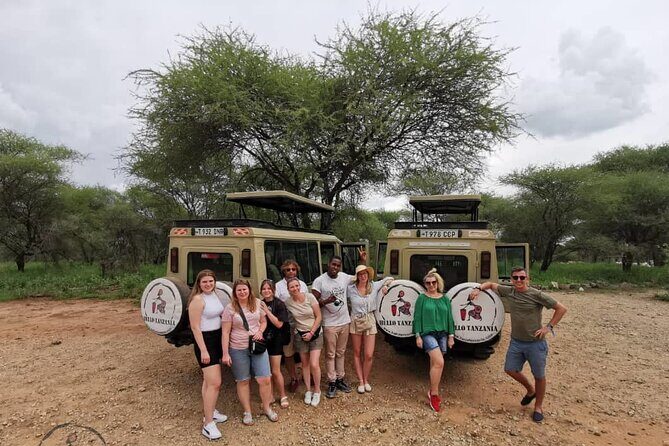
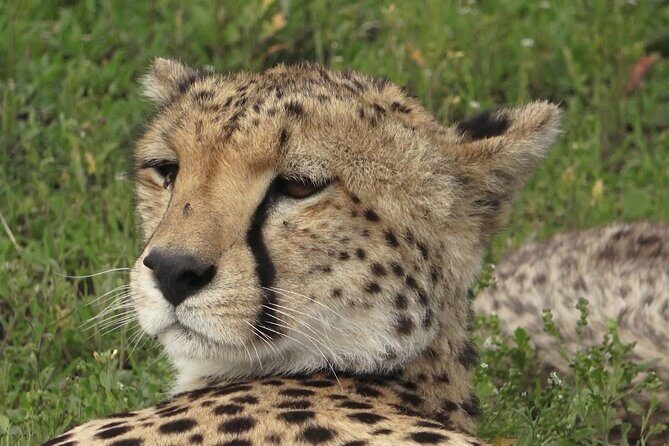
This is a three-day Northern Tanzania circuit that doesn’t pretend to be luxury. It’s more like a focused sampler platter of what makes the region special: the story of early tools at Olduvai Gorge, the lion-and-dramatic-rock world around Ngorongoro, and the elephant-heavy rhythm of Tarangire.
I like the structure because it sets expectations. You’re not just buying a ticket to look out a window. You’re also going to physically be part of the day—especially on Mount Oldeani. That means you’ll remember this trip for more than just the usual sightings list.
If you’re the kind of traveler who enjoys how places connect (volcanoes feeding lakes, crater walls shaping wildlife habitat), you’ll appreciate how the stops connect: Ngorongoro volcanic area down to Lake Eyasi, and then northward to Tarangire’s quieter safari feel.
A few more Arusha tours and experiences worth a look
Price and Logistics: Why $828.24 Can Feel Like a Deal
At $828.24 per person for about three days, the value depends on what you compare it to. This price bundles a lot: professional guide, 4×4 safari vehicle, listed accommodations, and most meals (breakfast twice, lunch three times, dinner twice).
That matters because Tanzania safari costs can get messy fast when you piece things together yourself—guides, vehicle time, park logistics, and meals. Here, you’re paying for a plan that already accounts for long driving days and park days.
A few things to watch:
- The Ngorongoro Crater visit is optional for an additional fee. If your priority is crater views specifically, ask before you go so there are no surprises.
- Travel insurance and airport/departure tax are not included. If you’re coming from outside Tanzania, check what you need for coverage and timing.
Also, comfort is practical rather than plush. The overview notes no AC and a more basic setup. If you’re expecting hotel-style downtime, you might feel it. If you can handle a simple bed and prefer to spend your energy outdoors, you’ll likely enjoy this more.
Day 1 Starts With Olduvai Gorge Museum: Human Origins, Then Game Drive Country
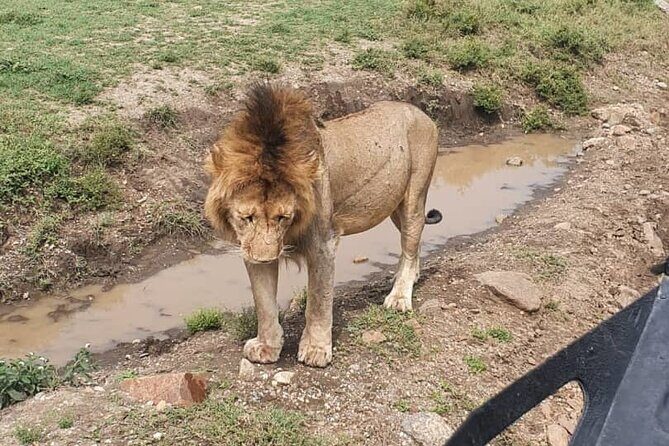
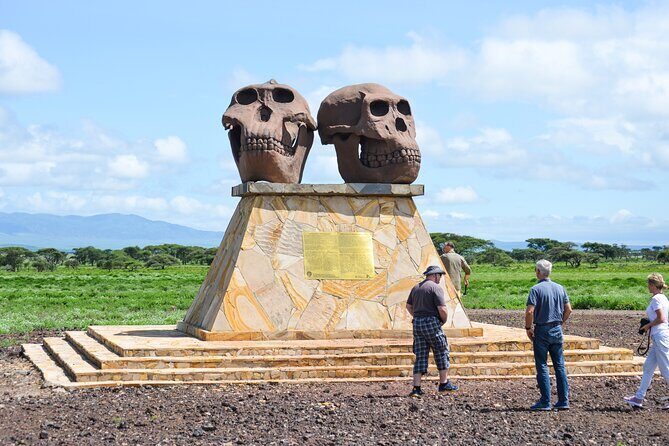
Your first major stop is Olduvai Gorge Museum. Olduvai isn’t just a museum stop you squeeze in before a safari. It’s tied to deep prehistory: early stone tool discoveries that helped define the Oldowan, plus evidence related to the Acheulean transition.
What I like about starting here is the mental shift it creates. You go from mythic savanna impressions to a grounded sense of how humans and landscapes have been connected for ages. Then you step into Ngorongoro conservation-area driving, and the day turns into the kind of contrast that makes travel feel alive.
Olduvai Gorge Museum is allotted around 2 hours, and admission is included. That’s enough time to understand the main story without turning your day into a classroom. After that, you head into the Ngorongoro Conservation Area for a game drive.
There’s an option on the same day: Ngorongoro Crater Visit can be added for an extra fee. If you’re unsure, think about what you want most. If your dream image is the crater from within, the optional add-on may be worth it. If you want maximum time in the wider conservation area, you might choose to keep it as a conservation-area drive.
Ngorongoro Conservation Area vs. the Optional Crater Visit
This is one of those decisions where it helps to clarify your priorities.
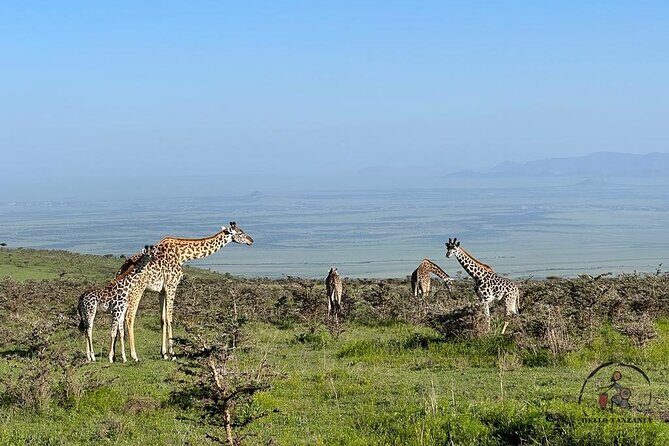
On one hand, the conservation area game drive gives you access to crater country views and wildlife movement without committing to the crater-specific experience. On the other, the optional crater visit is about seeing the famous crater itself—the “8th wonder” reputation people talk about.
Because the crater add-on is priced separately, I recommend doing two things before your date:
- Decide whether seeing the crater is the centerpiece of your trip, or a bonus.
- Ask your guide what the day will look like if you add it. You want to know how that choice affects time and pace.
The good news: even without the crater add-on, you still get an 8-hour block marked for park time with admission included, plus the feel of Ngorongoro’s dramatic terrain.
Day 2: Lake Eyasi and Mount Oldeani—Early Start, Big Views, Moderate Effort
Day 2 is the day you don’t forget easily.
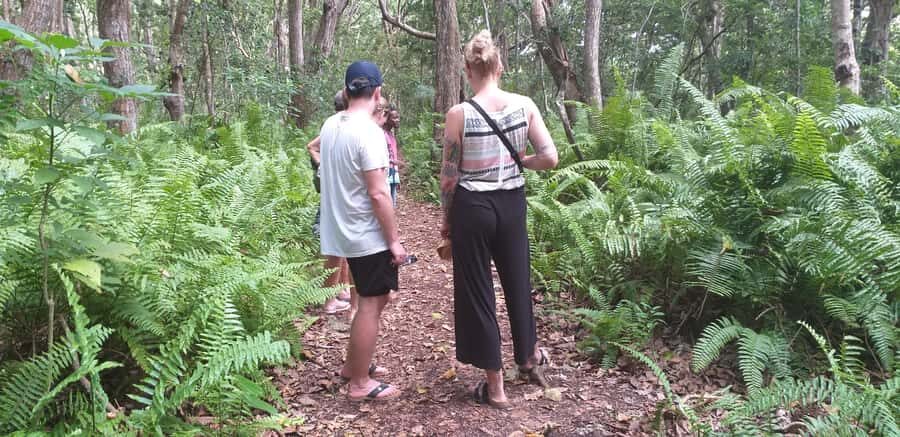
You’ll start early, with a short drive at 6:00am to the climb start point. Then you go up to the top and come back down. You’re looking at returning around 5:00pm—so it’s a full day.
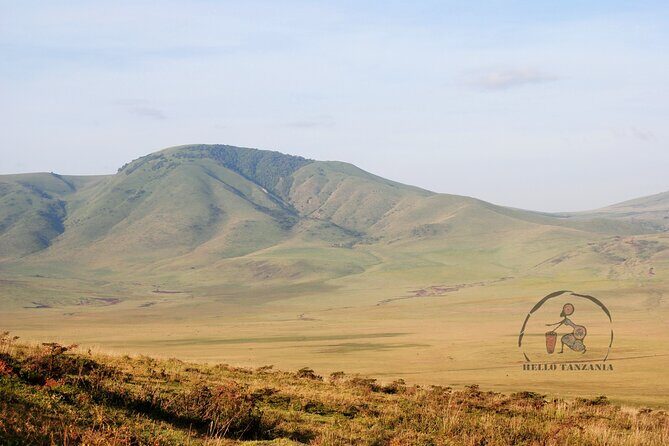
This is also the part of the trip that leans into the “limited budget but real Tanzania” idea. You get out of the car and into a physical challenge, with a clear endpoint. The mountain is described as embedded in the southeast rim of the Ngorongoro national park, and what makes it different is that it’s known locally but not as famous with tourists.
The information you’re given around Mount Oldeani ties it to the region’s volcanic character. It’s an Oldeani volcano, and it drains directly into the northeast end of Lake Eyasi. That connection helps you understand why the views matter: you’re looking over plains and toward a place where water collects after the mountain’s slopes do their work.
What to consider:
- The tour notes a moderate physical fitness level requirement. If you’re worried, be honest with yourself about endurance and steady climbing.
- You’re outdoors for a long day. Plan your pace so you can enjoy the top rather than just surviving the ascent.
A few more Arusha tours and experiences worth a look

How Lake Eyasi Changes the Feel of Your Safari
Even though the climb is the main event, Lake Eyasi gives the day its edge. You’re not only thinking about height and footsteps. You’re also in a region where the mountain drains into the lake system, so the setting feels connected instead of random.
This is where the tour’s value shows up again: it doesn’t just jump from park A to park B. It gives you time in the broader ecosystem around Ngorongoro rather than staying only in the most famous camera angles.
If you enjoy travel where you learn how things connect—volcano to crater rims, mountain to lake—this day will click.
Day 3: Tarangire National Park for Elephants, Quiet Safari Energy, and Birding
Tarangire is scheduled for 8 hours, and this is your final big game-drive day before heading back to Arusha and ending the trip.
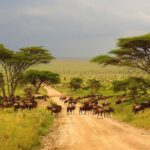
Tarangire is described as slightly off the main safari route, which is a big deal if you’ve ever felt like Northern Tanzania becomes a traffic jam of vehicles. Here, it’s presented as a quieter park with an authentic safari atmosphere.
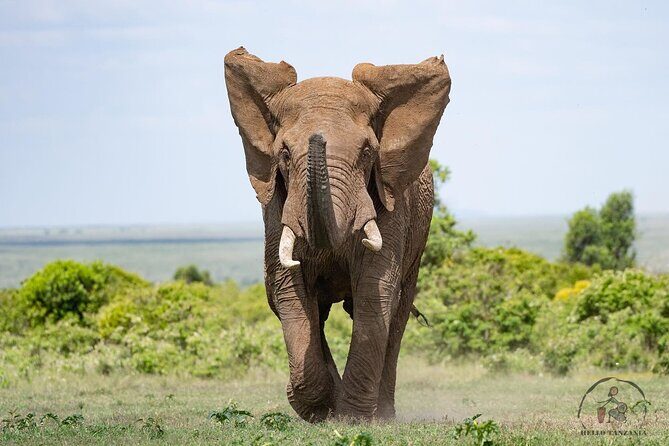
The star is elephants and birding, but the real win is that Tarangire often gets short-changed by travelers who only do a few hours. This schedule gives the park enough time for it to show its character.
If you like wildlife watching that feels less rushed, Tarangire fits. You can spend time scanning for elephants, then switch mental gears for birds without the day feeling chopped up.
Also, your return to Arusha happens after the safari transfer. That’s practical because it keeps your trip from stretching too far beyond the three days you’re paying for.
The Safari Vehicle and Guide: Where the Comfort Tradeoff Pays Off
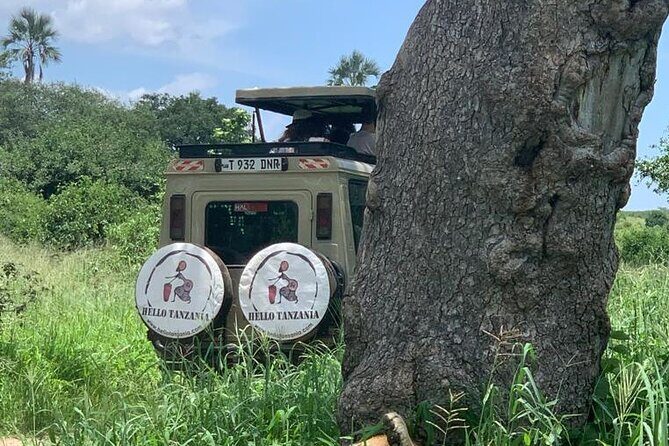
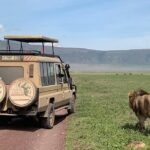
You’ll ride in a 4×4 open-roof/door-to-door safari vehicle. That matters more than it sounds. Open-roof setups typically make it easier to see animals and shoot photos as the light changes throughout the day.
And then there’s the human side: you get a professional guide and pickup. In the best safaris, the guide doesn’t just point. They help you read the landscape—tracks, body language, and the patterns that explain why animals are where they are.
Hello Tanzania Tours is led by Sylwia and her team, and the general theme in the experiences shared around this operator is good organization and responsive communication. That’s not a small thing. When you’re spending long days in remote areas, a smooth handoff and clear guidance can make the difference between relaxed enjoyment and constant small headaches.
Meals and Lodging: Basic by Design, Built for Long Days
This trip includes meals: 2 breakfasts, 3 lunches, and 2 dinners. That’s a major quality-of-life factor during safari days, because hunting for food on the move can wreck your schedule.
Lodging is listed as part of the package, but the overview is clear that this is not about luxury comfort. You should expect simple rooms and fewer modern conveniences. The trade is that you’re paying for vehicle time, guide time, and park access—and you’re waking up to the sounds of nature.
For many travelers, that rhythm is part of the fun. The day starts early, you spend big hours outside, then you come back to sleep and reset. If you’re the kind of traveler who treats lodges as a base camp instead of a destination, this fits well.
Group Size Matters: Up to 12 Travelers Keeps It Manageable
The tour caps at a maximum of 12 travelers, and group discounts are mentioned. That size is often ideal for a safari like this.
Too small and you might feel squeezed into a rigid schedule. Too big and you spend more time waiting than watching. Here, you get a middle ground: enough people for energy and cost-sharing, but not so many that your day becomes a slow conveyor belt.
Who This Safari Fits Best (And Who Should Rethink It)
This experience is a strong match if you want:
- A real Northern Tanzania mix, not just one park day
- The combination of Olduvai origins + Ngorongoro crater country + Tarangire elephants
- A trip that values meaningful time outdoors more than luxury comforts
- A chance to do a moderate physical hike on Mount Oldeani
I’d reconsider if you:
- Need AC and high-end lodging as a non-negotiable
- Don’t handle long days outdoors well, especially the full-day climb schedule
- Only want straightforward, low-effort sightseeing and prefer to avoid a long hike day
There’s also the optional crater decision. If the crater visit is your absolute must, make sure you understand the add-on cost ahead of time.
Should You Book It? My Straight Talk
I’d book this safari if your priorities match the design: wildlife in Ngorongoro country, elephant time in Tarangire, plus a hike that makes the trip feel different from the usual safari loop.
It’s also a solid option for value-minded travelers because the price includes a lot of the expensive moving parts—vehicle, guide, park admission tickets listed for key stops, and multiple meals. That reduces decision fatigue, which is priceless when you’re juggling time in remote areas.
Just make sure you’re comfortable with the comfort level and the fitness demands. If you can handle basic lodging and a long hike day, you’ll probably feel that this trip delivers on what matters.
FAQ
What’s included in the safari price?
The tour includes listed accommodations, listed activities, a professional guide, a 4×4 safari vehicle (open roof / door-to-door transport), pickup, and meals: breakfast (2), lunch (3), and dinner (2). Admission tickets are included for the listed sites and park activities.
Are meals provided during the trip?
Yes. You’ll have breakfast twice, lunch three times, and dinner twice as part of the package.
Is pickup offered from Arusha?
Yes. The experience includes pickup and door-to-door transport.
How many travelers are in the group?
The tour has a maximum group size of 12 travelers.
Is the Ngorongoro Crater visit included?
The Ngorongoro Conservation Area game drive is included, and the Ngorongoro Crater visit is optional for an additional fee.
Do I need a certain fitness level for Mount Oldeani?
The tour notes a moderate physical fitness level is recommended. The climb to Mount Oldeani includes an early start around 6:00am and a full return day around 5:00pm.