REVIEW · MOSHI
10 Days Machame Route Kilimanjaro Climb
Book on Viator →Operated by Real Life Adventure Travel · Bookable on Viator
Machame can feel like Kilimanjaro’s greatest hits. This 10-day climb from Moshi stitches together forest hiking, Shira Plateau moorlands, and a midnight summit bid to Uhuru Peak, with varied terrain all the way up.
I especially like how Machame’s longer, steeper approach helps you build momentum, while still giving you real time to adjust to the altitude. It’s also a package with airport pickup and full guide/porter support, so you’re not piecing the trip together yourself. One consideration: Machame is more demanding than gentler routes, so stamina and knee care matter.
Down low you’ll start in Moshi and move into camp life fast, then finish with the classic Mweka descent that rewards you with big views and that last stretch of altitude relief. If you want an organized, safety-minded trek with scenic payoff, this is a strong fit.
In This Review
- Key highlights to know before you go
- Machame Route: Why the Southwest Approach Feels Different
- Moshi Setup: Airport Pickup and Two Solid Hotel Choices
- Is $3,025 Worth It for a 10-Day Kilimanjaro Climb?
- Day-by-Day: From Machame Gate to Shira Plateau Camps
- Barranco, Karanga Ridge, and the Kibo South Circuit (Days 6–7)
- Summit Night: Midnight Departure to Uhuru Peak at 5895m
- Day 9: Steep Descent to Mweka Gate and a Moshi Shower
- Crews, Safety, and Names to Remember
- What You’ll Feel on Machame (and How to Prepare)
- Should You Book This Machame 10-Day Climb?
- FAQ
- Where does the Machame climb start?
- How long is the Machame route experience?
- What is the start time for the experience?
- What hotels are used in Moshi before the hike?
- What safety or medical items are included?
- Are guide, chef, porter salaries and park fees included?
- Is camping accommodation included during the trek?
- What meals are included?
- What is not included in the price?
- Is free cancellation available?
Key highlights to know before you go
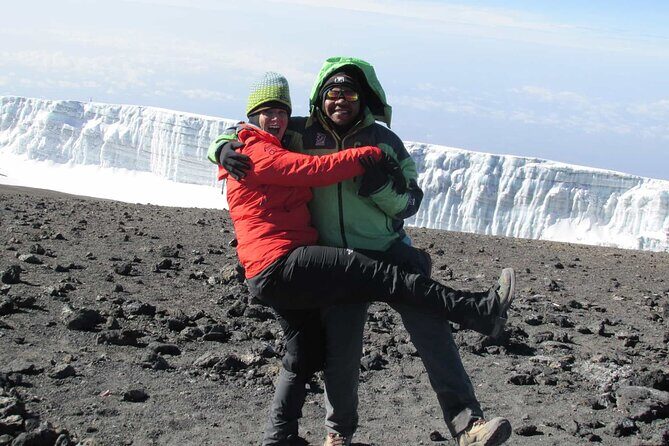
- Machame route terrain: longer hiking days and a steeper trail than Marangu, aimed at more adventurous trekkers
- Smart acclimatization pacing: Shira Plateau moorlands and a key Barranco-focused acclimatization day
- Night summit logistics: midnight departure from Barafu Camp with a push to Uhuru Peak in the morning
- Documented summit altitudes and route points: Stella Point, Rebmann Glacier (4870m), Uhuru (5895m)
- Safety gear included: emergency oxygen, oximeters, and Flying Doctors Insurance, plus a hyperbaric chamber mention
- Classic finish: steep, slippery-possible descent to Mweka Gate with a picnic lunch and return to Moshi
Machame Route: Why the Southwest Approach Feels Different
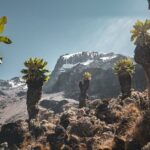
The Machame route is now the big crowd-favorite for a reason: it’s scenic, it’s varied, and it challenges you with longer days. You’re hiking uphill more often, and the trail tends to feel steeper than the more laid-back options, so the whole experience has momentum from the start.
What I like for practical planning is the way this route is structured around altitude reality. You don’t just climb higher and hope for the best. You spend nights around key elevations like the Shira Plateau, then work through moorlands and alpine desert before you’re asked to do a serious summit push.
On the descent side, the route is set up to keep your eyes busy: views of the Shira Plateau, the possibility of an optional scramble up Lava Tower, and the Great Barranco Wall stretch. Even the late stages include a traverse beneath the southern ice field area, so it doesn’t feel like an afterthought trip-down.
You can also read our reviews of more tours and experiences in Moshi.
Moshi Setup: Airport Pickup and Two Solid Hotel Choices
Your journey starts in Moshi, with a trip leader picking you up at Kilimanjaro International Airport and transferring you to your hotel. The two options listed are Bristol Cottages or Parkview Inn, and you’ll be hosted there for your initial rest days.
Day 2 is built for getting your body and gear squared away. You’ll have a morning to rest and relax, then do an orientation plus an equipment check after lunch. After that, there’s a town tour, which is a nice touch because it helps you understand where you are before you disappear into the mountain routine.
If you’re the type who likes simple logistics—clear pickup, a set base hotel, a structured orientation—this Moshi start is a big part of the value.
Is $3,025 Worth It for a 10-Day Kilimanjaro Climb?
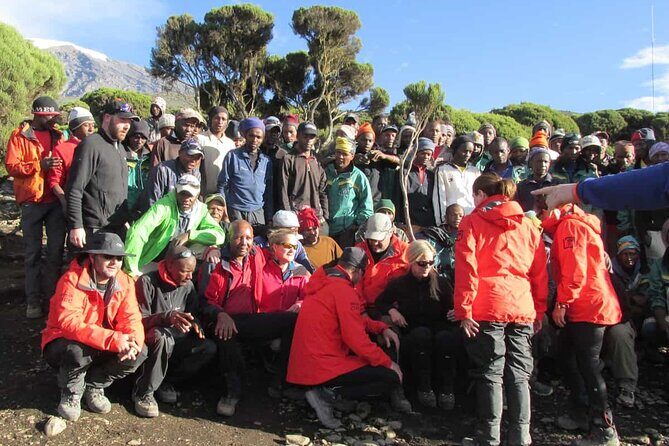
At $3,025 per person, this is not a bargain trek. The good news: the price includes a lot of what usually inflates Kilimanjaro costs later.
Here’s what’s included:
- All park fees
- Guide, chef, and porters salaries
- Camping accommodation during the hike
- Boiled or filtered water on the mountain
- Emergency oxygen, oximeters, hyperbaric chamber, and Flying Doctors Insurance
- A full meal set across the trip (breakfast, lunch, dinner are covered on the days listed)
And what’s not included:
- Flights and visa fees
- Tips
- Alcoholic and soft drinks
- Personal spending money
- Travel insurance (separately)
From a value angle, the inclusion of medical and safety support is the real line in the sand. Oxygen and oximeters don’t guarantee success, but they do signal that the operator takes risks seriously. Add trained staffing (guides, chefs, porters) and camping support, and the price starts to make sense as a fully run mountain operation—not just a guide with a backpack.
One more practical cost note: tips are not included. That matters in a budget, especially if you’re planning from home.
Day-by-Day: From Machame Gate to Shira Plateau Camps
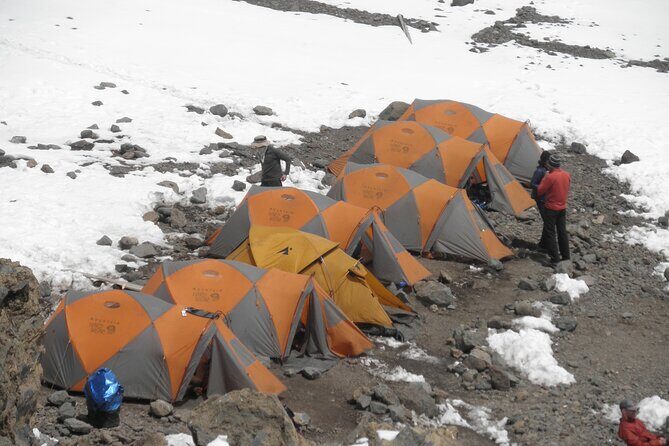
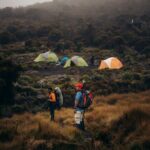
You’ll leave your Moshi hotel after breakfast around 9:30am and drive to Machame Gate to meet your guide team and porters. The first hiking day goes from Machame Gate to Machame Camp at about 3000m. Expect roughly 5–7 hours through thick tropical forest. It’s not just scenery. Forest hiking tends to keep you warm and moving, which can be great for starting your rhythm.
Day 4 shifts into an acclimatization style day. You hike around streams, a river gorge, and moorlands, then camp on the Shira Plateau with views of Kilimanjaro and Mount Meru. It’s listed as about 4–5 hours, and those hours are designed to help your body adjust without pushing too aggressively.
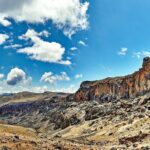
Day 5 is an important acclimatization day that climbs up to 4250m (15,000’) before you spend the night at Barranco. The route moves from moorlands into alpine zone, where only the toughest grasses and lichens survive. You’ll also get solid views in clearer weather, then you descend into a gorge (Barranco in Swahili). This day is listed as 5–6 hours with fair amounts of up-and-down, which can feel tiring even if it’s not a technical climb.
Practical takeaway: these first days set your pace. You’re not trying to win the mountain. You’re building endurance and learning how your breathing feels as altitude increases.
Barranco, Karanga Ridge, and the Kibo South Circuit (Days 6–7)
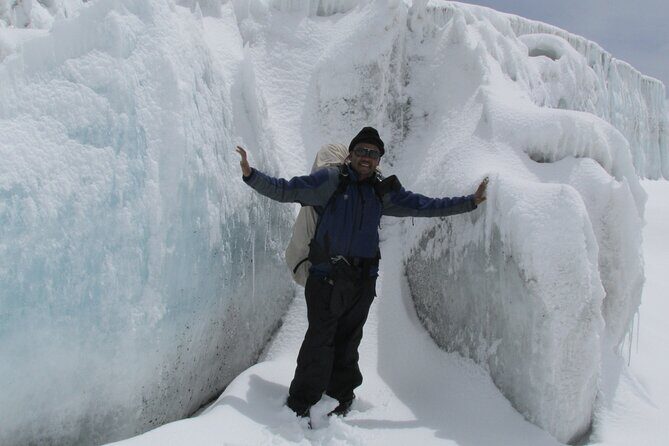
Day 6 starts with a hike that includes the Barranco wall. It’s described as not a technical climb, but it’s still a real effort and a good stress test for legs. After that, you follow the Kibo South Circuit, and in clear weather you can see Kibo’s southern glaciers.
This day is also relatively short: 3–4 hours and arriving at camp located just after the Karanga Valley, set atop a ridge by lunchtime. That timing is useful because it gives you rest hours when you’ll need them later. It’s a valuable acclimatization day that focuses on walking in ridges and valleys without demanding nonstop climbs.
Day 7 is the staging chapter. The trail becomes steadily uphill toward Barafu Camp. The air gets colder and the surroundings more sparse as you work up to a high, exposed ridge. Barafu means ice, which is a nice mental cue for what the final push feels like.
You’ll hike about 4–5 hours and reach camp by late lunchtime. That’s important because you’re building a summit body clock. The earlier you can rest, eat, and plan your summit layers, the better your night will go.
If you’ve got knee issues, listen to your body here. These days are where you can still adjust your strategy.
Summit Night: Midnight Departure to Uhuru Peak at 5895m
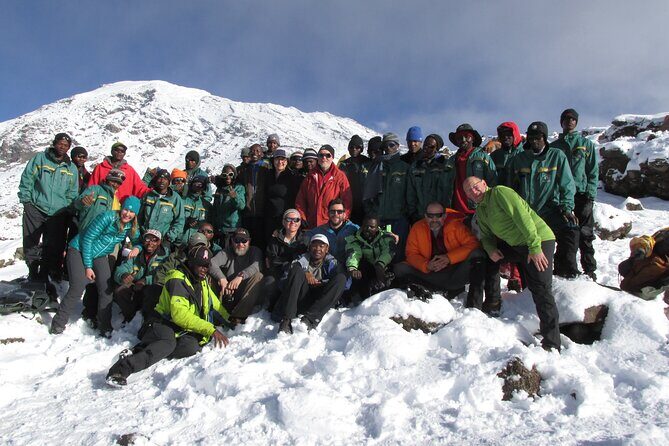
Day 8 is the big one. You’ll leave camp at midnight (12:00am) for the climb from Barafu to Stella Point. The route is described as fairly steep, and it’s long: around 7–8 hours total for the day.
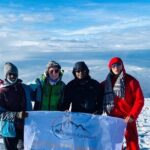
At Rebmann Glacier (4870m) you head north between Rebmann and Ratzel Glacier, and weather permitting you’re in for stunning views. Then you reach the crater rim just west of Stella Point, connect to the main trail, and make the last leg to the summit at Uhuru Peak (5895m).
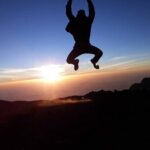
You’re scheduled to reach Uhuru around 8 a.m., when morning light can help you see Africa in all directions—before clouds close in. After that, you head back down via the Mweka descent route segment.
This day is a test of pacing, not just legs. The early start helps you summit before the clouds thicken, but it also means you’ll be managing fatigue and cold exposure all at once. If you’re the type who hates waiting in line, you’ll like this plan more than you might think—once you’re moving, it’s a steady grind.
Day 9: Steep Descent to Mweka Gate and a Moshi Shower
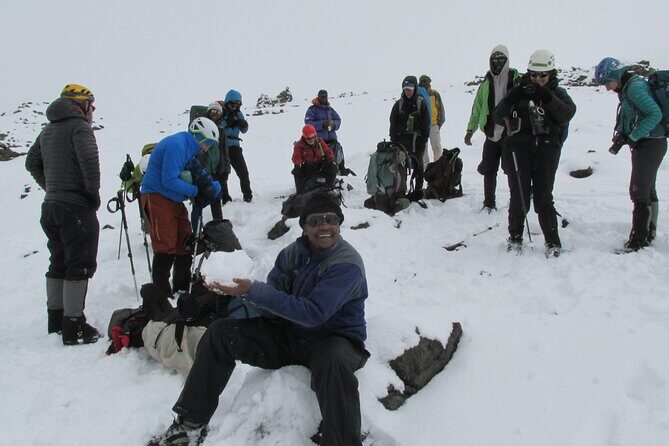
Day 9 is your last hike: a descent of about 3,500 feet down to Mweka Gate, for roughly 3–4 hours. It’s steep in places and may be slippery if wet, so trekking poles are recommended. This is one of those days where technique matters more than speed.
At the gate you say goodbye to your mountain crew and enjoy a picnic lunch. Then you transfer back to your Moshi hotel for the much-welcome hot shower at the end of the climb.
Day 10 depends on your next step. If you’re flying home, you’ll be transferred to Kilimanjaro International Airport. If you’re continuing on safari or toward Zanzibar, pickup at your hotel continues your itinerary.
Crews, Safety, and Names to Remember
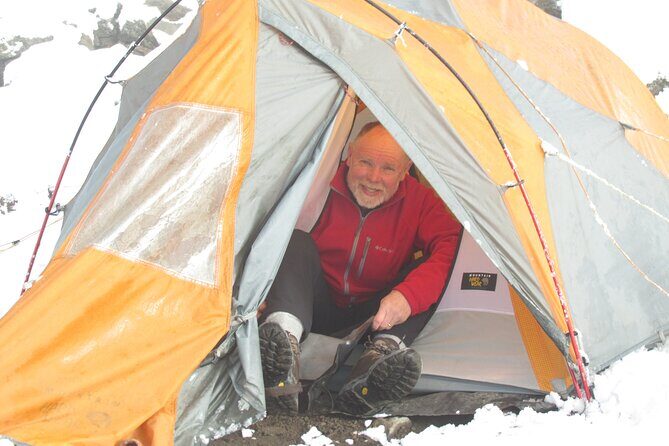
A Kilimanjaro climb is only as smooth as the people running it behind the scenes. This operator builds the trek around professional guides, a chef, and porters, plus the included logistics that keep camp life functioning.
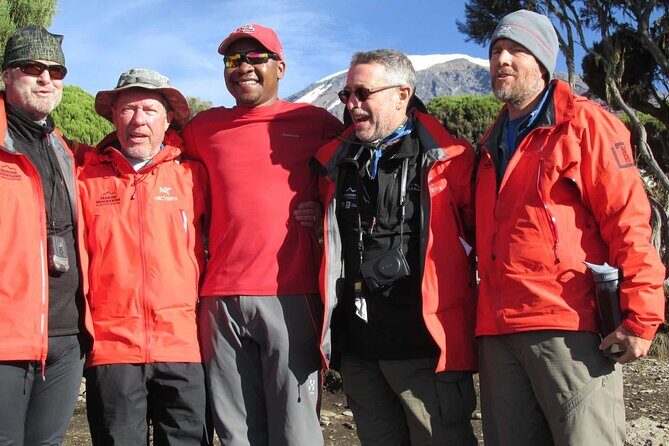
From feedback you can actually pick out names. Freddie Chikima shows up in one account praising professionalism and support, and other feedback highlights guides like Hans and Wilfred, including a memorable moment at the summit. That’s a useful sign: you’re not just buying a route. You’re getting a team.
Safety-wise, the included details matter:
- Emergency oxygen
- Oximeters
- Mention of a hyperbaric chamber
- Flying Doctors Insurance
No one can remove altitude risk from Kilimanjaro. Still, I like that the package lists these supports clearly instead of treating them as optional add-ons.
What You’ll Feel on Machame (and How to Prepare)
Machame’s most honest promise is also its most serious one: it’s challenging. The trail is longer and steeper than some common alternatives. That doesn’t mean it’s only for athletes, but it does mean you should train for sustained hiking, not just short bursts.
Plan around three real factors:
- Cold at altitude, especially on summit night
- Leg fatigue from longer hiking days and up-and-down walking
- Downhill stress on Day 9, which can hit quads and joints
You’ll likely feel the altitude most on the days focused on Shira Plateau and later Barranco and Barafu. If you take acclimatization seriously—slow pace, steady breathing, and rest when offered—you give yourself the best possible shot within the limits of physiology.
Also, the meal plan is built into the schedule, which is helpful. You don’t want to make food decisions on a mountain. Eat what’s provided, drink within your comfort level, and conserve energy when your body asks for it.
Should You Book This Machame 10-Day Climb?
Book this if you want:
- The Machame route specifically, with a more adventurous, varied feel
- Strong structure: airport pickup, hotel base, orientation, guided climb, and return transport
- Included operational support like guides, porters, camp setup, and safety gear such as oxygen and oximeters
Skip it or ask harder questions first if:
- You’d rather choose a gentler route style with shorter hiking days (Machame is longer and steeper)
- Your knees or legs struggle with sustained uphill and steep downhills, since Day 9 can be slippery and steep
If your goal is a classic Kilimanjaro experience with clear staging for acclimatization and a well-timed summit push, this package fits the bill. Just go in with realistic expectations for effort, pack smart, and treat acclimatization days as part of the climb—not a break from it.
FAQ
Where does the Machame climb start?
The trip starts in Moshi, Tanzania. You’ll be picked up upon arrival and taken to your hotel before the climb begins.
How long is the Machame route experience?
It runs for about 10 days, including time in Moshi and the full ascent and descent.
What is the start time for the experience?
The listed start time is 8:00am.
What hotels are used in Moshi before the hike?
The itinerary lists Bristol Cottages or Parkview Inn for your nights at the start of the trip and during the return.
What safety or medical items are included?
Included items list emergency oxygen, oximeters, a hyperbaric chamber, and Flying Doctors Insurance.
Are guide, chef, porter salaries and park fees included?
Yes. Park fees and the salaries for the guide, chef, and porters are included.
Is camping accommodation included during the trek?
Yes. Camping accommodation during the hike is included.
What meals are included?
Boiled or filtered water is included on the mountain. Breakfast, lunch, and dinner are included on the days listed in the package details.
What is not included in the price?
Not included: international or local flights, visa fees, alcoholic and soft drinks, personal spending money, tips, and travel insurance.
Is free cancellation available?
Yes. You can cancel up to 24 hours in advance for a full refund, based on the experience’s local time.