REVIEW · DAR ES SALAAM
Dar es Salaam: Tuk-Tuk Tour, Street Food & Local Lifestyle
Book on GetYourGuide →Operated by MAKALA TRAVEL AND ADVENTURES · Bookable on GetYourGuide
Every turn in Dar es Salaam tells a story. On this tuk-tuk tour, I love the energy of Kariakoo Market and the chance to taste Swahili street food the local way. The one thing to watch is pickup reliability, so confirm meeting details the day before.
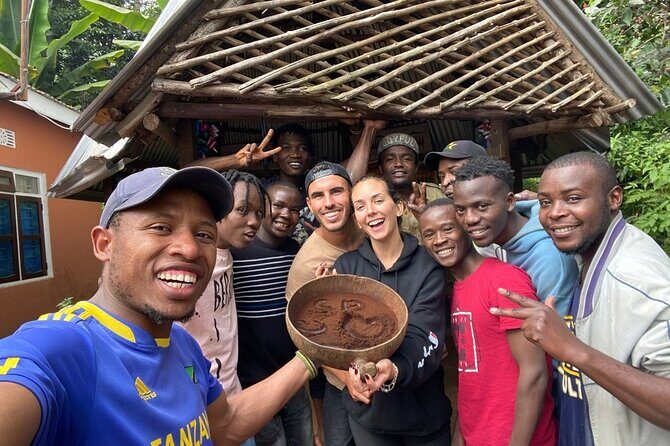
You’ll also get a real local rhythm: a driver-guide who can explain what you’re seeing as you move from one stop to the next. If you’re lucky, you may meet Glory, whose approach impressed one past booking with flexibility and a strong sense of what to show you.
In This Review
- Key highlights you’ll actually use
- Why a tuk-tuk tour is smart for Dar es Salaam
- Kariakoo Market: smells, shopping, and the real “how people live”
- Swahili street food tasting: chapati, mishkaki, maize, and juice
- What to keep in mind while you eat
- Mwenge Woodcarvers’ Market: craft work you can watch happen
- Village Museum huts: tribal heritage explained through traditional homes
- The Swahili café finish and your ride back through neighborhoods
- Price and value: what $65 covers for a half-day plan
- Who this tour is best for (and who should skip it)
- Should you book the Dar es Salaam tuk-tuk tour?
- FAQ
- How long is the tour?
- What’s the price?
- What does the tour include?
- What food will I taste?
- What languages are available for the live guide?
- What’s the minimum age?
- Is alcohol allowed on the tour?
Key highlights you’ll actually use
- Kariakoo Market with a guide so you don’t just pass through
- Swahili street food tasting including chapati and mishkaki
- Mwenge Woodcarvers’ Market where artisans are working in real time
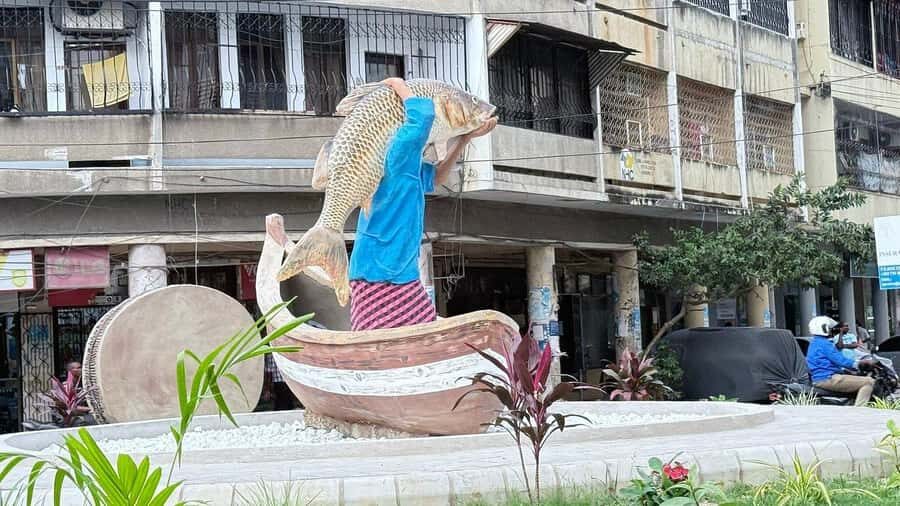
- Village Museum featuring traditional huts from different Tanzanian tribes
- Chai ya tangawizi or fresh coconut water to wrap up the experience
- 4 hours in a tuk-tuk that keeps you moving without exhausting yourself
Why a tuk-tuk tour is smart for Dar es Salaam
Dar es Salaam can feel like motion from the first minute—lots of people, sights, and small streets that don’t always make sense if you’re only reading a map. A tuk-tuk solves that by getting you close to everyday life without the stress of driving or finding parking.
This one is also built for variety in a short window. You’re not only shopping or only eating. You mix markets, food stops, craft work, a cultural museum visit, and then neighborhoods back toward your pickup point. That combo is exactly why it works for a first afternoon or a half day when you want context, not just a checklist.
One practical note: it’s a shared 4-hour plan with a set flow, so you’ll get the most out of it if you’re comfortable walking a bit and staying flexible with timing. If you want to move at a museum-calm pace, bring patience for busy market legs.
You can also read our reviews of more food & drink experiences in Dar Es Salaam

Kariakoo Market: smells, shopping, and the real “how people live”
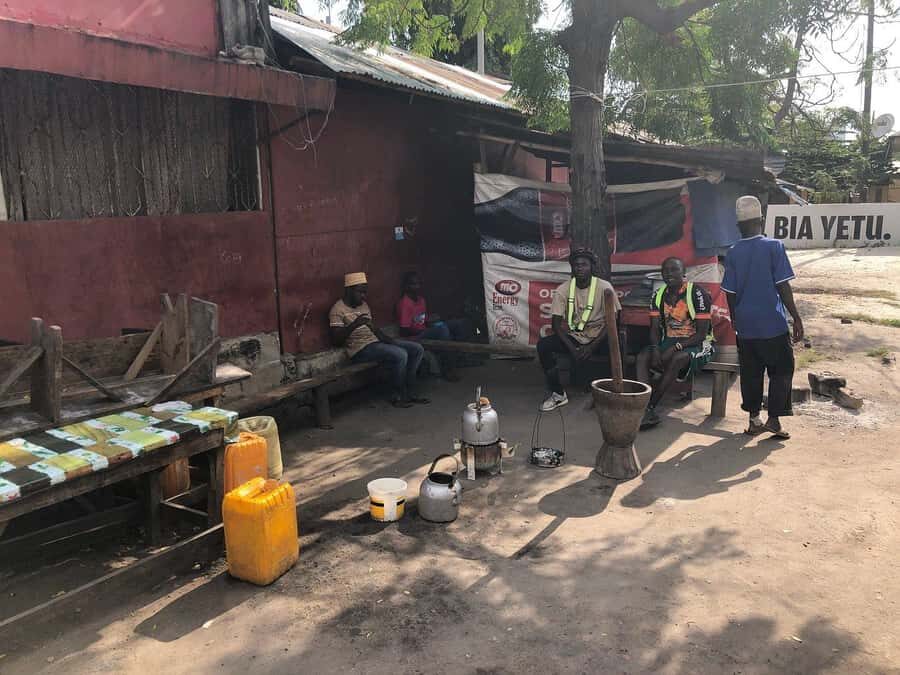
Kariakoo Market is the centerpiece for your first stretch, and it’s where you’ll start to understand the daily pulse of Dar es Salaam. Expect a concentrated mix of stalls and shoppers—spices in the air, tropical fruit on display, and the general hum of people doing their normal errands.
With a driver-guide leading the way, you’re not left guessing what to look for. You get a guided walking portion (about 1.5 hours), which matters in places like this. Markets aren’t designed for visitors to “figure it out” quickly. A guide helps you focus on what’s safe, what’s worth a closer look, and what’s mainly for locals rather than souvenirs.
What I like here: it’s not staged. Even if you’re new to Tanzania, you’re dropped into a space where people barter, compare prices, and buy the ingredients and essentials of everyday life. You’ll probably notice details you would miss from a distance—how people package items, how stallkeepers talk, and what products show up repeatedly.
Possible consideration: it can be hot and crowded. Wear comfortable shoes and plan on using your sunscreen and hat. If you hate shoulder-to-shoulder situations, Kariakoo may feel like a lot—take breaks, hydrate, and pace yourself.
Swahili street food tasting: chapati, mishkaki, maize, and juice
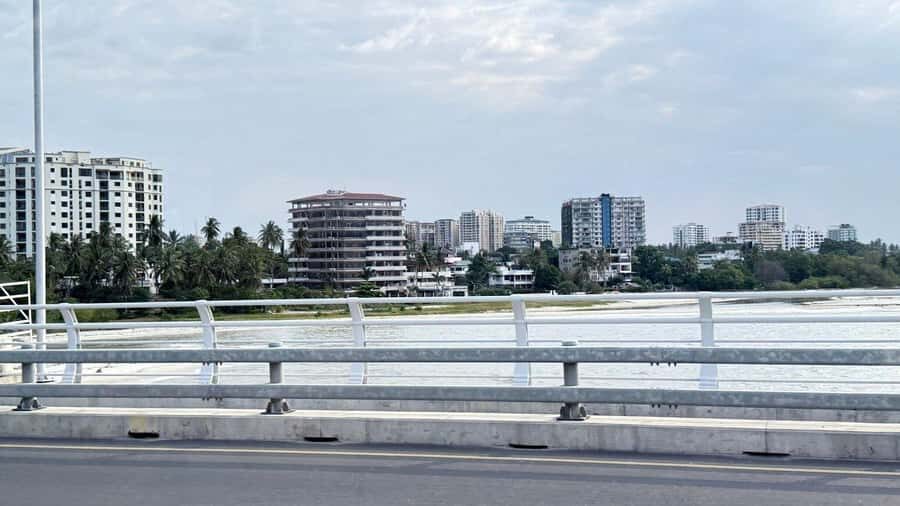
The street food stop is one of the most useful parts of the tour because it turns “food curiosity” into actual taste. You’ll sample Swahili-style items like chapati and mishkaki (meat skewers), plus roasted maize and fresh juice.
Food tastings are always a little tricky on group tours. You’re not in charge of the menu, and you might get portions that are more about variety than a full meal. But in this case, the inclusion list is clear: snacks and juice are part of the deal, so you know what to expect rather than hoping you’ll be fed.
What to keep in mind while you eat
- Stick to the items offered during the tasting. They’re included for a reason.
- Carry cash for anything extra you notice during market browsing.
- Go for simple, approachable tastes first, especially if you’re sensitive to spice.
If you want to learn something beyond just eating, ask your guide what makes each item “Swahili” and how locals typically enjoy it. Even a quick explanation can help you understand the difference between street food you watch and street food you truly try.
Mwenge Woodcarvers’ Market: craft work you can watch happen
After Kariakoo, you shift from shopping energy to craft focus at Mwenge Woodcarvers’ Market. This stop runs about 1.5 hours and is built around seeing artisans at work, not just browsing finished souvenirs.
You’ll find woodcarving pieces that range from masks to furniture and smaller keepsakes. The key here is process. Watching someone carve details by hand helps you appreciate why certain items cost what they cost, and why quality varies from stall to stall.
What I like: this is the part of the day that turns memories into something you can hold. A market isn’t only for buying; it’s also for understanding. When you see the effort behind a mask or the time behind a carved panel, you’re less likely to feel like you paid for “random stuff.”
Possible consideration: this is a shopping-focused environment. If you don’t want to spend, you still can enjoy it—just set expectations early. Look, ask questions, and treat it like a craft demo you happen to pass through.


Village Museum huts: tribal heritage explained through traditional homes
Next comes the Village Museum, where the tour slows down in a good way. It’s about 2 hours and centers on traditional huts representing different Tanzanian tribes. The stop is guided, and the idea is to give you insight into rural lifestyle, cultural practices, and heritage.
A museum visit can sometimes feel like “reading labels.” Here, the guided approach makes it more practical: you’re not only seeing structures, you’re learning what they represent. Even if you only understand part of the story, the visuals help your brain connect Tanzania’s cultural diversity to something real and physical.
What I like: you get cultural context without needing to leave the city. That’s a major value for people on a tight schedule. If you’re interested in anthropology, architecture, or simply how homes shape daily life, this stop gives you a thoughtful contrast to the market sections.
Possible consideration: museums can be warm and outdoorsy depending on layout. Comfortable clothes and shoes matter again. If you’re tired from market walking, take short breaks and focus on the huts that grab your attention most.
The Swahili café finish and your ride back through neighborhoods
To close things out, you’ll stop at a Swahili café for a drink like chai ya tangawizi (spiced tea) or fresh coconut water. This isn’t just a pleasant pause. It’s a way to end the day with a taste that feels connected to the rest of what you saw.
Then you ride back through local neighborhoods toward your hotel or meeting point. That final tuk-tuk ride matters because it “threads” the day together. After markets and museum time, getting back through the streets helps you remember what Dar es Salaam feels like day to day.
If you’re the kind of person who likes to decompress while you watch, this final segment is a good payoff. You’ll get visuals without the pressure of another stop.
One safety note from the basic rules: alcohol and drugs aren’t allowed on the tour, so keep it to non-alcoholic drinks like the ones included.
Price and value: what $65 covers for a half-day plan
At $65 per group (up to 1), this tour is priced like a practical local experience, not a high-end private driver package. The value mainly comes from the combination of transportation + guided market time + included tastings + admission at the Village Museum.
Here’s what you’re getting for that price:
- Tuk-tuk transport for 4 hours
- A professional local driver-guide
- Street food tasting (snacks and fresh juice)
- Entrance fees for the Village Museum
- Bottled water
When this feels like a good deal: if you want someone to handle the route and explain the meaning behind what you’re seeing, $65 can actually be efficient. The tastings also save you from guessing where to eat and what to order for a first-time visit.
When it might not: if you already have a reliable driver, and you plan to eat well on your own anyway, you might feel you could build your own route. But for most people, the guided flow reduces wasted time and gives structure to a city that can be hard to read quickly.
Finally, a note on reliability: one past booking reported a missed pickup with no response on whether pickup would happen. That doesn’t mean it will happen to you, but it’s a good reminder to confirm your pickup details clearly the day before and keep your contact info handy.
Who this tour is best for (and who should skip it)
This fits best if you want:
- A first-timer-friendly overview of Dar es Salaam by market + culture + food
- A short day plan that still includes multiple distinct experiences
- A guide who helps you interpret what you’re seeing (especially at Kariakoo and the Village Museum)
It’s also a solid match for people who prefer movement without long transit times—tuk-tuk keeps you mobile. And if you like crafts, Mwenge is the kind of stop where you can take your time and ask questions.
It’s not the best fit if:
- You want a super quiet, slow itinerary
- You dislike crowded market settings
- You’re traveling with a child under the minimum age of 6 years
Wheelchair accessibility is listed, which is encouraging. As always, I’d still think about comfort and walking segments, since markets and museum areas can involve uneven surfaces and short transfers.
Should you book the Dar es Salaam tuk-tuk tour?
I’d book this tour if your goal is to understand Dar es Salaam quickly using everyday places: Kariakoo’s shopping energy, Swahili street food tastes, Mwenge’s real craft work, and the Village Museum’s cultural storytelling. The included tastings and entrance fees reduce uncertainty, and the tuk-tuk format keeps the day manageable.
Skip or reconsider if you’re extremely sensitive to heat, crowds, or if you need a fully flexible schedule with no set route. Also, do a quick sanity check on pickup coordination before you go, since at least one booking had an issue there.
If you want a balanced first introduction that connects food, crafts, and culture in 4 hours, this is a strong option.
FAQ
How long is the tour?
The tour lasts 4 hours.
What’s the price?
The price is $65 per group (up to 1).
What does the tour include?
It includes tuk-tuk transport for 4 hours, a professional local driver-guide, street food tasting (snacks and fresh juice), entrance fees for the Village Museum, and bottled water.
What food will I taste?
You’ll have street food tasting that includes chapati and mishkaki, plus roasted maize and fresh juice.
What languages are available for the live guide?
The live tour guide is listed as English or French. The tour also operates in German.
What’s the minimum age?
The minimum age is 6 years.
Is alcohol allowed on the tour?
No. Alcohol and drugs are not allowed.