REVIEW · ZANZIBAR CITY
Zanzibar: Stone Town, Spice Tour, Prison Island with Lunch
Book on GetYourGuide →Operated by Beach & Safari Holidays · Bookable on GetYourGuide
Tortoises and spices share one packed day. This is a smart introduction to Zanzibar that pairs Stone Town streets with a spice farm sensory walk and ends at Prison Island for the giant Aldabra tortoises. It’s a lot to fit in, but the order makes it feel logical rather than random.
I love the spice farm experience where you smell, touch, and taste everything from clove and cinnamon to vanilla and cardamom, plus you can buy spices and even farm-made soaps. I also like that Stone Town isn’t treated like a postcard only; you get landmarks plus the darker trade history tied to the slave markets, so the city makes more sense.
The main drawback to plan around is pacing. Prison Island and Stone Town can feel a bit rushed, and the boat ride is quick—so if you’re prone to motion discomfort, go in expecting a more active transfer.
In This Review
- Key things to know before you go
- Zanzibar in One Long Day: Stone Town, Spices, Prison Island
- Price and value: what $68 buys you (and what it doesn’t)
- Stone Town walking tour: narrow streets, big stories, and carved doorways
- Spice farm tour with lunch: clove, vanilla, and the smell that changes everything
- Prison Island and Changuu: fast boat, giant Aldabra tortoises, and prison history
- How the day feels in real time: pace, waiting, and where it can pinch
- Who should book this Stone Town + spice + tortoise combo
- Should you book it? My take on the best decision
- FAQ
- How long does the Stone Town, Spice Tour, and Prison Island experience take?
- Do you get hotel pickup and drop-off?
- Is lunch included?
- What happens at the spice farm?
- How do you get to Prison Island?
- Are tickets included for Prison Island and slave market areas?
- Is this tour suitable for older travelers or people with mobility issues?
Key things to know before you go
- Spice farm first, lunch included: You start with aromas and end with a traditional Swahili meal on site.
- Stone Town landmarks with context: Sultan’s Palace, Old Fort views, and slave market history are part of the story.
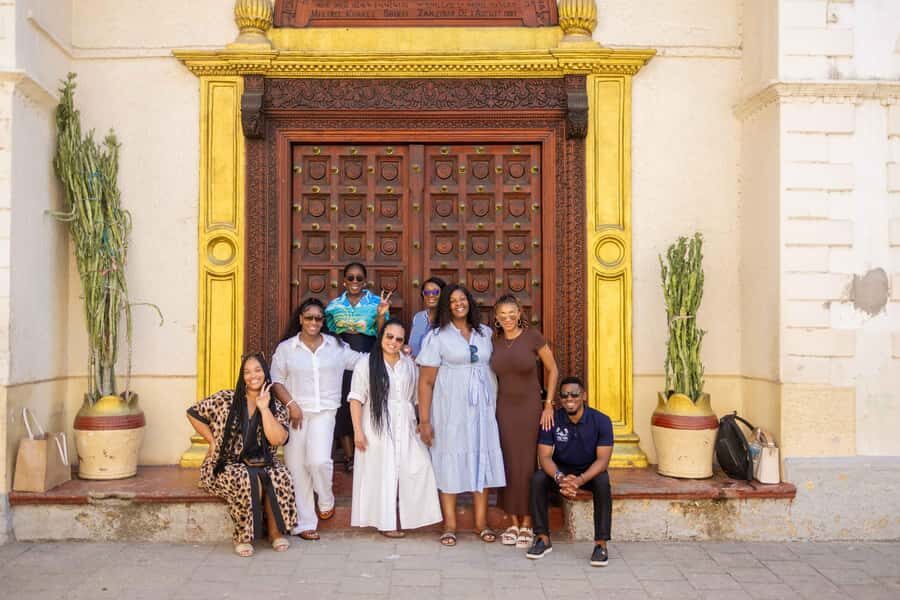
- Carved doorways and coral-stone streets: The built environment is a star here.
- Aldabra giant tortoises up close: Large, calm animals imported from Seychelles, on a small island.
- Small, fast boat rides: Hold on—some rides can feel rough.
- Full day logistics: Shared departures can include hotel pick-up waiting time.
Zanzibar in One Long Day: Stone Town, Spices, Prison Island
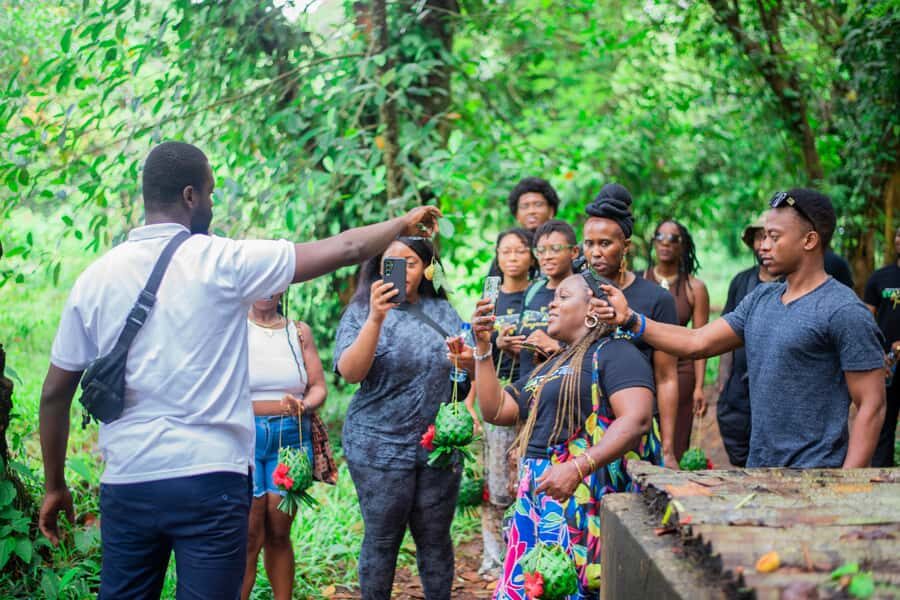
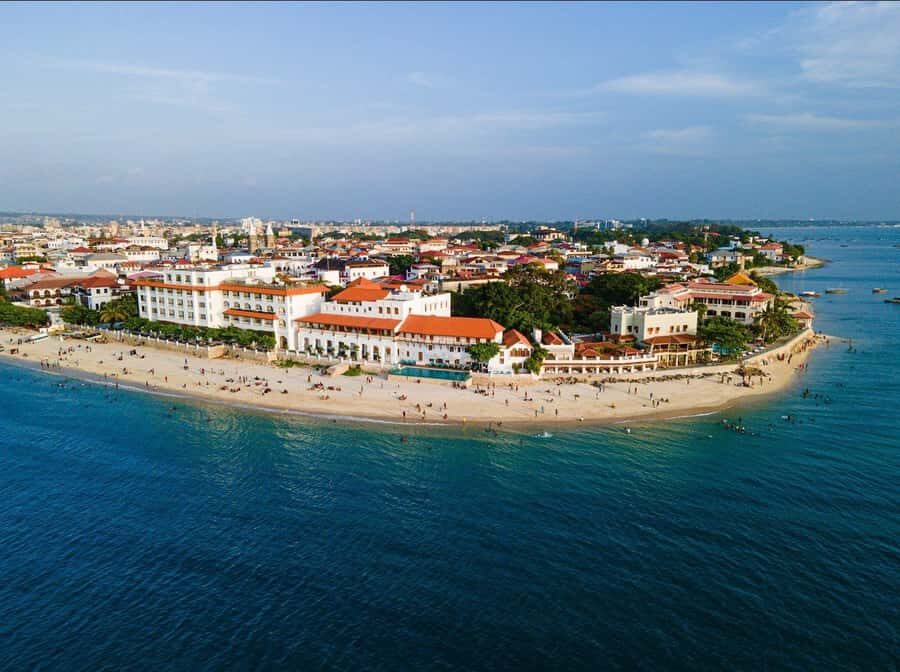
If you have just a short stop in Zanzibar, this kind of day trip is a lifesaver. You get three different sides of the island in one route: the trading-port city (Stone Town), the plantation heritage (spice farm), and the animal-and-history stop (Prison Island).
What makes this experience work is the flow. You begin with orientation in Stone Town so the places you see later feel connected. Then you switch to the senses—spices, fruits, and cooking uses—so Zanzibar’s nickname stops being a slogan and starts being practical knowledge. The day ends with the tortoises, which is the perfect “slow down” moment after walking.
At $68 per person for roughly 6 to 9 hours, you’re paying for real time plus guide handling: hotel pickup and drop-off, guided stops, and the boat transfer to Prison Island. It’s not a budget-only outing, but it’s also not just a “sit and watch” day. You’ll walk, smell, listen, and spend time at each location rather than skipping through.
A few more Zanzibar City tours and experiences worth a look


Price and value: what $68 buys you (and what it doesn’t)

For $68 per person, you’re getting a full guided day with transportation across Zanzibar town and the offshore island. The included parts are the big ones: hotel pickup and drop-off, an English-speaking guide (and experienced driver), guided visits at the spice farm, Stone Town, and Prison Island, and the boat transportation.
Lunch is also included when you select that option, and it’s one of the reasons this trip feels like more than a tour of viewpoints. The spice farm meal is described as traditional Swahili, often centered around filling staples like pilau rice. Even when people had mixed feelings about lunch quality, most still say the overall spice farm portion is worth the effort.
What you might pay extra for, depending on your selected inclusions:
- Entry tickets (if the option is selected)
- Prison Island entry ticket (if the option is selected)
- Optional slave market museum entry (not always included; one ticket mentioned is $10 per person)
So the best way to think about the price is simple: you’re paying for time saved and someone to translate Zanzibar—history, spices, and island details—into something you can actually use during your stay.
Stone Town walking tour: narrow streets, big stories, and carved doorways
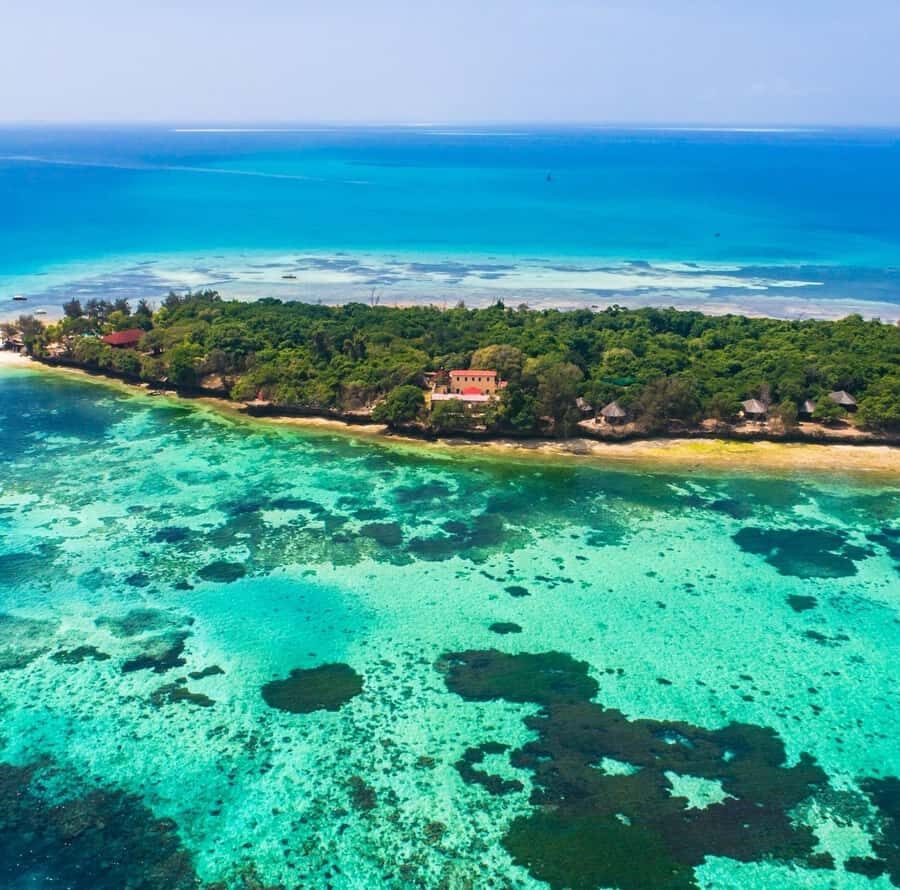
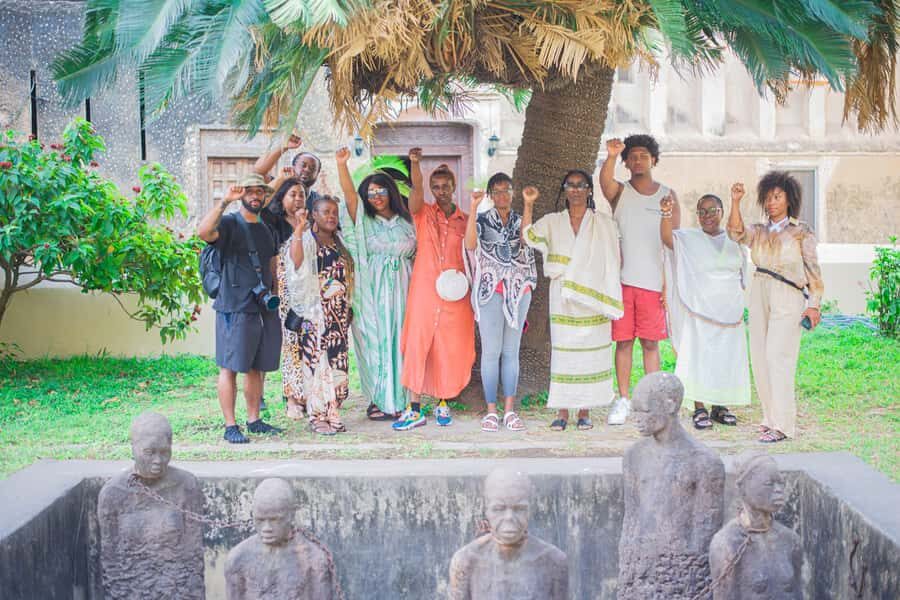
Stone Town is where Zanzibar’s layers show up fast. You’ll spend time walking the older part of Zanzibar City with stops tied to major landmarks and everyday life. Expect coral-stone buildings, close-up architecture, and the kind of alleyways where you quickly realize why a map alone doesn’t help—someone who knows the streets matters.
In the morning, the tour typically covers key points such as:
- Sultan’s Palace area and other palace-era buildings
- Old Fort photo opportunities
- Market areas and the general bustle of daily trade
- Slave market context, presented as a real part of Zanzibar’s trading past
People often rave most about the historical framing here. You don’t just get names; you get explanation of why the port mattered and how different cultures shaped the city. Zanzibar is recognized as a UNESCO World Heritage site (designated in 2000), and you’ll see the blend of influences reflected in the design and layout.
Practical tip: Stone Town can get crowded with people selling things. Go in with a shopping strategy. If you like crafts, take a look. If you don’t, keep your route and let the guide steer you to the best photo spots rather than drifting into sales pitches.
Guide notes from real experiences include names like Hassan and Ibrahim for the Stone Town + Prison Island day, and Ali for the Stone Town walking part. When guides are good, you end up remembering small details—like architecture quirks and local stories—more than the checklist.
Spice farm tour with lunch: clove, vanilla, and the smell that changes everything
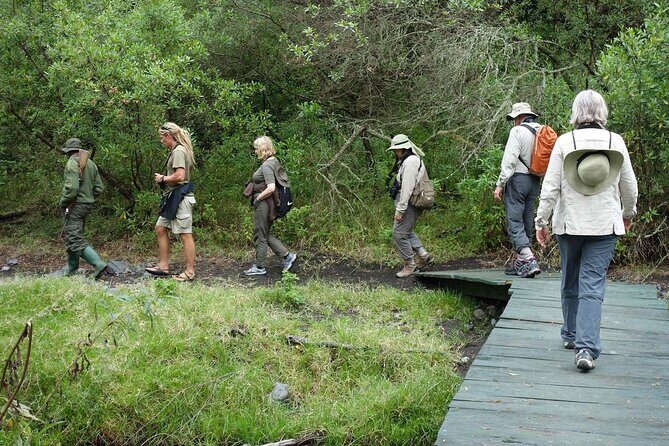
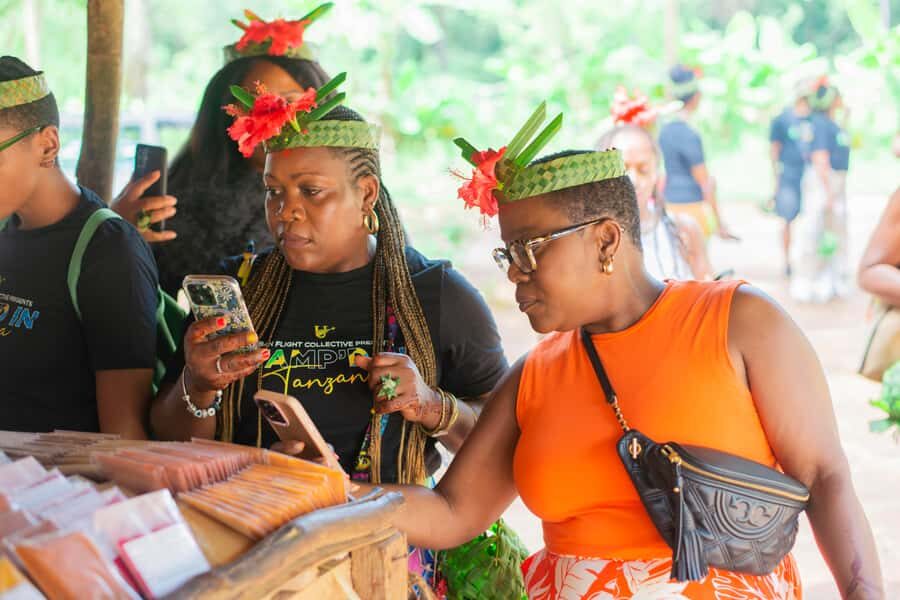
This is the part most people remember long after they leave Zanzibar—and it’s easy to see why. You’re not just watching a demo. You’re walking a spice farm, with a guide showing plants in context and explaining what they’re used for.
The sensory side is the main event:
- You smell spices as you walk.
- You touch leaves and pods.
- You taste fruits and spice blends.
- You learn which crops are grown locally and how they’re used.
The spice list mentioned includes the Zanzibar classics: clove, nutmeg, cinnamon, turmeric, vanilla, cardamom, lemongrass, black pepper, and even cassava, along with tropical fruits like papaya and coconuts. One more useful angle is learning what spices were originally used for—so you understand why Europeans and others wanted Zanzibar’s supply in the first place.
Lunch is traditionally Swahili when included. You’ll typically eat on site at the farm, which helps the meal feel connected to the crops you just learned about. Some people say the lunch is a highlight; others say it didn’t match the rest of the day. Either way, it’s usually a practical break in a long schedule.
A good thing to know: some experiences at spice farms feel sales-heavy. Here, purchasing spices and related items is part of the structure—so keep a little cash handy if you want to buy. People also mention farm-made soaps, which can make a nice low-effort souvenir (especially if you want something easier to pack than loose spices).
Prison Island and Changuu: fast boat, giant Aldabra tortoises, and prison history

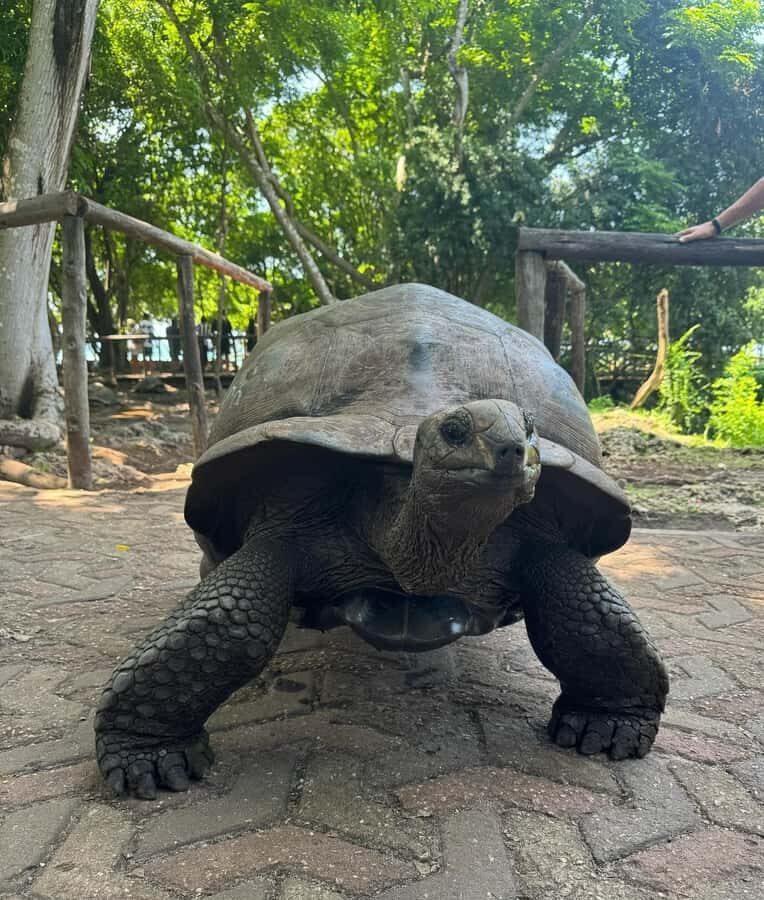
Prison Island—also called Changuu in Swahili—is a short trip offshore, but it feels like a world shift once you’re on the island. The main draw is the tortoises: Aldabra giant tortoises, imported from Seychelles.
These aren’t small zoo animals. They’re described as weighing around 200 kg on average and living well over 100 years. One of the most impressive details is that the sanctuary has an old resident tortoise, listed as about 200 years old in the provided information. The animals are typically calm and close enough that you can get a real sense of scale.
The day also includes the island’s layered past. You’ll learn about its historic use as a prison for rebellious slaves in the 1860s and visit a small museum setup that ties the tortoises and the island story together.
Boat reality check: the ride is often described as small and fast. Hold on. Some boats can feel rough, and you’ll be switching between boat surfaces and island walking. If you’re sensitive to motion, take that seriously. Even if everyone’s fine, it’s still a quick transfer, not a slow cruise.
Also, the island can feel busy depending on the day and group size. The upside is that you can see the tortoises and museum content in a focused window. The downside is you may not get long, lazy time to wander.




How the day feels in real time: pace, waiting, and where it can pinch
This is not a slow, floating tour. It’s a day with three main zones and short travel gaps between them. Typical walking parts include a Stone Town walk and a Prison Island walk, plus you’ll spend a chunk of time at the spice farm.
The schedule can feel full for three reasons:
- You’re switching locations repeatedly (boat, then back to Stone Town).
- Each guide segment has to fit into the time windows.
- For shared group formats, hotel pick-ups can create waiting time.
If you booked as a shared tour, it’s smart to expect some dead time in the car while the driver collects other guests. Private groups often feel smoother because you skip a lot of that.
Food and comfort planning matters here. Bring sunscreen and a hat. Stone Town sun can hit hard. For the water transfer, water shoes or sturdy non-slip footwear are recommended, since you may need to step down and up onto boats.
One more practical note that comes up in real experiences: you might want small bills for tips, because more people are involved throughout the day—guides, assistants, and the boat captain.
Who should book this Stone Town + spice + tortoise combo
I think this tour is best for you if:
- You want a strong first-day overview without planning three separate outings.
- You care about Zanzibar beyond beaches: architecture, trade history, and island food culture.
- You like interactive experiences—especially the spice farm portion.
It’s also a great fit for first-timers who feel overwhelmed by Stone Town on their own. Having a guide helps you connect the landmarks and understand what you’re looking at.
On the other hand, it’s not a fit if mobility limits you. The tour is not suitable for wheelchair users and mentions restrictions for people with mobility impairments and older age brackets (not suitable for people over 75; also noted as not suitable for very advanced ages). It also involves boat transfers and walking, so you need to feel comfortable with steps and uneven ground.
Should you book it? My take on the best decision
Book this tour if you want one organized day that covers Zanzibar’s headline themes: Stone Town, the spice economy, and the tortoises of Prison Island. The value is strongest when you care about context—trade and slave history explained along the way—and when you want a guided day rather than self-guided juggling.
Skip or adjust your expectations if you’re looking for a long, relaxed Prison Island visit or a slow, wandering Stone Town afternoon. This is structured, and it moves. Some people found parts rushed, especially the island time.
If you’re the type who loves details, take note of how much the day depends on the guide. Experiences highlight strong guides by name—Hassan, Ibrahim, and Ali show up in real feedback, and guide energy at the spice farm can make a big difference. If you can, choose a time slot and tour option that feels comfortable for your pace.
Bottom line: for a first visit to Zanzibar, this is one of the more efficient ways to get the “why Zanzibar matters” story while still seeing the most famous creatures on Changuu.
FAQ
How long does the Stone Town, Spice Tour, and Prison Island experience take?
The duration is listed as 6 to 9 hours, depending on starting times and the flow of the day.
Do you get hotel pickup and drop-off?
Yes. Hotel pickup and hotel drop-off within Zanzibar island are included.
Is lunch included?
Lunch is included if you select the option that includes lunch with the spice farm portion.
What happens at the spice farm?
You’ll go on a guided spice farm visit, with time to smell, touch, and taste crops and learn about Zanzibar’s spice history and uses.
How do you get to Prison Island?
You take a boat ride offshore to Prison Island (Changuu), and the tour includes time on the island with a guided visit and free time.
Are tickets included for Prison Island and slave market areas?
Entry tickets are included only if the option is selected. There is also a mention of a 10 USD per person slave market entry ticket if selected.
Is this tour suitable for older travelers or people with mobility issues?
It is not suitable for people with mobility impairments, wheelchair users, and it lists restrictions for older age groups, including people over 75.