REVIEW · ZANZIBAR CITY
Zanzibar: 3 Hours Private Stone Town walking Tour with Guide
Book on GetYourGuide →Operated by Sweetkona Tours and Safaris Limited · Bookable on GetYourGuide
Stone Town makes history feel close. In just 3 hours, this private walking tour turns Zanzibar’s UNESCO streets into a story you can actually picture, from carved doors to royal palaces and the markets where life happens. You also get handy orientation for later wandering, so you’re not just “seeing buildings,” you’re understanding why they’re there.
I love how the tour handles the island’s slave-trade history seriously without losing humanity, and I also love the market stops where you can smell, ask, and shop for real Zanzibar flavors. One thing to consider: it’s still a walking tour with plenty of uneven streets, so it’s not a great match if you have back problems.
In This Review
- Key Things I’d Prioritize on This Tour
- Getting Your Bearings Fast in Stone Town’s Maze
- Swahili Culture Meets Arabia, India, Europe, and Portugal
- The Most Important Stop: Slave-Trade History, Told With Care
- Darajani Market: Spices, Seafood, and What to Actually Buy
- The Doorway Details: Architecture That Feels Personal
- Zanzibar Coffee House and Jaws Corner: A Smart Reset
- Sultan’s Palace and the House of Wonders: Royal Power in Stone
- Forts, Cathedrals, and Freddie Mercury’s Footsteps
- Forodhani Garden: Evening Food and Street Life Energy
- Price and Logistics: Is $24 per Person Worth It?
- Who Should Book This Tour (and Who Might Skip It)
- Book It or Not: My Honest Call
- FAQ
- How long is the private Stone Town walking tour?
- What’s included in the tour price?
- What extra tickets might I need to pay on the tour?
- Is hotel pickup included?
- Is this tour private?
- What languages can the guide speak?
- Is the tour wheelchair accessible, and is it suitable for back problems?
Key Things I’d Prioritize on This Tour
- A focused 3-hour loop that gives you fast orientation through Stone Town’s key areas
- Honest context around the former slave-trade sites, plus time to process what you see
- Darajani Market time for spices, fish, fruit, and everyday Zanzibar shopping
- Doorway and architecture spotting, from curved doorways to balcony details
- Landmark variety in a small footprint, including House of Wonders and Freddie Mercury-related stops
- Evening atmosphere nearby with Forodhani Garden as a food-and-street-life finale
Getting Your Bearings Fast in Stone Town’s Maze
Stone Town isn’t designed for wandering with no plan. It’s a patchwork of narrow lanes, sudden courtyards, and buildings that look like they’ve been re-used, re-shaped, and layered over centuries. The value of a guided walk is that you don’t waste time guessing what you’re looking at.
This tour is built for momentum. You start in central Stone Town, and within a few blocks you’re learning how to read the place: why some doors look different, how the city’s global connections show up in its buildings, and which landmarks matter even if you can’t name them yet. For me, that’s the difference between a quick visit and a trip that actually sticks.
You’ll also appreciate the private format. Even though it’s only 3 hours, the guide can slow down when you want photos, speed up when you’re itching to keep moving, or adjust if the weather turns annoying.
You can also read our reviews of more walking tours in Zanzibar City


Swahili Culture Meets Arabia, India, Europe, and Portugal
Stone Town’s story is basically a crossroads story. The Swahili culture you’ll hear about here was shaped by Arabia, India, Europe, and Portugal, and the city’s architecture reflects those influences in everyday details, not just museums.
A good example: the tour’s emphasis on doors, balconies, and the visual “grammar” of the buildings. When you know what to look for—like how entrances can signal status, or how design changes across eras—Stone Town starts feeling less random. Suddenly those curved doorways and stacked facades aren’t decorations. They’re clues.
Guides like Khameez, Mau (Maulid), Kasim, and Sahin come up again and again because they know how to connect cultural dots. I like that the tone stays practical and human: this is what the city was like, who used it, and how everyday life worked alongside big historical events.
The Most Important Stop: Slave-Trade History, Told With Care
Let’s talk about the heavy part. Stone Town includes places connected to the East Africa slave trade, and this tour aims to help you understand that history instead of skimming past it.
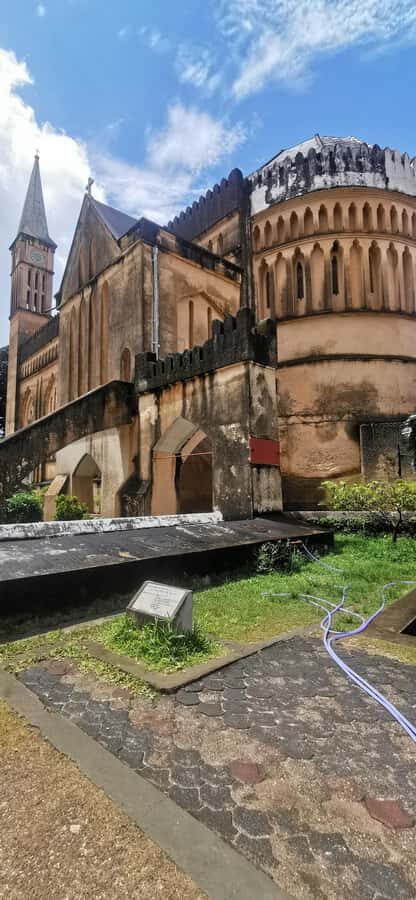
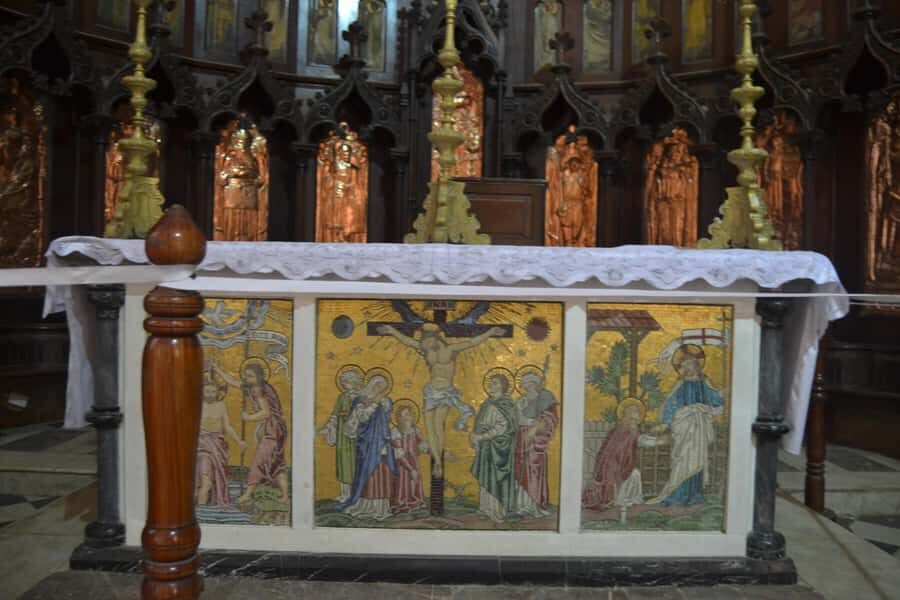
One key focus is the former slave market area, which today is tied to an Anglican Church on the site. You’ll hear the timeline and the human reality behind it, including connections to famous explorers and missionaries like David Livingstone. There’s no sugarcoating, and that’s exactly why the tour is worth doing with a guide.
I’ve seen that some visitors find the sadness overwhelming at first. That’s normal. The upside of going with a guide is that you’re not staring at details with zero context. You get a narrative that helps you stay respectful, ask questions, and make sense of what you’re seeing.
Practical note: admission is extra for the slave market museum experience (the tour price does not include that ticket). Also, access can be affected by special circumstances. For instance, one recent booking noted the slave market was shut down due to election-related chaos. If that happens on your day, your guide should still be able to frame what you can and can’t access—so keep a flexible mindset.
Darajani Market: Spices, Seafood, and What to Actually Buy
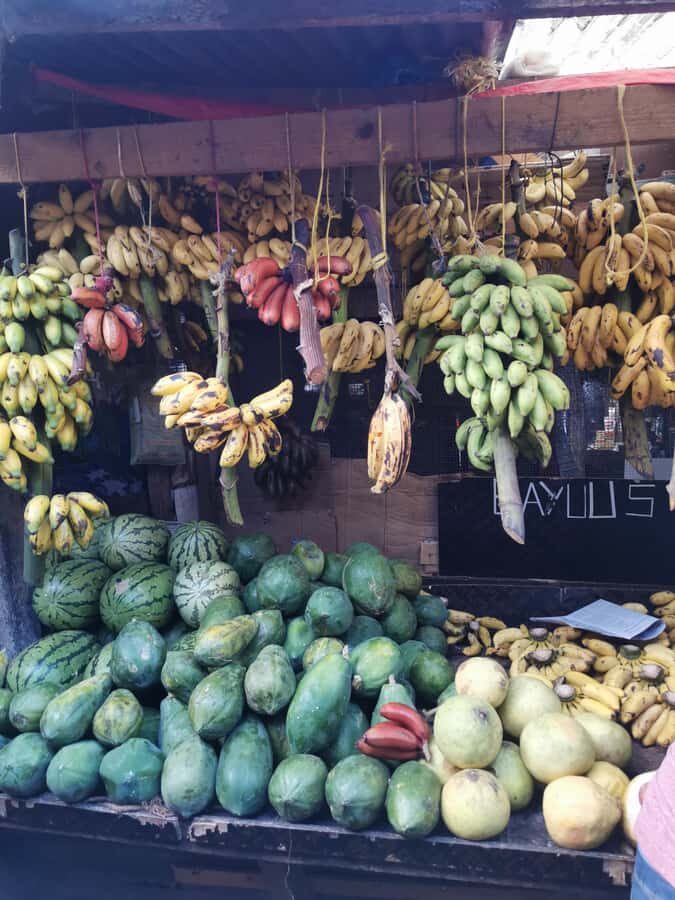
One of my favorite parts of any Stone Town tour is when it stops being museum-time and becomes market-time. Here, you’ll spend time at Darajani Market, Zanzibar’s famous spot for fruits, vegetables, fish, meats, and spices.
This isn’t just a “look but don’t touch” stop. You’re meant to shop, test items, photograph, and get a sense of the day’s catches from the Indian Ocean alongside local produce. If you like cooking, this is where you’ll start building a spice shopping list with confidence, because you can see what’s fresh and ask what’s used for what.
A small tip: don’t rush this part. Markets make more sense when you slow down enough to notice what people are actually buying. If you’re the type who likes to bring home flavors, use this stop for bulk spices and practical basics. Save the fancy souvenirs for later when you know what you like.
The Doorway Details: Architecture That Feels Personal
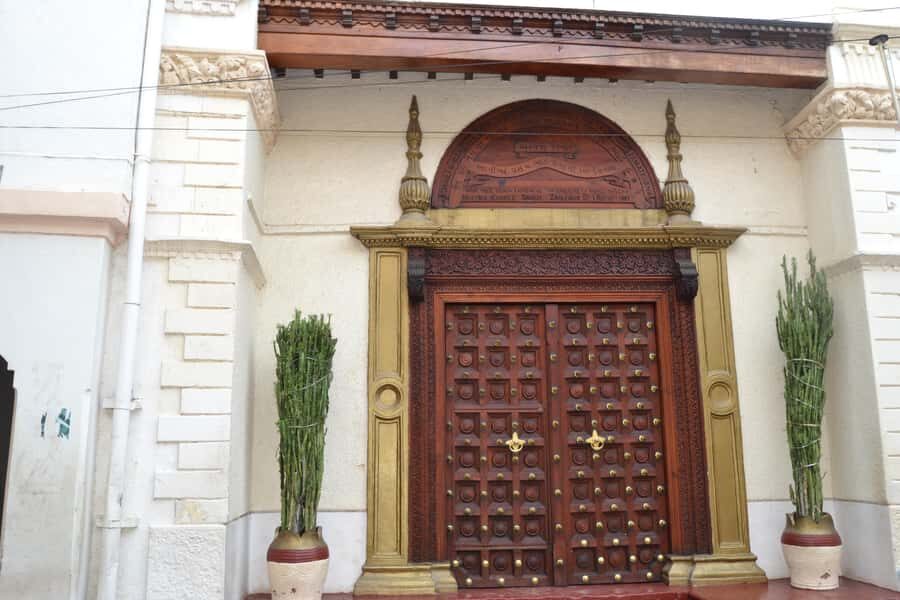
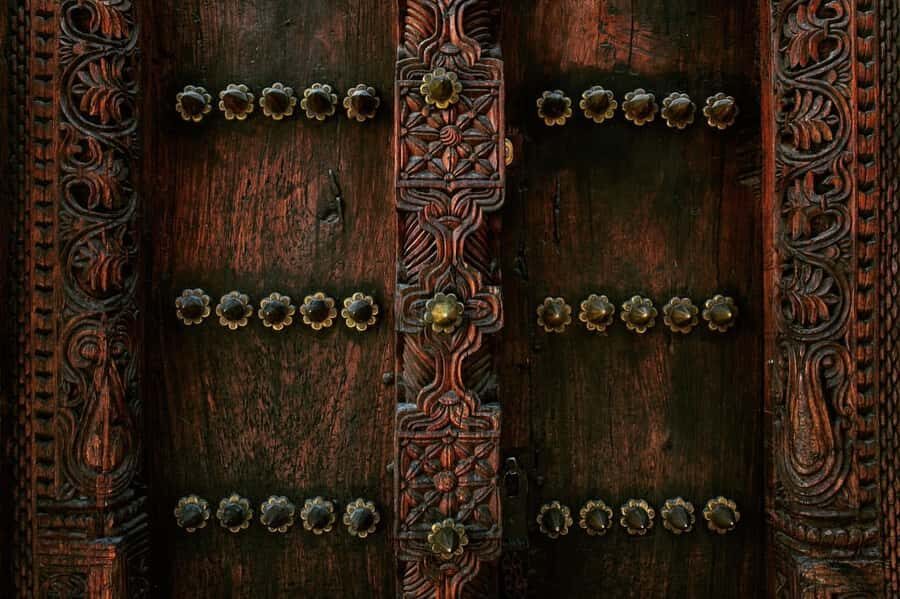
Stone Town is famous for its buildings, but the tour’s approach makes the architecture feel personal. You’ll keep walking past structures with curved doors, carved details, and balcony fronts that look like they were designed for light and status, not just function.
This is where the guided element pays off again. The guide points out which parts show local Swahili style versus outside influence, and what architectural choices tell you about a building’s purpose. It’s the kind of information you’d never guess by staring at a facade for 30 seconds.
You’ll also get stops tied to city identity—places that connect the past to modern life. That includes local market culture, the feel of neighborhoods, and the “everyday Stone Town” mood that gives the big landmarks context.
You can also read our reviews of more guided tours in Zanzibar City






Zanzibar Coffee House and Jaws Corner: A Smart Reset
Stone Town can exhaust you. Sun hits stone walls, crowds are unpredictable, and narrow streets make your “distance” feel longer than it is. So I’m glad this tour includes coffee time in the middle of the walk.
You’ll head toward the narrow streets and up to Zanzibar Coffee House, where you’ll take a break with aromatic coffee. Some guides may also stop around Jaw’s Corner for coffee with locals, which is a nice way to taste local life rather than just collecting photos.
This break matters more than it sounds. When you’re rested, you absorb the history better. When you’re hydrated, you make smarter choices at the market. And when you have a small pause, you’re more patient with the city’s chaos.
Sultan’s Palace and the House of Wonders: Royal Power in Stone
Next, the tour shifts into royal-landmark mode. You’ll go toward the Sultan Palace area to hear about the sultan dynasty of Zanzibar and explore the interior ambience of the palace.
Then comes one of the big-ticket sights: the House of Wonders (Bait el-Ajab). The tour describes it as the tallest building in East Africa and a ceremonial palace with plenty of stories inside. Whether you’re into architecture, politics, or “how power looked on a street,” this stop helps you understand why Stone Town looks the way it does.
These are the moments where Stone Town stops being “pretty old.” It becomes power, ambition, trade, and performance—visible in the scale of buildings and the symbolism of spaces.
Forts, Cathedrals, and Freddie Mercury’s Footsteps
Stone Town layers religions and empires on top of each other, and the walking route reflects that.
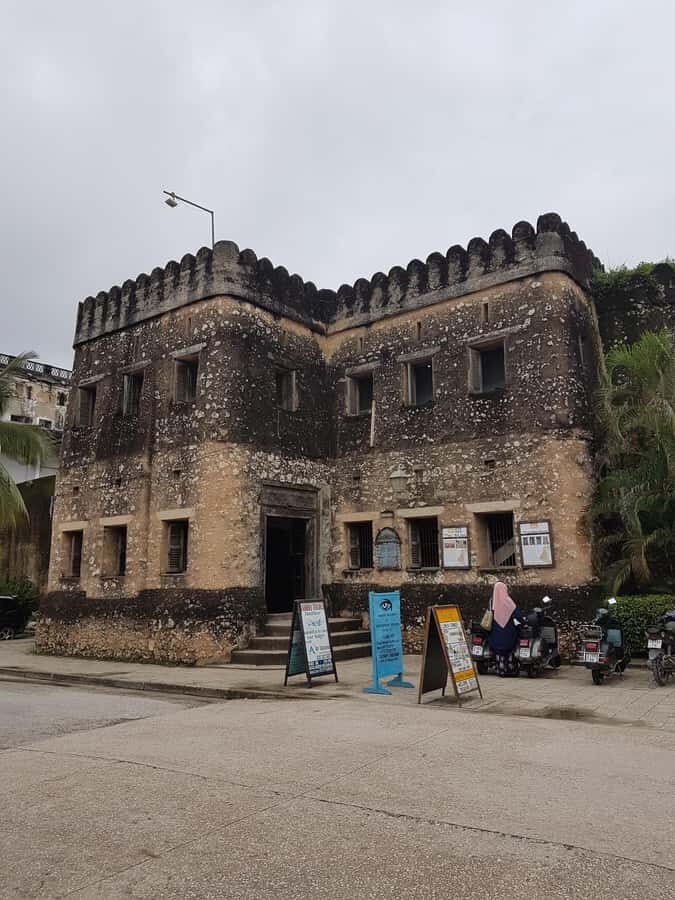
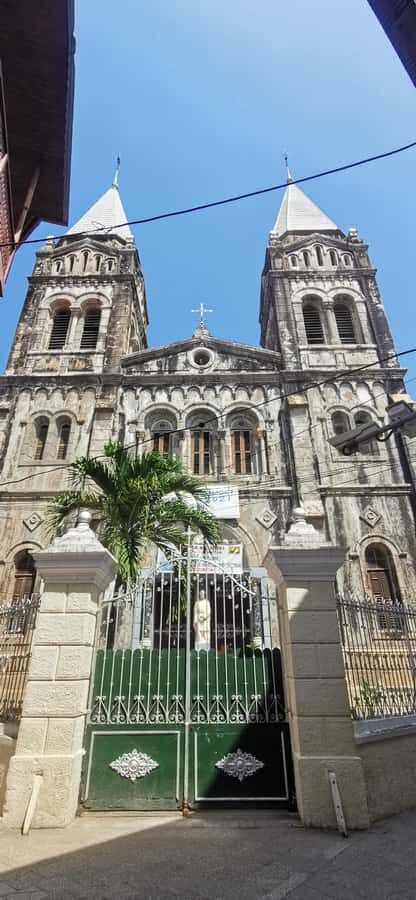
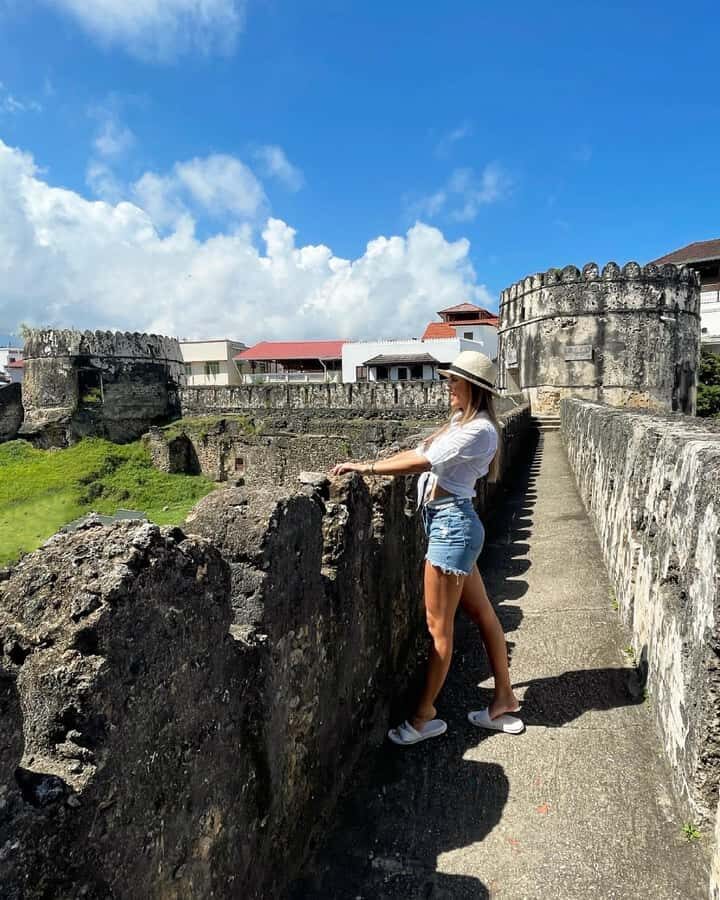
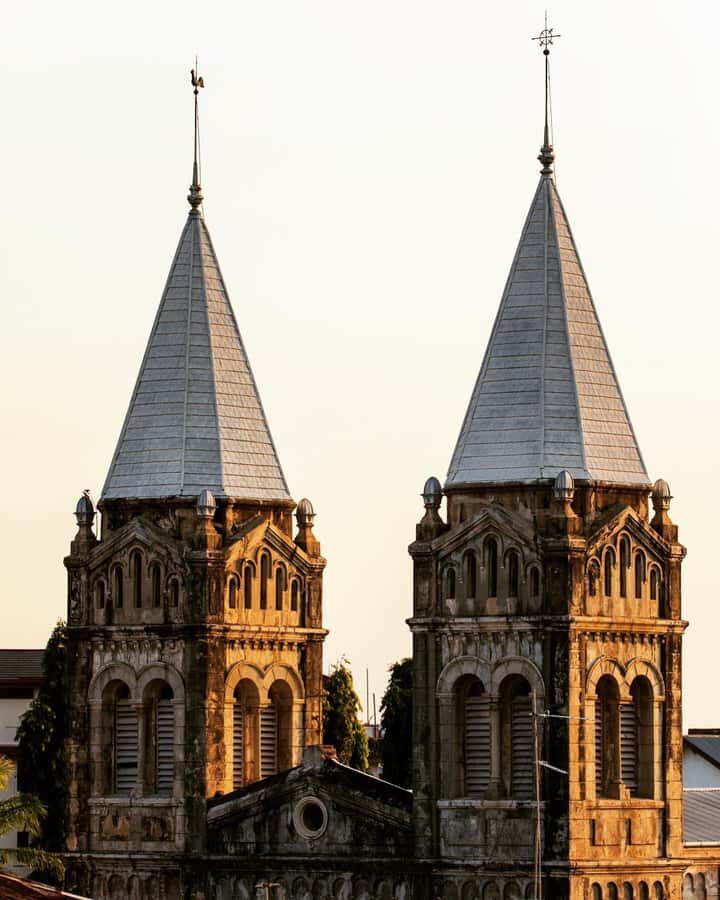
You’ll walk past the Old Portuguese fort area, plus an Old Arabic Fort reference, with stories about how these spaces functioned—things like battle-era use and even mentions of a primitive railway station connection. The Anglican Cathedral is part of the slave-trade narrative zone, and you’ll also visit the French Catholic cathedral, Notre Dom of Zanzibar.
Then there’s the Freddie Mercury angle. You’ll visit the area linked to Freddie Mercury’s life in Stone Town and you can add the Freddie Mercury Museum for an approximate extra cost of $8 per person. If you’re a fan, do it. If you’re not, you’ll still get useful context for why his story belongs to this city’s modern identity.
One practical consideration: museum entry fees are not included in the tour price, so check your priorities before you go. If you’d rather spend that money on market shopping, you can usually focus on the exterior landmark storytelling instead.
Forodhani Garden: Evening Food and Street Life Energy
If your timing lines up, you’ll end near Forodhani Garden, a well-known evening meeting place where locals sell food. The tour’s described highlights include sea food, sugarcane juice, BBQ, and Zanzibar pizza.
Even if you don’t plan to eat much, this stop helps you land the story in the present. Stone Town isn’t only a historic exhibit. It’s a living city where people come out after sunset to socialize, snack, and keep life moving.
If you’re traveling in hot weather, consider using this time to cool down with a drink first, then decide on food. You’ll enjoy it more when you’re not running on empty.
Price and Logistics: Is $24 per Person Worth It?
At $24 per person for 3 hours, you’re buying three things: a guide, a private format, and structure. The bottled water is included, which sounds small, but in Stone Town it’s one less thing to think about.
What’s not included matters. The Freddie Mercury Museum has an extra ticket (around $8 per person), and the former East Africa slave market museum entry is also extra (around $10 per person). There are also no included hotel transfers mentioned beyond Stone Town pickup support.
So here’s the value check:
- If you want historical context and a guided route through the maze, the guide value alone often justifies the price.
- If you plan to add both museum tickets, your total spend will rise—but you’re also getting the places most people remember most.
- If your main goal is shopping and casual walking, you might question the cost and consider a lighter self-guided approach. Still, the slave-trade context is hard to replicate well on your own.
Also, a nice detail: the tour notes you can skip the ticket line. That can save time during busy hours.
Who Should Book This Tour (and Who Might Skip It)
This is a great fit if you:
- Want a structured orientation of Stone Town without getting lost
- Care about understanding the slave-trade story respectfully
- Like architecture details and “why this door looks like that”
- Prefer a private guide who can pause for questions and photos
It may be less ideal if you:
- Have back problems or mobility limitations that make walking uncomfortable
- Want a purely relaxed stroll with minimal history
The tour is wheelchair accessible, but it’s still Stone Town terrain and narrow streets. If mobility is an issue, ask your guide about the route before you commit.
Book It or Not: My Honest Call
If this is your first visit to Zanzibar and you only have a half day to do Stone Town, I’d book it. You get a strong mix: UNESCO-era architectural reading, market culture at Darajani, and the island’s darkest chapter handled with context rather than silence.
Go ahead and book if you’re the kind of traveler who likes to leave feeling oriented. This tour also works well for families, since guides here have shown flexibility for small detours—like ice cream stops along the way—without breaking the overall flow.
Skip it only if you’re completely history-avoidant or you want a purely self-directed day. In Stone Town, that’s possible, but you’ll miss the connections that make the whole place click.
FAQ
How long is the private Stone Town walking tour?
It lasts 3 hours.
What’s included in the tour price?
You get guiding services and a bottle of mineral water for each person during the tour.
What extra tickets might I need to pay on the tour?
The Freddie Mercury Museum is not included (approx. $8 per person), and the former East Africa slave market ticket is also not included (approx. $10 per person).
Is hotel pickup included?
Pickup is included from any area in Stone Town. Pickup outside Stone Town may be available if you request it.
Is this tour private?
Yes. It’s described as a private group.
What languages can the guide speak?
The guide languages listed are German, English, French, Italian, Spanish, Arabic, Polish, Portuguese, and Chinese.
Is the tour wheelchair accessible, and is it suitable for back problems?
It is wheelchair accessible, but it is noted as not suitable for people with back problems.