REVIEW · ZANZIBAR CITY
Zanzibar: Walking Spice Tours with Guide
Book on GetYourGuide →Operated by Riser Tours and Safaris Zanzibar limited · Bookable on GetYourGuide
Spice farms on foot turn the island into a walkable classroom. This Zanzibar walking spice tour takes you from busy Stone Town out to a shamba to see plants growing and to smell and taste what Zanzibar is famous for. I like that it’s hands-on, not just a slideshow, and that the route is built around real farm planting.
Two things I especially like: you’ll get tasting and smelling (clove, lemongrass, nutmeg, cinnamon, turmeric, and more) and you’ll also learn how a working shamba is cultivated throughout the year. One possible drawback to plan for: it can still include a spice-stall stop, so if you want zero sales pressure, you’ll want to set your expectations before you go.
In This Review
- Key Things You’ll Notice on This Zanzibar Spice Farm Walk
- From Stone Town to the Shamba: The Basic Setup
- What Makes the Zanzibar Walking Spice Tour Worth the $35
- The 30-Minute Drive: Quick, Simple, and Useful
- Stop 1: Tangawizi Spice Farm and the Walking Rhythm
- Stop 2: Smell and Taste Spices the Way Zanzibar Grows Them
- Stop 3: How the Shamba Is Cultivated (Not Just Which Spice Comes Where)
- The Guide Experience: Languages and Real Personal Touch
- The Finish: Spice Stall Stop and the Cash-Only Reminder
- Duration and Timing: Door-to-Door vs. Walking Time
- What’s Not Included: Food and Drinks
- Who This Tour Is Best For (And Who Might Feel It’s Not a Fit)
- Practical Tips Before You Go
- Price vs. Value: When You’ll Feel You Got Your Money’s Worth
- Should You Book This Zanzibar Spice Farm Walking Tour?
- FAQ
- FAQ
- Where is the pickup location for the Zanzibar walking spice tour?
- How long is the Zanzibar spice farm tour?
- What is included in the tour price?
- Is food or drinks included during the tour?
- What spices and tropical fruits will I encounter?
- Does the tour include a spice shop stop at the end?
- What languages are available for the guide?
- What should I bring with me?
- Is the tour wheelchair accessible?
- Who should avoid this tour due to age or health limitations?
Key Things You’ll Notice on This Zanzibar Spice Farm Walk
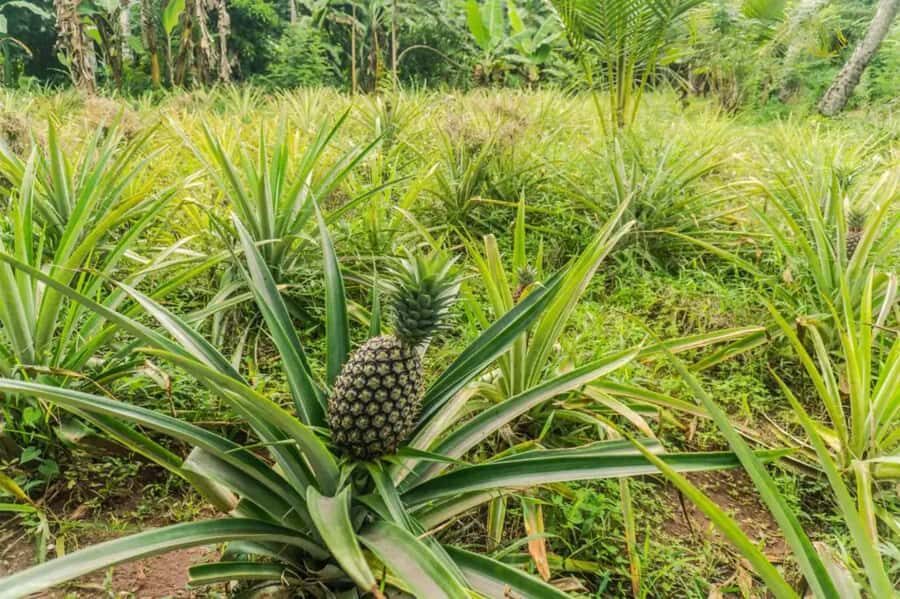
- Smell-and-taste moments throughout the walk, not only at the end.
- A guided shamba route focused on how spices and fruits grow and are maintained.
- Seasonal fruit and spice variety, including items like coconuts, papaya, jackfruit, oranges, and chili.
- Stone Town pickup and a short drive out to the farm area (some tours run about 30 minutes each way).
- A cash-only packaged spice stall to finish the experience with take-home options.
- Extra tips may come up in real life, even though the tour price says farm-worker tips are included.
From Stone Town to the Shamba: The Basic Setup
This is a 3-hour walking tour built around one key idea: Zanzibar’s spices are not just souvenirs. They’re living plants, grown in a working spice farm, and you’ll walk among them with a guide who points out what’s where and what it’s used for.
Pickup is in Stone Town, from your hotel, and you return to Stone Town when the tour wraps. That door-to-door convenience matters here because Stone Town can be hectic, and you don’t want to spend your morning figuring out transport while the best part of the day slips by.
You can also read our reviews of more walking tours in Zanzibar City



What Makes the Zanzibar Walking Spice Tour Worth the $35
At $35 per person, you’re paying for more than a stroll. The price includes hotel pickup and drop-off, the entrance fee, and a tour guide, and the operator states that tips for farm workers are already included.
That’s the part that feels fair value: you’re not just hiring someone to talk. You’re getting transportation from Stone Town and access to a working farm. Still, do keep one practical thought in mind. Some tours can end with a sales stop, and real life can sometimes create extra tipping moments beyond what the brochure promises. If that matters to you, bring small bills and confirm how tipping works right when you meet the guide.
The 30-Minute Drive: Quick, Simple, and Useful
Most of your time is spent at the farm, but the transfer still counts. Several departures include a drive of about 30 minutes from Stone Town to the spice farm area.
Why it’s useful: it keeps the tour smooth. You’re not trying to coordinate taxis or ask strangers for directions before your nose-to-plant experience begins. You can show up with comfortable shoes, camera ready, and just let the schedule do the work.
Stop 1: Tangawizi Spice Farm and the Walking Rhythm
Once you arrive at the shamba, the tour shifts from city pace to farm pace. You’ll walk and get guided explanations as you move between different plants and growing areas.
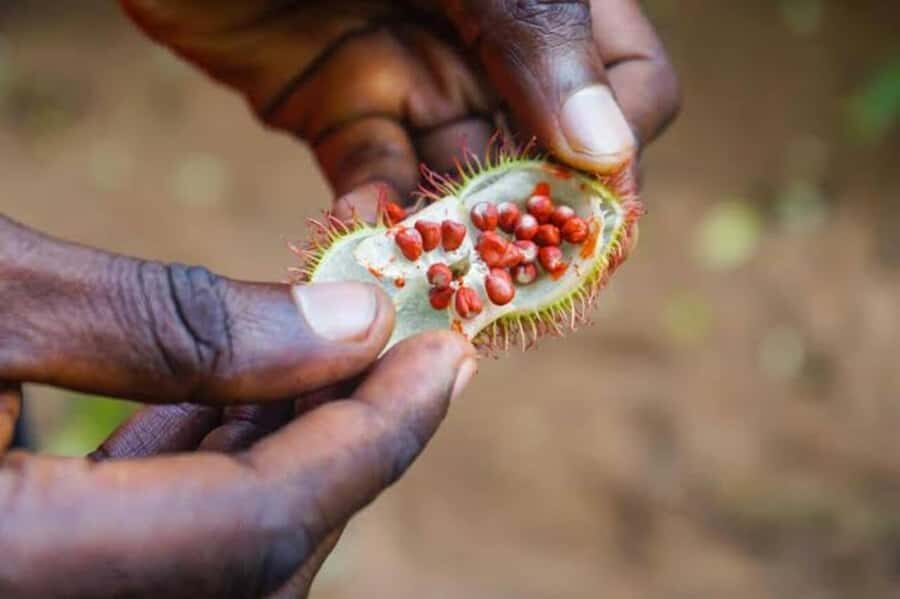
Expect the tour to feel like a series of close-up moments. That’s the real value of a spice farm walk: you can see leaves, stems, fruit shapes, and planting patterns up close, then connect that to the flavors you’ll sample.
If you’re the type who likes asking questions, this is your time. A good guide can turn the “I know this spice” moment into “I understand how it grows here.”
Stop 2: Smell and Taste Spices the Way Zanzibar Grows Them
The heart of the experience is the smelling and tasting. Instead of only learning names, you’ll get exposed to the real sensory side of Zanzibar’s spice reputation.
You can expect spice and herb highlights such as:
- clove
- lemongrass
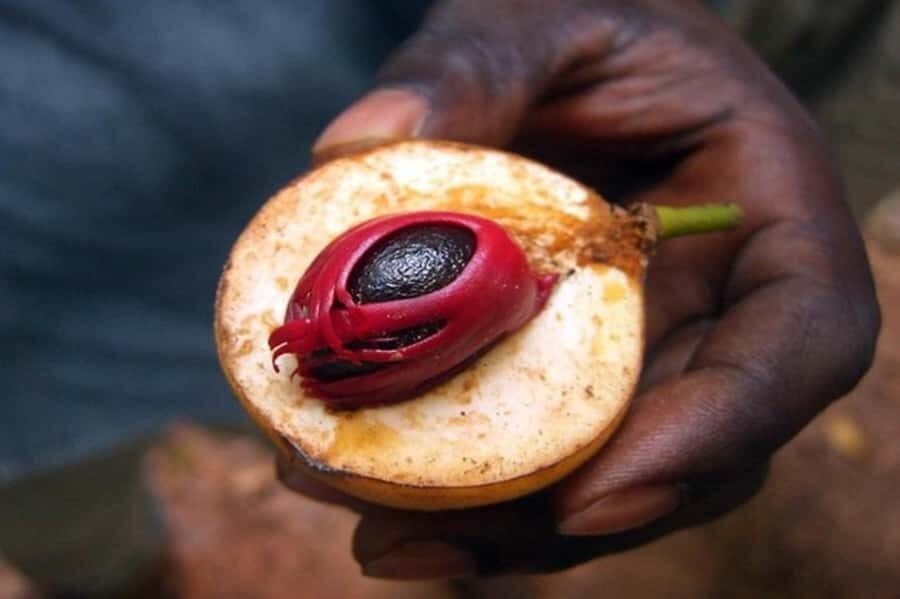
- nutmeg
- cinnamon
- turmeric
- vanilla
- black pepper
- cardamom
- cassava
- chili
And fruit and farm plants, depending on what’s in season, such as:
- coconuts
- papaya
- jackfruit
- oranges
- plus additional items you might taste or sample like guava, avocado, and curry-related spices
A quick way to make this more fun: keep your camera out and your questions ready, because the flavors aren’t the only takeaway. You’ll start to see how Zanzibar’s spice identity is tied to everyday cultivation—what thrives on the farm and how plants are kept productive.
You can also read our reviews of more guided tours in Zanzibar City





Stop 3: How the Shamba Is Cultivated (Not Just Which Spice Comes Where)
This tour also aims to show you how spices, herbs, and fruits are cultivated. In other words, you’re not just hunting for a photo of a spice plant.
On a working shamba, plants require different care and they show different stages—flower, leaf, pod, fruit, or harvest-ready parts. Even if the tour doesn’t go into heavy production detail for every single item, the farm walking format makes the cultivation side clearer than a purely classroom explanation.
Here’s what I’d watch for if you want more depth: some tours may focus more on the sensory and sales-friendly part of the story than the technical side of drying, processing, and long-term storage. If you care about those methods, ask your guide early what you’ll cover during the walk.
The Guide Experience: Languages and Real Personal Touch
The tour runs with a live guide, and you can choose among languages: English, German, French, or Italian.
In practice, guide energy can change the feel of the walk. One tour guide you might encounter is Omar, sometimes with an assistant such as Rajem, and another guide mentioned is Pietro. Having a named guide on your schedule is a nice sign that this is handled by real people, not just a generic script.
If you’re worried about pacing, here’s a practical tip: when you meet your guide, ask how long the walk is expected to last and when the tasting and stall stop will happen. That way you can mentally set your expectations and enjoy it without feeling rushed.
The Finish: Spice Stall Stop and the Cash-Only Reminder
At the end, the tour includes a stop at a spice stall where you can buy fresh packaged spices. The important detail here is simple: it’s cash only.
This part can be the best souvenir moment—or the part you’ll skim past—depending on your budget and your shopping style. If you want to buy, go in with a plan:
- Buy only what you’ll actually use.
- Ask what’s ground vs. whole.
- Compare scent and freshness if you can.
If you prefer to treat the farm as the main event, you can still enjoy the stall stop as a chance to see how spices are packaged for sale. Just don’t let it steal your energy during the walk, because the farm is where the learning and tasting happen.
Duration and Timing: Door-to-Door vs. Walking Time
The tour is listed as 3 hours, but the time split can vary. Some experiences feel closer to a shorter walking window plus travel time, with the walk itself sometimes landing around two hours.
This matters for planning. If you’re scheduling other Stone Town activities, build buffer time. Don’t stack this right before a dinner reservation that leaves no flexibility. The pickup and farm walk are timed around the same set rhythm, but you’ll feel more relaxed if you assume a little variability.
What’s Not Included: Food and Drinks
Food and drinks are not included. That’s normal for this kind of tour, but it’s still worth addressing.
I suggest bringing a small bottle of water if you tend to get thirsty. The farm walk includes tasting, which can make you want water after a few spice samples. You’ll also likely be glad you ate something beforehand, especially if you have morning plans in Stone Town afterward.
Who This Tour Is Best For (And Who Might Feel It’s Not a Fit)
This experience fits best if you want a hands-on intro to Zanzibar spices, and you like learning through your senses—smell, taste, and close-up viewing.
You’ll probably enjoy it if you:
- love food and cooking and want spice context
- enjoy nature walks with short explanations
- want a family-friendly cultural stop from Stone Town
It’s not for everyone. The tour is listed as not suitable for:
- people with back problems
- wheelchair users
- babies under 1 year
- people over 95 years
If you’re sensitive to walking on uneven ground, you’ll want to prioritize good footwear and move slowly where needed. Comfortable shoes aren’t optional on this one.
Practical Tips Before You Go
A few small decisions can make the difference between a good tour and a great one.
First: wear comfortable shoes. You’re walking through a farm setting, and your legs will do more work than you might expect from a “short” tour.
Second: bring your camera, and also plan to keep it reachable. The sensory moments happen quickly, and you don’t want to be fumbling for gear at the best stops.
Third: bring some cash for the stall. Even if you don’t buy, you’ll at least have the option.
And fourth: confirm the tipping expectations. The tour information says the price includes tips for farm workers, but at least one experience described multiple tipping asks during the day. Your best move is clarity up front. Ask what’s included and what isn’t when you meet the guide.
Price vs. Value: When You’ll Feel You Got Your Money’s Worth
For $35, you’re paying for:
- Stone Town hotel pickup and drop-off
- entrance access
- a live guide
- a guided shamba walk
- tasting and sensory sessions
- a finish at a packaged spice stall (cash only)
You’re not paying for food, and you shouldn’t expect a heavy “industrial processing” tour unless your guide chooses to go deeper. That’s the tradeoff you’re buying: a lively, walkable intro that fits into a few hours.
If you want a farm walk that’s 100 percent focused on production details—drying rooms, processing methods, and step-by-step manufacturing—you might find this tour lighter on those topics. If your goal is to understand spices in a real setting and come away able to recognize them, you’ll likely feel it’s worth it.
Should You Book This Zanzibar Spice Farm Walking Tour?
Book it if you want a Zanzibar classic that’s easy to fit into a Stone Town day and gives you real plant-to-plate knowledge. It’s especially good for people who love cooking, want a sensory experience, or want a guided introduction to why Zanzibar spices have such a strong reputation.
Skip it, or choose carefully, if you only enjoy tours that go very deep into processing and technical farming methods, or if you dislike ending with a shopping stop. Also consider skipping if you have mobility limitations that don’t match farm walking.
If you do book, go in with curiosity and boundaries. Ask about what you’ll see and taste, confirm what’s included (including tips), and treat the spice stall as optional. Do that, and you’ll get the best of what this tour is built to deliver: a short, guided walk where Zanzibar’s spices become something you can actually picture and taste.
FAQ
FAQ
Where is the pickup location for the Zanzibar walking spice tour?
Pickup is included from any hotel in Stone Town, and the tour starts in Stone Town.
How long is the Zanzibar spice farm tour?
The duration is 3 hours. Starting times depend on availability.
What is included in the tour price?
The tour includes hotel pickup and drop-off, an entrance fee, and a tour guide.
Is food or drinks included during the tour?
No. Food and drinks are not included.
What spices and tropical fruits will I encounter?
You’ll have chances to smell and taste spices and herbs such as clove, lemongrass, nutmeg, cinnamon, turmeric, vanilla, coconut, papaya, chili, black pepper, jackfruit, cardamom, cassava, and oranges.
Does the tour include a spice shop stop at the end?
Yes. The tour ends with a stop at a spice stall that sells fresh packaged spices, and it is cash only.
What languages are available for the guide?
The live guide is available in English, German, French, and Italian.
What should I bring with me?
Bring comfortable shoes and a camera.
Is the tour wheelchair accessible?
No. It is not suitable for wheelchair users.
Who should avoid this tour due to age or health limitations?
It is not suitable for people with back problems, babies under 1 year, and people over 95 years.