REVIEW · ZANZIBAR CITY
Stone Town: Guided Walking Tour
Book on GetYourGuide →Operated by Zanzibar langentours · Bookable on GetYourGuide
Stone Town tells stories on your feet. This guided walking tour helps you read the place fast, from limestone corridors and ornate doors to the big landmarks like the UNESCO Old Town. I like that it’s not just photo stops; you also get the human context behind the architecture and the city’s mix of influences.
Two things I really like: first, the tour centers on the main anchors that explain Stone Town’s history, including the Anglican Cathedral and the House of Wonders (now the national museum). Second, you’re shown the everyday side of the city too, with market streets like Darajani and a visit to Hamamni Baths for a real sense of local life.
One drawback to plan for: some sights can be closed or under renovation, and tour timing can be inconsistent on the day you go. If you’re relying on interiors only, keep your expectations flexible and arrive early to the meeting point.
In This Review
- Key highlights at a glance
- Stone Town On Foot: What You’ll Actually See in 2 to 5 Hours
- UNESCO Limestone City: Why the Architecture Is the Point
- Anglican Cathedral and the House of Wonders: The Best History Anchors
- Palace Museum and Old Fort: History You Can Photograph
- Old Town Markets Without Feeling Like a Shopping Trap
- Hamamni Baths: A Distinctive Stop That Feels Local
- Catholic Cathedral, Freddy Mercury House, and the Zanzibar Doors
- Markets to Museums: How the Route Builds a Coherent Story
- Price and Value: Is $40 Worth a Guided Walk?
- Group Size, Languages, and Getting the Most Out of Your Guide
- Timing, Pickup, and Punctuality: The Part You Should Own
- What to Bring for Comfort and Photos
- Who Should Book This Stone Town Walking Tour?
- Should You Book This Tour?
- FAQ
- How long is the Stone Town guided walking tour?
- How much does the tour cost?
- Where does pickup happen?
- Which languages are available for the live guide?
- What sights are included in the tour?
- What should I bring?
- Is this tour suitable for wheelchair users or mobility impairments?
- Can I cancel for a full refund, and is pay later available?
Key highlights at a glance

- UNESCO Stone Town streets: 2,000+ limestone buildings shaped by centuries of trade
- House of Wonders (national museum): a strong history stop in the middle of town
- Old Fort photo time + guided context: the kind of spot where explanations matter
- Darajani Market walk: spices, textiles, and everyday shopping energy
- Hamamni Baths: one of the city’s most distinctive lived-in places
- Freddy Mercury House and Zanzibar doors: small details, big visual payoff
Stone Town On Foot: What You’ll Actually See in 2 to 5 Hours
Stone Town works best at walking speed. The streets are narrow, the buildings are close together, and the details are where the story hides. With this kind of guided format, you get a path through the Old Town that doesn’t feel random.
The time window is usually short enough that you’ll feel productive, but long enough for real “stop and look” moments. Depending on the day and your selected option, it can stretch up to a few hours, and transport is handled by a van with pickup and return to various drop-off points around the island.
If you’re the type who likes to know what you’re looking at, the guide turns the walk into a guided lesson. If you’d rather wander solo, you can still use the tour as a map maker for your own follow-up strolls later.
You can also read our reviews of more walking tours in Zanzibar City



UNESCO Limestone City: Why the Architecture Is the Point
One of the most useful things you learn on this tour is how Stone Town is built and why it matters. The Old Town covers about 50 hectares, has a population around 18,000, and includes more than 2,000 limestone buildings. That’s a lot of texture in a small space.
You also get the big-picture reason this place is special: Stone Town is shaped by African, Arab, Indian, Persian, and European influences. That mix isn’t just in textbooks; it shows up in door designs, building styles, and the way public spaces evolved over time.
So when you’re standing in front of a cathedral or museum, it helps to treat it like evidence. The guide’s job is to connect the landmarks to the trade routes, power shifts, and everyday lives that built the city you see today.
Anglican Cathedral and the House of Wonders: The Best History Anchors
If you want two stops that do a lot of heavy lifting, this tour delivers. The walk includes the Anglican Cathedral, plus the House of Wonders, which functions as the national museum.
These are the places where you can slow down without feeling like you’re losing the tour. The cathedral gives you the religious and colonial-era layer of the city’s story. The House of Wonders is where that broader narrative gets packed into displays and architecture you can actually observe.
What makes this a smart pairing is timing. You often get these landmarks early enough that they guide how you interpret everything that comes after—especially the more street-level stops.
Palace Museum and Old Fort: History You Can Photograph

The tour also includes the Palace Museum and the Old Fort. If you’re wondering why a fort matters when you’re already surrounded by old buildings, here’s the practical angle: forts in port cities are usually about control, defense, and access. They explain why certain spaces became power centers.
Expect guided time that helps you look beyond the obvious “big stone structure.” This is also where you’ll likely pause for photos before moving back into the Old Town flow.
A small caution: depending on the day, you might encounter limited access or renovations at some sites. Even if interiors are restricted, you’ll still get value from the exterior context and the story the guide connects to what you can see.
Old Town Markets Without Feeling Like a Shopping Trap
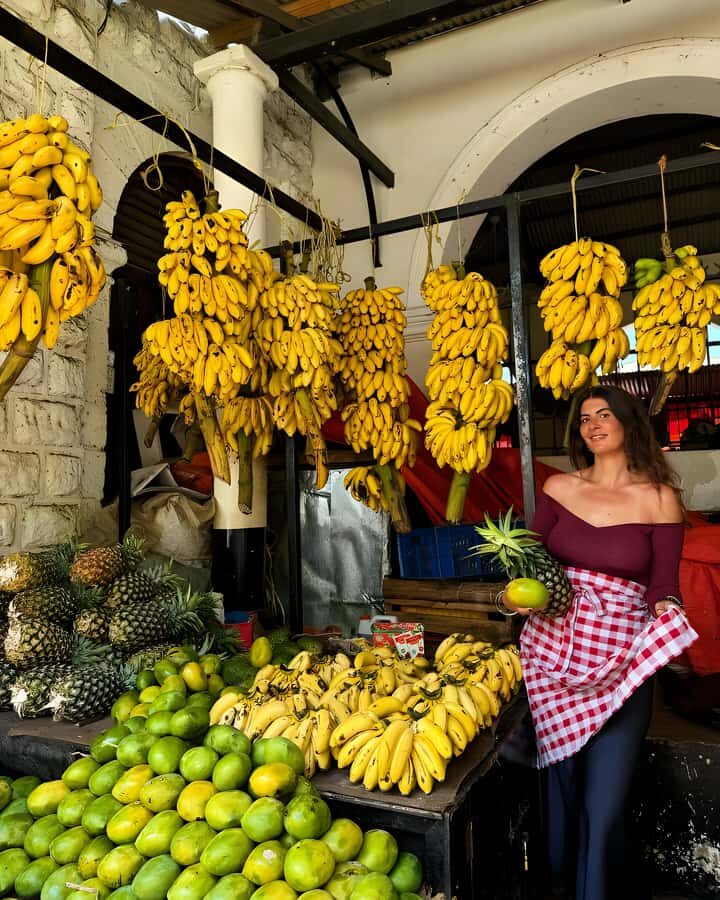
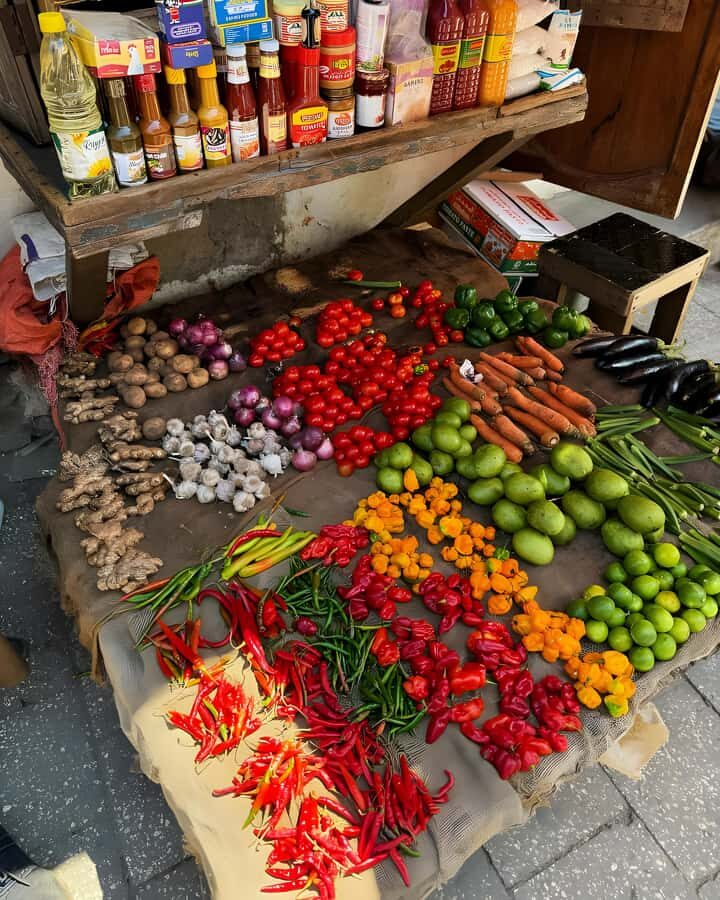
Darajani Market is one of the best “real life” stops in Stone Town. The tour includes a walk there with time to browse, photograph, and shop if you want. This is where the city feels like it’s happening now, not just in the past.
You can expect a market street full of everyday needs—plus the kinds of stalls where tourists usually only catch glimpses from the sidewalk. The spice, textile, and food areas are the kinds of zones where having a guide matters, because they help you understand what you’re seeing.
A balanced note: markets can move fast, and you’ll likely spend part of the time walking through crowds. Wear comfortable shoes and treat this as part sightseeing, part browsing. If you hate shopping pressure, just stick to the slow lane—look, take photos, and buy nothing.
You can also read our reviews of more guided tours in Zanzibar City






Hamamni Baths: A Distinctive Stop That Feels Local

The Hamamni Baths visit is one of the tour’s most distinctive inclusions. This isn’t a “check the box” monument. It’s a place that highlights how Stone Town’s public life and heritage connect to real routines.
You’ll likely spend time understanding what these baths represent in the city’s culture and everyday rhythms. Even if you don’t go into every area the way locals might, the guided context makes it feel more meaningful than a quick photo stop.
Bring water and protect yourself from sun exposure. Stone Town’s limestone can bounce heat back at you, and the market + walking combo is more tiring than it looks.
Catholic Cathedral, Freddy Mercury House, and the Zanzibar Doors

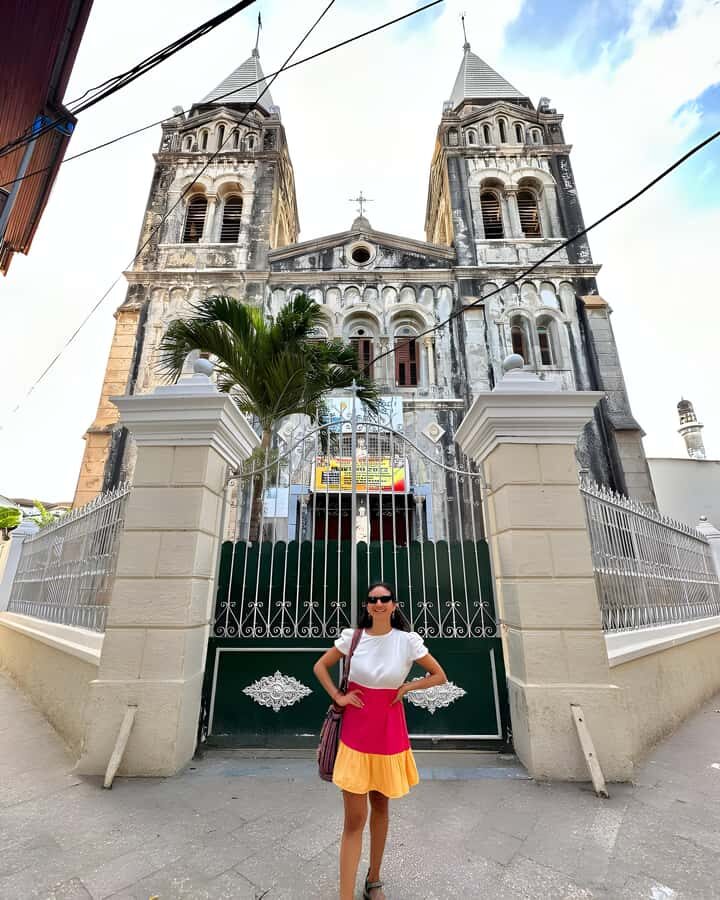
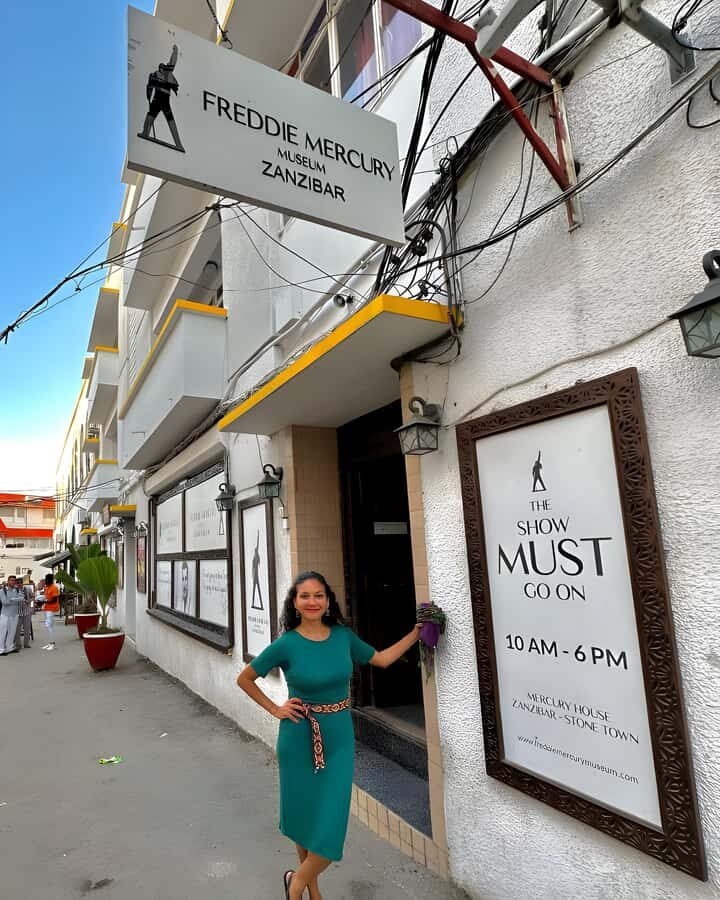
This tour doesn’t only chase major “classic” landmarks. It also includes the Catholic Cathedral, the Freddy Mercury House (photo stop plus guided time), and a focus on beautiful Zanzibar doors.
Those doors are worth your attention because they’re storytelling architecture. Many are carved, painted, and arranged in ways that reflect status, craft, and the city’s layered influences. When your guide points things out, you start seeing patterns instead of just “pretty doors.”
The Freddy Mercury House stop is more pop-culture than heritage history, but it works as a momentum brake. It gives you a moment where you can switch from architectural analysis to a more playful kind of remembering, especially if you grew up with Queen.
Markets to Museums: How the Route Builds a Coherent Story

The order of stops helps you build a mental map. You start with major context points—cathedral and museum-type landmarks—then move into street life with the Old Fort and markets. You finish with more recognizable photo moments like Freddy Mercury House and the door details.
That structure is practical. If you do everything in random order, you might end up with photos but not much understanding. With this flow, each stop informs the next one.
Also, short van rides on and off the route matter. The island has more than one kind of “vacation pace,” and going between hotel areas and Stone Town helps you avoid wasting time.
Price and Value: Is $40 Worth a Guided Walk?
At $40 per person, the value depends on what you want from a city walk. If you’re coming to Stone Town for landmarks only, you could theoretically DIY it. But this tour packages multiple major sites, a guided explanation, and specific inclusions that are harder to stitch together smoothly on your own.
What you’re paying for:
- A professional guide who connects sites into a coherent story
- Visits that cover both heritage and daily life, including markets and Hamamni Baths
- Included stops like the House of Wonders, Palace Museum, and Old Fort, plus cathedral time and door sights
- Optional pickup from Stone Town hotels with the driver meeting you at reception
If you like being guided—especially in places where history can feel abstract—this is good value for time. If you’re a confident mapper and don’t care about context, you might feel you could do parts independently.
Group Size, Languages, and Getting the Most Out of Your Guide
This tour offers private or small groups, which is a big deal in a place like Stone Town. Narrow streets and crowded market blocks can be frustrating in big groups. Small groups make it easier to hear explanations and keep a comfortable walking pace.
Language options include English, German, French, and Italian. One guide named Samuel has been praised for careful, clear explanations and being kind. On the other hand, there’s also feedback that some German-speaking guiding may not always match expectations for depth or clarity, so choose the language you’re most confident you’ll understand in detail.
Here’s my practical advice: if language is crucial for you, don’t be shy about asking a question early. Good guides respond fast when they know what you need.
Timing, Pickup, and Punctuality: The Part You Should Own
This experience includes pickup from Stone Town hotels when you request it, and the driver meets you at hotel reception. You’re asked to be ready about 5 minutes before departure, which is smart advice—Stone Town is compact, but schedules still matter.
Still, punctuality can vary. One person noted a guide arriving 15 minutes late. Another reported serious reliability issues, including a guide not showing at the stated meeting point and the tour being shifted to a different plan. You can’t control that, but you can reduce stress by arriving on time, verifying the meeting spot the day before, and giving yourself a bit of buffer.
If you’re heading to another activity right after, plan a little slack.
What to Bring for Comfort and Photos
This is a walking tour, so pack like it’s real walking, not just sightseeing. Wear comfortable shoes first. Bring a camera, apply sunscreen, and carry water.
If you tend to run cold in air-conditioned vehicles, don’t count on it outside. Stone Town’s sun can feel intense between stops, especially when you’re moving through markets and open courtyards.
Who Should Book This Stone Town Walking Tour?
Book it if:
- You want a guided route through the key landmarks—cathedrals, museum stops, fort, and baths
- You like history tied to architecture and street life
- You want a mix of heritage and quirky details like Freddy Mercury House and Zanzibar doors
- You prefer a professional guide rather than a self-guided scavenger hunt
Skip or reconsider if:
- You have mobility limitations, since the tour isn’t suitable for wheelchair users
- You only care about one or two monuments and hate walking through markets
- You need guaranteed interior access everywhere, since some sights may be closed or renovated on the day
Should You Book This Tour?
I’d book it if you want Stone Town to make sense quickly. The strongest payoff is how the guide connects places—cathedral and museum to fort and markets—so the walk doesn’t become a list of disconnected stops.
It’s also a good choice for a first visit. Even if you return later to see more in depth, this tour helps you learn where to go and what to notice.
Just go in with two expectations: wear good shoes, and accept that a few sights may not be perfectly accessible on your date. If you can handle that, you’ll come away with a much clearer understanding of why Stone Town is one of Zanzibar’s most compelling places.
FAQ
How long is the Stone Town guided walking tour?
The duration is listed as 2 to 5 hours, depending on the selected option and your schedule.
How much does the tour cost?
The price is $40 per person.
Where does pickup happen?
Pickup is optional. The driver meets you at your Stone Town hotel reception, if you request it in advance.
Which languages are available for the live guide?
The tour offers live guides in English, German, French, and Italian.
What sights are included in the tour?
Included stops are the Anglican Cathedral, the House of Wonders (national museum), the Palace Museum, the Old Fort, Darajani Market, Hamamni Baths, the Catholic Cathedral, Freddy Mercury House, and Zanzibar’s beautiful doors.
What should I bring?
Bring comfortable walking shoes, a camera, sunscreen, and water.
Is this tour suitable for wheelchair users or mobility impairments?
No. It is not suitable for people with mobility impairments or wheelchair users.
Can I cancel for a full refund, and is pay later available?
Yes. You can cancel up to 24 hours in advance for a full refund, and there is also an option to reserve now and pay later.