REVIEW · ZANZIBAR
Zanzibar: Spice Farm Tour with Traditional Cooking Lesson
Book on GetYourGuide →Operated by Zanzibar Local Experience · Bookable on GetYourGuide
Stepping into a spice farm feels like cheating your nose. On this 3-hour Zanzibar visit, I love how you can touch, smell, and taste spice plants right where they grow—cloves, nutmeg, cinnamon, black pepper, and more. It’s a simple outing, but it turns Zanzibar’s famous flavors into something real you can actually recognize later.
My favorite part is the food you help make: a traditional cooking lesson that ends with lunch on the spice farm (with guides like Chiquito often credited for making it fun and clear). The one thing to plan around is shopping: spices can only be purchased with cash.
In This Review
- Key things to know before you go
- Meeting in Stone Town: the 9:00 AM start and what it sets up
- Entering the organic spice farm: smell, touch, taste (not just photos)
- A practical note: bring your senses, not your expectations
- The guided spice lesson that actually sticks
- Cassava leaf harvest and making coconut milk: the hands-on cooking part
- What to watch for during the cooking lesson
- Fresh fruit moments: jackfruit and young coconuts
- Lunch on the spice farm: the payoff for all that tasting
- A small but important tip
- Price and value: is $65 really fair for 3 hours?
- Spice shopping with cash: how to make it painless
- Who should book this spice farm tour
- Should you book it? My honest take
- FAQ
- What time does the tour meet in Stone Town?
- How long is the spice farm tour?
- Is lunch included?
- Do I need to arrange pickup?
- What languages are spoken on the tour?
- Can I buy spices with a card?
- What should I bring?
- Is there a cancellation policy?
Key things to know before you go
- You’ll do more than look. You’ll smell and taste spice plants in fresh form.
- Cooking is part of the experience, with a practical lesson that includes coconut milk and cassava leaves.
- Fresh fruit shows up throughout, including a chance to try jackfruit and young coconuts.
- A coconut tree climber picks young coconuts for you—watching that takes the tour from classroom to show-and-tell.
- You get lunch included, so you’re not stuck hungry after all the tasting.
- Cash is required for spice purchases, so keep a plan for money before you arrive.
Meeting in Stone Town: the 9:00 AM start and what it sets up
The day kicks off at 9:00 AM at the Old Fort area in Stone Town, right in front of the Old Fort on Mizingani Road. If you’re staying on the beach, pickup is optional anywhere in Zanzibar, so you can roll out without wrestling with taxis or timing.
That early start matters more than you might think. Spice farms are partly about the senses—smell, heat, humidity, and the freshness of leaves and fruit—and morning tends to feel less oppressive. It also helps you get back to Stone Town with enough time left for the rest of your day.
This is also a private group experience with a local guide (English and Swahili). That’s a big deal for a subject like spices, where it helps to ask questions, repeat names, and get practical explanations you can use later while cooking at home.
You can also read our reviews of more cooking classes in Zanzibar


Entering the organic spice farm: smell, touch, taste (not just photos)
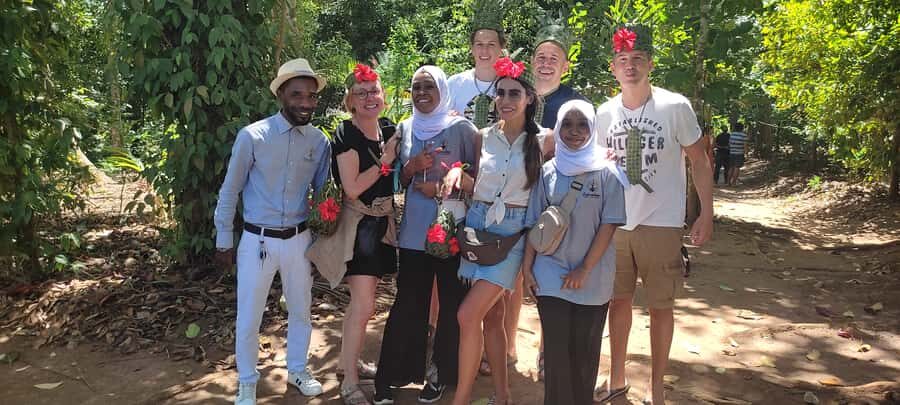
Once you arrive, the guide focuses on how Zanzibar’s signature crops are grown and how they’re used—both for flavor and traditional medicine. Expect a guided walk through spice and herb plants where you can do the stuff most tours only describe.
What makes this outing worth it is the way the spices are experienced in their natural state. I love how this kind of farm visit forces you to slow down and notice differences you’d never pick up through bottled spices. You’ll get hands-on chances to touch, smell, and taste plants directly, which is exactly how you learn what to look for later.
You’ll also hear about Zanzibar’s wider identity as part of the “Spice Islands” story—linked to cloves, nutmeg, cinnamon, black pepper, and more. If you’ve ever wondered why Zanzibar’s economy and daily cooking revolve around spices, this is where it clicks.
From the experience description and real-world notes, you’ll likely encounter plants tied to the flavors many people associate with Zanzibar cooking, including vanilla, cardamom, ginger, turmeric, nutmeg, clove, pepper, and lemongrass. People often highlight that it’s not theoretical—these smells come from living plants, not dried shakers.
A practical note: bring your senses, not your expectations
If you expect a museum-style tour where everything is neatly labeled and you only watch, you might be surprised. This is more hands-on than that. You’ll be encouraged to try and interact, so wear comfortable shoes and plan for sun and walking.
The guided spice lesson that actually sticks
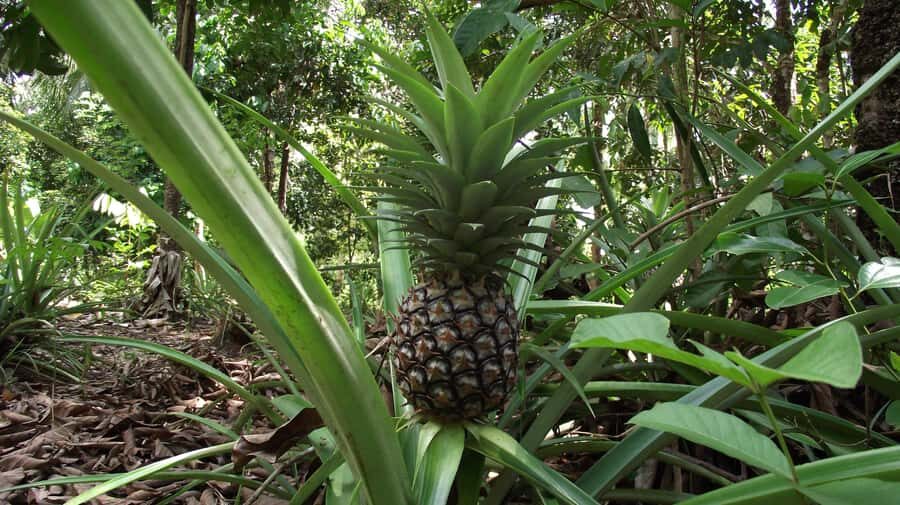
The best part of a spice farm tour isn’t the number of stops. It’s whether you leave understanding what you’re looking at and how it connects to food.
On this tour, you’ll get explanations as you move through the farm. The guide describes growth and uses, including how spices show up in dishes and how they’ve been valued historically. That means you’re not just collecting “names”—you’re learning the purpose of each ingredient.
A standout from real bookings is how much guests connect the lesson to cooking they do later at home. People specifically mention buying spices they recognized from the farm and using them right away. That happens when the tour teaches you what you’re smelling and tasting, not just where the plant is.
Another thing I like: the guides tend to make the experience easy to follow. Names that come up include Chiquito (praised for humor and clarity) and drivers like Ahmad and Abdullah who helped keep the day smooth and informative. If you prefer tours that feel personable instead of scripted, this is usually the right vibe.
Cassava leaf harvest and making coconut milk: the hands-on cooking part
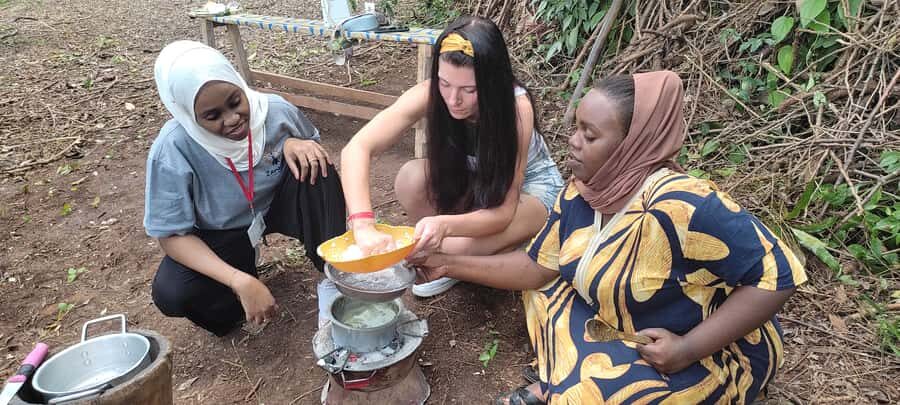
After the spice walk, the tour shifts from tasting spices to working with ingredients. You’ll have a chance to join a cassava leaf harvest. Then comes a practical food moment: making coconut milk.
Why this matters: coconut milk is the backbone of so many Zanzibar-style dishes, and making it connects the ingredient to the plant and process. If you’ve only ever bought coconut milk from a carton, you’ll likely get a better sense of what it means when a recipe calls for fresh coconut flavor.
Then you practice cooking. The details can vary by group energy and timing, but the core idea is that you’re not just watching someone cook. You’re learning the steps and tasting the results you helped create.
One booking note suggests that in some cases the cooking involvement can be lighter, with guests participating more through assistance than full hands-on cooking. That’s not a dealbreaker, but it’s worth managing expectations. The tour is still interactive, yet the exact level of participation might depend on how fast the farm and guide can move.
A few more Zanzibar tours and experiences worth a look





What to watch for during the cooking lesson
- You’ll likely be dealing with warm cooking areas and fragrant ingredients. Take water breaks.
- Wear shoes you don’t mind getting dusty.
- If you’re sensitive to strong smells, know spices are meant to be smelled up close—this isn’t subtle.
Fresh fruit moments: jackfruit and young coconuts
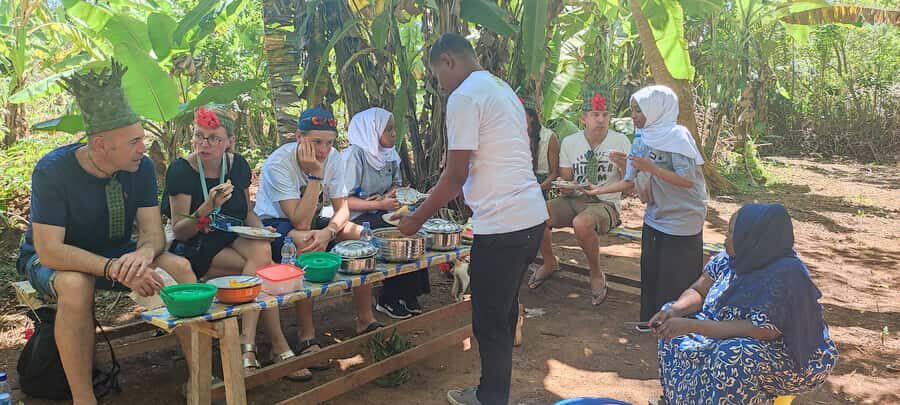
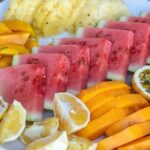
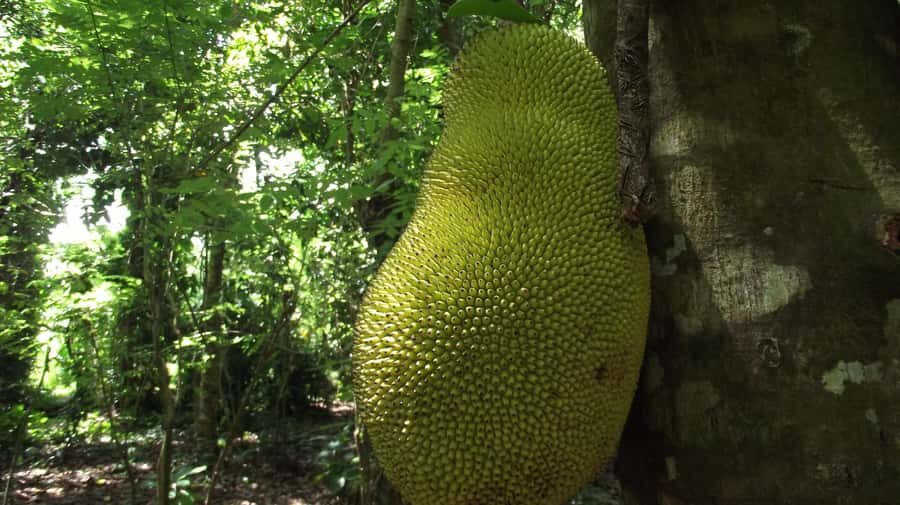
Spice farms on Zanzibar are also fruit farms, and this one leans into that. You’ll taste fresh tropical fruit along the way, including jackfruit, noted as the largest fruit in the world.
Jackfruit is one of those flavors that’s hard to explain until you try it. The texture and sweetness are distinct, and it helps balance the strong, earthy spice notes you’ve been sampling.
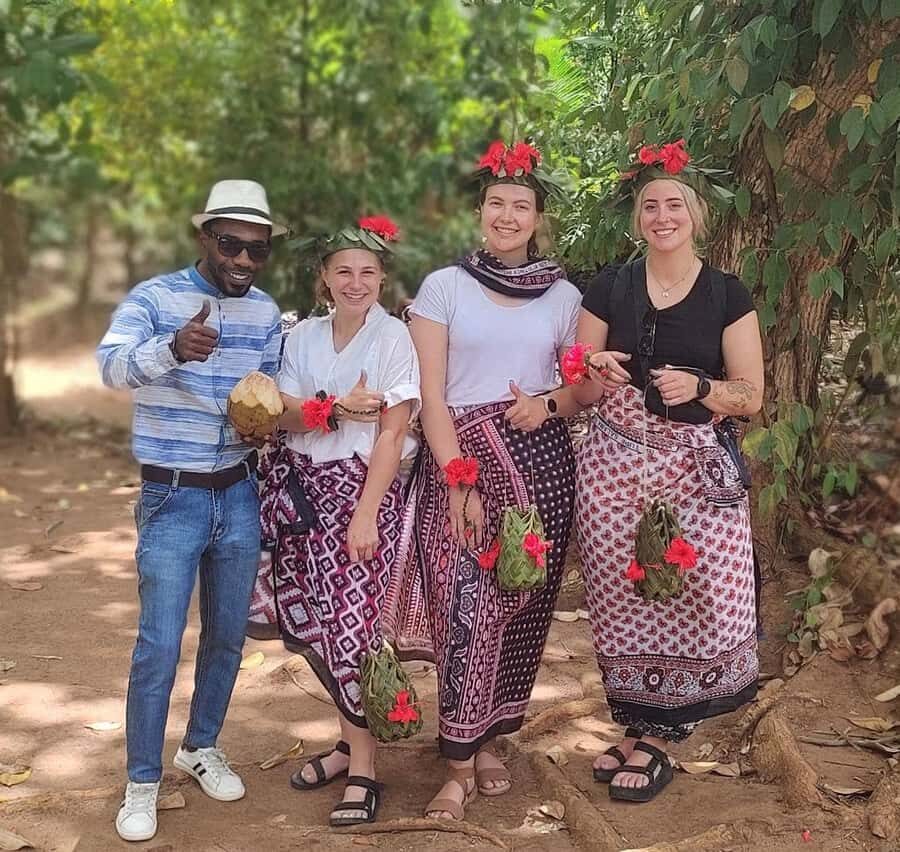
A highlight is the coconut moment: a coconut tree climber picks fresh young coconuts for you to try. Even if you’ve had coconut water before, fresh young coconuts taste different. It’s one of those experiences that feels visual and memorable, because it links the farm work directly to your drink.
Lunch on the spice farm: the payoff for all that tasting

By the end, you get lunch at the spice farm, included in the price. This is where everything you smelled earlier turns into an actual meal.
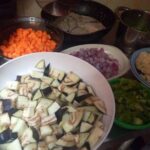
The tour focuses on a traditional Swahili-style lunch that you help prepare. That’s valuable because it makes the lesson practical. You’re learning how spices behave in food—what they do when heated, when combined, and when balanced with other ingredients.
In real feedback, lunch quality shows up again and again, with people praising flavors and the fact that the meal is genuinely connected to the farm. If you’ve ever done tours where you taste spices and then eat something unrelated, this is the opposite. The meal is the finishing step that ties your senses together.
A small but important tip
Eat lightly beforehand. One practical note from bookings is to not eat right before you go, because you’ll taste fruits and spices during the tour and then have lunch. If you show up hungry, you’ll get more from the tasting. If you show up full, you may miss some of the flavors.
Price and value: is $65 really fair for 3 hours?

At $65 per person for about 3 hours, you’re paying for more than walking around a farm.
Here’s what your money covers:
- Pickup from Stone Town meeting point, plus optional beach hotel pickup
- A local guide
- Lunch
- A contribution to the local community
- A structured experience that includes harvesting and cooking steps
So the value comes from the combination. If you only wanted to walk a farm path and buy a few dried spices later, you could probably do it cheaper on your own. But the guide’s explanations, the hands-on interactions (spices, cassava leaves, coconut milk), and the included lunch are what justify the price.
Also, this is one of those trips where you’re leaving with usable souvenirs—fresh spices you can actually identify, plus a better understanding of how they work in food.
Spice shopping with cash: how to make it painless
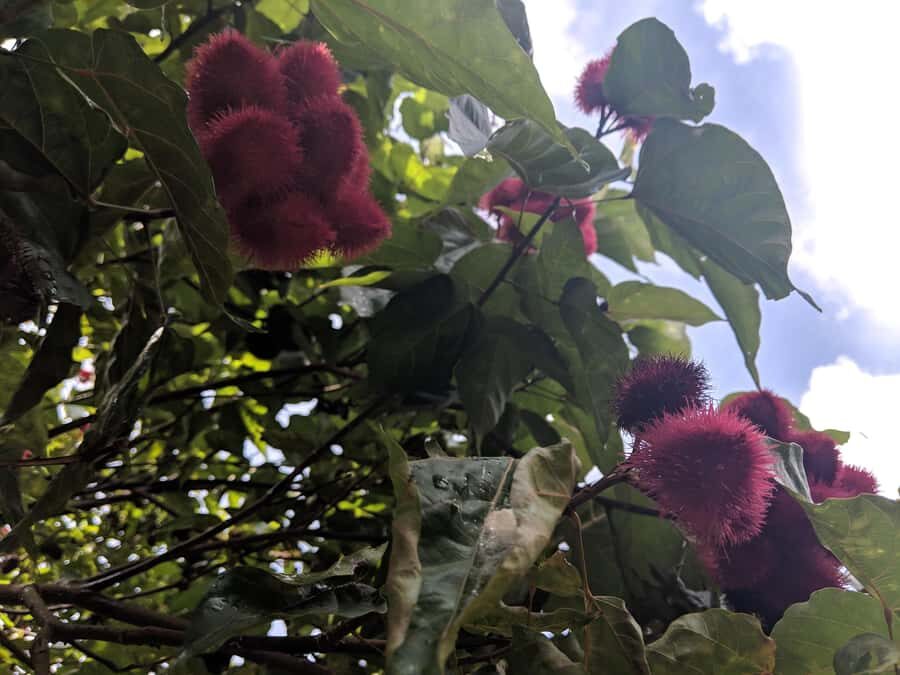
At the end, you’ll have time to purchase spices. Here’s the key detail: spices can only be purchased with cash.
That’s not just a rule—it affects how you plan your day. Before you go, make sure you bring enough small and medium bills so you’re not rushing to find an ATM right when you want to buy. If you’re splitting purchases, it helps to have one person manage cash so you don’t end up stuck at the counter.
When you shop, think in terms of the flavors you actually enjoyed at the farm, not just the ones that sound impressive. If you smelled and tasted vanilla and cardamom fresh, you’ll recognize their aroma again at home. If ginger and turmeric stood out, pick what you’ll use in the meals you already cook.
Who should book this spice farm tour
This tour fits best if you like:
- Food learning that involves your senses, not just explanations
- Zanzibar’s spice story beyond postcards
- A morning activity that ends with a full included meal
- People-to-people interactions with local guides who can explain what you’re tasting
It may be less ideal if you:
- Need guaranteed full hands-on cooking at every step (some involvement can be lighter depending on timing and flow)
- Prefer cashless shopping (spice purchases are cash-only)
- Have concerns with physical activity in a farm setting (the tour isn’t listed as specifically for mobility limits beyond wheelchair accessibility)
And one hard no from the data: it’s not suitable for pregnant women.
Should you book it? My honest take
If you’re planning time in Stone Town and want one trip that’s both practical and genuinely Zanzibar, I think this is an easy yes. The reason is simple: you’re not only learning about spices, you’re experiencing them fresh—then eating a lunch built from those flavors.
Book it if you:
- want a 3-hour activity that feels like a real part of local life
- care about taking home spices you can identify confidently
- enjoy cooking lessons and tasting as you go
Skip or adjust your expectations if:
- you’re not willing to carry cash for purchases
- you’re hoping for a totally hands-on cooking role at every stage
If you arrive prepared—with shoes, water, and sunscreen—you’ll leave with strong memories, a better sense of Zanzibar ingredients, and spice bags that actually make sense when you open them later.
FAQ
What time does the tour meet in Stone Town?
The meeting point is in front of the Old Fort on Mizingani Road in Stone Town at 9:00 AM.
How long is the spice farm tour?
The duration is 3 hours.
Is lunch included?
Yes. Lunch is included in the experience.
Do I need to arrange pickup?
Pickup is available. You can meet at the Old Fort in Stone Town, and there is also optional pickup from beach hotels anywhere in Zanzibar.
What languages are spoken on the tour?
The tour guide provides a live guide in English and Swahili.
Can I buy spices with a card?
No. Spices can only be purchased with cash.
What should I bring?
Bring comfortable shoes, a sun hat, sunscreen, water, and cash.
Is there a cancellation policy?
The experience offers free cancellation up to 24 hours in advance for a full refund.