REVIEW · ARUSHA
6-Day Essence of Serengeti & Ngorongoro Migration Safari
Book on Viator →Operated by Kanje grand tours · Bookable on Viator
A million reasons to keep your camera ready. This 6-day Serengeti and Ngorongoro safari is built around the Great Migration cycle and the jaw-dropping crater bowl wildlife viewing. I love that the days are structured for early game drives and that the trip includes real value add-ons like meals, unlimited drinking water, and park access fees.
One thing to consider: early starts are part of the deal, and dates matter because the herds move with rainfall, so your exact animal sightings can shift.
In This Review
- Key highlights at a glance
- Six Days Through Serengeti Migration Country and Ngorongoro Crater
- Day 1: Arusha Pickup, Ngorongoro Conservation Area, and Serengeti Rim Views
- Day 2: The Big Serengeti Morning Game Drive and the Herd Numbers That Matter
- Day 3: More Serengeti Time, and a Guide to Seasonal Herd Movement
- Day 4: Central Serengeti and the Birthing Window Around January
- Day 5: Very Early Morning Game Drive, Brunch, Then Ngorongoro Crater
- Day 6: Sunrise at the Crater Edge and High-Density Wildlife in the Bowl
- Price and Logistics: Is $3,713 Worth It?
- Guides, Service, and the Human Side of Wildlife Time
- Transport, Timing, and Comfort Between Parks
- Tarangire and Lake Manyara Lions/Baobabs: What to Confirm
- Who This Safari Suits Best
- Should You Book This 6-Day Kanje Grand Tours Safari?
- FAQ
- What parks are included on this safari?
- How long is the safari?
- What time is pickup on Day 1?
- What time do the main Serengeti game drives start?
- Are park admission tickets included?
- What meals are included?
- Is drinking water included?
- What is not included in the price?
- Is this tour private?
- Is there free cancellation?
Key highlights at a glance
- Serengeti mornings start around 6:30, maximizing time for active predators and moving herds
- Migration timing is built into the route, with notes on where animals typically go by season
- Ngorongoro Crater viewing is centered on sunrise and the crater rim, then game drives for dense wildlife
- Food and water are covered (breakfast daily, plus lunches and most dinners), with all fees/taxes included
- Guides mentioned by name include Amani and drivers like Abouh, praised for friendly, extra-helpful service
Six Days Through Serengeti Migration Country and Ngorongoro Crater
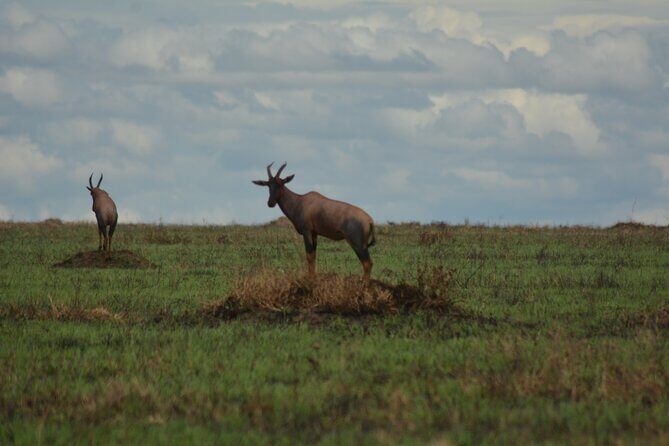
If you’re the type who wants real wildlife, not just photos of animals far away, this circuit makes sense. You’re spending your days in two of Tanzania’s most famous zones for different reasons: the Serengeti for the movement of migration herds across huge plains, and Ngorongoro for intense, crater-bowl viewing where animals pack into a small space.
I like the balance here. You get multiple Serengeti days instead of one rushed visit, which gives you more chances to catch different herds and predator moments. And then you shift gears to the Ngorongoro Crater, where the environment funnels wildlife into repeated, high-density sightings.
Potential drawback: your best sightings depend on timing. The Great Migration doesn’t follow a calendar; it responds to rainfall. So you can be set up well with smart driving hours, but no operator can guarantee a specific herd location on a specific day.
A few more Arusha tours and experiences worth a look
Day 1: Arusha Pickup, Ngorongoro Conservation Area, and Serengeti Rim Views
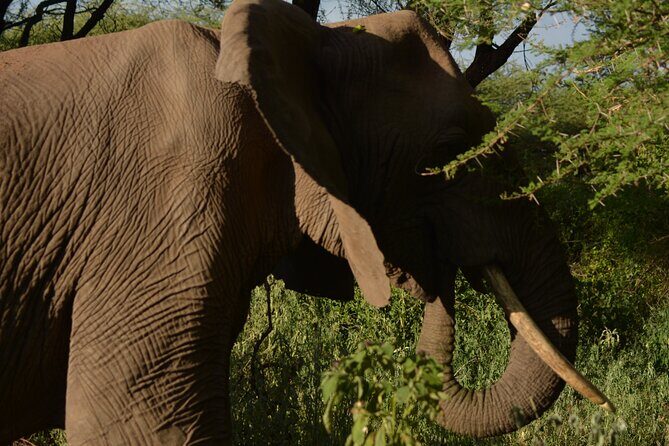
Your safari begins with pickup from your hotel or the airport at 8:00 and then a drive toward Serengeti through the Ngorongoro Conservation Area. This matters because you’re not just teleporting between parks—you’re transitioning from the highlands down into the broader Serengeti system, and that change in terrain can set the tone for the whole trip.
You’ll stop at a viewpoint on the rim of the Ngorongoro Crater, which is one of those moments where even if you’ve seen pictures before, the scale hits differently in person. From there, you continue into Serengeti and enjoy a picnic lunch inside the park.
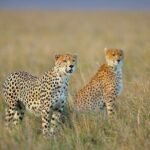
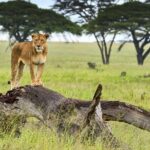
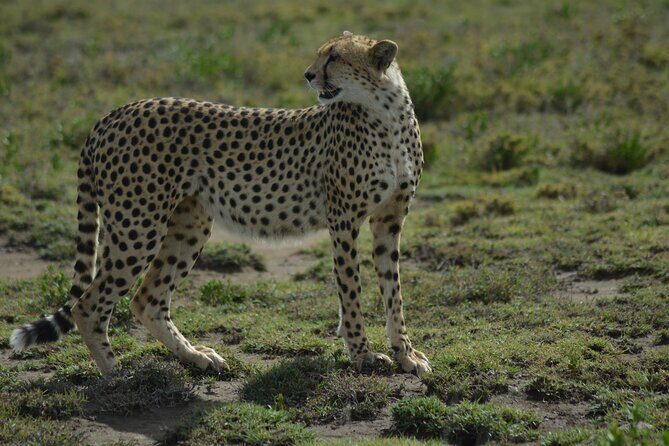
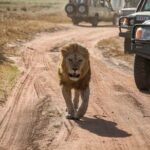
What to watch for on day 1 is less about a single “must-see” moment and more about getting your bearings. You’ll likely spot the kinds of animals that are common across the region—lions, hyenas, leopards, cheetahs, giraffes—depending on where you land and what’s moving that day.
Practical tip: if you’re sensitive to long drives, pack snacks and keep layers handy. Even when it’s warm, mornings and late hours near the parks can feel cooler than Arusha city.
Day 2: The Big Serengeti Morning Game Drive and the Herd Numbers That Matter
Day 2 is the kind of day that makes safari people grin. After an early breakfast, you head out on the main drive at about 6:30, with 6–7 hours to work the park.
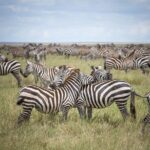
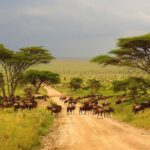
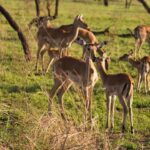
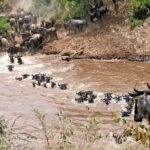
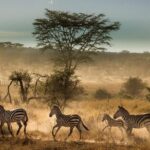
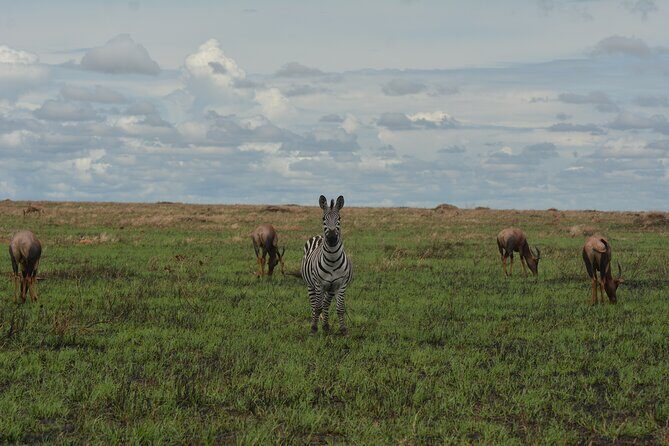
This is where the Serengeti reputation becomes real. The park is famous for migrating herds—hundreds of thousands of zebra, around 1.5 million wildebeest, and large numbers of antelope—and the movement is influenced by rainfall patterns. That’s why two safaris in the same month can feel very different. The herds aren’t “on schedule,” they’re on grass and water.
Day 2 also includes the predator angle. When wildebeest and zebra move, predators follow—so you might find yourself watching lions, cheetahs, leopards, and other carnivores where the prey is most active. The schedule notes a time around 1400 hours as part of the day’s flow, so you can expect your drive rhythm to include breaks and meal timing rather than being one nonstop loop.
What I like for your planning: having a longer dedicated Serengeti day increases odds of meaningful sightings. With only one day, you’re gambling on luck. With multiple days, you’re working the odds.
Day 3: More Serengeti Time, and a Guide to Seasonal Herd Movement
Day 3 keeps the Serengeti focus, with a full day of game drives (about 10 hours). This is where you start to feel the park as a living system, not a checklist.
You’ll get context for why the animals are where they are. The safari schedule explains that in November and December, animals typically move from northern areas dominated by woodlands and hills to the grassy plains farther south. During the long rainy season from April to June, they tend to return toward the north.
That seasonal detail is useful for you even if you don’t memorize it. It helps you interpret what you’re seeing. If you’re there around the months when herds usually shift south, you’ll understand why certain areas look busy with grazing. And if it’s rainy-season timing, you’ll realize why movement may be different than what you saw in someone else’s photo set.
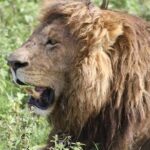
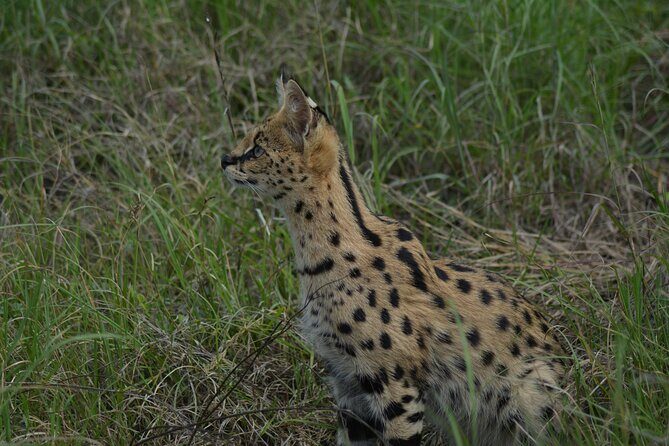
Predators stay on the table too. You may see resident lions, cheetahs, and leopards, especially when the herds concentrate and prey becomes easier to predict.
Day 4: Central Serengeti and the Birthing Window Around January
Day 4 is a full-day drive in Central Serengeti, focusing on the world-famous short-grass plains—the kind of habitat where visibility can be high and where grazing pressure can build fast.
There’s a specific seasonal moment highlighted here: around January, for about three weeks, the wildebeest birthing period can peak. The schedule notes roughly half a million calves, born in a tight window, and they’re often able to run within minutes of birth and strengthen quickly over the first few days.
Even if you don’t arrive exactly in that peak window, this day is still valuable because it’s set up to help you understand what you’re seeing. When young wildebeest are present, predator activity often changes. Hyenas and other hunters may become more noticeable. You may see more frantic movement, more grouping, and more life happening in one place.
What to consider: if your dates are outside the January window, you might not see the birthing spectacle. But you can still get great herd viewing and predator moments in the same central habitat type.
A few more Arusha tours and experiences worth a look


Day 5: Very Early Morning Game Drive, Brunch, Then Ngorongoro Crater
Day 5 is structured to protect your best chance at one of safari’s most reliable thrills: an early drive with better light and more active animals. The schedule suggests a very early wake-up for an early morning game drive and one of the best sunrises you’re likely to see.
After the drive, you return for brunch (a nice break from the usual safari pattern of quick meals and then right back out). Then you head toward Ngorongoro.
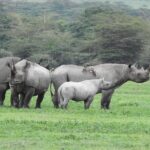
Ngorongoro is described as the 8th wonder of the natural world, a large crater where dense wildlife can be seen within a short amount of time. The schedule also mentions the crater spreads for 102 square miles with walls about 2,000 feet high, creating that classic bowl effect. You’re also told this is one of the rare places where you can witness the Black Rhino, which is a huge deal if that’s on your Tanzania checklist.
Practical reality check: black rhino sightings are never guaranteed. But the way this day is staged—morning wildlife time first, then crater time—gives you a fair shot at strong viewing conditions.
Day 6: Sunrise at the Crater Edge and High-Density Wildlife in the Bowl
Day 6 starts with early risers getting sunrise views over the crater’s edge. That timing isn’t just romantic—it’s practical. Cooler morning conditions can mean more animal movement, and the light makes it easier to spot details from a distance.
After breakfast, you head down for crater viewing. The schedule frames Ngorongoro as a UNESCO World Heritage Site, formed about three million years ago. It’s described as 610 meters deep and covering about 260 square kilometers, and the key reason it’s so famous is density: about 25,000 ungulates live there.
On the crater floor, you may see:
- wildebeest
- zebra
- gazelle
- elephant
- and more than 500 bird species
With a little luck, you may catch additional signature moments—again, the Black Rhino is mentioned as possible on the Ngorongoro side—so your driver’s scanning skills matter here.
If you’re thinking like a safari pro, this is where you slow down. In the crater, animals can show up repeatedly. Your job is to watch the behavior: grazing patterns, small group formation, and when animals start responding to something you can’t see yet.
Price and Logistics: Is $3,713 Worth It?
At $3,713 per person, this safari isn’t the bargain section of the market. But it also isn’t priced like a bare-bones “just take me there” trip. The value is in what’s included.
You get:
- All fees and taxes
- Professional guide/driver
- Unlimited drinking water
- All activities
- Meals: 5 dinners, 6 lunches, 6 breakfasts
- Admission ticket free is listed in the experience details
So the big cost buckets—entry fees and core guiding—are covered. What isn’t included is also clearly stated: tips, visa, and international flights.
How I’d think about the value for your budget:
- If you’re already planning to spend time and money organizing park access and guiding, included fees reduce hassle and surprise costs.
- Meals included means you’re not hunting for food while balancing game drive schedules.
- Unlimited water is one of those small things that becomes a big deal on long drives.
One more logistics note: this is listed as a private tour/activity with only your group participating, which often translates to less waiting and more flexibility about where the guide spends time scanning.
Guides, Service, and the Human Side of Wildlife Time
Safari success isn’t only about animals. It’s also about how fast your driver finds things and how well your guide turns sightings into understanding.
In the feedback you can take cues from named staff. Some guests describe being guided by Amani throughout a six-day journey, and others mention a friendly driver Abouh who went the extra mile. There’s also mention of Innocent being active and responsive to emails, which matters when you’re trying to confirm details before you land in Tanzania.
For you, that translates into something simple: when a guide can explain what you’re seeing and keep the drives moving with purpose, you’ll feel more connected to the wildlife. You’re not just passing time on roads—you’re learning how the system works.
Transport, Timing, and Comfort Between Parks
This trip covers a lot of ground across a short number of days, so pacing and timing are key.
- Day 1 starts at 8:00 with pickup and then gets you into the Serengeti zone.
- Day 2 starts about 6:30, and it’s a longer drive day.
- Day 5 includes a very early wake-up for sunrise and a morning drive.
- Day 6 again focuses on early timing, this time for crater edge sunrise.
That means you should expect some mornings that arrive early enough to make your coffee habit feel like survival gear. But the tradeoff is real: animals often move more actively earlier in the day, and your best wildlife visibility tends to be when the light is working in your favor.
Also note the tour is listed as suitable for most travelers. If you have mobility concerns, you’ll want to ask the operator about your specific vehicle type and how the crater descent and crater floor drives are handled, since those details aren’t spelled out in the provided information.
Tarangire and Lake Manyara Lions/Baobabs: What to Confirm
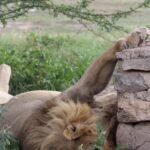
The safari description includes Tarangire National Park (famous for age-old baobab trees) and Lake Manyara National Park (known for tree-climbing lions). That’s exciting—both are very different ecosystems from Serengeti plains and Ngorongoro crater country.
But the day-by-day schedule shown here is focused on Serengeti and Ngorongoro. So before you lock in your expectations, ask Kanje grand tours to confirm exactly how Tarangire and Lake Manyara fit into your exact dates. It’s the kind of confirmation that takes little time and prevents disappointment.
Who This Safari Suits Best
This safari is a strong fit if:
- you want multiple Serengeti game drive days, not just one
- you care about the Great Migration timing and want your trip designed around how movement changes with season
- you want the crater experience for dense wildlife viewing, with a real shot at standout species like Black Rhino
- you prefer a private setup with a professional guide/driver and less logistical hassle
It’s probably not the best fit if you hate early mornings or you’re the type who wants a fully relaxed schedule with no sunrise focus. This route is built for the hours when wildlife gives you the best return.
Should You Book This 6-Day Kanje Grand Tours Safari?
I’d book it if you’re chasing value in the essentials: park access handled, meals and water included, and days designed for the hours that typically produce sightings. The Serengeti-to-Ngorongoro switch also keeps the experience from feeling repetitive—plains movement one day, crater density the next.
Hold off or ask extra questions if:
- you want Tarangire and Lake Manyara specifically on your dates (confirm your schedule slots)
- you’re traveling at a time when you’re expecting a very specific migration moment (remember, rainfall shifts the herds)
- you’re not prepared for early starts (Day 2 and both crater days are built around them)
If you want a safari that’s thoughtfully paced for migration-style wildlife watching and ends with Ngorongoro’s high-density magic, this one is a solid choice—especially given what’s included in the price.
FAQ
What parks are included on this safari?
The experience description says you’ll visit Serengeti National Park and the Ngorongoro area, plus Tarangire National Park and Lake Manyara National Park.
How long is the safari?
It’s listed as 6 days (approximately).
What time is pickup on Day 1?
Day 1 pickup is listed as 8:00, from your hotel or the airport.
What time do the main Serengeti game drives start?
On Day 2, the game drive starts at about 6:30. Day 5 also includes a suggested very early morning drive, and Day 6 is built around early sunrise viewing.
Are park admission tickets included?
Yes. The experience details show Admission Ticket Free and it also lists all fees and taxes as included.
What meals are included?
Breakfast is included for 6 days, lunch for 6 days, and dinner for 5 days.
Is drinking water included?
Yes. The tour includes unlimited drinking water.
What is not included in the price?
Tips, visa, and international flights are listed as not included.
Is this tour private?
Yes. It’s listed as a private tour/activity, meaning only your group participates.
Is there free cancellation?
Yes. Free cancellation is offered up to 24 hours before the experience’s start time for a full refund.