REVIEW · ZANZIBAR
Zanzibar: Walking Spice Farm with Local Cooking Class
Book on GetYourGuide →Operated by Riser Tours and Safaris Zanzibar limited · Bookable on GetYourGuide
Spices start with a smell. This Zanzibar spice farm walk plus cooking time is one of the most practical ways to understand where local flavors come from. I love the hands-on spice, herb, and fruit tasting (yes, clove), and I also like how the lesson is built around Swahili-style cooking skills rather than vague food talk. One possible drawback: parts of the cooking segment can feel more like a demonstration than a fully hands-on class, and the meal format may be more buffet-and-fruit than a strict four-course setup.
You’ll meet your guide and head to the shamba (spice farm), where you’ll stroll through plants that Zanzibar once produced at world scale—clove, nutmeg, cinnamon, and more. You’ll also get a cooking session that leads into you eating together, plus a finish at a spice stall where purchases are typically cash-only.
In This Review
- Tangawizi Spice Farm: What Makes This Zanzibar Tour Worth Your Time
- The $50 Question: Is This Good Value in Zanzibar?
- Getting Picked Up and Set for a 6-Hour Schedule
- Walking the Shamba: Smell Clove Where It Grows
- The Cooking Hut Setup: Open Air, Wood Fire, and Coconut Milk Work
- What the cooking segment is really like
- The Food: What You’ll Eat After the Spice Walk
- About dessert
- Smell, Taste, Learn: How to Get More From the Tasting
- The Spice Stall Stop: Buy What You Can Use
- Tips, Crafts, and Little Cultural Moments
- Who This Tour Suits Best
- Small Practical Tips Before You Go
- Should You Book This Zanzibar Walking Spice Farm and Cooking Class?
- FAQ
- How long is the Zanzibar walking spice farm and cooking class?
- What’s included in the price?
- Where does pickup and drop-off happen?
- What languages are the guides?
- Is this a private group tour?
- Do I need cash during the tour?
Tangawizi Spice Farm: What Makes This Zanzibar Tour Worth Your Time
This is a 6-hour Zanzibar experience designed to connect three things that are usually separate on holiday: the farm, the spices, and the food on your plate. The biggest win is that you don’t just taste spices at the table—you learn what they smell like while they’re still growing.
That matters in Zanzibar, where a lot of “spice” on menus is actually a blend of many plants. When you smell lemongrass, cinnamon, turmeric, vanilla, and black pepper in context, you start to understand why Swahili cooking tastes layered instead of one-note.
The tour is also structured for a real meal, not a snack stop. It includes lunch, and the timeline flows from farm walk into cooking and then eating.
The $50 Question: Is This Good Value in Zanzibar?
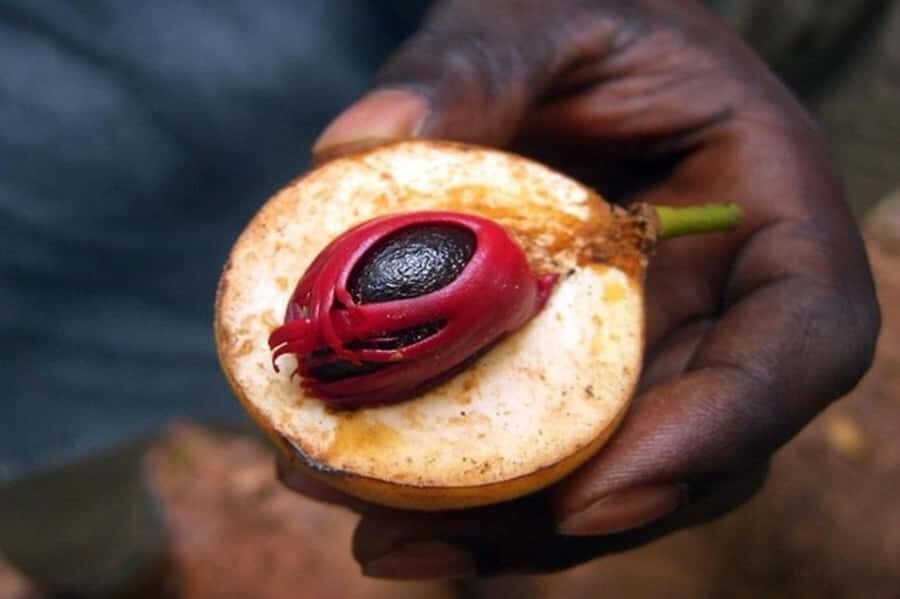
At $50 per person for a 6-hour outing, you’re paying for several things at once: hotel pickup and drop-off, a live guide (English, German, or French), farm walking time, spice tasting, a cooking session, and lunch. If you’ve ever done Zanzibar tours that feel like transport with a photo stop, this one is built around actual food and plant contact.
Also, the tour price includes tips for farm workers, so you’re not constantly thinking about tipping mid-experience. That said, you should still keep a small amount of cash on you for extras—especially since there’s a spice stall at the end and people can create small crafts during the day.
In plain terms: it’s decent value if you want to understand Zanzibar flavors through both the garden and the kitchen, not if you’re only looking for a quick, scenic photo walk.
You can also read our reviews of more walking tours in Zanzibar



Getting Picked Up and Set for a 6-Hour Schedule
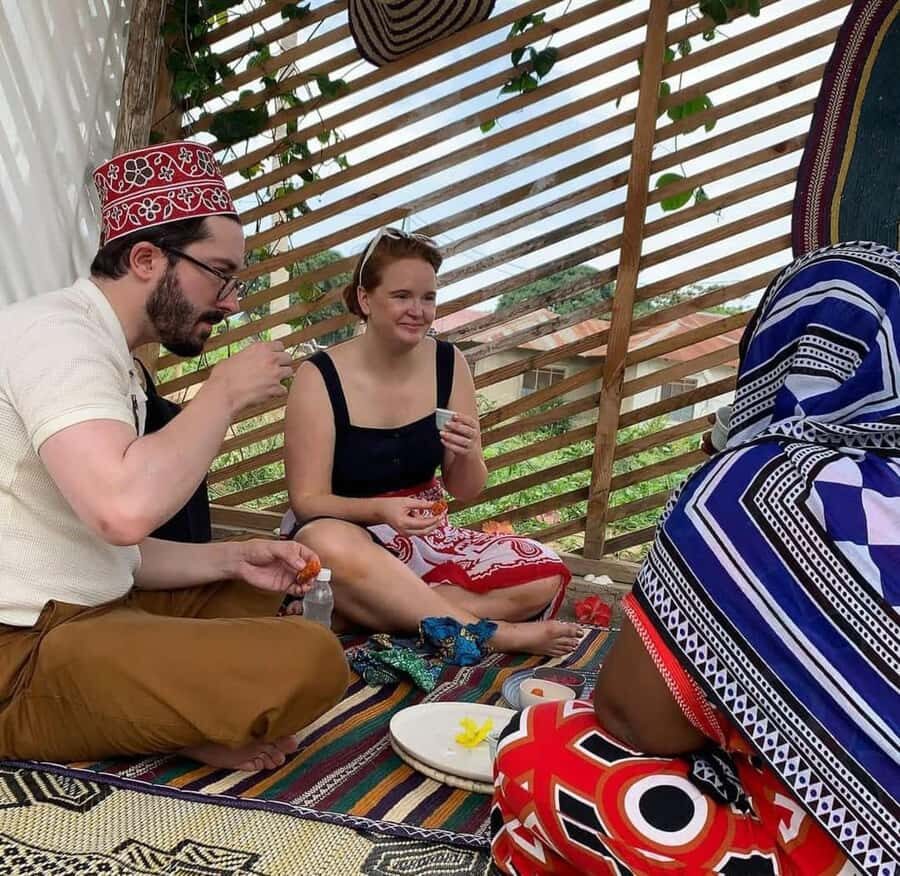
The tour is set up with multiple pickup options, including Stone Town (Zanzibar) and Unguja North Region. You meet your driver and then transfer to the farm and cooking location.
Your guide is live in English, German, or French, so communication is usually straightforward. You’ll be asked to wait at the hotel reception about 10 minutes before pickup, which is handy if you’re trying not to lose time in the morning.
Because it runs about 5–6 hours, plan this as a “main activity” day piece. If you’re also booking beach time or a sunset dhow, give yourself buffer time before and after.
Walking the Shamba: Smell Clove Where It Grows
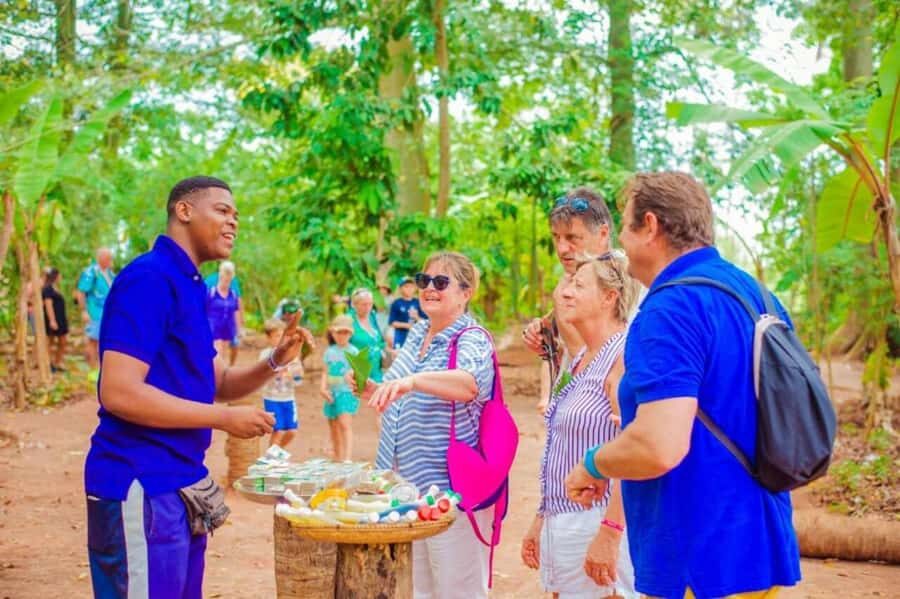
This part is the heart of the tour. You’ll visit an organic-style spice farm area at Tangawizi Spice Farm, where you get a guided walk through plants and their uses. The point isn’t just “look at a tree.” It’s to learn the smell, taste, and cultivation basics that later show up in your food.
Expect to encounter a long list of familiar Zanzibar flavors, including:
- Clove, along with other aromatic spices
- Lemongrass
- Nutmeg
- Cinnamon
- Turmeric
- Vanilla
- Coconuts
- Papaya
- Chili
- Black pepper
- Jackfruit
- Cardamom
- Cassava
- Oranges
This is where the tour earns its money. Spices can taste totally different when you’re smelling them fresh versus when they’re pre-ground and sitting in a jar. Fresh plant aromas tend to feel stronger and more specific, and your guide can explain what you’re tasting and why.
One more thing: the farm walk can be uneven. Even though this is marketed as welcoming to people of different ages, it’s still a walking tour. If you have mobility concerns, it’s smart to tell your guide early so they can choose safer walking routes.
The Cooking Hut Setup: Open Air, Wood Fire, and Coconut Milk Work
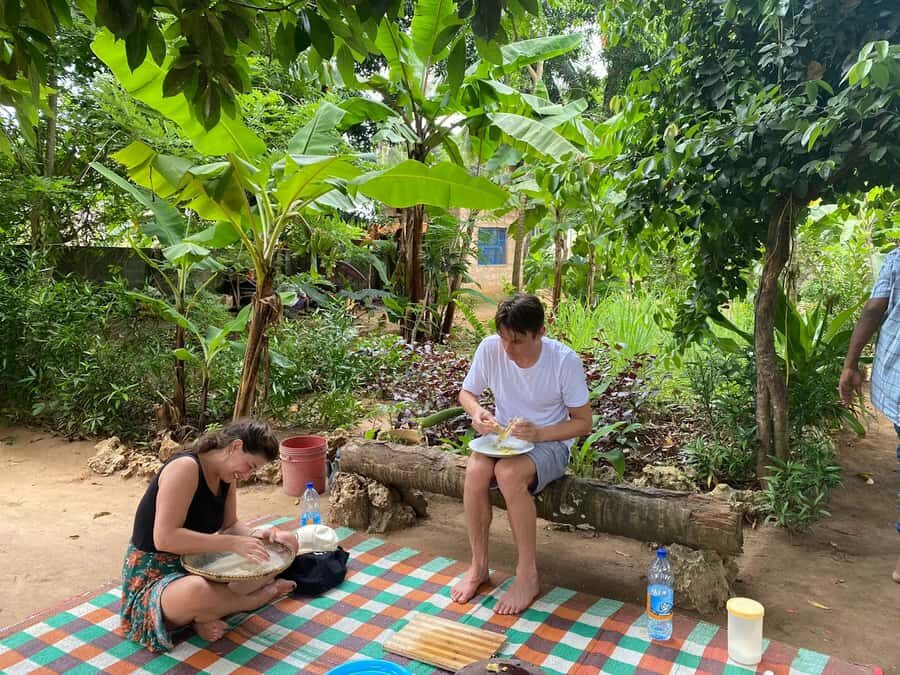
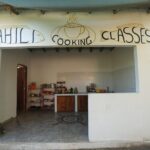
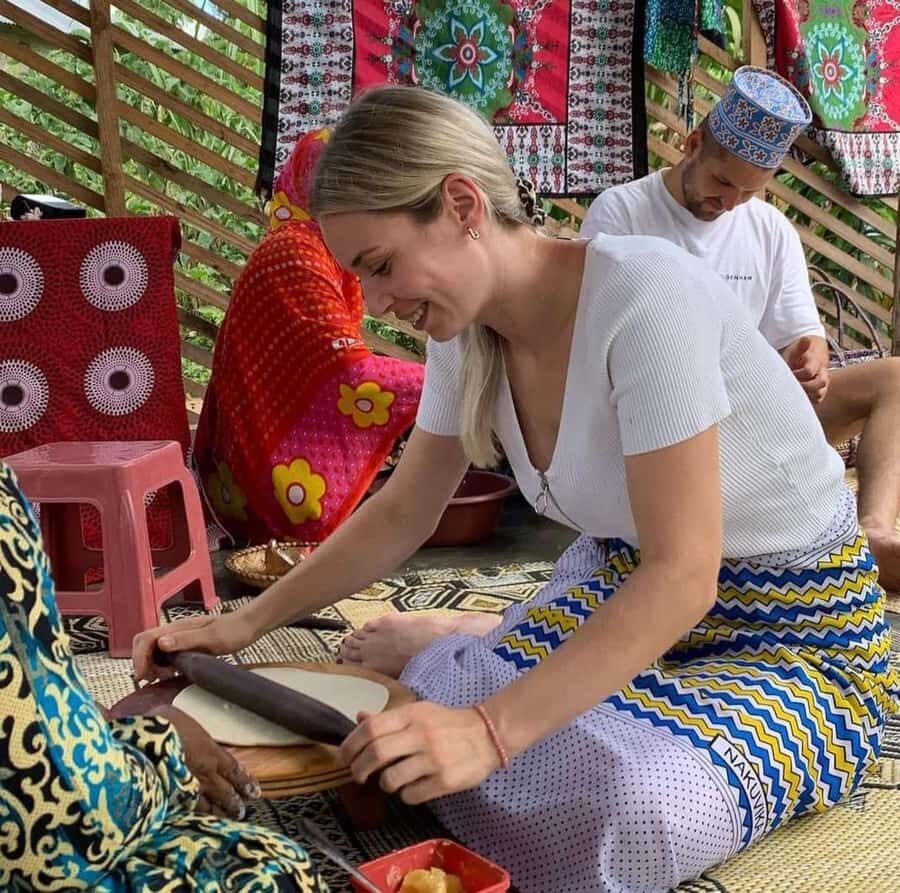
After the farm visit, you return to the cooking area for the lesson and meal. Cooking happens in a simple structure that’s open to the air, with cooking managed using wood fire and charcoal burners.
A detail I like here is the coconut process. Coconuts aren’t just a side ingredient in the story—they’re worked into the dishes. You may see hands-on preparation like scraping coconut meat and squeezing coconut milk, which then shows up in multiple parts of the cooking.
What the cooking segment is really like
Here’s the honest part: the experience can feel more like a demonstration than a fully hands-on class. Some descriptions talk about preparing multiple courses, and the meal is shared together afterward. But in practice, you may watch more than you cook, then sit down to eat.
That doesn’t automatically mean it’s bad. For many people, watching exactly how spice mixes are built—plus seeing the pace and technique—helps them replicate it later at home.
Still, if you’re coming expecting to chop everything and cook start-to-finish like a workshop, adjust your expectations.
You can also read our reviews of more cooking classes in Zanzibar



The Food: What You’ll Eat After the Spice Walk
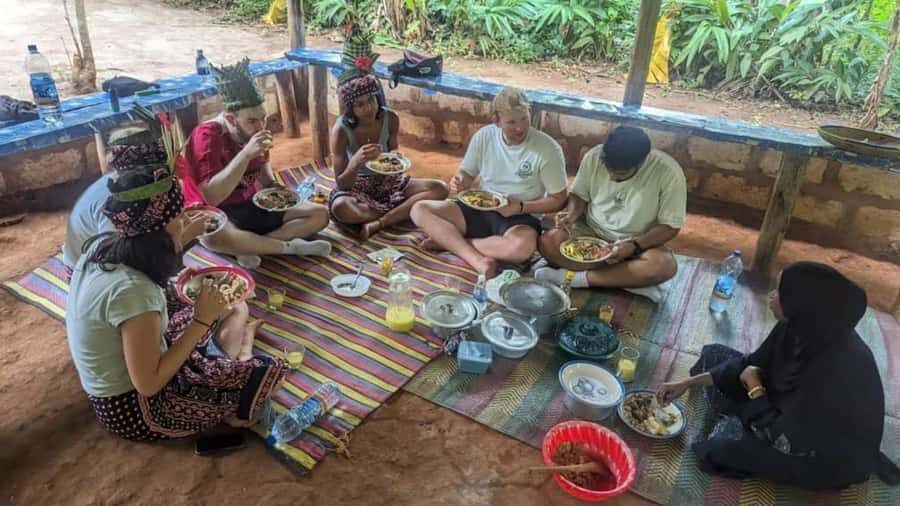
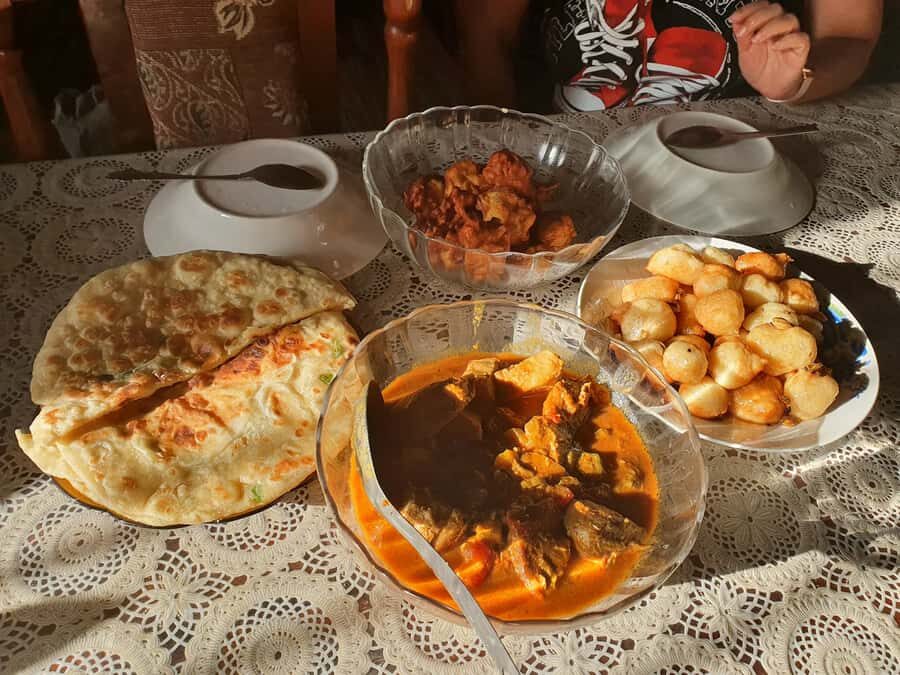
The tour finishes with a shared meal. The format you get can land as a mix of cooking-show style plates and buffet-style eating, and there’s fruit served as well.
What you can usually expect is classic Swahili flavor building:
- A spiced pilau rice style dish (rice combined with multiple spices)
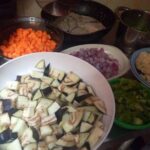
- A savory sauce component featuring ingredients like tomato, onion, spinach, and typically protein such as fish and sometimes plantain
- Fish prepared with lime and salt before frying in a simple, practical method
The key value for you: you don’t just taste; you connect the dish back to the plants you smelled on the farm. When someone points out turmeric or black pepper during cooking, it clicks faster because your brain already met the scent outside.
About dessert
One description frames the meal as including dessert. Another experience format pairs the main eating portion with later fruit. So go in expecting something sweet or fruity rather than a formal plated dessert course.
Smell, Taste, Learn: How to Get More From the Tasting
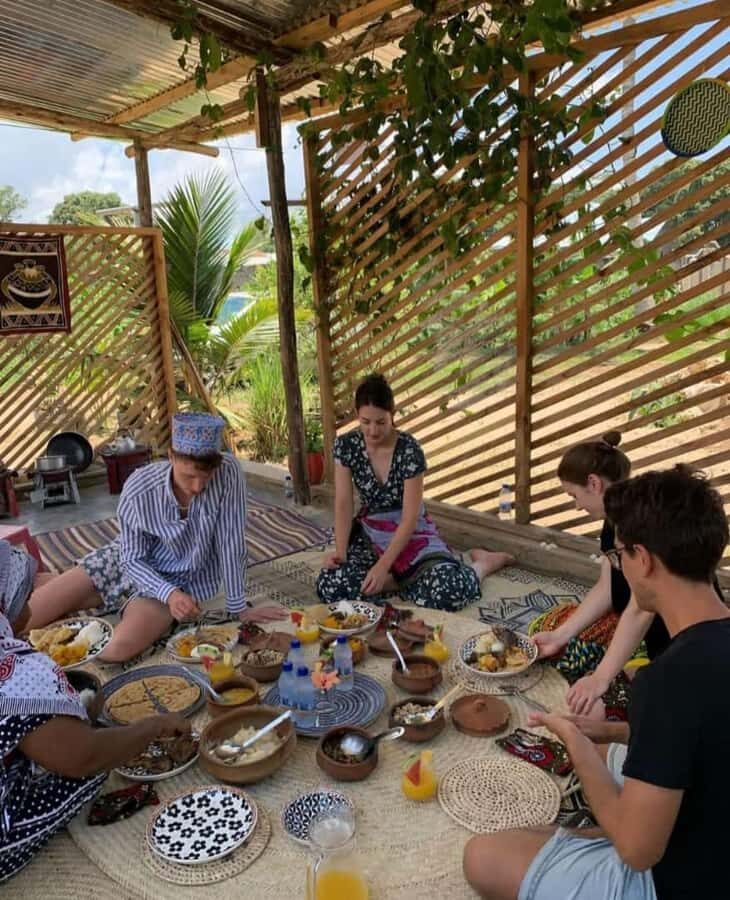
This tour rewards curiosity. You’ll be tasting spices, herbs, and fruits such as clove. To get the most out of it:
- Smell first, then taste. Fresh plant aromas can surprise you once you put them in your mouth.
- Ask the guide what you should pair certain spices with. Zanzibar cooking isn’t one spice equals one flavor.
- Keep track mentally of the ones you like most. Later, you’ll see those same notes show up in your meal.
If you’re the type who usually orders food first and asks questions later, this is a good day to slow down.
The Spice Stall Stop: Buy What You Can Use
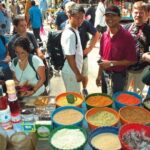
At the end, you’ll stop at a spice stall where fresh packaged spices are sold. It’s a good moment to convert the day’s knowledge into real purchases.
One practical note: purchases are cash-only. Bring small bills if you want to avoid awkward “ATM scramble” time.
Also, keep your bag space in mind. You might come away with spice blends, soaps, or creams. Some of these items can be great gifts—especially if you’re traveling home soon and want something Zanzibar-specific.
Tips, Crafts, and Little Cultural Moments
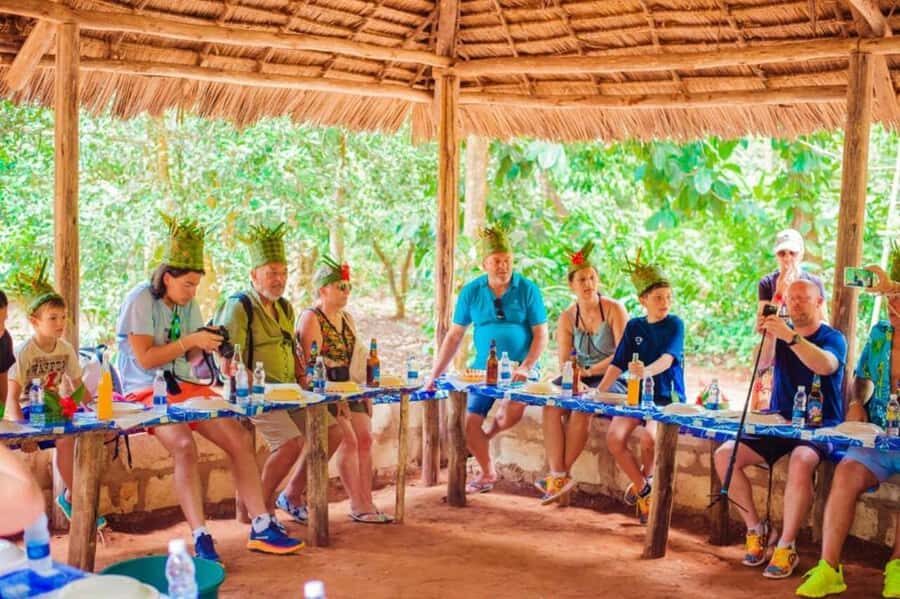
The tour includes tips for farm workers, so you won’t feel like tipping is expected at every step. Still, you may notice extra moments that feel very local: people creating small items like crowns and ties, and performances like someone climbing to reach fruit from a tree.
These aren’t the main reason to book, but they add warmth. If someone shares time with you, it’s a good idea to have a few small bills handy.
Who This Tour Suits Best
This experience works especially well if you:
- Want a Zanzibar spice farm tour that actually connects plants to your lunch
- Like food that’s explained through ingredients, not just menu descriptions
- Want a cultural morning/afternoon that’s active but not extreme
It may be less ideal if you:
- Want a fully hands-on cooking class where you control every step (the cooking portion can lean more demonstration)
- Have very limited mobility and need a low-walking itinerary, since it is a walking farm experience
Small Practical Tips Before You Go
A few things to do before you head out:
- Wear comfortable shoes. A spice farm walk means real ground, not polished sidewalks.
- Bring a light layer. Cooking areas can be warm, but open-air structures can feel cooler.
- Have cash for the spice stall. If you want to buy, don’t rely on card payment.
- If you’re sensitive to strong smells, eat a small snack beforehand. Spices can be intense up close.
If you’re booking from Stone Town, try to give yourself time to move and settle before pickup. Zanzibar days can start smoothly or take longer depending on traffic and where your hotel is.
Should You Book This Zanzibar Walking Spice Farm and Cooking Class?
I’d book this if your goal is to understand Zanzibar flavors at the source—spices in the soil, then spices on the table. For $50, the combination of farm walk, guided tasting, lunch, and hotel pickup feels like a solid “one ticket, real experiences” deal.
Skip it only if your main goal is a hands-on cooking workshop where you do everything yourself. In that case, you might feel like you watched more than you cooked.
If you want a flavorful, educational day that doesn’t drag and ends with a real meal, this is a strong pick for Unguja.
FAQ
How long is the Zanzibar walking spice farm and cooking class?
The tour lasts about 6 hours.
What’s included in the price?
It includes hotel pickup and drop-off and lunch.
Where does pickup and drop-off happen?
Pickup options include Stone Town and Unguja North Region. Drop-off options include Unguja North Region and Stone Town.
What languages are the guides?
Live tour guides are available in English, German, and French.
Is this a private group tour?
Yes, it’s listed as a private group.
Do I need cash during the tour?
There is a spice stall at the end, and purchases there are cash-only.